Table of Contents
Introduction
In the Islamic faith, prayer is one of the Five Pillars of Islam, making it a fundamental practice for Muslims worldwide. As part of this sacred ritual, wearing appropriate prayer clothes holds significant importance. Muslim prayer clothes are not only practical garments but also carry deep religious, cultural, and symbolic meanings. This article delves into the various aspects of Muslim prayer clothes, including their types, cultural significance, and how to choose the right ones. Whether you’re a Muslim looking to deepen your understanding of this practice or someone interested in Islamic culture, this guide aims to provide valuable insights.
Understanding the Importance of Muslim Prayer Clothes
Muslim prayer clothes hold a special place in Islamic tradition. They serve as a physical reminder of the spiritual connection between the worshipper and Allah. When Muslims don their prayer clothes, they prepare themselves to stand in the presence of the Divine, adopting a state of humility and reverence. The act of dressing for prayer is itself a form of devotion, helping to create the right mindset for communication with God.
Beyond the spiritual dimension, prayer clothes also carry cultural significance. They reflect the diversity of Islamic traditions across different regions and ethnic groups. From the flowing robes of the Middle East to the intricately designed garments of South Asia, Muslim prayer clothes vary in style and design while maintaining their essential purpose.

Types of Muslim Prayer Clothes for Men
Traditional Thobe
The Thobe is a long, loose-fitting garment that covers the body from the shoulders to the ankles. It is typically made from lightweight cotton or linen, making it comfortable for extended periods of prayer. The Thobe allows for easy movement during the various positions of Islamic prayer, such as standing, bowing, and prostrating. Its simple yet elegant design reflects the modesty required in worship.
Prayer Cap (Kufi or Taqiyah)
Many Muslim men wear a prayer cap known as a Kufi or Taqiyah. This small, rounded cap is usually made from cotton or wool and is worn on the head during prayer. The prayer cap symbolizes devotion and serves as a physical reminder of the worshipper’s commitment to their faith. It is often considered a sunnah, or voluntary act of worship, based on the traditions of the Prophet Muhammad (PBUH).
Types of Muslim Prayer Clothes for Women
Abaya
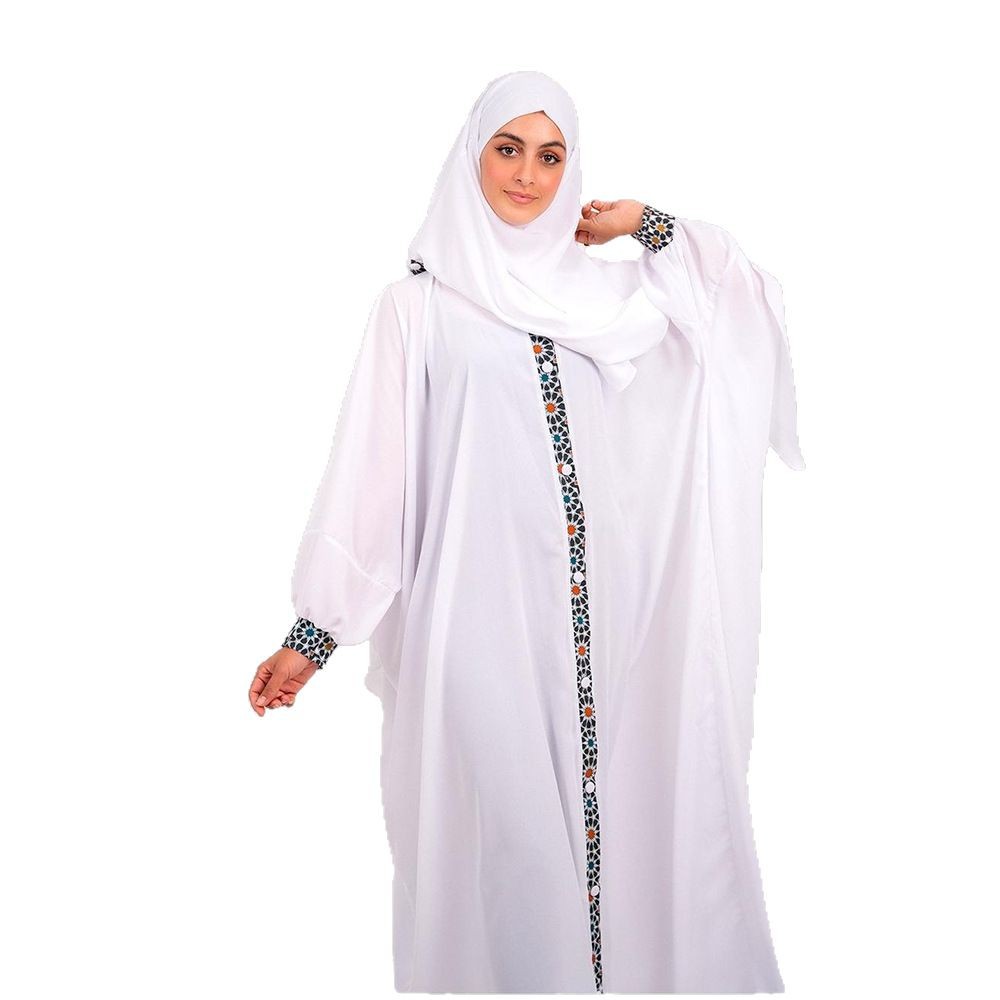
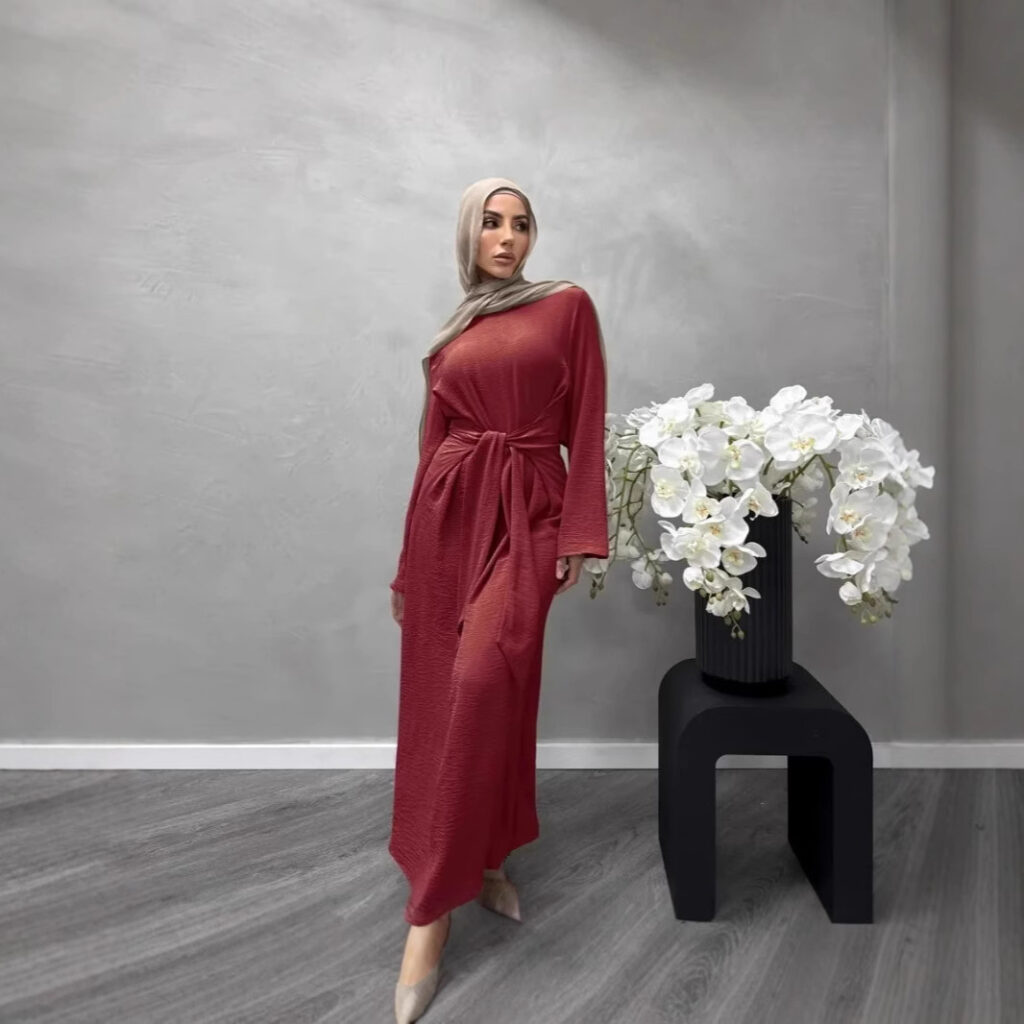
The Abaya is a loose, full-length robe worn by many Muslim women during prayer. It typically covers the entire body from the shoulders to the feet, ensuring modesty as prescribed by Islamic teachings. Abayas are often made from lightweight fabrics like cotton or georgette, allowing for ease of movement and comfort during prayer. They come in various styles and colors, with black being the most traditional choice.
Hijab
The Hijab is a headscarf worn by Muslim women as part of their prayer attire. It covers the hair and neck, leaving only the face visible. The Hijab holds deep religious significance as it represents modesty, privacy, and morality. During prayer, the Hijab helps women maintain a state of concentration and devotion by minimizing distractions.
Niqab
In some cultures and personal practices, Muslim women may choose to wear a Niqab during prayer. The Niqab covers the face, leaving only the eyes visible. This additional layer of modesty is seen as a way to further enhance the worshipper’s focus on Allah. However, the use of the Niqab during prayer is a personal choice and varies widely among Muslim communities.
Cultural Variations in Muslim Prayer Clothes
Middle Eastern Styles
In the Middle East, prayer clothes often feature intricate embroidery and detailed patterns. Men’s Thobes may be adorned with delicate stitching along the neckline and cuffs, while women’s Abayas can feature gold or silver accents. These decorative elements reflect the rich cultural heritage of the region and add a touch of elegance to the prayer attire.
South Asian Traditions
South Asian Muslim communities have their own distinct styles of prayer clothes. Men may wear a Pathani suit, which consists of trousers that are tight at the ankles and a long, loose-fitting shirt. Women often wear a Shalwar Kameez paired with a Dupatta, a large scarf that covers the head and shoulders. These garments are typically made from cotton or silk and are available in a wide range of colors.
Southeast Asian Influence
In Southeast Asia, Muslim prayer clothes often incorporate local textile traditions. Batik fabrics, known for their distinctive wax-resist dyeing technique, are commonly used for prayer garments. Men may wear a Baju Melayu, a traditional Malay shirt, while women might don a Kebaya, a blouse-dress combination. These cultural adaptations showcase the diversity of Islamic practice across different regions.
Choosing the Right Muslim Prayer Clothes
Modesty and Comfort
When selecting Muslim prayer clothes, modesty should be the primary consideration. Garments should cover the awrah, the parts of the body that must be covered during prayer. For men, this includes the area from the navel to the knees, while for women, it generally includes the entire body except for the face and hands. Additionally, prayer clothes should be comfortable, allowing for unrestricted movement during the different prayer positions.
Fabric Quality
Opt for high-quality, breathable fabrics like cotton, linen, or silk. These materials ensure comfort during extended prayer sessions and are less likely to cause discomfort or distraction. Avoid synthetic fabrics that may trap heat and moisture, potentially leading to discomfort or skin irritation.
Personal Preference and Style
While maintaining modesty is essential, personal preference and style should also be considered. Prayer clothes come in various designs, colors, and patterns, allowing individuals to express their personality while adhering to religious guidelines. Whether you prefer plain, solid-colored garments or those with subtle embroidery, there are options to suit every taste.
Caring for Your Muslim Prayer Clothes
Proper Cleaning
Muslim prayer clothes should be cleaned regularly to maintain their purity and freshness. Follow the care instructions provided by the manufacturer, as different fabrics may require specific cleaning methods. Generally, washing in cold water with mild detergent is recommended to preserve the garment’s shape and color.
Storage Solutions
When not in use, prayer clothes should be stored in a clean, dry place. Use a cloth or garment bag to protect them from dust and moisture. Avoid folding prayer clothes too tightly, as this can cause wrinkles and creases that may be difficult to remove.
Handling Damage
If your prayer clothes become damaged, repair them promptly. Stitch any tears or loose seams to prevent further deterioration. In cases of severe damage, consider replacing the garment to ensure it continues to meet the standards of modesty and dignity required for prayer.
Conclusion
Muslim prayer clothes are an integral part of Islamic worship, reflecting both religious devotion and cultural identity. By understanding the different types of prayer garments available for men and women, as well as the cultural variations that exist across Muslim communities, individuals can make informed choices that honor their faith and personal style. Proper care and maintenance of prayer clothes further demonstrate respect for this sacred practice, ensuring they remain suitable for use in the worship of Allah.
How to Purchase:https://looperbuy.com/search?keywords=muslim+prayer+clothes
Related Questions and Answers
What are the essential requirements for Muslim prayer clothes?
Muslim prayer clothes must meet specific requirements to ensure they are suitable for worship. They should provide adequate coverage of the awrah, the body parts that must be concealed during prayer. For men, this includes the area from the navel to the knees, while for women, it generally includes the entire body except for the face and hands. The clothes should also be clean, modest, and not made from prohibited materials like pure silk or gold for men.
Can Muslim women wear pants during prayer?
Yes, Muslim women can wear pants during prayer as long as they meet the requirements of modesty. The pants should be loose-fitting and cover the legs completely, ensuring that the awrah is appropriately covered. Many women choose to wear loose-fitting trousers or pajama-style pants as part of their prayer attire.
Is it necessary to wear a specific color of prayer clothes?
There is no specific color requirement for Muslim prayer clothes. However, modesty is emphasized, and it is generally recommended to avoid wearing overly bright or attention-grabbing colors. Black, white, and other neutral tones are commonly chosen for their simplicity and elegance, but personal preference and cultural traditions also play a role in color selection.
How often should Muslim prayer clothes be replaced?
The frequency of replacing Muslim prayer clothes depends on several factors, including how often they are used and their condition. Prayer clothes that show signs of significant wear, damage, or fading should be replaced to maintain their modesty and appearance. It is also advisable to have multiple sets of prayer clothes to ensure you always have clean and suitable garments available for worship.
Where can I purchase authentic Muslim prayer clothes?
Authentic Muslim prayer clothes can be purchased from various sources. Local Islamic clothing stores often offer a wide range of options suitable for different cultural preferences. Online retailers specializing in Islamic products also provide a convenient way to browse and buy prayer clothes from the comfort of your home. When shopping online, read product descriptions carefully and check customer reviews to ensure you are purchasing high-quality, authentic garments.
Hot Tags: Muslim Prayer Clothes; Islamic Prayer Attire; Muslim Prayer Garments; Women’s Prayer Clothes; Men’s Prayer Clothes; Traditional Muslim Clothing; Abaya; Thobe; Hijab; Niqab.