Table of Contents
Understanding the Fundamentals of Drop Shipping
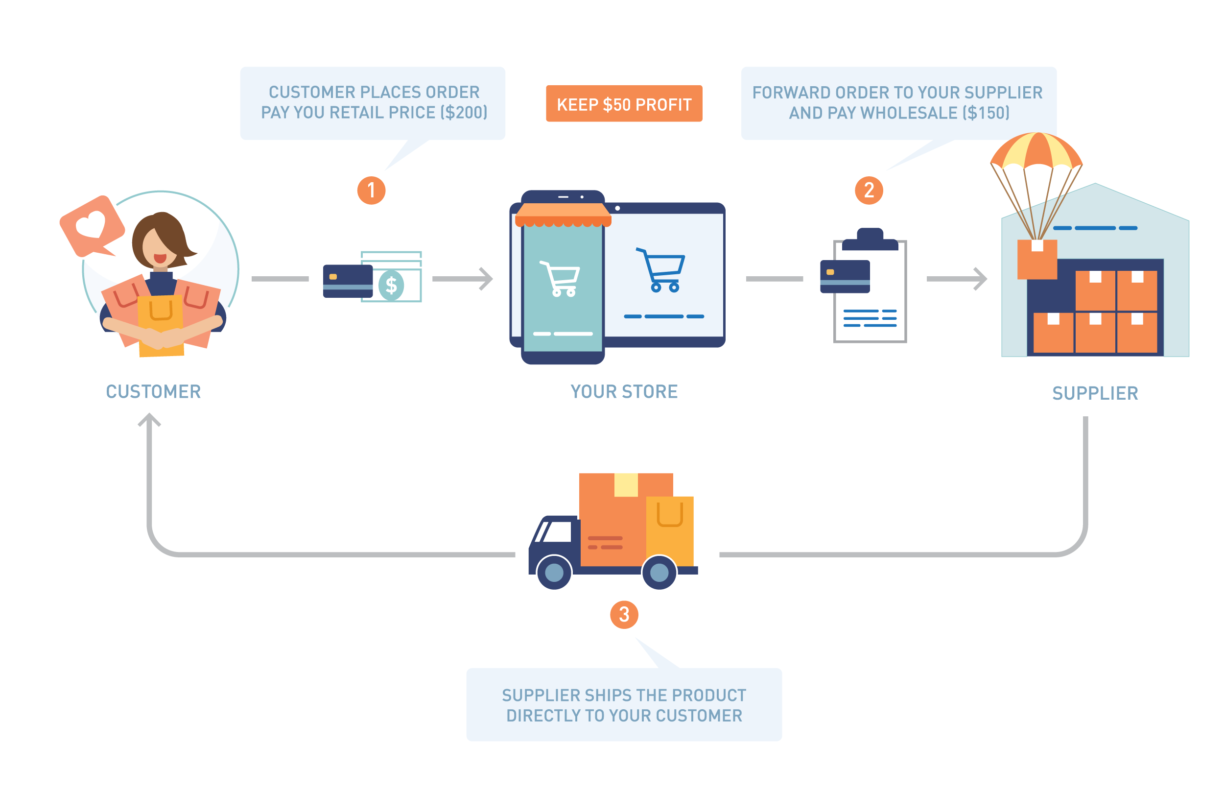
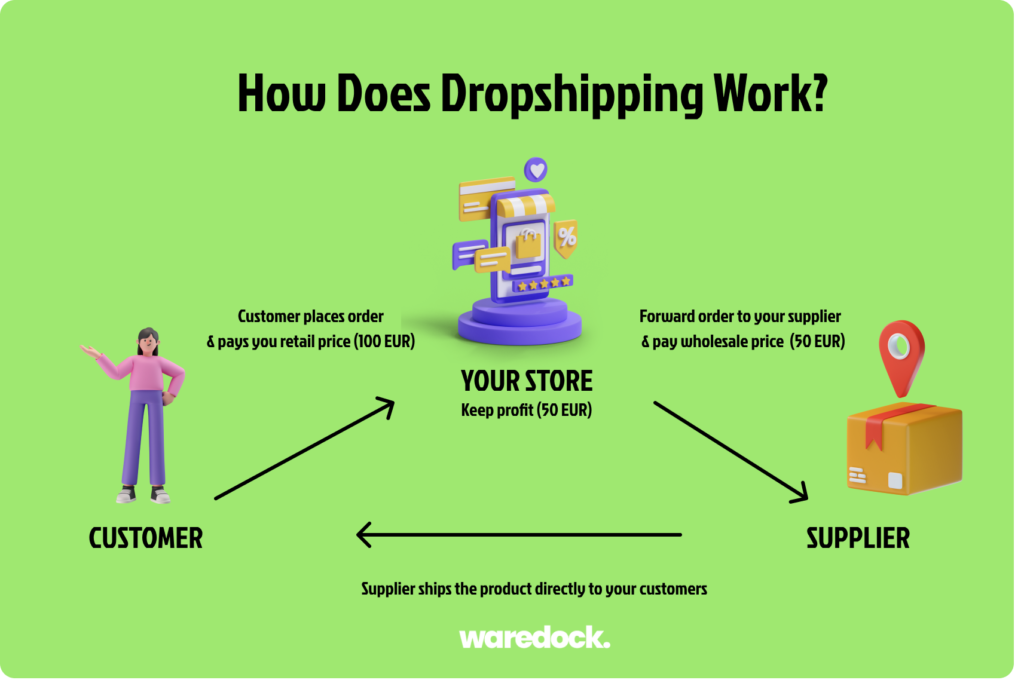
Drop shipping has evolved into one of the most accessible e-commerce models for aspiring entrepreneurs. At its core, this business model eliminates the need for inventory management by partnering with suppliers who handle storage, packaging, and shipping. The process begins when a customer places an order through your online store, which then triggers an automated notification to your supplier. This seamless workflow allows business owners to focus on marketing, customer acquisition, and brand development rather than logistical complexities.
One critical advantage of drop shipping lies in its low barrier to entry. Unlike traditional retail models requiring significant upfront capital for inventory, drop shipping enables startups to operate with minimal financial risk. However, this accessibility also introduces challenges such as intense competition and slim profit margins. Modern entrepreneurs must adopt strategic approaches to differentiate their offerings in saturated markets.
Key components of a successful drop shipping business include:
- Niche Selection: Identifying profitable product categories with sustainable demand
- Supplier Vetting: Establishing reliable partnerships with transparent communication channels
- Technology Integration: Leveraging automation tools for order fulfillment and inventory sync
- Customer Experience Optimization: Implementing efficient return policies and responsive support
Building a Profitable Drop Shipping Strategy in 2025
The competitive landscape of 2025 demands innovative strategies beyond basic product sourcing. Successful operators now focus on data-driven niche selection using tools like Google Trends and SEMrush to identify emerging consumer demands. For example, the rise of eco-conscious shopping has created opportunities in sustainable product categories requiring careful supplier audits for genuine environmental certifications.
Branding plays a pivotal role in modern drop shipping success. Custom packaging inserts, branded invoicing, and social media engagement create perceived value that justifies premium pricing. Case studies show businesses implementing these strategies achieve 30% higher average order values compared to generic competitors.
Optimized Pricing Models:
- Dynamic pricing algorithms that adjust based on competitor activity and demand fluctuations
- Tiered pricing structures encouraging bulk purchases
- Psychological pricing tactics using .99 endings and bundle deals
Supplier Relationship Management:
- Regular performance audits tracking shipping times and defect rates
- Diversifying supplier networks to mitigate risk
- Negotiating exclusive product agreements for competitive differentiation
Essential Tools and Platforms for Modern Drop Shippers
The 2025 toolkit for drop shipping professionals extends far beyond basic store builders. Automation platforms like Oberlo and Spocket now integrate with AI-driven analytics suites that forecast demand patterns and identify underperforming products. Key integrations include:
- Inventory Management: SyncSpider for real-time stock updates across multiple suppliers
- Marketing Automation: Klaviyo for personalized email campaigns triggered by browsing behavior
- Customer Service: Gorgias for unified support across all sales channels
- Financial Tracking: QuickBooks Online for automated profit margin analysis
Advanced operators utilize heat mapping tools like Hotjar to optimize product page layouts and reduce bounce rates. Chatbot integration through platforms like MobileMonkey handles 60% of routine customer inquiries, freeing human agents for complex issues.
Overcoming Common Challenges in Drop Shipping Operations
While the model offers scalability, specific pain points require proactive solutions. Shipping delays remain the primary cause of customer dissatisfaction, addressed through geographic supplier diversification and pre-negotiated expedited shipping agreements.
Profit Margin Enhancement Techniques:
- Private labeling generic products to command higher prices
- Implementing subscription models for consumable goods
- Cross-selling complementary products through post-purchase upsells
Brand protection becomes critical as drop shipping stores face increased counterfeit product risks. Regular supplier audits using platforms like Sourcemap verify ethical sourcing practices and product authenticity.
Case Study: Scaling a Drop Shipping Business to $5M Annual Revenue
Analyzing the journey of EcoGoods Hub reveals actionable insights for rapid scaling. Founder Maria Lopez began with a single niche (bamboo kitchenware) before strategically expanding into related eco-friendly categories. Key success factors included:
- Strategic Partnerships: Collaborating with manufacturers for custom packaging featuring her brand’s sustainability certifications
- Influencer Marketing: Partnering with micro-influencers in the zero-waste lifestyle space for authentic content creation
- SEO Mastery: Developing a blog producing 3+ articles weekly targeting long-tail keywords like “bamboo vs plastic cutting boards”
The business achieved 40% month-over-month growth during its first year by reinvesting 25% of profits into Facebook ads and Google Shopping campaigns.
Future Trends Shaping the Drop Shipping Industry
Emerging technologies promise to redefine drop shipping operations by 2026:
- AI-Powered Supplier Networks: Machine learning algorithms matching retailers with optimal suppliers based on performance metrics
- Blockchain Integration: Transparent supply chain tracking from manufacturer to customer
- Voice Commerce Optimization: Dedicated strategies for Alexa and Google Home shopping experiences
Sustainability will continue driving consumer behavior, with 68% of shoppers prioritizing eco-friendly packaging by 2025. Businesses adopting carbon-neutral shipping programs gain significant competitive advantages.
Conclusion
Mastering drop shipping in 2025 requires strategic adaptation to evolving consumer expectations and technological advancements. While the model maintains its core advantages of low overhead and scalability, success demands meticulous niche selection, supplier management, and brand differentiation. Entrepreneurs who embrace automation tools, prioritize customer experience, and stay ahead of industry trends will position themselves for long-term profitability in this dynamic e-commerce sector.
If you want to enhance your drop shipping efficiency, directly connect with China Quality Inventory 1688 and enjoy high-quality factory prices for your products,you can use looperbuy, a one-stop purchasing-logistics solution:https://looperbuy.com/.
Related Questions & Answers
· How much profit can I realistically expect from drop shipping?
Profit margins typically range from 15-45% depending on product pricing and operational efficiency. High-ticket items may offer lower margins but higher absolute profits, while budget products require greater sales volume.
· Is drop shipping still viable in saturated markets?
Yes, through niche specialization, unique branding, and superior customer service. Focus on underserved sub-niches and invest in content marketing to stand out.
· What legal requirements should I consider?
Obtain business licenses, comply with e-commerce tax regulations, and include clear return policies. Consult legal professionals for jurisdiction-specific compliance.
· How much time does running a drop shipping store require daily?
Expect 2-5 hours daily for order management, customer service, and marketing. Automation tools can reduce this to 1-2 hours as processes mature.
· Why do most drop shipping businesses fail?
Common failures stem from poor supplier selection, inadequate market research, and insufficient branding. Lack of patience also plays a role – successful stores often require 6-12 months to gain traction.
Hot Tags: Dropshipping For Beginners; Best Dropshipping Suppliers; Ecommerce Business Ideas; No Inventory Business; Print On Demand vs Dropshipping; AliExpress Alternatives; Shopify Dropshipping; Passive Income Streams; Sustainable Dropshipping