Table of Contents
Introduction: The Science of Temperature Control in Your Cup
In a world where convenience and quality often collide, the insulated thermos cup has emerged as an essential companion for coffee lovers, hikers, and busy professionals alike. These remarkable containers don’t just hold beverages—they create a microclimate that defies external temperatures, keeping drinks hot or cold for hours on end. But what exactly makes these cups so effective? How do they transform everyday hydration into a temperature-controlled experience? This comprehensive guide explores the technology, design, and practical applications of insulated thermos cups, helping you understand why they’ve become indispensable in modern life.
The Evolution of Insulated Drinkware
From Simple Containers to High-Tech Thermoses
The concept of temperature retention in drinkware dates back centuries, with early solutions relying on basic vacuum principles. Modern insulated thermos cups represent the pinnacle of this evolution, combining advanced materials science with ergonomic design to deliver unprecedented performance.
How Modern Insulation Technology Works
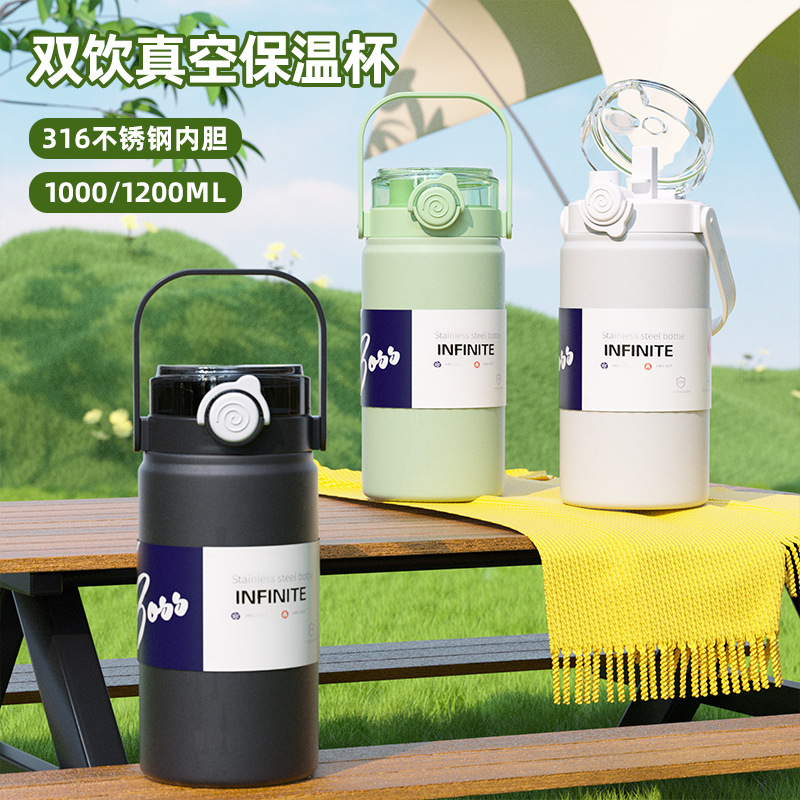
Contemporary thermos cups typically employ a double-wall vacuum insulation system. This design creates an airless space between two layers of stainless steel, dramatically reducing heat transfer through conduction and convection. Some premium models add copper or silver linings to further enhance thermal reflection properties.
Key Features That Set Premium Thermos Cups Apart
Vacuum Insulation: The Core Technology
The vacuum-sealed chamber remains the most critical component, eliminating air molecules that would otherwise conduct heat. This technology allows thermos cups to maintain temperatures for 6-12 hours or more, depending on usage conditions.
Material Selection: Stainless Steel Dominates
Most high-quality thermos cups use 18/8 food-grade stainless steel for its excellent thermal properties, corrosion resistance, and durability. Some models incorporate additional linings for improved flavor preservation or easier cleaning.
Lid Design: Balancing Function and Safety
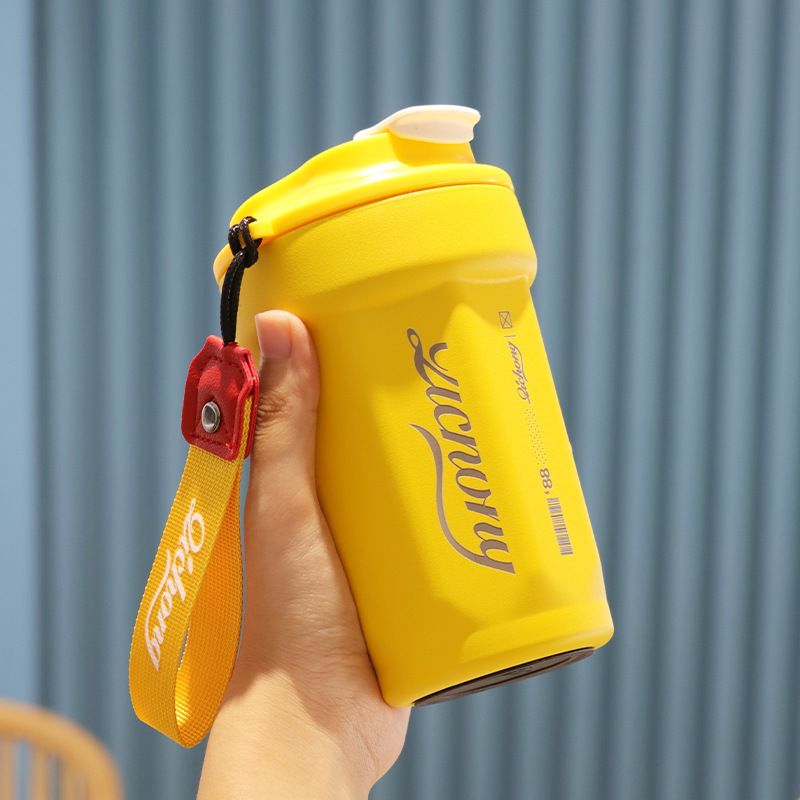
Modern lids often feature leak-proof mechanisms, drinking straws, or integrated handles. Many include silicone gaskets to prevent spills while maintaining insulation integrity. Some advanced designs even incorporate temperature sensors or digital displays.
Performance Metrics: What to Expect from Your Thermos Cup
Temperature Retention Capabilities
While exact performance varies by model, most premium thermos cups can keep beverages hot for 6-12 hours and cold for 12-24 hours. Factors like initial temperature, ambient conditions, and usage patterns affect these numbers.
Real-World Usage Scenarios
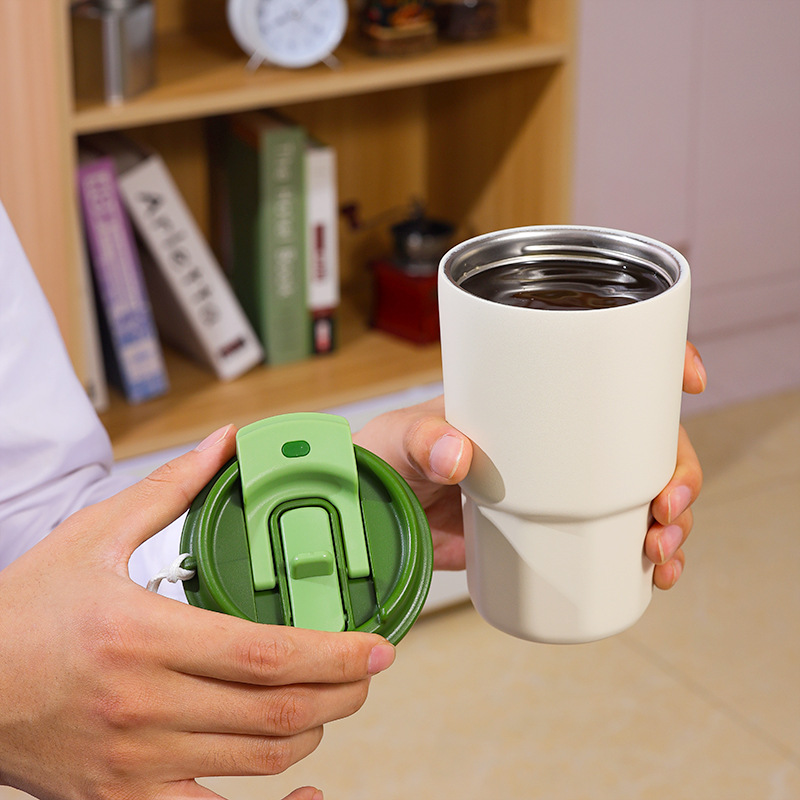
From morning coffee that stays piping hot until lunch to iced beverages that remain refreshingly cold during a full day’s hike, thermos cups adapt to various lifestyles. Commuters, campers, and office workers all benefit from their reliable performance.
Flavor Preservation: Beyond Temperature Control
The same insulation principles that maintain temperature also help preserve beverage flavors by preventing oxidation and contamination from external odors. This makes thermos cups particularly valuable for wine enthusiasts and tea connoisseurs.
Choosing the Right Insulated Thermos Cup for Your Needs
Daily Commuters: Balance of Size and Portability
For urban professionals, compact models with secure lids and easy-to-clean designs offer the perfect solution. Look for options that fit car cup holders and backpack pockets while maintaining adequate capacity.
Outdoor Enthusiasts: Durability and Insulation Performance
Hikers and campers need rugged constructions with wide mouths for ice addition and easy cleaning. Extended temperature retention becomes crucial during multi-day excursions.
Office Professionals: Aesthetics and Convenience
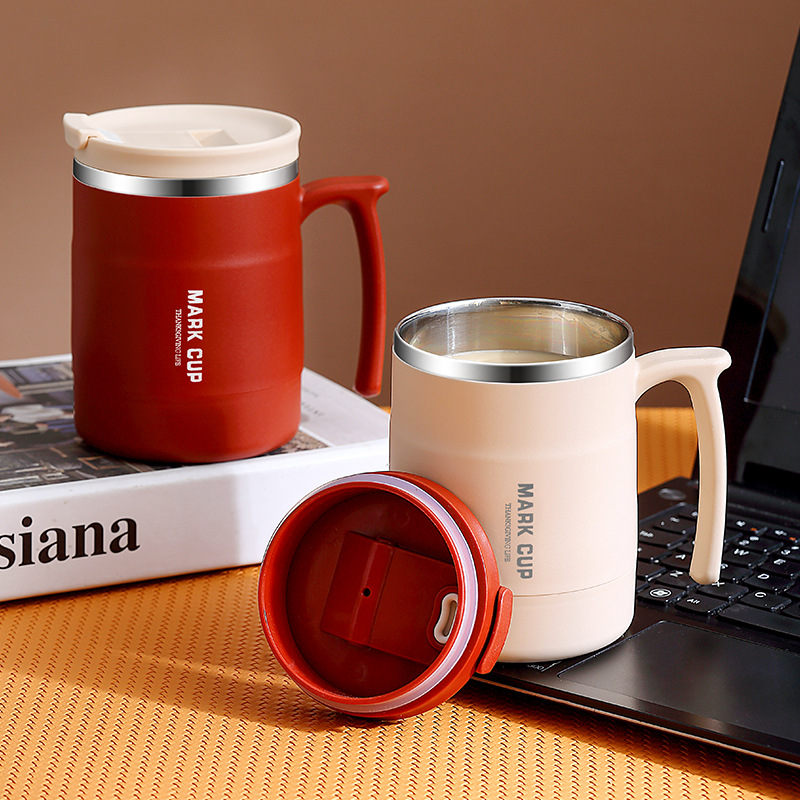
Workplace users often prioritize sleek designs, easy-to-open lids, and compatibility with office coffee machines. Some models include features like built-in infusers or tea strainers.
Maintenance and Long-Term Care
Proper Cleaning Techniques
While many thermos cups claim to be dishwasher safe, hand washing with mild soap and warm water typically extends their lifespan. Specialized brushes help clean hard-to-reach areas without damaging insulation seals.
Preventing Odor and Stain Buildup
Regular use of baking soda solutions or specialized cleaning tablets helps maintain freshness. Avoiding strongly colored or scented beverages can prevent long-term staining.
Storage Recommendations
When not in use, thermos cups should be stored with dry interiors and lids slightly ajar to prevent moisture buildup and maintain insulation integrity.
Environmental Impact and Sustainability
Reducing Single-Use Waste
By replacing disposable cups, thermos cups contribute significantly to waste reduction. Many users report saving dozens of disposable cups monthly, translating to substantial environmental benefits.
Material Sustainability
Stainless steel construction offers superior recyclability compared to plastic alternatives. Some manufacturers use recycled materials or offer take-back programs for end-of-life products.
Energy Efficiency Perspective
The energy saved by reducing reliance on heated beverages prepared multiple times daily adds up significantly over time, contributing to lower personal carbon footprints.
Conclusion: Making the Most of Your Insulated Thermos Cup
The insulated thermos cup represents more than just a container—it’s a temperature-controlled environment that enhances daily routines. Whether you’re seeking to enjoy your favorite beverage at the perfect temperature, reduce waste, or simply add convenience to your day, these remarkable devices deliver on multiple fronts. By understanding their technology and selecting the right model for your needs, you can transform ordinary hydration into an elevated experience.
How to purchase: https://looperbuy.com/search?keywords=insulated+thermos+cup&globalType=1688
Frequently Asked Questions (FAQs)
- How does an insulated thermos cup actually keep drinks hot or cold? The vacuum insulation creates an airless space between two walls of the container, eliminating the medium (air) that normally conducts heat. This prevents heat transfer through conduction and convection. Some models add reflective linings to minimize heat transfer through radiation, creating a comprehensive thermal barrier that maintains beverage temperatures for extended periods.
- What’s the difference between a thermos and a regular insulated cup? While both provide temperature retention, thermos cups typically offer superior insulation through vacuum-sealed chambers, often maintaining temperatures for 6-12 hours for hot beverages and 12-24 hours for cold ones. Regular insulated cups may use foam or double-wall insulation without vacuum sealing, providing shorter temperature retention (usually 2-4 hours) and less effective thermal protection.
- Can I put my thermos cup in the dishwasher? Many modern thermos cups are labeled dishwasher safe, but hand washing is generally recommended to prolong their lifespan. The high temperatures and harsh detergents in dishwashers can degrade seals and insulation over time. If you do use a dishwasher, place the cup on the top rack away from heating elements and avoid using abrasive cleaners.
- Why does my thermos cup sometimes have condensation on the outside? Condensation occurs when there’s a significant temperature difference between the beverage inside and the surrounding air. If you fill a cold thermos with ice water on a warm day, moisture in the air condenses on the exterior. Similarly, a hot thermos on a cold day will cause external condensation. This phenomenon doesn’t indicate a problem with your thermos—rather, it demonstrates its effective thermal insulation creating a temperature differential with the environment.
- How long should an insulated thermos cup last with proper care? With appropriate maintenance, a high-quality thermos cup can last 5-10 years or more. The stainless steel construction resists corrosion, and vacuum insulation, when properly maintained, can endure for decades. The limiting factors are typically the wear and tear on moving parts like lids and seals rather than the core insulation technology. Regular cleaning, proper storage, and avoiding extreme temperature shocks all contribute to extended lifespan.
Hot Tags: Insulated thermos cups; Temperature retention; Stainless steel drinkware; Eco-friendly hydration; Travel mugs; Vacuum insulation technology; Beverage preservation; Outdoor drinkware; Commuter cups; Sustainable drink containers