Table of Contents
Introduction: The Timeless Craft of Wood Carving
Wood carving stands as one of humanity’s oldest artistic traditions, transforming blocks of wood into exquisite sculptures, functional tools, and decorative pieces. At the heart of this craft lies an often underestimated hero—the wood carving knife. Far more than a simple cutting tool, the right wood carving knife serves as an extension of the carver’s hand, enabling precision, control, and artistic expression. This comprehensive guide delves into the world of wood carving knives, exploring their types, selection criteria, proper techniques, and maintenance practices to help both beginners and experienced carvers elevate their craft.
The Historical Significance of Wood Carving Tools
From Ancient Origins to Modern Craftsmanship
Wood carving dates back to prehistoric times when early humans first used sharp stones to shape wood for tools and ceremonial objects. As civilizations advanced, so did carving techniques and tools, with different cultures developing their unique styles and specialized implements. The evolution of wood carving knives mirrors the progression of artistic expression and technical innovation throughout human history.
The Role of Knives in Traditional Woodworking
In traditional woodworking shops, carving knives held a place of honor alongside chisels and gouges. Master craftsmen developed intimate relationships with their tools, often passing down cherished knives through generations. The quality of the knife directly influenced the quality of the final piece, making the selection and care of carving tools a serious undertaking for serious woodworkers.
Understanding Wood Carving Knife Anatomy
The Essential Components of a Quality Carving Knife
A typical wood carving knife consists of several key components working in harmony. The blade, usually made from high-carbon steel, features a carefully shaped cutting edge designed for specific tasks. The handle, often crafted from wood, horn, or synthetic materials, provides comfort and control. The tang—the part of the blade extending into the handle—ensures balance and strength.
Blade Shapes and Their Functional Differences
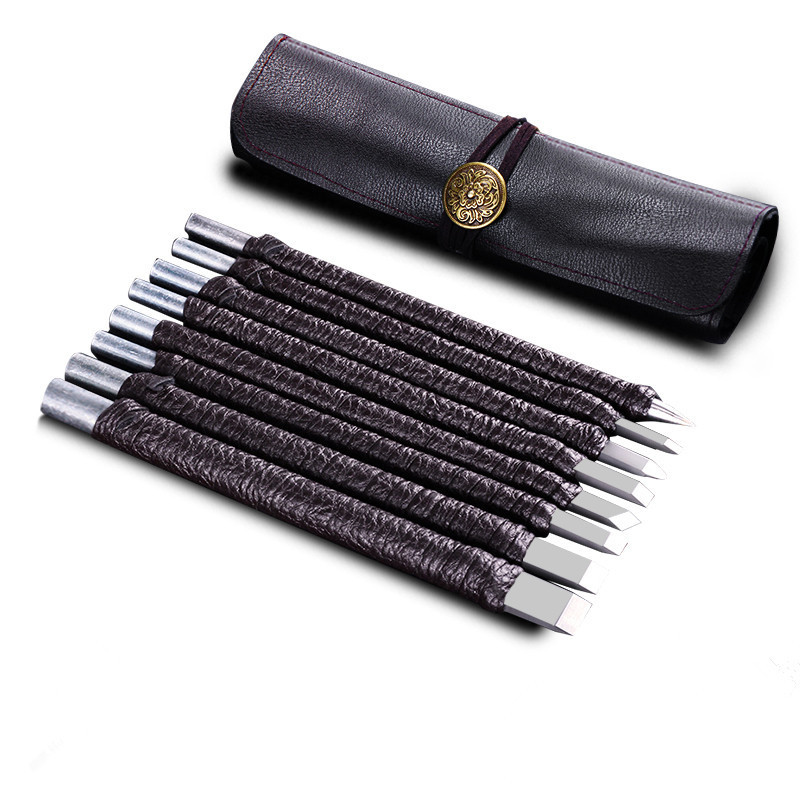
Carving knives come in various blade shapes, each engineered for particular carving techniques. The straight knife features a simple, straight edge ideal for roughing out shapes and making straight cuts. The curved knife, with its gently arcing blade, excels at detail work and concave cuts. Specialty knives like the gouge knife, with its scooped blade, create hollow areas and intricate details.
Types of Wood Carving Knives and Their Applications
Chip Carving Knives: Precision in Small Spaces
Chip carving knives feature short, wide blades with a straight or slightly curved edge. These specialized tools excel at creating intricate geometric patterns by removing small chips of wood from the surface. The compact design allows for precise control when working on detailed designs, making them favorites among decorative carvers.
Whittling Knives: The Traditional Carver’s Companion
Whittling knives typically have longer, narrower blades than chip carving knives, allowing for smoother, more fluid cuts. These versatile tools work well for creating figurines, spoons, and other three-dimensional pieces. The longer blade provides the reach needed for shaping larger pieces while maintaining control for fine details.
Relief Carving Knives: Bringing Depth to Flat Surfaces
Relief carving knives feature specially shaped blades designed to remove wood from flat surfaces while creating the illusion of depth. These knives often have curved or angled blades that allow carvers to work at different depths within the same piece, making them essential for creating scenes and images carved into wooden panels.
Carving Gouges and Chisels: Expanding Your Tool Kit
While technically distinct from knives, gouges and chisels are essential companions to any wood carver’s toolkit. Gouges feature curved cutting edges that excel at removing rounded sections of wood, while chisels have flat edges perfect for straight cuts and clean edges. Many carvers use these tools in conjunction with knives to achieve more complex effects.
Selecting the Perfect Wood Carving Knife
Factors to Consider When Choosing Carving Tools
Selecting the right wood carving knife involves more than simply picking the sharpest blade. Carvers must consider the type of wood they typically work with, the scale of their projects, and their personal comfort preferences. The weight, balance, and handle ergonomics of a knife all contribute to its usability and performance.
Matching Knife Characteristics to Your Carving Style
Different carving styles demand different tool characteristics. Fine detail work requires knives with extremely sharp, narrow blades that can make precise cuts without tearing the wood. Larger projects may benefit from heavier knives that can remove material more efficiently. Understanding your personal carving style helps guide your tool selection process.
Quality Indicators in Wood Carving Knives
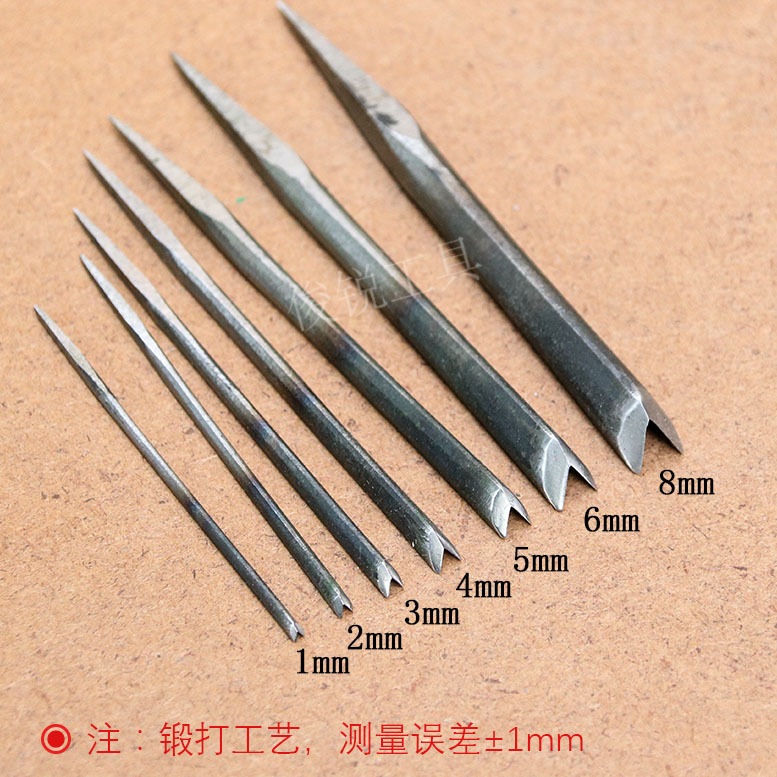
High-quality wood carving knives exhibit several distinguishing features. The blade should hold a sharp edge for extended periods without requiring frequent sharpening. The handle should feel comfortable in your hand, with no sharp edges or uncomfortable pressure points. The tang should extend through the entire handle for maximum strength and balance.
Proper Techniques for Using Wood Carving Knives
Grip and Posture: Foundations of Safe Carving
The foundation of effective wood carving lies in proper grip and posture. Carvers should hold the knife with a firm but relaxed grip, allowing for controlled movements. The angle of the blade relative to the wood surface significantly affects the quality of the cut and the safety of the carver.
Basic Cutting Strokes and Their Purposes
Mastering fundamental cutting strokes forms the basis of all wood carving techniques. The push stroke, where the carver pushes the knife away from their body, creates clean, controlled cuts. The pull stroke, where the knife is drawn toward the carver, offers greater precision for detailed work. Diagonal strokes combine elements of both for efficient material removal.
Safety Practices to Prevent Accidents
Wood carving, while rewarding, carries inherent risks. Carvers should always carve away from their body, keeping their free hand safely positioned behind the cutting edge. Using a carving glove on the non-dominant hand provides additional protection against accidental slips. Maintaining sharp blades actually increases safety, as dull knives require more force and are more likely to slip.
Maintaining and Sharpening Your Wood Carving Knives
Cleaning and Storage: Preserving Your Tools
Proper maintenance begins with immediate cleaning after each use. Wood resin and moisture can damage blades if left to accumulate. After cleaning, knives should be thoroughly dried and stored in a dry place, preferably in individual protective sheaths to prevent blade damage and accidental cuts.
Sharpening Methods for Optimal Performance
Keeping carving knives sharp requires regular attention. Sharpening stones, sometimes called whetstones, offer the most control for achieving the perfect edge angle. Diamond sharpeners provide faster results but require more skill to avoid over-sharpening. Regardless of the method, maintaining a consistent angle throughout the sharpening process is crucial.
When to Seek Professional Sharpening Services
While many carvers maintain their own tools, some situations call for professional sharpening services. Severely damaged blades, specialized knife profiles, or complete loss of edge may require expert attention. Professional sharpeners possess the equipment and experience to restore even badly damaged knives to like-new condition.

Conclusion: Elevating Your Craft with the Right Tools
The world of wood carving offers endless possibilities for creative expression, and the right set of carving knives serves as the key to unlocking this potential. By understanding the different types of carving knives, their specific applications, and proper maintenance techniques, carvers can ensure their tools remain in peak condition for years of satisfying work. Whether you’re a beginner exploring this ancient craft or an experienced artisan refining your techniques, investing in quality carving knives and mastering their use will significantly enhance your woodworking experience.
How to purchase: https://looperbuy.com/search?keywords=wood+carving+knives&globalType=1688
Frequently Asked Questions (FAQs)
- What characteristics distinguish a high-quality wood carving knife from an average one? High-quality wood carving knives demonstrate several superior characteristics that set them apart from average tools. The blade of a premium carving knife maintains its sharp edge significantly longer due to superior steel composition and precise heat treatment. The balance between blade and handle feels almost intuitive in the hand, reducing fatigue during extended carving sessions. Premium knives feature handles crafted from high-quality, durable materials that develop a comfortable patina with use rather than becoming slippery or uncomfortable. The tang of a high-end knife extends fully through the handle, providing maximum strength and preventing handle wobble during aggressive carving strokes. Finally, professional-grade carving knives exhibit meticulous attention to detail in their manufacturing, with perfectly aligned blades and smooth, flawless finishes that contribute to both performance and longevity.
- How many different types of wood carving knives should a beginner purchase initially? Beginning wood carvers often wonder how many tools they need to start their journey. Surprisingly, a surprisingly small collection of carefully selected knives can suffice for learning the fundamentals. Most beginners find that starting with three basic tools covers a remarkable range of carving possibilities. A straight knife serves as an excellent all-purpose tool for roughing out shapes and making straight cuts. A curved knife complements this by excelling at detail work and concave cuts. Adding a small gouge to this initial set opens up possibilities for creating hollow areas and adding dimensional elements to carvings. This basic trio provides the foundation for developing fundamental carving skills while keeping initial investment reasonable. As skills progress and specific project requirements emerge, carvers can gradually expand their collection with more specialized tools.
- What safety precautions should be followed when using wood carving knives? Wood carving involves sharp tools and potentially dangerous cutting actions, making safety precautions absolutely essential. The most fundamental safety measure involves always carving away from your body rather than toward it, which dramatically reduces the risk of accidental self-injury if the knife slips. Maintaining a relaxed grip on the knife allows for better control and quick reaction if the blade begins to slip. Keeping your free hand positioned safely behind the cutting edge, ideally protected by a specialized carving glove, prevents accidental cuts during detailed work. Working in a well-lit area ensures you can clearly see your cutting path and potential hazards. Regularly inspecting your knives for damage or dullness prevents unexpected tool failure during use. Finally, never carve while tired, distracted, or under the influence of medication that might affect your coordination or judgment, as these conditions significantly increase accident risk.
- How often should wood carving knives be professionally sharpened? The frequency with which wood carving knives require professional sharpening depends on several factors including usage intensity, the types of wood being carved, and the carver’s personal maintenance habits. As a general guideline, knives used daily in intensive carving sessions may need professional attention every 1-3 months to maintain optimal performance. Casual carvers who use their tools less frequently might only require professional sharpening two to four times per year. However, rather than waiting for noticeable dullness before seeking professional service, many experienced carvers recommend preventive maintenance—having knives inspected and touched up periodically even when they still seem sharp. This proactive approach prevents the gradual degradation of blade quality that occurs when knives become slightly dull and continue to be used, which can actually accelerate edge damage over time.
- Can wood carving knives be used for purposes other than wood carving? While wood carving knives excel at their intended purpose, attempting to use them for other materials or tasks can be problematic and potentially damaging to the tools. The specialized blade shapes and edge geometries of carving knives are specifically designed for working with wood fibers, and using them on harder materials like bone, antler, or metal can quickly ruin the delicate edge. Some carvers do use their tools for carving soapstone or other soft materials during the design phase of projects, but even this should be done cautiously. Importantly, using carving knives for non-wood materials often voids manufacturer warranties and can create safety hazards due to unexpected tool behavior. For tasks outside wood carving, it’s always best to use tools specifically designed for those materials to maintain both safety and tool integrity.
Hot Tags: Wood carving knives; Carving tool guide; Woodworking techniques; Chip carving tools; Whittling knives; Relief carving tools; Carving knife maintenance; Artisan woodworking; Handmade crafts; Traditional craftsmanship