Table of Contents
Understanding Drop Shipping
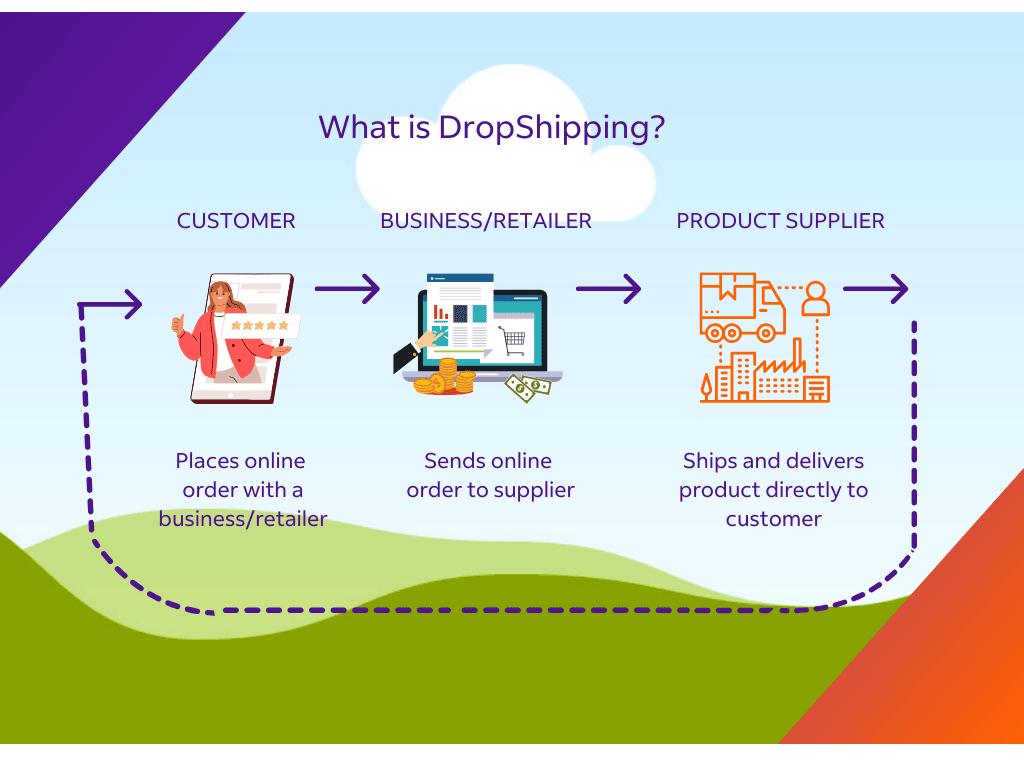
Drop shipping is a retail fulfillment method where a store doesn’t keep the products it sells in stock. Instead, when a store sells a product, it purchases the item from a third party and has it shipped directly to the customer. This means that the seller never sees or handles the product. This business model has gained immense popularity due to its low overhead costs and the ability to operate without a physical storefront.
How Drop Shipping Works
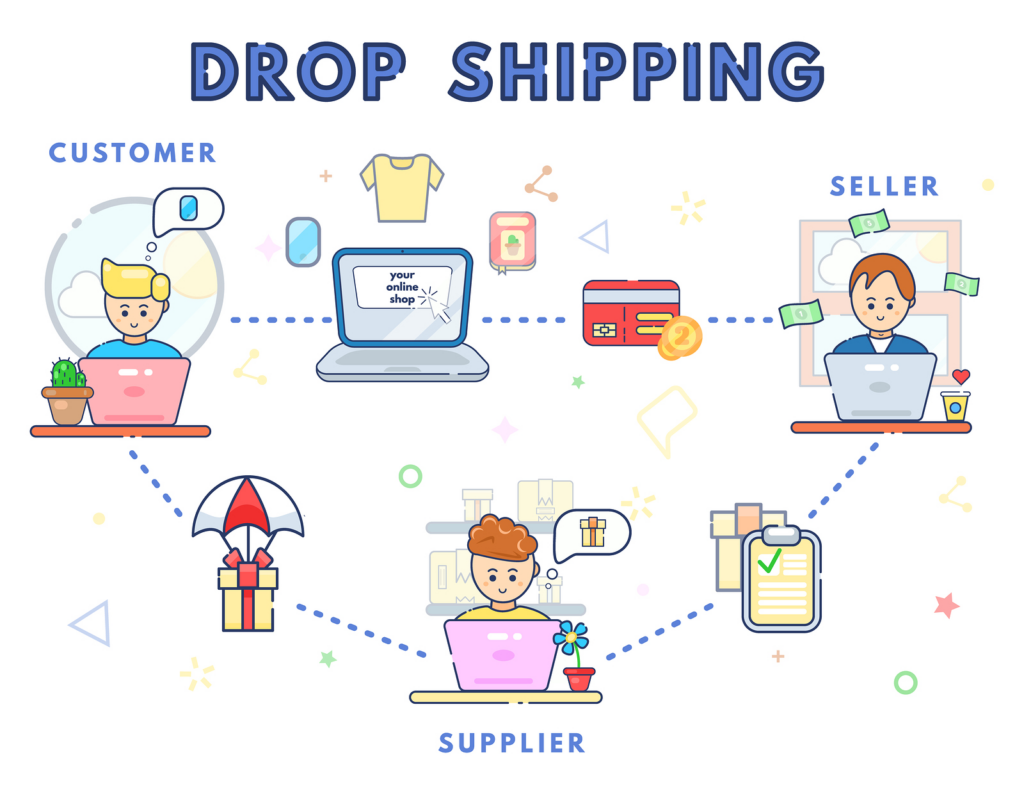
The drop shipping process is relatively straightforward. Here’s a step-by-step breakdown:
- Customer Places an Order: A customer visits your online store and places an order for a product.
- Order Notification: You receive a notification of the order and payment.
- Supplier Notification: You then forward the order details to your supplier, who will fulfill the order on your behalf.
- Shipping: The supplier ships the product directly to the customer.
- Profit Margin: You keep the difference between the retail price and the wholesale price paid to the supplier.
This model allows entrepreneurs to start a business with minimal investment, as there is no need to purchase inventory upfront.
Advantages of Drop Shipping
Low Startup Costs
One of the most significant advantages of drop shipping is the low barrier to entry. Entrepreneurs can start an online store without the need for substantial capital investment. There’s no need to purchase inventory upfront, which reduces financial risk.
Flexibility and Scalability
Drop shipping offers flexibility in terms of location and scalability. As long as you have an internet connection, you can manage your business from anywhere in the world. Additionally, as your business grows, you can easily scale your operations without the need for additional physical space or inventory.
Wide Product Selection
With drop shipping, you can offer a wide range of products without the need to stock them. This allows you to test different products and niches without committing to large inventory purchases. You can quickly adapt to market trends and customer preferences.
Reduced Risk
Since you don’t hold inventory, the risk of unsold stock is significantly reduced. If a product doesn’t sell, you can simply stop offering it without incurring losses from unsold inventory.
Challenges of Drop Shipping
Low Profit Margins
While drop shipping has many advantages, it also comes with challenges. One of the most significant drawbacks is the low profit margins. Since you are purchasing products at wholesale prices, the profit margin can be slim, especially in competitive markets.
Inventory Management Issues
Another challenge is managing inventory. Since you rely on suppliers to fulfill orders, you may face issues with stock availability. If a supplier runs out of stock, it can lead to delays in shipping and dissatisfied customers.
Shipping Complexities
Shipping can also be complicated in a drop shipping model. If you work with multiple suppliers, shipping costs and times can vary significantly. This can lead to confusion for customers and complicate your logistics.
Customer Service Challenges
As a drop shipper, you are responsible for customer service, even though you don’t handle the products. If there are issues with shipping or product quality, you must address these concerns, which can be challenging when you don’t have direct control over the fulfillment process.
Strategies for Success in Drop Shipping
Choose the Right Niche
Selecting the right niche is crucial for success in drop shipping. Research market trends and identify products that have high demand but low competition. Consider your interests and expertise, as this can help you connect with your target audience.
Conduct Market Research
To choose the right niche, conduct thorough market research. Use tools like Google Trends, social media insights, and keyword research tools to identify trending products. Look for gaps in the market where customer needs are not being met. This can help you find a niche that is both profitable and sustainable.
Analyze Competitors
Once you have identified potential niches, analyze your competitors. Look at their product offerings, pricing strategies, and marketing tactics. Understanding what works for them can provide valuable insights into how to position your own store.
Build Strong Supplier Relationships
Establishing strong relationships with reliable suppliers is essential. Communicate regularly and ensure they understand your business needs. A good supplier can help you manage inventory effectively and provide quality products to your customers.
Vetting Suppliers
Before partnering with a supplier, conduct thorough vetting. Check their reputation, read reviews, and request samples of their products. This will help you ensure that they can meet your quality standards and fulfill orders promptly.
Negotiate Terms
Once you find a reliable supplier, negotiate favorable terms. Discuss pricing, shipping times, and return policies. Having clear agreements in place can prevent misunderstandings and ensure a smooth working relationship.
Optimize Your Online Store
Your online store is your primary sales channel, so it’s essential to optimize it for conversions. Use high-quality images, detailed product descriptions, and customer reviews to build trust. Implement SEO strategies to improve your store’s visibility in search engines.
User Experience Design
Focus on creating a user-friendly website. Ensure that your site is easy to navigate, with clear categories and a straightforward checkout process. A well-designed website can significantly improve conversion rates.
Mobile Optimization
With the increasing use of mobile devices for online shopping, ensure that your store is mobile-friendly. A responsive design will provide a seamless shopping experience for customers on smartphones and tablets.
Focus on Marketing
Effective marketing is key to driving traffic to your online store. Utilize social media, email marketing, and paid advertising to reach your target audience. Consider influencer partnerships to expand your reach and credibility.
Social Media Marketing
Leverage platforms like Instagram, Facebook, and Pinterest to showcase your products. Create engaging content that resonates with your audience and encourages them to share your brand. Use targeted ads to reach specific demographics and drive traffic to your store.
Email Marketing
Build an email list to keep your customers informed about new products, promotions, and updates. Use personalized email campaigns to engage your audience and encourage repeat purchases. Email marketing can be a powerful tool for driving sales and building customer loyalty.
Provide Excellent Customer Service
Customer service can make or break your drop shipping business. Respond promptly to customer inquiries and address any issues that arise. Building a reputation for excellent customer service can lead to repeat business and positive reviews.
Implement a Customer Support System
Consider using customer support software to manage inquiries efficiently. This can help you track customer interactions and ensure timely responses. Providing multiple channels for customer support, such as live chat, email, and phone, can enhance the customer experience.
Gather Feedback
Encourage customers to provide feedback on their shopping experience. Use surveys and reviews to gather insights into what you’re doing well and where you can improve. This feedback can help you refine your processes and enhance customer satisfaction.
Advanced Strategies for Growth
Utilize Data Analytics
Data analytics can provide valuable insights into your business performance. Use analytics tools to track website traffic, conversion rates, and customer behavior. This data can help you make informed decisions about product offerings, marketing strategies, and customer engagement.
A/B Testing
Implement A/B testing to optimize your website and marketing campaigns. Test different elements, such as product descriptions, images, and call-to-action buttons, to see what resonates best with your audience. This iterative approach can lead to continuous improvement and higher conversion rates.
Expand Your Product Range
As your business grows, consider expanding your product range. Introduce complementary products that align with your existing offerings. This can increase average order value and attract new customers.
Seasonal Products
Incorporate seasonal products into your inventory to capitalize on trends and holidays. For example, offer holiday-themed items during the festive season or summer essentials during warmer months. This can help you stay relevant and meet customer demands.
Explore New Sales Channels
In addition to your online store, explore new sales channels to reach a broader audience. Consider selling on marketplaces like Amazon, eBay, or Etsy. These platforms can provide additional exposure and drive traffic to your brand.
Social Commerce
Leverage social media platforms that offer shopping features, such as Instagram Shopping and Facebook Shops. This allows customers to purchase directly from your social media profiles, streamlining the shopping experience.
Build a Brand
Creating a strong brand identity can differentiate your drop shipping business from competitors. Develop a unique brand voice, logo, and visual elements that resonate with your target audience. A strong brand can foster customer loyalty and encourage repeat purchases.
Content Marketing
Invest in content marketing to establish your brand as an authority in your niche. Create valuable content, such as blog posts, videos, and guides, that educates and engages your audience. This can drive organic traffic to your site and enhance your brand’s credibility.
Conclusion
Drop shipping can be a lucrative business model for entrepreneurs willing to navigate its challenges. By understanding the mechanics of drop shipping, leveraging its advantages, and implementing effective strategies, you can build a successful online store. Remember to focus on niche selection, supplier relationships, marketing, and customer service to maximize your chances of success. With dedication and the right approach, you can turn your drop shipping venture into a thriving business.
As you embark on your drop shipping journey, remember that the right products can make all the difference in your success—explore a wide range of trending items at unbeatable prices to elevate your online store today! Check it out here: LooperBuy.
Article Summary
This article provides a comprehensive overview of drop shipping, detailing its workings, advantages, and challenges. It offers strategies for success, emphasizing the importance of niche selection, supplier relationships, and effective marketing. Entrepreneurs can leverage drop shipping to build a profitable online business with minimal investment. The article also explores advanced strategies for growth, including data analytics, product expansion, and brand building.
Hot Tags: Drop Shipping; E-commerce; Online Business; Retail Fulfillment; Supplier Relationships; Inventory Management; Customer Service; Marketing Strategies; Niche Selection; Profit Margins; Shipping Solutions; Business Model; Startup Costs; Digital Marketing; Product Selection; Market Trends; Business Growth; E-commerce Platforms; Sales Strategies; Customer Experience; Brand Building; Online Store Optimization; Social Media Marketing; Influencer Marketing; SEO Strategies; Business Challenges; Entrepreneurial Success; E-commerce Trends; Business Strategies; Online Retail; Data Analytics; Content Marketing
Related Questions & Answers
· What is drop shipping?
Drop shipping is a retail fulfillment method where a store sells products without holding inventory, purchasing items from a third party that ships directly to customers.
· What are the main advantages of drop shipping?
The main advantages include low startup costs, flexibility, a wide product selection, and reduced risk associated with unsold inventory.
· What challenges do drop shippers face?
Challenges include low profit margins, inventory management issues, shipping complexities, and customer service responsibilities.
· How can I succeed in drop shipping?
To succeed, choose the right niche, build strong supplier relationships, optimize your online store, focus on marketing, and provide excellent customer service.
· Is drop shipping a profitable business model?
Yes, drop shipping can be profitable, but it requires careful management of costs, supplier relationships, and effective marketing strategies to maximize profit margins.