Table of Contents
Introduction to Drop Shipping
Drop shipping is a business model where you sell products without holding inventory. When a customer places an order, you forward it to a supplier who ships the product directly to the customer. This model reduces upfront costs and risks associated with inventory management. It allows entrepreneurs to start an online business with minimal investment and focus on marketing and sales rather than logistics.
How Drop Shipping Works
The Basic Process
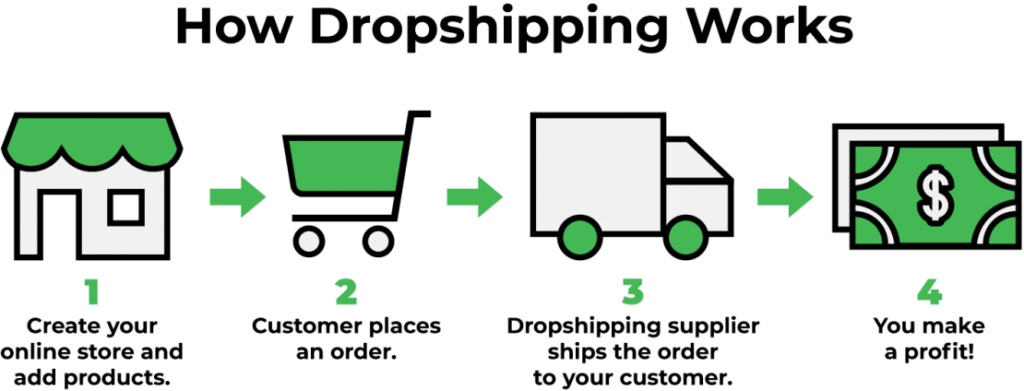
- Find a Supplier: Identify reliable suppliers who offer products you want to sell. This can be done through supplier directories, marketplaces, or specialized drop shipping platforms. For example, AliExpress, SaleHoo, and Worldwide Brands are popular platforms for finding drop shipping suppliers.
- Set Up an Online Store: Create an online store using e-commerce platforms like Shopify, WooCommerce, or Wix. These platforms offer user-friendly interfaces and tools to help you design a professional-looking store without requiring technical expertise. You can list the products from your supplier’s catalog on your store.
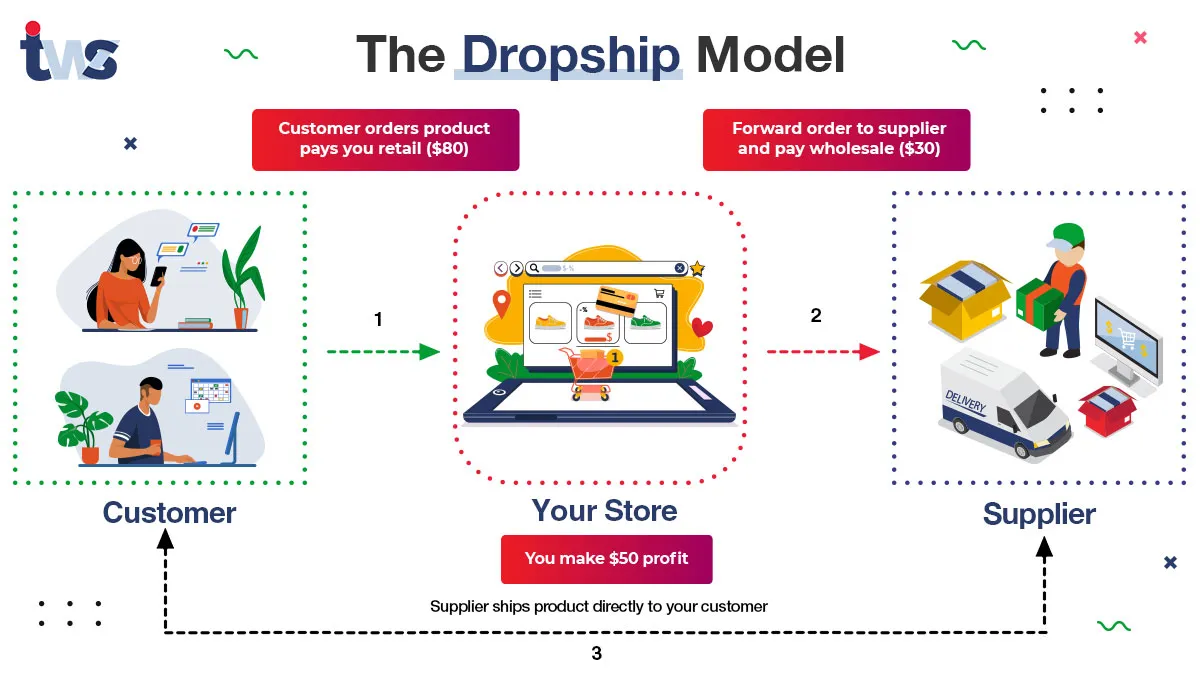
- Customer Orders: When a customer places an order on your store, you receive the payment and the order details.
- Forward the Order to the Supplier: Manually or automatically (using a drop shipping app) forward the order to your supplier. The supplier then packages and ships the product directly to the customer.
- Supplier Ships the Product: The supplier handles the shipping process, and the customer receives the product. You earn a profit from the difference between the retail price you charged the customer and the wholesale price you paid the supplier.
Key Players in the Drop Shipping Model
- Drop Shipper (You): The entrepreneur who sets up the online store, markets the products, and handles customer interactions. Your main responsibilities include product selection, store management, marketing, and customer service.
- Supplier: The third-party company that stores, packages, and ships the products. They can be individual manufacturers, wholesalers, or specialized drop shipping companies. Reliable suppliers are crucial for the success of your drop shipping business, as they ensure timely delivery of quality products.
- Customer: The end buyer who purchases products from your online store. Providing a good customer experience is essential for building a loyal customer base and encouraging repeat business.
Steps to Start a Drop Shipping Business
Choose a Niche and Products
Selecting the right niche and products is vital for the success of your drop shipping business. Consider the following steps:
- Identify a Profitable Niche: Look for niches with consistent demand, low competition, and passionate customer bases. Examples include fitness equipment, pet supplies, eco-friendly products, or niche hobbies. Research market trends using tools like Google Trends, Amazon Best Sellers, or AliExpress Hot Products.
- Evaluate Product Profitability and Sourcing: Choose products that offer good profit margins and are available from reliable suppliers. Consider factors such as product cost, retail price, competition, and supplier reputation. Some popular product categories include fashion accessories, home decor, electronics gadgets, and health and beauty products.
Find and Partner with Suppliers
Establishing strong relationships with reliable suppliers is crucial for your drop shipping business. Here’s how to find and partner with suppliers:
- Search for Suppliers: Use supplier directories. These platforms provide access to a wide range of suppliers offering various products. You can also attend trade shows or join online forums and communities to discover potential suppliers.
- Evaluate Supplier Reliability: Research supplier reviews, ratings, and credentials to ensure they are trustworthy and reliable. Check their shipping times, product quality, customer service, and communication skills. Request product samples if possible to assess the quality firsthand.
- Negotiate Terms and Conditions: Discuss and agree on terms such as pricing, minimum order quantities, shipping methods, return policies, and payment terms. Some suppliers may offer better rates for larger order volumes or long-term partnerships. Ensure the terms align with your business model and profit margins.
Set Up Your Online Store
Your online store is the face of your business, so it’s important to set it up properly. Follow these steps:
- Choose an E-commerce Platform: Popular options include Shopify, WooCommerce (for WordPress), and Wix. These platforms offer various features, templates, and tools to help you create a professional and user-friendly store. Consider factors such as ease of use, customization options, pricing plans, and available integrations.
- Design Your Store: Customize the appearance of your store with a professional theme, logo, color scheme, and high-quality product images. Ensure your store is mobile-responsive, as a significant portion of online shopping is done via mobile devices. The design should reflect your brand identity and create a positive impression on customers.
- Add Products to Your Store: Import product listings from your supplier’s catalog into your store. Include detailed product descriptions, specifications, prices, and high-quality images. Use SEO-friendly product titles and descriptions to improve your store’s visibility in search engine results.
Implement Marketing Strategies
Effective marketing is essential to attract customers and drive sales. Consider the following marketing strategies:
- Social Media Marketing: Leverage platforms like Facebook, Instagram, Twitter, and Pinterest to promote your products. Create engaging content, such as product showcases, tutorials, customer testimonials, and promotional offers. Use targeted ads to reach your desired audience and drive traffic to your store.
- Search Engine Optimization (SEO): Optimize your store’s content, product descriptions, and blog posts with relevant keywords to improve your search engine rankings. This will help your store appear higher in search results when potential customers search for products related to your niche.
- Email Marketing: Build an email list by offering incentives such as discounts or free guides. Send regular newsletters with updates, promotions, and personalized product recommendations to keep your subscribers engaged and encourage repeat purchases.
- Influencer Marketing: Collaborate with influencers in your niche who can promote your products to their followers. This can help you reach a wider audience and build credibility for your brand.
Manage Your Business Operations
Efficient business management is key to the success of your drop shipping business. Focus on the following aspects:
- Financial Management: Open a separate business bank account to keep your personal and business finances separate. This simplifies accounting, tracking expenses, and managing cash flow. Consider using accounting software to help with bookkeeping and financial reporting. Monitor your profit margins regularly and adjust your pricing or costs as needed to maintain profitability.
- Customer Service: Provide excellent customer service by responding promptly to inquiries, resolving issues, and ensuring customer satisfaction. Set up an efficient ticketing system or use live chat tools to assist customers in real-time. Handle returns and refunds promptly and professionally to maintain a good reputation.
- Business Registration and Compliance: Register your business legally and obtain any necessary permits or licenses. Ensure compliance with tax regulations, consumer protection laws, and data privacy regulations such as GDPR. Protect your brand by securing relevant trademarks or copyrights if applicable.
Strategies for Success in Drop Shipping
Niche Selection and Product Sourcing
- Focus on Trends and Demand: Continuously research market trends and customer preferences to identify profitable niches and products. Tools like Google Keyword Planner, SEMrush, and Jungle Scout can help you analyze search volumes, competition levels, and market demand.
- Diversify Product Offerings: Expand your product catalog over time to offer a wider range of options to your customers. This can help increase average order values and reduce dependency on a limited number of products. However, ensure that new products align with your niche and brand image.
- Work with Multiple Suppliers: Partner with multiple suppliers to source a diverse range of products and reduce the risk of stockouts. Different suppliers may offer varying product ranges, pricing structures, and shipping capabilities, allowing you to optimize your product offerings and fulfillment process.
Marketing and Customer Acquisition
- Content Marketing: Create valuable content such as blogs, videos, and infographics related to your niche. This can help establish your brand as an authority in the industry, attract organic traffic, and improve customer engagement. For example, if you’re selling fitness equipment, create content on workout routines, exercise tips, or healthy lifestyle advice.
- Paid Advertising: Invest in targeted paid advertising campaigns on platforms like Google Ads, Facebook Ads, and Instagram Ads. Use retargeting strategies to re-engage visitors who have previously visited your store but didn’t make a purchase. Continuously test and optimize your ad creatives, targeting criteria, and budgets to maximize ROI.
- Loyalty Programs: Implement loyalty programs to reward repeat customers and encourage customer retention. Offer points, discounts, or exclusive perks for loyal customers to incentivize them to continue shopping with you. Referral programs can also help you acquire new customers through word-of-mouth marketing.
Operational Efficiency and Risk Management
- Automate Processes: Use automation tools and apps to streamline repetitive tasks such as order processing, inventory management, and customer notifications. This can save time, reduce errors, and improve overall operational efficiency. Many e-commerce platforms offer integrations with automation tools like Zapier or specialized drop shipping apps like DSers.
- Inventory Management: Monitor stock levels closely and maintain a balance between meeting customer demand and avoiding stockouts. Some drop shipping apps provide real-time inventory updates from suppliers, allowing you to adjust your product availability accordingly. Consider implementing safety stock levels for popular products to minimize the risk of stockouts.
- Supplier Management: Regularly communicate with your suppliers and maintain strong relationships. Stay updated on their inventory levels, product updates, and shipping capabilities. Have backup suppliers in place to handle unexpected situations such as stock shortages or shipping delays.
Common Challenges in Drop Shipping and How to Overcome Them
Lower Profit Margins
Due to the competitive nature of drop shipping, profit margins can sometimes be slim. To overcome this:
- Optimize Product Selection: Choose products with higher profit margins and less competition. Avoid commoditized products with low price points and focus on value-added or niche products that allow for higher pricing.
- Increase Sales Volume: Drive more traffic to your store through effective marketing strategies and conversion rate optimization. Higher sales volumes can help compensate for lower profit margins per product.
- Negotiate Better Supplier Rates: Build strong relationships with your suppliers and negotiate better pricing terms, especially as your order volumes increase. Request volume discounts, longer payment terms, or exclusive deals to improve your profit margins.
Inventory Volatility
Suppliers may experience stock fluctuations, leading to potential stockouts on your end. To mitigate this:
- Diversify Suppliers: Work with multiple suppliers for the same or similar products to reduce dependence on a single supplier. This way, if one supplier runs out of stock, you can still fulfill orders through another supplier.
- Monitor Inventory Levels: Regularly track inventory levels using supplier portals or drop shipping apps that provide real-time updates. Set up alerts for low stock levels to take proactive measures.
- Communicate with Customers: Be transparent with customers about potential delays or stock issues. Provide regular updates and manage expectations to maintain customer satisfaction.
Shipping Complexities
Managing shipping logistics, especially with multiple suppliers and international shipments, can be challenging. Here’s how to handle it:
- Choose Reliable Suppliers: Partner with suppliers who offer reliable shipping services and have good logistics capabilities. Research their shipping times, shipping carriers, and customer service related to shipping.
- Implement Clear Shipping Policies: Clearly communicate your shipping policies, including shipping costs, delivery times, and return policies, on your website. This helps set customer expectations and reduces potential disputes.
- Use Shipping Aggregators: Consider using shipping aggregator services that can consolidate shipments from multiple suppliers and offer better shipping rates. This can simplify the shipping process and provide more consistent delivery times.
Conclusion
Drop shipping offers a flexible and cost-effective way to start an online business. By understanding how the model works, following the steps to set up your business, and implementing effective strategies, you can overcome common challenges and achieve success in the competitive e-commerce landscape. With dedication, hard work, and continuous learning, drop shipping can become a profitable venture that allows you to grow your online presence and achieve your entrepreneurial goals.
If you want to enhance your drop shipping efficiency, directly connect with China Quality Inventory 1688 and enjoy high-quality factory prices for your products,you can use looperbuy, a one-stop purchasing-logistics solution:https://looperbuy.com/
Related Questions & Answers
· How do I find reliable drop shipping suppliers?
You can find reliable drop shipping suppliers through some platforms . Research supplier reviews, ratings, and credentials. Request product samples if possible to assess quality firsthand. Also, consider attending trade shows or joining online forums to discover potential suppliers.
· What are the key steps to set up a drop shipping store?
The key steps include choosing a niche and products, finding and partnering with suppliers, setting up your online store using an e-commerce platform, implementing marketing strategies, and managing your business operations. Remember to focus on financial management, customer service, and legal compliance.
· How can I increase profit margins in drop shipping?
To increase profit margins, optimize product selection by choosing higher-margin products, drive more sales volume through effective marketing, and negotiate better rates with suppliers. Avoid commoditized products and focus on value-added or niche products that allow for higher pricing.
· What are the best marketing strategies for drop shipping?
Effective marketing strategies include social media marketing, search engine optimization, email marketing, and influencer collaborations. Create engaging content, use targeted ads, optimize your store for search engines, build an email list, and partner with influencers to reach a wider audience.
· How do I handle shipping issues in drop shipping?
Choose reliable suppliers with good logistics capabilities, implement clear shipping policies on your website, and use shipping aggregator services to simplify the process. Communicate transparently with customers about shipping times and potential delays to manage expectations.
Hot Tags: Drop Shipping Business Model; Online Store Setup; E-commerce Marketing Strategies; Supplier Sourcing; Profit Margin Optimization; Inventory Management; Shipping Solutions; Customer Service Tips; Drop Shipping Apps