Starting a dropshipping business can be an exciting venture, especially with the right platform. In this guide, we will explore the best platforms to start dropshipping, their features, and how to choose the one that fits your needs. Whether you are a beginner or looking to switch platforms, this article will provide you with the insights you need to make an informed decision.
Table of Contents
Understanding Dropshipping
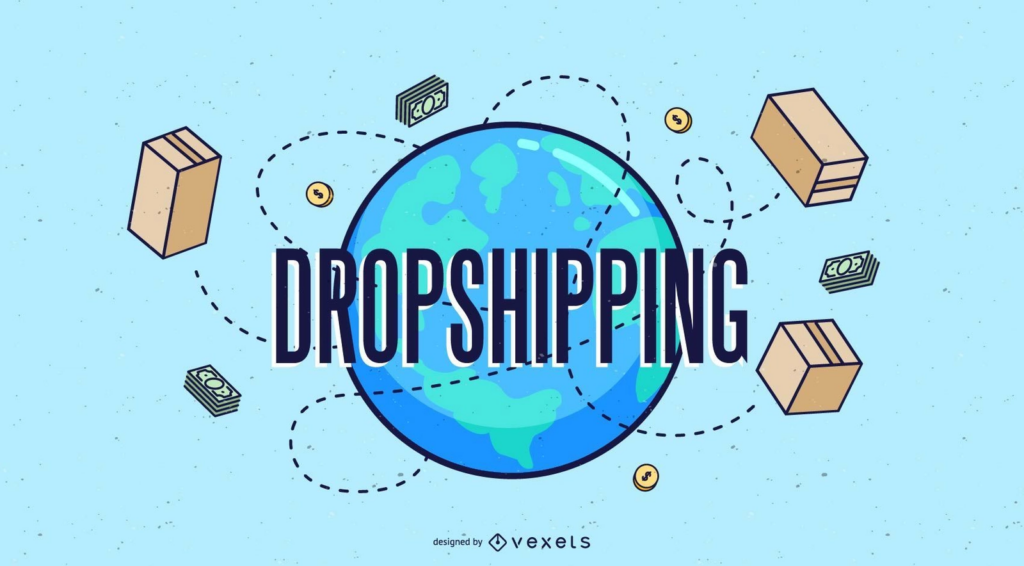
Dropshipping is a retail fulfillment method where a store does not keep the products it sells in stock. Instead, when a store sells a product, it purchases the item from a third party and has it shipped directly to the customer. This means that the seller does not have to handle the product directly, making it a low-risk business model.
Benefits of Dropshipping
- Low Startup Costs: You don’t need to invest in inventory upfront.
- Wide Product Selection: You can offer a variety of products without worrying about storage.
- Flexibility: You can run your business from anywhere with an internet connection.
- Scalability: You can easily scale your business without the need for additional resources.
Key Features to Look for in a Dropshipping Platform
When choosing a dropshipping platform, consider the following features:
User-Friendly Interface
A platform with an intuitive interface will make it easier for you to manage your store, add products, and process orders.
Integration with Suppliers
Look for platforms that integrate with reliable suppliers to ensure a smooth order fulfillment process.
Payment Options
Ensure the platform supports multiple payment gateways to cater to a wider audience.
Customer Support
Good customer support is essential, especially for beginners who may need assistance.
Pricing Structure
Consider the platform’s pricing model, including subscription fees, transaction fees, and any additional costs.
Top Platforms for Starting Dropshipping
Shopify
Shopify is one of the most popular eCommerce platforms for dropshipping. It offers a user-friendly interface, a wide range of themes, and numerous apps to enhance your store’s functionality.
Key Features of Shopify
- Easy Setup: Shopify allows you to set up your store quickly with its step-by-step guide.
- App Store: Access to a vast app store to add functionalities like email marketing, inventory management, and more.
- Payment Processing: Supports multiple payment gateways, including Shopify Payments, PayPal, and Stripe.
WooCommerce
WooCommerce is a WordPress plugin that turns your site into a fully functional eCommerce store. It is ideal for those who are already familiar with WordPress.
Key Features of WooCommerce
- Customization: Highly customizable with numerous themes and plugins.
- Cost-Effective: The plugin is free, but you may incur costs for hosting and additional features.
- SEO Friendly: Built on WordPress, it offers excellent SEO capabilities.
BigCommerce
BigCommerce is another robust platform that caters to businesses of all sizes. It is known for its scalability and built-in features.
Key Features of BigCommerce
- No Transaction Fees: Unlike some platforms, BigCommerce does not charge transaction fees.
- Multi-Channel Selling: Sell on various platforms like Amazon, eBay, and social media.
- Advanced SEO Features: Built-in SEO tools to help your store rank higher in search engines.
Wix
Wix is a website builder that also offers eCommerce capabilities. It is suitable for beginners who want a simple drag-and-drop interface.
Key Features of Wix
- Drag-and-Drop Builder: Easy to use, allowing you to design your store without coding.
- Integrated Marketing Tools: Built-in tools for email marketing and social media integration.
- Affordable Plans: Various pricing plans to suit different budgets.
Zendrop
Zendrop is a newer platform that focuses on simplifying the dropshipping process. It offers features tailored for dropshippers.
Key Features of Zendrop
- Fast Shipping: Offers fast shipping options to enhance customer satisfaction.
- Product Sourcing: Helps you find and source products easily.
- Automated Fulfillment: Streamlines the order fulfillment process.
How to Choose the Right Platform for Your Dropshipping Business
Choosing the right platform depends on your specific needs and goals. Here are some steps to help you decide:
Assess Your Business Model
Consider the type of products you want to sell and your target audience. Some platforms are better suited for specific niches.
Evaluate Your Budget
Determine how much you are willing to spend on platform fees, apps, and marketing. This will help narrow down your options.
Test the Platform
Most platforms offer free trials. Take advantage of these to explore the features and see if it meets your needs.
Read Reviews and Testimonials
Look for reviews from other users to understand their experiences with the platform. This can provide valuable insights.
Marketing Your Dropshipping Business
Once you have chosen a platform, the next step is to market your dropshipping business effectively. Here are some strategies to consider:
Social Media Marketing
Utilize platforms like Facebook, Instagram, and Pinterest to promote your products. Create engaging content that resonates with your target audience and encourages them to visit your store.
Search Engine Optimization (SEO)
Optimize your website for search engines to increase organic traffic. Use relevant keywords in your product descriptions, blog posts, and meta tags to improve your visibility.
Email Marketing
Build an email list and send regular newsletters to your subscribers. Share promotions, new product launches, and valuable content to keep your audience engaged.
Influencer Marketing
Collaborate with influencers in your niche to reach a wider audience. Influencers can help promote your products to their followers, increasing your brand’s visibility.
Paid Advertising
Consider using paid advertising on platforms like Google Ads or Facebook Ads to drive targeted traffic to your store. Set a budget and monitor your campaigns to ensure a good return on investment.
Common Pitfalls to Avoid When Starting a Dropshipping Business
While dropshipping can be a lucrative business model, there are common pitfalls that new entrepreneurs should avoid:
Lack of Research
Failing to research your niche and target audience can lead to poor product selection and marketing strategies. Take the time to understand your market before launching.
Ignoring Customer Service
Customer service is crucial in eCommerce. Ensure you have a system in place to handle inquiries, returns, and complaints promptly.
Overlooking Shipping Times
Long shipping times can lead to dissatisfied customers. Choose suppliers that offer fast shipping options and communicate estimated delivery times clearly.
Not Testing Products
Before launching a product, test it to ensure quality. Poor-quality products can damage your brand’s reputation and lead to returns.
Failing to Adapt
The eCommerce landscape is constantly changing. Stay informed about industry trends and be willing to adapt your strategies as needed.
Automating Your Dropshipping Business
Automation can significantly enhance the efficiency of your dropshipping business. Here are some areas where you can implement automation:
Order Fulfillment Automation
Many dropshipping platforms offer automated order fulfillment features. This means that when a customer places an order, the system automatically sends the order details to the supplier, reducing manual work and speeding up the process.
Inventory Management
Automated inventory management tools can help you keep track of stock levels in real-time. This ensures that you never oversell products and helps maintain customer satisfaction.
Customer Relationship Management (CRM)
Using a CRM system can help you manage customer interactions and data throughout the customer lifecycle. Automating follow-ups, feedback requests, and customer support can enhance customer relationships and retention.
Marketing Automation
Implement marketing automation tools to schedule social media posts, send email campaigns, and track customer engagement. This allows you to focus on other aspects of your business while maintaining consistent communication with your audience.
Effective Strategies for Scaling Your Dropshipping Business
As your dropshipping business grows, you may want to consider strategies for scaling. Here are some effective methods:
Expand Your Product Range
Once you have established a successful product line, consider expanding your offerings. Research trending products in your niche and add them to your store to attract a broader audience.
Optimize Your Website
Regularly update and optimize your website for better performance. This includes improving loading speeds, enhancing user experience, and ensuring mobile compatibility.
Leverage Data Analytics
Use data analytics tools to track customer behavior, sales trends, and marketing performance. This information can help you make informed decisions about product offerings and marketing strategies.
Build a Brand
Invest in branding to create a unique identity for your business. This includes designing a professional logo, creating a cohesive visual style, and developing a brand voice that resonates with your target audience.
Explore New Sales Channels
Consider selling on additional platforms such as Amazon, eBay, or Etsy. Expanding to new sales channels can help you reach a wider audience and increase sales.
Conclusion
Starting a dropshipping business can be a rewarding experience, especially when you choose the right platform. Shopify, WooCommerce, BigCommerce, Wix, and Zendrop are all excellent options, each with its unique features and benefits. By assessing your business needs and testing different platforms, you can find the one that best suits your goals.
In summary, dropshipping offers a low-risk way to enter the eCommerce market, and selecting the right platform is crucial for your success. Take your time to research and choose wisely. Additionally, implementing effective marketing strategies, avoiding common pitfalls, automating processes, and scaling your business will contribute to long-term success in the dropshipping industry.
As you embark on your dropshipping journey, remember that the right products can make all the difference in your success—explore a wide range of high-quality items at competitive prices on LooperBuy to elevate your store today! Visit LooperBuy.
Article Summary: This article provides a comprehensive guide to choosing the best platform for starting a dropshipping business. It covers the benefits of dropshipping, key features to look for in a platform, and detailed descriptions of top platforms like Shopify, WooCommerce, BigCommerce, Wix, and Zendrop. The guide also includes marketing strategies, common pitfalls to avoid, automation techniques, and effective strategies for scaling your business.
Hot Tags: Dropshipping; E-commerce; Shopify; WooCommerce; BigCommerce; Wix; Zendrop; Online Business; Retail Fulfillment; Product Sourcing; Payment Processing; Customer Support; Business Model; Marketing Tools; SEO; User-Friendly Interface; Integration; Startup Costs; Scalability; Inventory Management; Multi-Channel Selling; Fast Shipping; Automated Fulfillment; Customization; Website Builder; Subscription Fees; Transaction Fees; App Store; Free Trial; Reviews; Testimonials.
Related Questions & Answers
· What are the pros and cons of using Shopify for dropshipping in 2024?
Shopify offers a user-friendly interface and extensive app integrations, making it ideal for beginners. However, its transaction fees and reliance on third-party apps can be drawbacks for some users.
· How can I automate order fulfillment in my dropshipping business?
You can automate order fulfillment by using dropshipping platforms that offer built-in automation features, allowing orders to be processed and sent to suppliers without manual intervention.
· What are some effective strategies for scaling a dropshipping business?
Effective strategies include expanding your product range, optimizing your website, leveraging data analytics, building a strong brand, and exploring new sales channels.