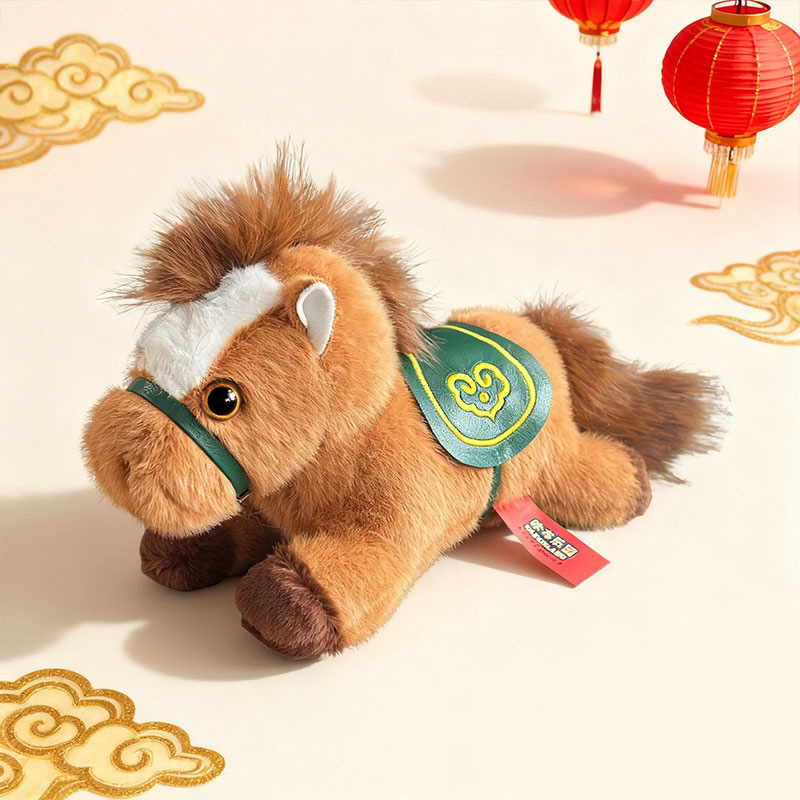
As the year comes to a close, many cultures around the world engage in various traditions to celebrate the arrival of the New Year. One of the most cherished customs is the act of giving gifts. While some may wonder, “Do you give gifts on New Year’s?” the answer varies significantly across different cultures and regions. This article explores the rich tapestry of New Year’s gift-giving traditions, their historical significance, and how they are celebrated today.
Table of Contents
The Historical Roots of New Year’s Gift-Giving
Ancient Traditions
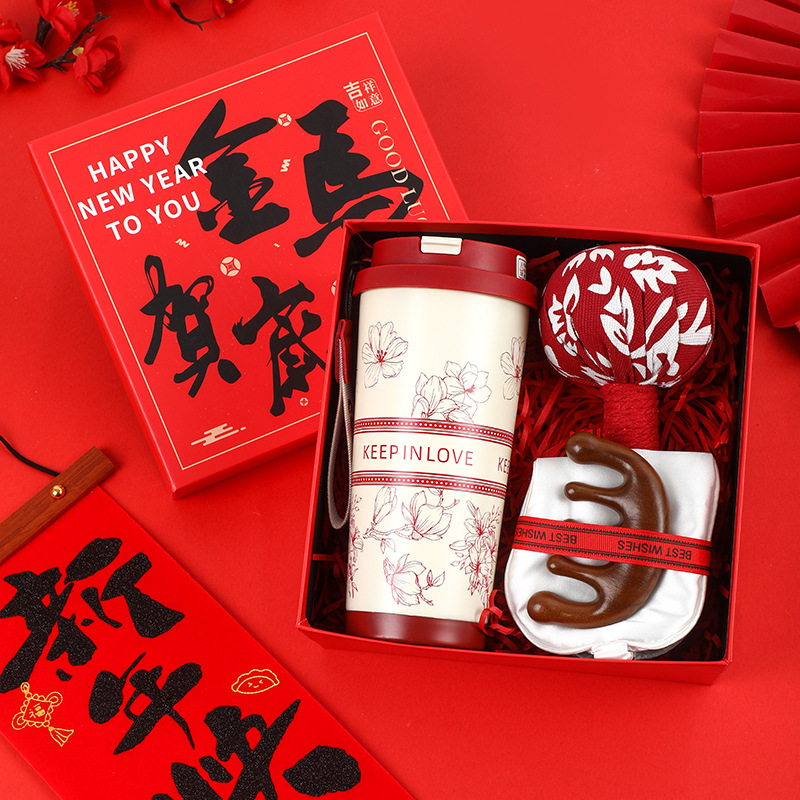
The practice of exchanging gifts during the New Year can be traced back to ancient civilizations. In ancient Rome, for instance, the New Year was celebrated with the exchange of gilded nuts and coins, symbolizing prosperity and good fortune. Similarly, the Persians exchanged eggs, a symbol of fertility, during their New Year celebrations. These early customs laid the groundwork for the gift-giving traditions we see today.
The Influence of Christianity
With the spread of Christianity, the tradition of gift-giving became intertwined with religious celebrations. The story of the Magi presenting gifts to the infant Jesus during the Christmas season influenced many cultures to adopt similar practices during their New Year festivities. In some European countries, gifts were exchanged on January 1st, marking the beginning of the new year. This blending of traditions highlights how cultural practices evolve over time, often incorporating elements from various beliefs and customs.
New Year’s Gift-Giving Around the World
North America
In the United States, the tradition of giving gifts on New Year’s is not as prevalent as it is during Christmas. However, some families choose to exchange small tokens of appreciation or good wishes. This practice is often seen as a way to strengthen relationships and express gratitude for the past year. For instance, friends might give each other small gifts or cards to celebrate the new beginnings that the New Year represents.
Europe
In many European countries, New Year’s gift-giving is a cherished tradition. For example, in Greece, gifts are exchanged on January 1st in celebration of Saint Basil’s Day. This day is significant as it marks the arrival of the New Year and is associated with good luck and prosperity. Families often gather for a festive meal, and children eagerly await the arrival of gifts, which are typically placed under the Christmas tree.
In Russia, the New Year is celebrated with the arrival of Ded Moroz (Father Frost), who brings gifts to children. This tradition has its roots in the Soviet era when Christmas was not widely celebrated. Families often gather around a decorated tree, exchanging gifts and enjoying festive meals. The atmosphere is filled with joy and anticipation, as children look forward to the surprises that await them.
Asia
In Asian cultures, New Year’s celebrations are often marked by elaborate gift-giving customs. In China, the Lunar New Year is a time for families to come together and exchange red envelopes filled with money, known as Hong Bao. This practice symbolizes good fortune and prosperity for the coming year. The act of giving and receiving these envelopes is accompanied by well-wishes for health and happiness, reinforcing the bonds of family and friendship.
In Japan, the New Year is celebrated with the exchange of special New Year cards called Nengajō. These cards are sent to friends and family as a way to express good wishes for the year ahead. Additionally, it is customary to give gifts of food and other items to show appreciation and respect. The Japanese also celebrate with traditional foods, such as mochi and soba noodles, which are believed to bring good luck.
Latin America
In many Latin American countries, the New Year is celebrated with vibrant festivities, and gift-giving plays a significant role. In Mexico, for instance, it is common to give gifts to children during the New Year celebrations. Families often gather for a festive meal, and small presents are exchanged to symbolize love and unity. The atmosphere is filled with laughter and joy as families come together to celebrate the new beginnings that the New Year brings.
The Significance of New Year’s Gifts
Strengthening Relationships
Gift-giving during the New Year serves as a powerful means of strengthening relationships. It allows individuals to express their appreciation for loved ones and to foster a sense of community. Whether it’s a small token or a grand gesture, the act of giving reinforces bonds and creates lasting memories. This practice is particularly important in cultures where family and community ties are highly valued.
Symbolism of Good Fortune
Many cultures associate New Year’s gifts with the hope for good fortune in the coming year. The exchange of gifts is seen as a way to invite prosperity and happiness into one’s life. This symbolism is particularly evident in the practice of giving red envelopes in Chinese culture, where the color red represents luck and joy. The act of giving is not just about the material gift but also about the positive energy and intentions behind it.
A Time for Reflection
The New Year is also a time for reflection and gratitude. As individuals exchange gifts, they often take a moment to reflect on the past year, acknowledging the challenges and celebrating the successes. This practice of gratitude enhances the overall spirit of the New Year, making it a time of renewal and hope. Many people use this opportunity to set intentions for the year ahead, focusing on personal growth and positive change.
Modern Trends in New Year’s Gift-Giving
Personalized Gifts
In today’s fast-paced world, personalized gifts have gained popularity. Many individuals opt for customized items that reflect the recipient’s interests and preferences. This trend adds a personal touch to the act of giving, making the gift more meaningful. Personalized gifts can range from engraved jewelry to custom-made photo albums, allowing individuals to express their thoughtfulness and creativity.

Eco-Friendly Options
As awareness of environmental issues grows, many people are seeking eco-friendly gift options. Sustainable products, handmade items, and experiences rather than material possessions are becoming increasingly popular choices for New Year’s gifts. This shift reflects a growing consciousness about the impact of consumerism on the environment and a desire to make more responsible choices. Eco-friendly gifts can include items made from recycled materials, plant-based products, or gifts that promote sustainability, such as reusable bags or zero-waste kits.
Virtual Gifting
With the rise of technology, virtual gifting has become a viable option for many. Digital gift cards, online subscriptions, and virtual experiences allow individuals to connect with loved ones, regardless of distance. This trend has been particularly relevant in recent years, as people seek ways to celebrate together while apart. Virtual gifting can include anything from online classes to streaming service subscriptions, providing a unique way to share experiences. This method of gifting has opened up new avenues for creativity, allowing individuals to curate experiences that can be enjoyed from the comfort of home.
Unique and Lesser-Known New Year’s Gift-Giving Customs
The Twelve Grapes of Luck
In Spain, a unique tradition involves eating twelve grapes at midnight on New Year’s Eve, one for each stroke of the clock. Each grape represents good luck for the corresponding month of the upcoming year. This custom is often accompanied by the exchange of small gifts among family and friends, adding to the festive atmosphere. The grapes symbolize the hope for prosperity and happiness in the year ahead, making this tradition a delightful way to ring in the New Year.
The First Footer
In Scotland, the first person to enter a home after midnight on New Year’s Eve is known as the “first footer.” This individual is often expected to bring gifts, such as coal, bread, or whiskey, symbolizing warmth, sustenance, and good cheer for the year ahead. The first footer is believed to bring good luck to the household, making this tradition an important part of Scottish New Year celebrations. The choice of the first footer is often significant, with preferences for dark-haired individuals, as they are thought to bring the best luck.
The Japanese Omiyage
In Japan, the tradition of giving Omiyage, or souvenirs, is prevalent during the New Year. When individuals return from trips, they often bring back gifts for family and friends. These gifts are typically local specialties or delicacies, showcasing the culture and flavors of the region visited. This practice not only strengthens social bonds but also allows individuals to share their experiences with loved ones. Omiyage is a thoughtful gesture that reflects the importance of community and connection in Japanese culture.
The Cultural Significance of New Year’s Gifts
Gifts as Expressions of Love
In many cultures, gifts exchanged during the New Year are seen as expressions of love and affection. They serve as tangible reminders of the relationships that matter most. The act of giving is often accompanied by heartfelt messages, reinforcing the emotional connection between the giver and the recipient. This practice highlights the importance of nurturing relationships and expressing gratitude for the people in our lives.
Gifts as Symbols of Hope
New Year’s gifts often carry symbolic meanings, representing hope for the future. In various cultures, specific gifts are associated with good fortune, health, and happiness. For example, in some Asian cultures, giving fruits symbolizes abundance and prosperity. In Western cultures, gifts that promote wellness, such as self-care items, are popular choices, reflecting a desire for health and happiness in the coming year.
Gifts as Cultural Heritage
Gift-giving traditions during the New Year also serve as a way to preserve cultural heritage. Many customs have been passed down through generations, reflecting the values and beliefs of a community. By participating in these traditions, individuals connect with their cultural roots and contribute to the continuity of their heritage. This aspect of gift-giving fosters a sense of belonging and identity, enriching the overall experience of celebrating the New Year.
The Role of Food in New Year’s Celebrations
Culinary Gifts
In many cultures, food plays a central role in New Year’s celebrations, and gifting food items is a common practice. In Italy, for example, it is customary to give a panettone, a traditional sweet bread, as a gift during the New Year. This gesture symbolizes sharing abundance and joy with loved ones. Similarly, in the Philippines, families prepare a spread of twelve round fruits, each representing prosperity, and share them with friends and family.
Symbolic Foods
Certain foods are also associated with good luck and prosperity during the New Year. In the Southern United States, black-eyed peas are eaten on New Year’s Day to bring good fortune. In Japan, eating soba noodles is a tradition that symbolizes longevity and the hope for a long life in the coming year. These culinary customs highlight the importance of food as a means of connection and celebration.
Sharing Meals
Gathering around a table to share a meal is a universal way to celebrate the New Year. Families and friends come together to enjoy traditional dishes, fostering a sense of community and togetherness. This practice not only strengthens bonds but also creates lasting memories, making the New Year a time of joy and connection.
Conclusion
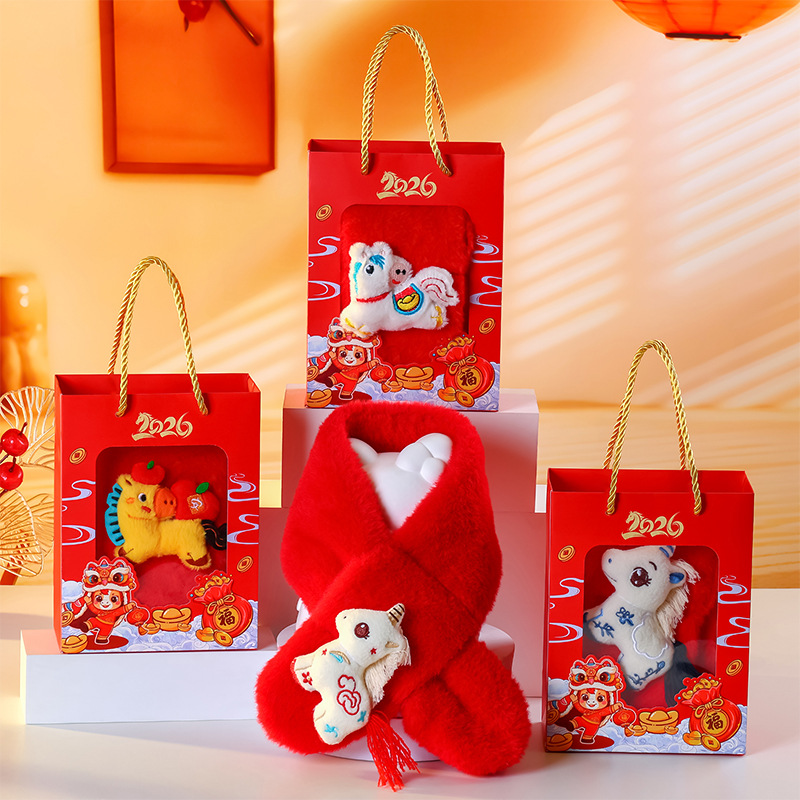
The tradition of giving gifts on New Year’s is a beautiful expression of love, gratitude, and hope for the future. While the customs may vary across cultures, the underlying sentiment remains the same: to celebrate the arrival of a new year with joy and goodwill. Whether through small tokens or grand gestures, the act of giving enriches our lives and strengthens our connections with others. As we embrace the New Year, let us remember the significance of our gifts and the relationships they represent.
How to purchase:Online B2B sourcing platform, China purchase, Chinese suppliers – LooperBuy
Related Questions & Answers
· What are some popular eco-friendly New Year’s gift ideas?
Popular eco-friendly gift ideas include reusable shopping bags, bamboo utensils, organic skincare products, and handmade items from sustainable materials. These gifts not only show thoughtfulness but also promote environmental consciousness.
· How has technology changed New Year’s gift-giving traditions?
Technology has introduced virtual gifting options, such as digital gift cards and online experiences. It has also made it easier to send gifts across distances, allowing people to connect with loved ones regardless of location.
· What is the cultural significance of specific New Year’s gifts in different countries?
Specific gifts often carry symbolic meanings, such as prosperity, health, and happiness. For example, in Chinese culture, giving red envelopes symbolizes good fortune, while in Scotland, gifts brought by the first footer represent warmth and sustenance.
Hot Tags: New Year’s Gift Traditions, Global Celebrations, Cultural Heritage, Personalized Gifts, Eco-Friendly Options, Virtual Gifting Trends, Lunar New Year Customs, Saint Basil’s Day Celebrations, Ded Moroz Traditions, Twelve Grapes of Luck, Culinary Gifts, Symbolic Foods, Family Gatherings, Community Connections, New Year’s Reflections, Gift-Giving Practices, Historical Roots, Modern Trends, Unique Customs, Economic Influences, Religious Significance, Food in Celebrations, Strengthening Relationships, Good Fortune Symbols, New Year’s Eve Traditions.