The South Sea pearl necklace stands as the absolute pinnacle of sophistication in the world of fine jewelry. Renowned for their unparalleled size, satin-like luster, and natural, elegant hues, these gems represent a significant investment and a profound heirloom. Understanding the intricacies of these “Queens of Cultured Pearls”—from their unique biological origins in the Pinctada maxima oyster to the demanding criteria that define their market value—is essential for any discerning collector. By prioritizing quality factors like nacre thickness, surface cleanliness, and harmonious matching, one can ensure that a South Sea pearl necklace remains a cherished treasure for generations to come.
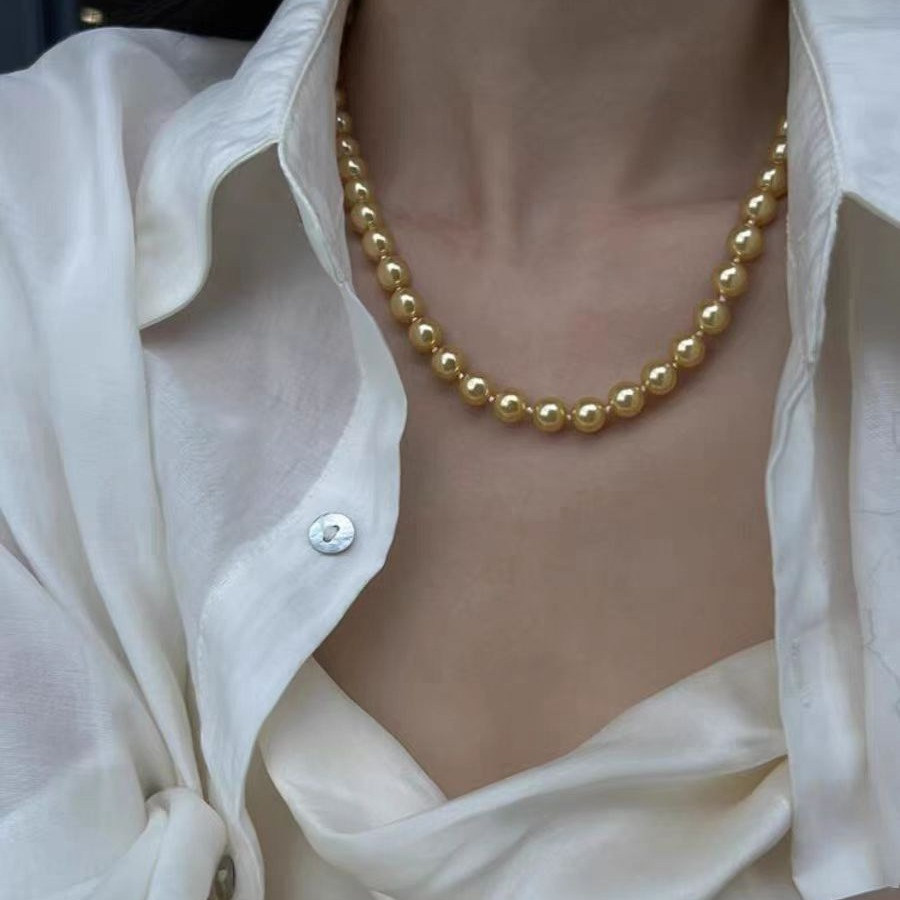
Table of Contents
The Biological and Geographical Origins
The allure of the South Sea pearl begins deep within the warm, nutrient-rich, and pristine waters of the South Pacific. Unlike other pearl varieties that are mass-produced in varying, sometimes crowded, environments, the South Sea pearl is the product of a delicate, highly regulated, and lengthy cultivation process involving the Pinctada maxima oyster, the largest and most powerful of all pearl-producing mollusks.
The Biological Miracle of Pinctada Maxima
The Pinctada maxima oyster, often referred to as the gold-lipped or silver-lipped oyster, is a biological marvel. Because this oyster is significantly larger than those used for common Akoya or freshwater pearls, it is capable of producing much larger, thicker-nacred, and more lustrous gems. The cultivation process is labor-intensive and spans several years, during which the oyster must remain in a stable, healthy, and undisturbed environment to deposit layer upon layer of nacre. This incredibly slow growth process is what imparts the signature, deep, satin-like luster that simply cannot be replicated by synthetic or lower-quality alternatives. The thickness of the nacre in these pearls is often measured in millimeters rather than micrometers, which is a testament to the longevity of the mollusk’s life and the purity of its marine habitat.
The Geography of Excellence
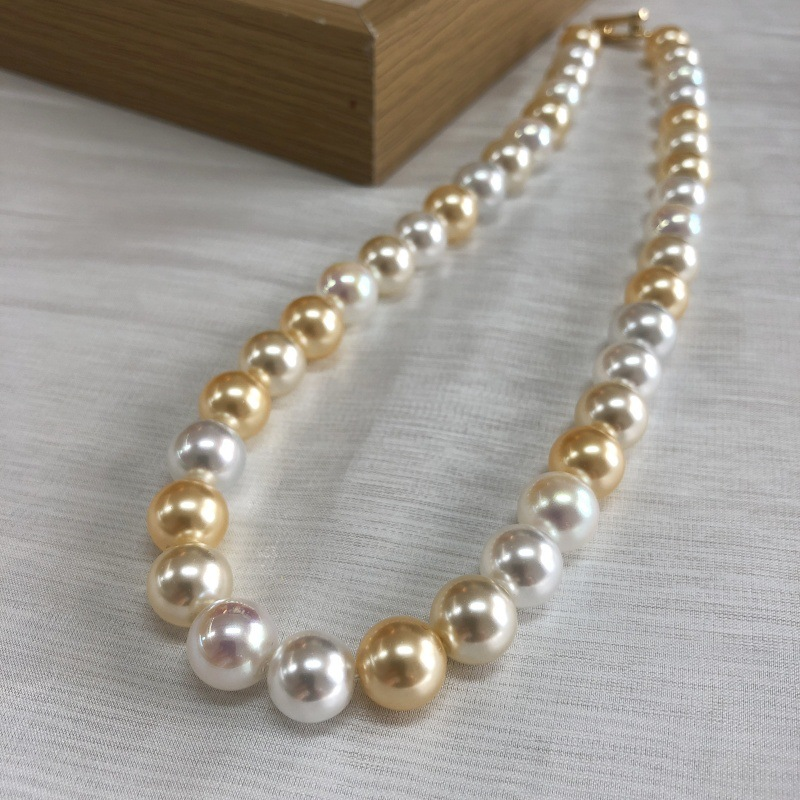
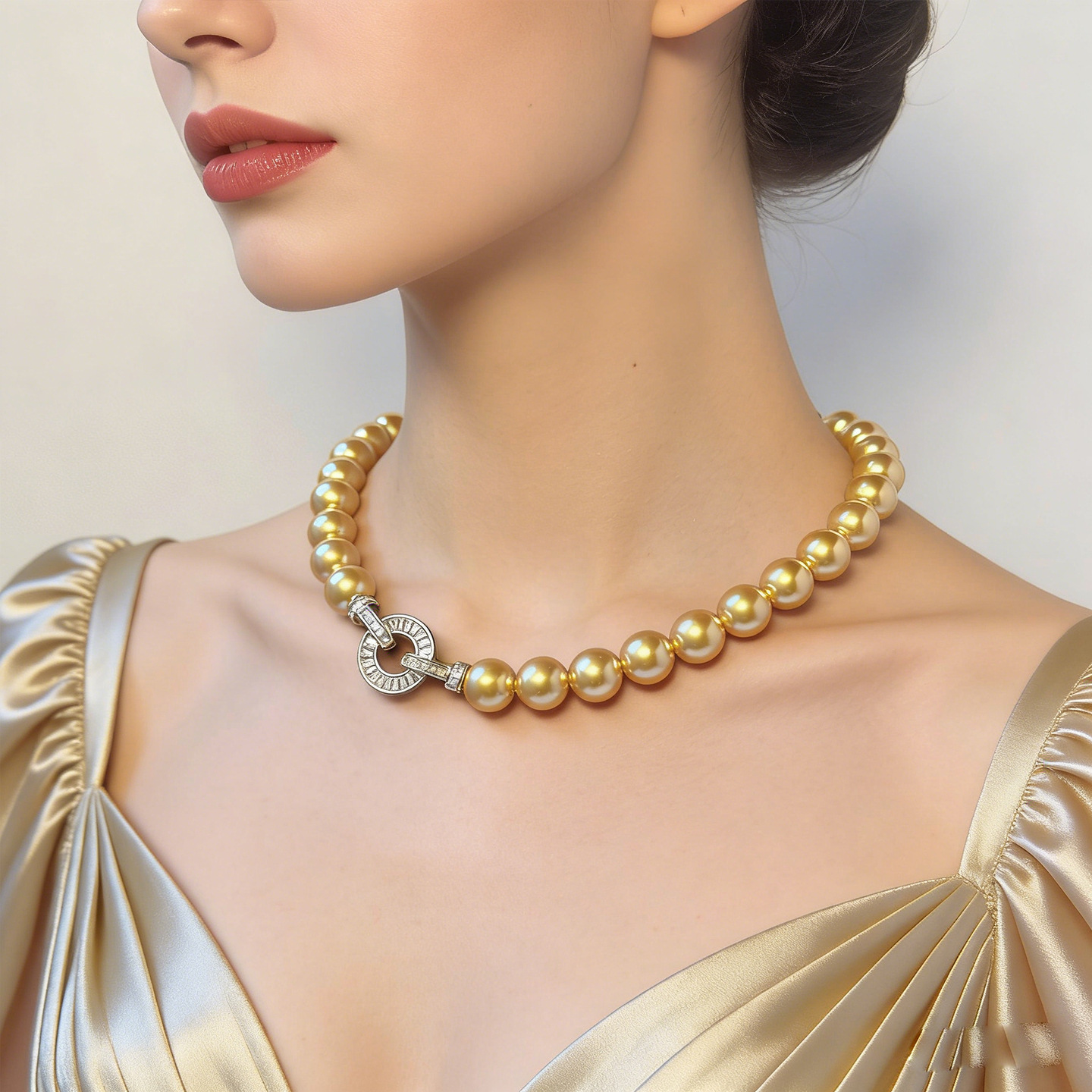
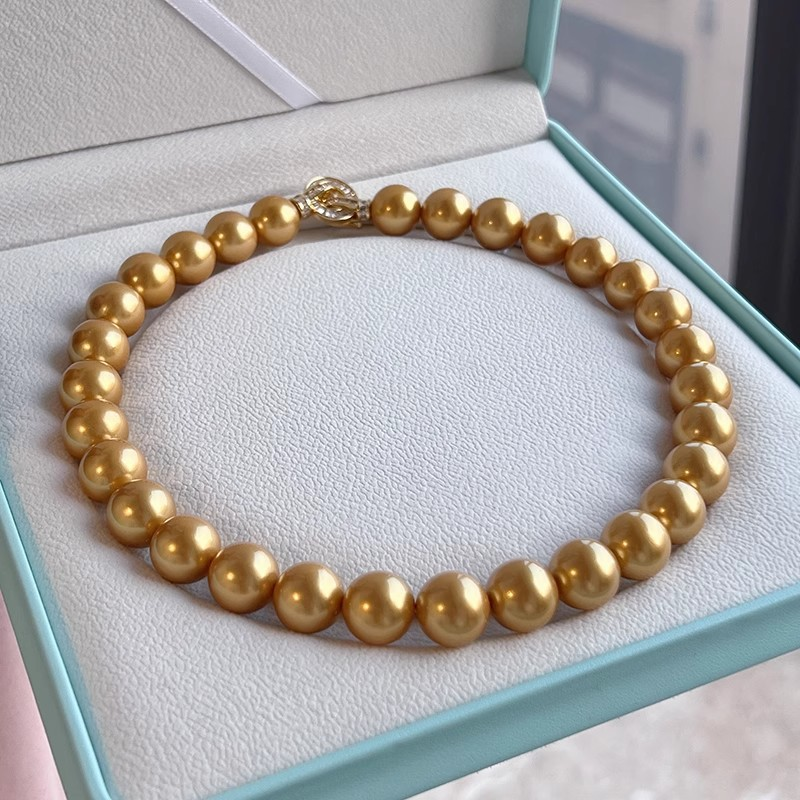
While geographic origin is not the sole determinant of quality, it plays a vital role in the character of the pearls. Australian South Sea pearls are celebrated globally for their crisp, bright white, and sharp silver tones, often reflecting the cool, clean waters of the Western Australian coast. Conversely, the more tropical, mineral-dense waters of Indonesia and the Philippines often produce warmer, champagne, and exceptionally deep golden varieties. These geographic distinctions allow collectors and designers to select a necklace that perfectly aligns with their personal aesthetic, whether they prefer a cool, arctic, high-shine glow or a warm, sun-drenched, opulent richness that seems to hold the light of a sunset within its layers.
Navigating the Value Factors
Investing in a South Sea pearl necklace requires a refined eye for quality. Because these pearls are grown in small quantities and require such specialized, demanding conditions, they occupy the highest price bracket of the global cultured pearl market. To navigate this market successfully and ensure you are making a sound acquisition, one must carefully evaluate the “Seven Value Factors” recognized by international gemologists.
The Crucial Role of Luster and Nacre Thickness
Luster is unequivocally the most important factor in assessing the value of any pearl. It refers to the intensity and quality of light reflecting off the pearl’s surface. A high-quality South Sea pearl should appear almost mirror-like, with a depth that suggests the light is coming from within the gem, not just the surface. This effect is a direct result of nacre thickness. Because the Pinctada maxima oyster deposits nacre slowly, the resulting coating is exceptionally thick, which contributes not only to the pearl’s durability—making it resistant to peeling or cracking—but also to its characteristic deep, glowing, and orient-rich luster. When inspecting a necklace, look for pearls that show a clear reflection of your own image on the surface; the sharper the reflection, the higher the grade of luster.
Surface Quality and Structural Integrity
While it is rare to find a pearl that is entirely free of blemishes, the most valuable necklaces feature pearls with “clean” surfaces. Small, natural imperfections, such as tiny bumps or growth marks, are perfectly acceptable and often serve as a testament to the pearl’s organic, non-synthetic nature. However, these marks should not distract from the overall beauty or structural integrity of the gem. In terms of shape, the perfectly round pearl remains the gold standard of luxury and fetches the highest market prices. However, modern jewelry designers have increasingly celebrated “baroque” or drop-shaped South Sea pearls, which offer a unique, asymmetrical, organic appearance that many sophisticated collectors find even more intriguing and artistic than traditional spherical shapes.
The Art of Curation, Matching, and Design
A South Sea pearl necklace is far more than a simple accessory; it is a transformative piece of jewelry capable of elevating any ensemble from simple casual to high-end couture. Whether you are seeking a classic, uniform opera-length strand or a modern, minimalist pendant design, the styling possibilities are as vast as the ocean itself.
Achieving Harmony Through Professional Matching
When selecting a multi-pearl necklace, the “matching” factor is absolutely critical. A high-quality strand should look uniform in size, shape, and color. Professional pearl graders spend countless hours ensuring that each bead in a necklace perfectly complements its neighbors, creating a cohesive, fluid visual narrative. If you are building a custom piece, consider the subtle gradation of size—where pearls in the center are slightly larger than those at the clasp—to create a natural, tapered look that rests more comfortably against the collarbone. The color matching process is particularly arduous for golden South Sea pearls, as subtle variations in hue—from pale champagne to deep, metallic orange-gold—must be blended to look intentional and luxurious.
Care and Long-term Preservation
Because they are organic gems, pearls are sensitive to chemicals, perfumes, hairsprays, and even the natural acidity of the skin. To preserve your substantial investment, always make your pearl necklace the very last thing you put on after applying makeup, hairspray, and perfume. After each wearing, it is highly recommended to gently wipe the pearls with a soft, slightly damp, lint-free cloth to remove any accumulated oils or perspiration. Storing your necklace separately from other jewelry in a dedicated, soft silk pouch or a lined jewelry box will prevent surface scratching and ensure the surface remains pristine and lustrous for decades of wear. Furthermore, re-stringing your necklace every few years, especially if worn frequently, is a vital maintenance step to prevent the silk thread from stretching or snapping, which could lead to a catastrophic loss of pearls.
Investment Potential and Ethical Considerations
Beyond their undeniable beauty and status, South Sea pearls represent a tangible, mobile asset. Their extreme rarity, combined with the stringent and costly environmental requirements for their production, keeps their market value consistently high and resilient. As coastal waters face increasing environmental challenges, the production of high-quality pearls becomes more difficult and resource-intensive, which historically drives demand and sustains long-term appreciation for fine specimens.
Why Quality and Provenance Matter
When purchasing for investment, prioritize “untreated” or “natural color” pearls. While some pearls are color-enhanced through heat or dye to improve their appearance, the most valuable pieces are those that showcase the pearl’s natural, inherent color. Always insist on certification or a guarantee of origin from a reputable jeweler or gemological laboratory. By choosing necklaces with superior luster, exceptional surface cleanliness, and large, symmetrical beads, you are not merely purchasing a piece of jewelry—you are securing a rare, natural asset that tells a story of the deep sea and represents a commitment to enduring beauty.
The Growing Importance of Sustainability
In recent years, the pearl industry has made significant strides in sustainability. Because Pinctada maxima oysters require pristine, unpolluted water to survive and produce high-quality nacre, pearl farmers are some of the most dedicated protectors of the marine environment. Purchasing from ethical sources supports communities that actively monitor water quality and preserve the local coral reef ecosystems. When you invest in a South Sea pearl necklace, you are often supporting a legacy of environmental stewardship that ensures these waters remain healthy for future generations, making your jewelry not just a luxury, but a sustainable choice for the conscious collector.
How to purchase:Online B2B sourcing platform, China purchase, Chinese suppliers – LooperBuy
Summary
This comprehensive article explores the exquisite world of South Sea pearl necklaces, detailing their biological origin in the Pinctada maxima oyster and their unique status as the most valuable cultured pearls in the jewelry industry. It provides an in-depth guide on evaluating quality through the seven essential value factors—emphasizing the paramount importance of luster, nacre thickness, and surface quality—while offering professional advice on care, styling, and the long-term investment potential of these organic gems. Whether cherished as a family heirloom or acquired as a modern statement piece, the South Sea pearl remains an unrivaled symbol of elegance, natural luxury, and timeless refinement.
Hot Tags:
South Sea Pearl Necklace; Cultured Pearls; Pinctada Maxima; Pearl Luster; Luxury Jewelry; Investment Gems; Fine Jewelry; Pearl Cultivation; Jewelry Care; Australian Pearls; Indonesian Pearls; Baroque Pearls; Pearl Grading; Organic Gemstones; Heirloom Jewelry; High-End Accessories; South Pacific Pearls; Pearl Value Factors; Rare Pearls; Elegant Necklaces; White South Sea Pearls; Golden South Sea Pearls; Natural Color Pearls; Pearl Collecting; Jewelry Styling; Sustainable Luxury; Pearl Origin; Sophisticated Style; Classic Jewelry; Investment Pieces
Related Questions & Answers
· What makes South Sea pearls more valuable than other types?
South Sea pearls are significantly larger than other varieties, often ranging from 10mm to 20mm, and are grown over a much longer period in the Pinctada maxima oyster. This extended growth results in a thicker, more durable, and exceptionally deep, lustrous nacre that is unique in the world of jewelry.
· How should I clean my South Sea pearl necklace?
Always wipe your pearls with a soft, clean, and slightly damp cloth after each use to remove any sweat or cosmetic residues. Never use ultrasonic cleaners, steam cleaners, or any harsh chemical solutions, as these can permanently damage the pearl’s delicate, sensitive nacre surface.
· What does “nacre” mean in the context of pearls?
Nacre, also known as mother-of-pearl, is the crystalline substance that the oyster deposits around an irritant to form a pearl. In high-quality South Sea pearls, the nacre is exceptionally thick and dense, which is what provides the gem with its signature deep, satin-like glow and ensures its long-term durability.
· Are baroque South Sea pearls less valuable than round ones?
Not necessarily. While perfectly round pearls have traditionally commanded the highest prices due to their extreme rarity, the high-fashion industry now highly prizes the unique, sculptural, and organic shapes of baroque pearls. Their market value is determined by the same quality factors as round pearls, particularly their luster, size, and surface quality.
· Can I wear my South Sea pearl necklace every day?
While South Sea pearls are remarkably durable for organic gems, they still require care. If you choose to wear them daily, you must be extremely mindful of their exposure to perfumes, hair products, and household chemicals. Regular, gentle cleaning and proper, separate storage in a soft pouch will allow you to enjoy them frequently while preserving their structural and aesthetic value.