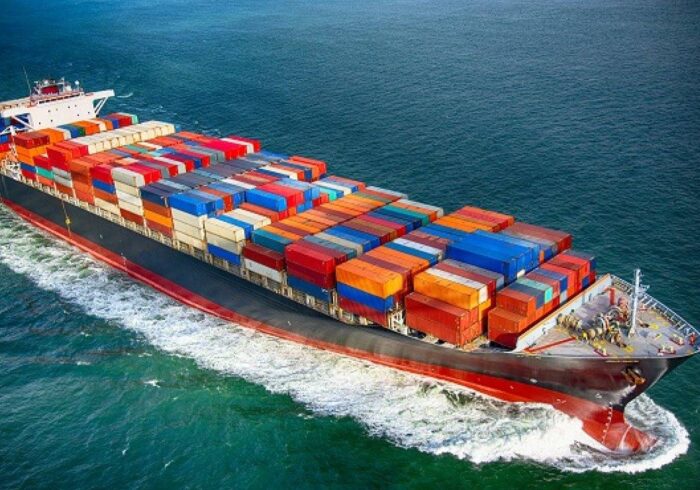
In the ever-evolving landscape of global trade, shipping plays a pivotal role in connecting businesses and consumers across borders. As the demand for efficient and reliable shipping solutions grows, companies like CMC Global Shipping LLC are at the forefront of innovation in logistics. This article explores the current trends, challenges, and future directions in the shipping industry, providing insights into how businesses can adapt and thrive in this dynamic environment.
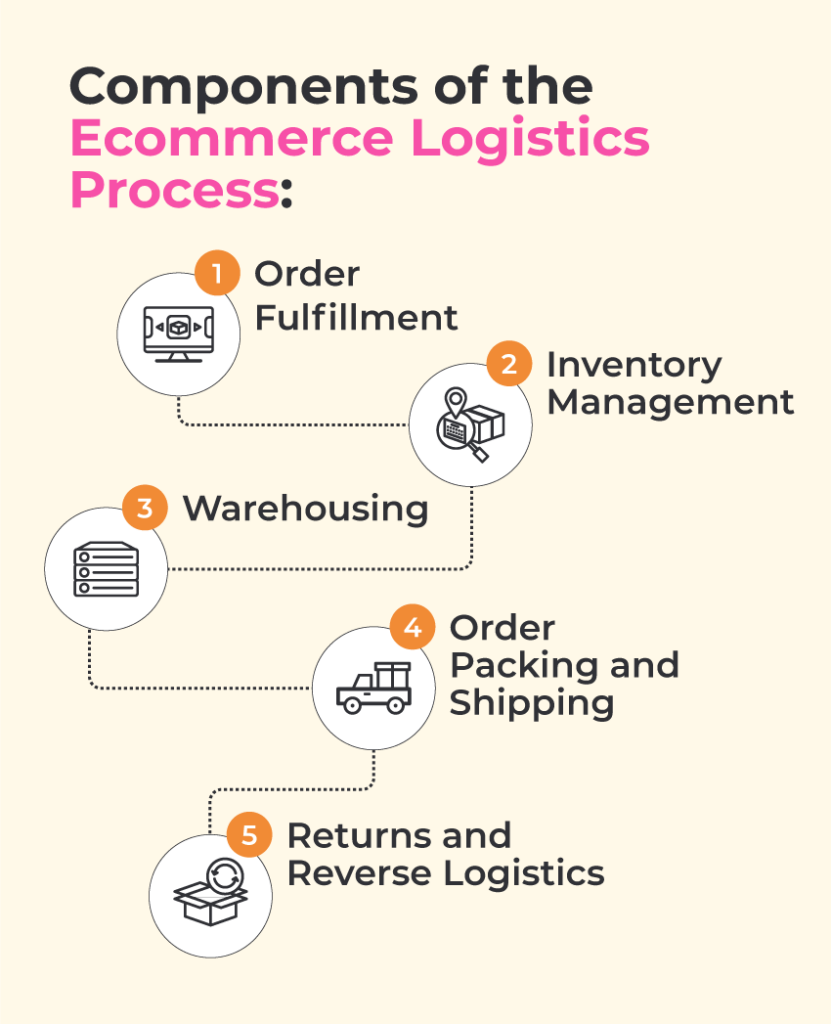
Table of Contents
Understanding the Shipping Industry
The shipping industry is a complex network that involves the transportation of goods by sea, air, and land. It encompasses various stakeholders, including shipping companies, freight forwarders, customs brokers, and logistics providers. Understanding the intricacies of this industry is essential for businesses looking to expand their reach and optimize their supply chains.
Key Components of Shipping
- Freight Forwarding: Freight forwarders act as intermediaries between shippers and carriers, managing the logistics of transporting goods. They handle documentation, customs clearance, and coordination of shipments.
- Customs Clearance: This process involves ensuring that goods comply with local regulations and tariffs before they can enter a country. Proper documentation is crucial to avoid delays and penalties.
- Logistics Management: Effective logistics management involves planning, implementing, and controlling the flow of goods from the point of origin to the final destination. This includes inventory management, warehousing, and transportation.
Current Trends in Global Shipping
The shipping industry is undergoing significant changes driven by technological advancements, changing consumer expectations, and global economic shifts. Here are some of the most notable trends shaping the future of shipping:
- Digital Transformation
The integration of technology in shipping operations is revolutionizing the industry. Digital platforms and tools are streamlining processes, enhancing visibility, and improving efficiency.
- Automation: Automation technologies, such as robotics and artificial intelligence, are being used to optimize warehouse operations, reduce labor costs, and improve accuracy in order fulfillment.
- Blockchain Technology: Blockchain is being explored for its potential to enhance transparency and security in shipping transactions. It can provide a tamper-proof record of shipments, reducing the risk of fraud and errors.
- Sustainability Initiatives
As environmental concerns grow, the shipping industry is increasingly focusing on sustainability. Companies are adopting practices to reduce their carbon footprint and promote eco-friendly operations.
- Alternative Fuels: The use of alternative fuels, such as biofuels and hydrogen, is gaining traction as a way to reduce emissions from shipping vessels.
- Green Logistics: Companies are implementing green logistics practices, such as optimizing routes to minimize fuel consumption and using sustainable packaging materials.
- E-Commerce Growth
The rise of e-commerce has transformed the shipping landscape, with more consumers expecting fast and reliable delivery options. This trend is driving changes in logistics strategies.
- Last-Mile Delivery: The last mile of delivery is becoming increasingly important as businesses strive to meet customer expectations for quick and convenient shipping. Companies are exploring innovative solutions, such as drone delivery and crowd-sourced delivery services.
- Omnichannel Fulfillment: Businesses are adopting omnichannel fulfillment strategies to provide a seamless shopping experience across online and offline channels. This includes integrating inventory management systems to ensure product availability.
Challenges Facing the Shipping Industry
While the shipping industry is evolving, it also faces several challenges that can impact operations and profitability. Understanding these challenges is crucial for businesses looking to navigate the complexities of global shipping.
- Regulatory Compliance
The shipping industry is subject to a myriad of regulations that vary by country and region. Compliance with these regulations is essential to avoid delays and penalties.
- Customs Regulations: Each country has its own customs regulations, which can be complex and subject to change. Businesses must stay informed about these regulations to ensure smooth customs clearance.
- Environmental Regulations: Increasingly stringent environmental regulations are pushing shipping companies to adopt sustainable practices. Failure to comply with these regulations can result in fines and reputational damage.
- Rising Shipping Costs
Shipping costs have been on the rise due to various factors, including fuel prices, labor shortages, and increased demand for shipping services. Businesses must carefully manage these costs to maintain profitability.
- Fuel Prices: Fluctuating fuel prices can significantly impact shipping costs. Companies must implement strategies to mitigate the effects of rising fuel prices, such as optimizing routes and consolidating shipments.
- Labor Shortages: The shipping industry is facing labor shortages, which can lead to delays and increased costs. Companies must invest in workforce development and retention strategies to address this challenge.
- Supply Chain Disruptions
Global events, such as pandemics, natural disasters, and geopolitical tensions, can disrupt supply chains and impact shipping operations. Businesses must be prepared to adapt to these disruptions.
- Contingency Planning: Developing contingency plans can help businesses respond effectively to supply chain disruptions. This includes identifying alternative suppliers and transportation routes.
- Risk Management: Implementing risk management strategies can help businesses mitigate the impact of disruptions on their shipping operations. This includes diversifying suppliers and investing in technology for better visibility.
Strategies for Success in Global Shipping
To thrive in the competitive landscape of global shipping, businesses must adopt effective strategies that address current trends and challenges. Here are some key strategies for success:
- Embrace Technology
Investing in technology can enhance operational efficiency and improve customer satisfaction. Businesses should explore digital solutions that streamline shipping processes and provide real-time visibility.
- Shipping Software: Utilizing shipping software can automate label printing, track shipments, and manage inventory more efficiently. This can save time and reduce errors in the shipping process.
- Data Analytics: Leveraging data analytics can provide insights into shipping performance, helping businesses identify areas for improvement and optimize their logistics strategies.
- Focus on Customer Experience
Providing an exceptional customer experience is crucial for building loyalty and driving repeat business. Businesses should prioritize customer service and communication throughout the shipping process.
- Clear Communication: Keeping customers informed about their order status, shipping times, and any potential delays can enhance their overall experience. Providing tracking information can also improve transparency.
- Flexible Shipping Options: Offering a variety of shipping options, including express and standard delivery, can cater to different customer preferences and needs.
- Build Strong Partnerships
Establishing strong partnerships with shipping carriers, freight forwarders, and logistics providers can enhance operational efficiency and reduce costs.
- Negotiating Rates: Businesses should negotiate shipping rates with carriers to secure competitive pricing. Building long-term relationships with carriers can lead to better service and reliability.
- Collaborating with Freight Forwarders: Partnering with experienced freight forwarders can simplify the shipping process and ensure compliance with regulations. They can provide valuable insights and support throughout the logistics journey.
Conclusion
Global shipping is a dynamic and essential component of modern commerce. As businesses navigate the complexities of international trade, understanding the trends, challenges, and best practices in shipping is crucial for success. By embracing technology, focusing on customer experience, and building strong partnerships, companies can thrive in the competitive landscape of global shipping.
As you explore the vast opportunities in global shipping, don’t miss the chance to discover a diverse range of products that can enhance your business; check out the latest offerings at https://looperbuy.com/.
Related Questions & Answers
· What are the key factors influencing international shipping rates? International shipping rates are influenced by factors such as distance, shipping method, weight and dimensions of the package, and customs duties.
· How can businesses optimize their supply chain for international shipping? Businesses can optimize their supply chain by selecting reliable suppliers, using technology for inventory management, and streamlining logistics processes.
· What are the emerging trends in international shipping and logistics? Emerging trends include the use of automation and AI in logistics, increased focus on sustainability, and the rise of e-commerce driving demand for faster shipping solutions.
· What documentation is required for global shipping? Documentation typically includes commercial invoices, packing lists, and any necessary customs forms. Accurate paperwork is essential for smooth customs clearance.
· How do I calculate shipping costs for international orders? Shipping costs can be calculated based on weight, dimensions, destination, and shipping method. Use shipping calculators provided by carriers for accurate estimates.
Hot Tags: Global Shipping; International Trade; Shipping Process; Regulatory Compliance; Shipping Costs; E-Commerce Growth; Logistics Management; Technology in Shipping; Customer Experience