Table of Contents
Introduction to Air Drop Shipping
In the ever-evolving landscape of e-commerce, air drop shipping has emerged as a game-changing model that combines the efficiency of traditional drop shipping with the speed and reliability of air freight. This innovative approach allows businesses to deliver products to customers faster than ever, meeting the growing demand for quick and efficient service. In this article, we will explore the concept of air drop shipping, its benefits, challenges, and how it is shaping the future of online retail.
Understanding Air Drop Shipping
What is Air Drop Shipping?
Air drop shipping is a logistics model where products are shipped directly from the supplier to the customer via air freight. Unlike traditional drop shipping, which often relies on slower shipping methods, air drop shipping leverages the speed of air transport to reduce delivery times significantly. This model is particularly beneficial for businesses that sell high-demand products or operate in competitive markets where speed is crucial.
How Air Drop Shipping Works
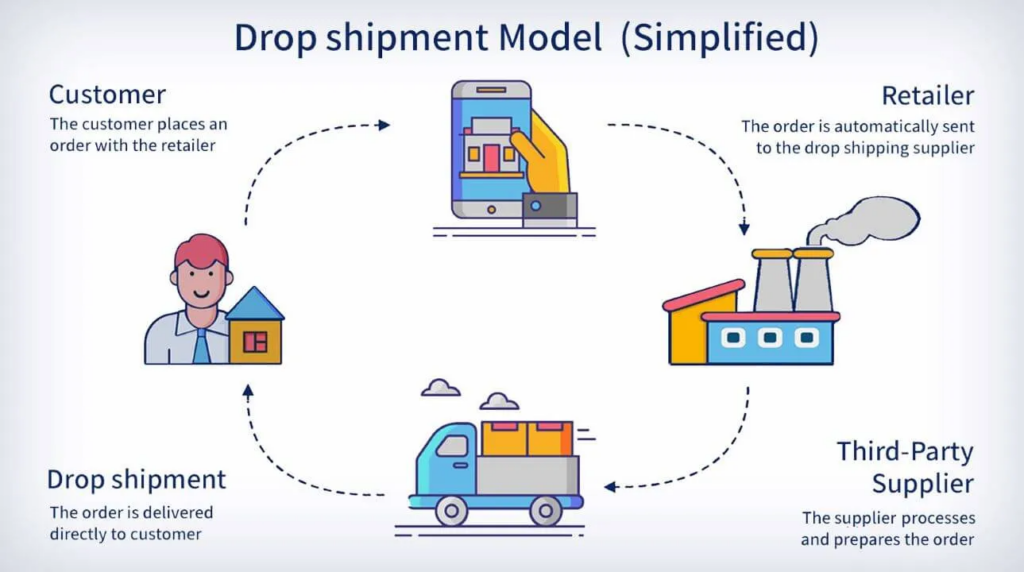
The process of air drop shipping involves several key steps:
- Supplier Selection: Businesses partner with suppliers who can fulfill orders quickly and efficiently. These suppliers must have the capability to ship products via air freight.
- Order Placement: When a customer places an order on the retailer’s website, the retailer forwards the order details to the supplier.
- Air Freight Shipping: The supplier prepares the order and ships it directly to the customer using air freight services. This process typically takes a few days, depending on the distance and logistics involved.
- Delivery: The customer receives the product at their doorstep, often within a much shorter timeframe than traditional shipping methods.
Benefits of Air Drop Shipping
Speed and Efficiency
One of the most significant advantages of air drop shipping is the speed of delivery. Customers today expect fast shipping, and air drop shipping can often fulfill orders within 1-3 days. This rapid turnaround can lead to higher customer satisfaction and repeat business. In a world where consumers are increasingly impatient, the ability to deliver products quickly can set a business apart from its competitors.
Reduced Inventory Costs
Air drop shipping allows businesses to operate without holding large amounts of inventory. This model reduces the financial burden associated with warehousing and inventory management, enabling retailers to invest more in marketing and customer acquisition. By minimizing inventory costs, businesses can allocate resources more effectively, focusing on growth and expansion rather than storage.
Access to Global Markets
With air drop shipping, businesses can easily reach customers around the world. This global reach opens up new markets and opportunities for growth, allowing retailers to expand their customer base without the logistical challenges typically associated with international shipping. The ability to sell products globally can significantly increase a retailer’s revenue potential, especially in niche markets.
Flexibility and Scalability
Air drop shipping offers businesses the flexibility to scale operations quickly. As demand increases, retailers can easily add new products and suppliers without the need for significant upfront investment. This adaptability is crucial in today’s fast-paced e-commerce environment. Retailers can respond to market trends and consumer preferences more effectively, ensuring they remain competitive.
Challenges of Air Drop Shipping
Higher Shipping Costs
While air drop shipping offers speed, it often comes with higher shipping costs compared to traditional methods. Retailers must carefully consider these costs when pricing their products to maintain profitability. The challenge lies in balancing the need for fast delivery with the financial implications of air freight. Retailers may need to adjust their pricing strategies to accommodate these costs while remaining attractive to consumers.
Dependence on Suppliers
The success of an air drop shipping business heavily relies on the reliability of suppliers. If a supplier fails to deliver on time or provides subpar products, it can negatively impact the retailer’s reputation and customer satisfaction. Establishing strong relationships with suppliers is essential, as is having contingency plans in place to address potential issues.
Complex Logistics
Managing logistics in air drop shipping can be complex, especially when dealing with international shipments. Retailers must navigate customs regulations, import duties, and other logistical challenges that can arise when shipping products across borders. Understanding the intricacies of international shipping is crucial for retailers looking to expand their reach.
Limited Control Over Shipping
Unlike traditional fulfillment methods, retailers have less control over the shipping process in air drop shipping. This lack of control can lead to issues such as delayed shipments or damaged products, which can affect customer experience. Retailers must work closely with suppliers to ensure that shipping processes are efficient and reliable.
Strategies for Success in Air Drop Shipping
Choosing the Right Suppliers
Selecting reliable suppliers is crucial for the success of an air drop shipping business. Retailers should conduct thorough research to find suppliers with a proven track record of timely deliveries and quality products. Building strong relationships with suppliers can also lead to better pricing and service. Retailers should consider factors such as supplier reputation, shipping capabilities, and product quality when making their selections.
Optimizing Product Listings
To attract customers, retailers must optimize their product listings with high-quality images, detailed descriptions, and competitive pricing. Effective marketing strategies, including SEO and social media advertising, can help drive traffic to the retailer’s website. Retailers should also consider using customer reviews and testimonials to build trust and credibility.
Implementing Efficient Order Management Systems
Investing in robust order management systems can streamline the order fulfillment process. These systems can help retailers track orders, manage inventory, and communicate with suppliers more effectively, ensuring a smooth operation. Automation tools can also reduce the risk of human error and improve overall efficiency.
Focusing on Customer Service
Providing excellent customer service is essential in the competitive e-commerce landscape. Retailers should be responsive to customer inquiries and proactive in addressing any issues that arise during the shipping process. Building a reputation for outstanding customer service can lead to increased customer loyalty and referrals. Retailers should also consider implementing customer feedback mechanisms to continuously improve their service.
The Role of Technology in Air Drop Shipping
E-Commerce Platforms
The rise of e-commerce platforms has made it easier for businesses to adopt air drop shipping. Platforms like Shopify, WooCommerce, and BigCommerce offer integrated solutions that allow retailers to manage their online stores, process orders, and connect with suppliers seamlessly. These platforms often provide tools for inventory management, payment processing, and customer relationship management, making it easier for retailers to focus on growth.
Automation and AI
Automation and artificial intelligence (AI) are transforming the air drop shipping landscape. Retailers can use AI-driven tools to analyze customer data, predict trends, and optimize pricing strategies. Automation can streamline various aspects of the business, from order processing to customer communication, allowing retailers to operate more efficiently and effectively.
Data Analytics
Data analytics plays a crucial role in the success of air drop shipping businesses. By analyzing sales data, customer behavior, and market trends, retailers can make informed decisions about product offerings, marketing strategies, and supplier relationships. Leveraging data analytics can help retailers identify opportunities for growth and improve overall performance.
Future Trends in Air Drop Shipping
Sustainability and Eco-Friendly Practices
As consumers become more environmentally conscious, there is a growing demand for sustainable and eco-friendly shipping practices. Retailers that adopt green logistics solutions, such as using biodegradable packaging or partnering with eco-friendly suppliers, can differentiate themselves in the market. Emphasizing sustainability can also enhance brand reputation and attract environmentally conscious consumers.
Personalization and Customization
The future of air drop shipping will likely see an increased focus on personalization and customization. Retailers can leverage data analytics to offer tailored product recommendations and personalized shopping experiences. By understanding customer preferences and behaviors, retailers can create more engaging and relevant interactions, leading to higher conversion rates.
Integration of Augmented Reality (AR)
Augmented reality (AR) technology is poised to revolutionize the online shopping experience. Retailers can use AR to allow customers to visualize products in their own environments before making a purchase. This technology can enhance customer confidence and reduce return rates, ultimately benefiting air drop shipping businesses.
Expansion of Niche Markets
As air drop shipping continues to grow, retailers will likely explore niche markets that cater to specific consumer interests. By focusing on specialized products, retailers can differentiate themselves from competitors and build loyal customer bases. Niche markets often have less competition, allowing retailers to establish themselves as leaders in their respective fields.
Conclusion
Air drop shipping represents a significant advancement in the e-commerce industry, offering businesses the opportunity to meet the demands of modern consumers for fast and efficient delivery. While there are challenges to navigate, the benefits of speed, reduced inventory costs, and access to global markets make air drop shipping an attractive option for retailers. By implementing effective strategies and focusing on customer satisfaction, businesses can thrive in this dynamic environment.
As you explore the exciting world of air drop shipping, consider enhancing your shopping experience with the latest products available at unbeatable speeds—discover more at LooperBuy.
Article Summary
This article explores the concept of air drop shipping, a logistics model that combines traditional drop shipping with air freight to deliver products quickly and efficiently. It discusses the benefits, such as speed and reduced inventory costs, as well as challenges like higher shipping costs and dependence on suppliers. Strategies for success in air drop shipping are also highlighted, emphasizing the importance of choosing reliable suppliers, optimizing product listings, and providing excellent customer service. Additionally, the role of technology and future trends in air drop shipping are examined, showcasing how businesses can adapt to changing consumer demands and market conditions.
Hot Tags: Air Drop Shipping; E-Commerce; Logistics; Fast Shipping; Supply Chain Management; Online Retail; Global Markets; Inventory Management; Customer Satisfaction; Order Fulfillment; Shipping Costs; Supplier Relationships; Digital Marketing; Business Growth; Retail Strategies; Market Expansion; Product Listings; Customer Service; Order Management; International Shipping; Freight Services; E-Commerce Trends; Business Model; Shipping Solutions; Consumer Expectations; Retail Innovation; Supply Chain Solutions; E-Commerce Strategies; Logistics Challenges; Air Freight
Related Questions & Answers
· What is the main advantage of air drop shipping?
The main advantage of air drop shipping is the speed of delivery, allowing businesses to fulfill orders within 1-3 days, which enhances customer satisfaction.
· How does air drop shipping differ from traditional drop shipping?
Air drop shipping uses air freight for faster delivery, while traditional drop shipping may rely on slower shipping methods, resulting in longer delivery times.
· What are the challenges of air drop shipping?
Challenges include higher shipping costs, dependence on suppliers, complex logistics, and limited control over the shipping process.
· How can businesses succeed in air drop shipping?
Businesses can succeed by choosing reliable suppliers, optimizing product listings, implementing efficient order management systems, and focusing on customer service.
· Is air drop shipping suitable for all types of products?
While air drop shipping can be beneficial for many products, it is particularly suitable for high-demand items that require quick delivery.