Table of Contents
Introduction to International Logistics
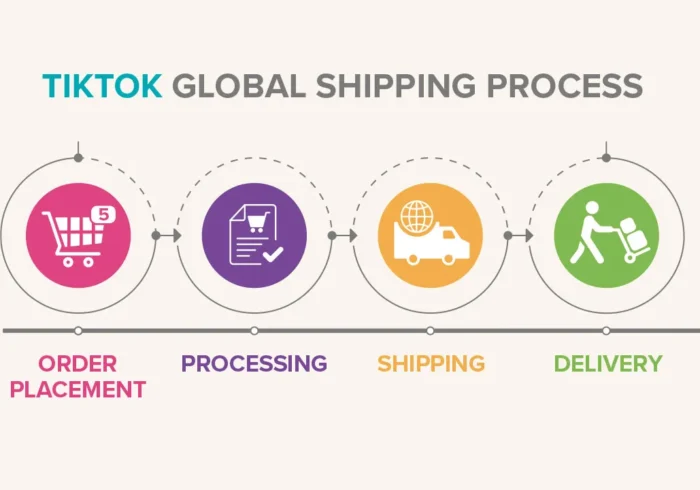
In an era of globalization, international logistics has become a cornerstone of global trade. As businesses expand their reach beyond domestic borders, the need for efficient and reliable shipping solutions has never been more critical. This article delves into the dynamics of global shipping, examining the trends, challenges, and innovations shaping the future of international logistics.
Understanding International Logistics
What is International Logistics?
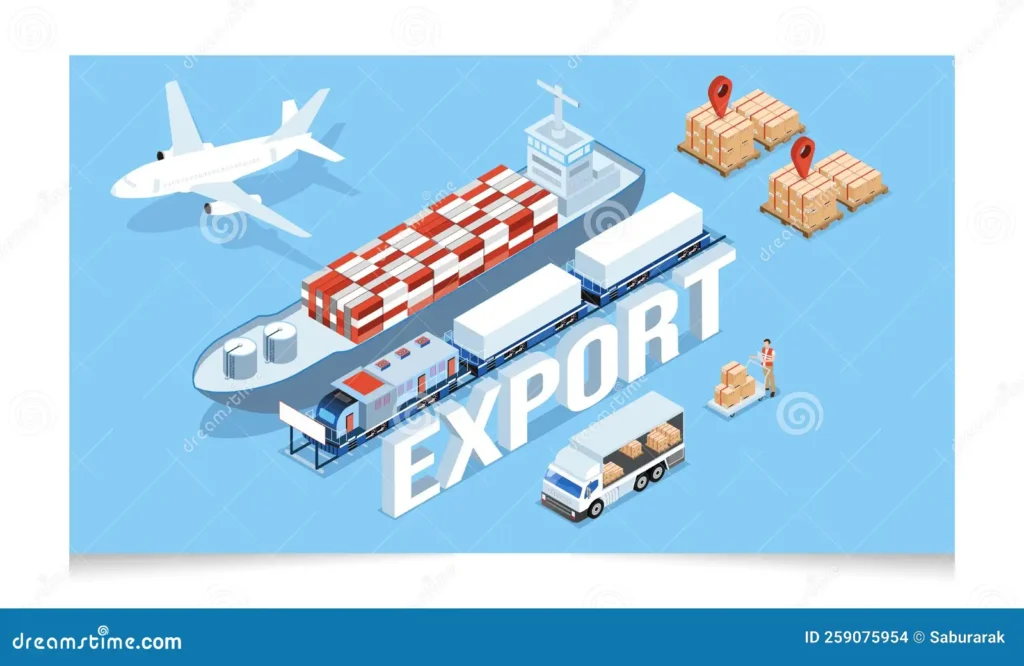
International logistics refers to the process of planning, implementing, and controlling the flow of goods and services across international borders. This encompasses various activities, including transportation, warehousing, inventory management, and customs clearance. Effective international logistics ensures that products are delivered to customers in a timely and cost-effective manner.
The Role of Logistics Providers
Logistics providers play a vital role in facilitating international trade. They offer a range of services, including freight forwarding, customs brokerage, and supply chain management. By leveraging their expertise and networks, logistics providers help businesses navigate the complexities of global shipping, ensuring compliance with regulations and optimizing transportation routes.
The Importance of Global Shipping
Enabling Global Trade
Global shipping is essential for enabling international trade, allowing businesses to access new markets and customers. By facilitating the movement of goods across borders, shipping companies help businesses expand their reach and increase their sales potential. This, in turn, contributes to economic growth and job creation.
Supporting E-commerce Growth
The rise of e-commerce has significantly impacted global shipping. As consumers increasingly turn to online shopping, the demand for efficient shipping solutions has surged. Logistics providers must adapt to this changing landscape by offering flexible shipping options, fast delivery times, and reliable tracking services. The convenience of online shopping has led to an expectation of quick delivery, pushing logistics companies to innovate and streamline their operations.
Enhancing Supply Chain Efficiency
Efficient global shipping solutions can enhance supply chain efficiency by reducing transit times and minimizing costs. Logistics providers work to optimize shipping routes, consolidate shipments, and streamline customs processes, ensuring that goods reach their destinations promptly and cost-effectively. The integration of technology, such as data analytics and real-time tracking, allows logistics companies to monitor shipments and make informed decisions to improve efficiency.
Challenges in International Logistics
Regulatory Compliance
Navigating the complex regulatory landscape is one of the primary challenges in international logistics. Each country has its own customs regulations, import/export restrictions, and documentation requirements. Logistics providers must stay informed about these regulations to ensure compliance and avoid delays. Non-compliance can result in fines, shipment delays, and damage to a company’s reputation.
Shipping Costs
Shipping costs can vary significantly based on factors such as distance, mode of transport, and the nature of the goods being shipped. Businesses must carefully consider these costs when planning their logistics strategies to maintain profitability. Fluctuations in fuel prices and currency exchange rates can also impact shipping costs. Companies are increasingly looking for ways to optimize their shipping strategies, such as negotiating better rates with carriers or utilizing technology to find the most cost-effective shipping routes.
Delays and Disruptions
Delays in shipping can occur due to various factors, including weather conditions, port congestion, and customs inspections. These disruptions can impact supply chains and lead to increased costs for businesses. Logistics providers must have contingency plans in place to mitigate the effects of such delays. For instance, they may establish alternative shipping routes or work with multiple carriers to ensure timely deliveries.
Innovations in Global Shipping
Technology Integration
The integration of technology in logistics has revolutionized the global shipping industry. Advanced tracking systems, automated warehouses, and data analytics tools enable logistics providers to optimize their operations and improve efficiency. Real-time tracking allows businesses and consumers to monitor shipments, enhancing transparency and accountability. Technologies such as the Internet of Things (IoT) and artificial intelligence (AI) are also being utilized to predict demand, manage inventory, and streamline operations.
Sustainable Practices
As environmental concerns grow, the logistics industry is increasingly adopting sustainable practices. This includes using eco-friendly packaging, optimizing transportation routes to reduce emissions, and investing in green technologies. Logistics providers are also exploring alternative fuels and electric vehicles to minimize their carbon footprint. Companies that prioritize sustainability not only contribute to environmental protection but also appeal to environmentally conscious consumers.
Blockchain Technology
Blockchain technology is emerging as a game-changer in international logistics. By providing a secure and transparent way to track shipments, blockchain can enhance trust and reduce fraud in the supply chain. This technology allows for real-time updates on the status of shipments, improving visibility and accountability. Additionally, smart contracts enabled by blockchain can automate various processes, reducing the need for intermediaries and streamlining transactions.
The Future of Global Shipping
Evolving Consumer Expectations
As consumer expectations continue to evolve, logistics providers must adapt to meet these demands. Fast and reliable shipping, along with flexible delivery options, will become increasingly important. Businesses that can offer a seamless shopping experience, including easy returns and real-time tracking, will have a competitive advantage. The rise of same-day and next-day delivery services is pushing logistics companies to innovate and improve their operational efficiency.
Global Trade Agreements
Changes in global trade agreements can significantly impact international logistics. As countries negotiate new trade deals, logistics providers must stay informed about the implications for shipping routes, tariffs, and regulations. Understanding these changes will be crucial for businesses looking to navigate the complexities of global trade. Companies that can adapt to shifting trade policies will be better positioned to succeed in the international marketplace.
The Rise of Automation
Automation is set to play a significant role in the future of international logistics. From automated warehouses to drone deliveries, technology will streamline operations and improve efficiency. Logistics providers that embrace automation will be better positioned to meet the demands of a rapidly changing market. Automated systems can reduce labor costs, minimize human error, and enhance overall productivity.
The Impact of Geopolitical Factors
Geopolitical factors, such as trade tensions and conflicts, can have a profound impact on global shipping routes and costs. Companies must remain vigilant and adaptable to these changes, as they can affect supply chains and logistics strategies. Businesses that can anticipate and respond to geopolitical shifts will be better equipped to navigate the complexities of international logistics.
Conclusion
International logistics is a dynamic and evolving field that plays a crucial role in facilitating global trade. As businesses expand their reach and consumer expectations change, logistics providers must adapt to meet these challenges. By leveraging technology, adopting sustainable practices, and staying informed about regulatory changes, companies can navigate the complexities of global shipping and thrive in the international marketplace.
To streamline your international shipping experience and discover a wide range of products at competitive prices, visit LooperBuy for more information. Explore https://looperbuy.com/.
Related Questions & Answers
· What are the most common causes of delays in international shipping? Common causes include weather conditions, port congestion, customs inspections, and logistical errors.
· How can businesses optimize their international shipping strategies to reduce costs? Businesses can optimize costs by consolidating shipments, negotiating better rates with carriers, and utilizing technology to find the most cost-effective shipping routes.
· What role do free trade zones play in international logistics? Free trade zones facilitate international trade by allowing goods to be imported, stored, and exported without the usual customs duties, thus reducing costs and improving efficiency.
· What are the best practices for managing risks in international supply chains? Best practices include diversifying suppliers, implementing robust risk management plans, maintaining clear communication with logistics partners, and regularly reviewing and updating contingency plans.
· How can technology improve efficiency in international logistics? Technology can enhance efficiency through real-time tracking, automated inventory management, data analytics for demand forecasting, and improved communication between stakeholders.
· What are the environmental impacts of international shipping? International shipping contributes to greenhouse gas emissions, air pollution, and marine pollution. The industry is increasingly adopting sustainable practices to mitigate these impacts, such as using cleaner fuels and optimizing shipping routes.
Hot Tags: International Logistics; Global Shipping; E-commerce; Supply Chain Management; Regulatory Compliance; Shipping Costs; Technology Integration; Sustainable Practices; Automation