Table of Contents
The Fundamental Concept of Drop Shipping
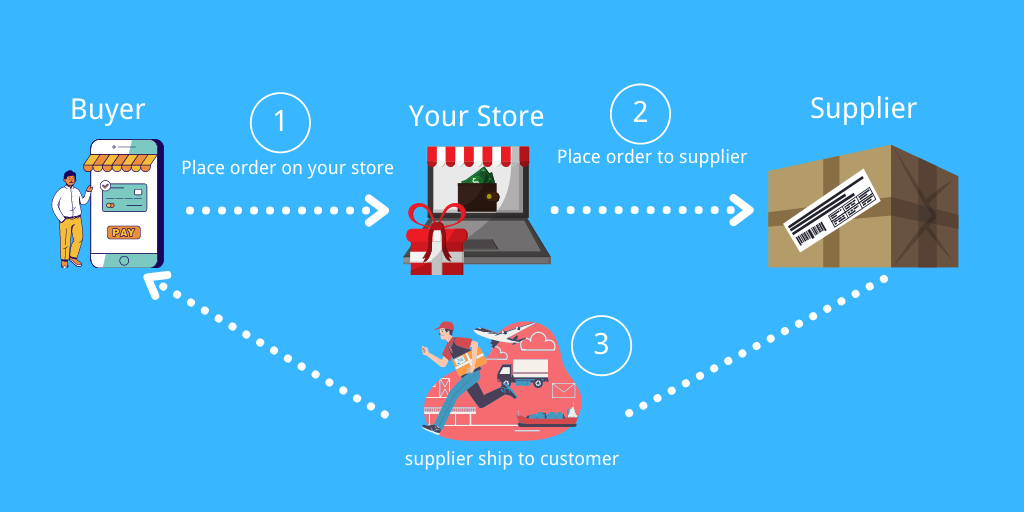
Drop shipping is a retail fulfillment method where the seller does not keep the products in stock. Instead, when a store sells a product, it purchases the item from a third party (usually a wholesaler or manufacturer) and has it shipped directly to the customer. This model allows businesses to operate without the need for physical inventory, reducing upfront costs and risks associated with overstocking.
In essence, drop shipping acts as a bridge between the manufacturer and the consumer. The drop shipper coordinates the process but does not handle the product directly. This indirect involvement significantly reduces operational complexities, as businesses can focus on marketing and sales rather than warehousing and product fulfillment.
The drop shipping model relies on establishing strong relationships with suppliers. These suppliers are responsible for storing, packaging, and shipping products to end customers. Successful drop shippers often work with multiple suppliers to offer a diverse product catalog and ensure reliable fulfillment across different regions and product categories.
How Drop Shipping Works in Practice
The Role of the Drop Shipping Supplier
The supplier is a pivotal player in the drop shipping ecosystem. Suppliers are typically manufacturers, wholesalers, or distributors who agree to fulfill orders on behalf of the retailer. They maintain inventory and handle the physical aspects of order fulfillment, including packaging and shipping.
Suppliers may be local or international, with each option presenting distinct advantages. Local suppliers often provide faster shipping times and easier communication, which is beneficial for businesses targeting specific regional markets. International suppliers, on the other hand, may offer more competitive pricing or access to unique products that are not readily available domestically.
When selecting a supplier, it is crucial to evaluate their reliability, product quality, and shipping capabilities. Many drop shippers start by identifying suppliers through online directories, trade shows, or platforms like AliBaba. Once a potential supplier is identified, due diligence involves checking their reputation, customer reviews, and samples of their products to ensure they meet the required standards.
The Drop Shipping Retailer’s Responsibilities
The retailer’s role in the drop shipping model centers on marketing, sales, and customer service. They are responsible for creating an appealing online store, driving traffic through various marketing channels, and converting visitors into customers.
Setting up an online store typically involves selecting an e-commerce platform such as Shopify, WooCommerce, or BigCommerce. The platform serves as the foundation for the store, enabling product展示, order processing, and customer interaction. The retailer must invest time in designing a user-friendly interface, writing compelling product descriptions, and implementing effective search engine optimization (SEO) strategies to attract organic traffic.
Marketing efforts may include social media campaigns, influencer partnerships, email marketing, and paid advertising. Each channel offers unique opportunities to reach different customer segments and drive sales. The retailer must also establish clear communication channels to address customer inquiries and provide support throughout the purchasing process.
Advantages and Disadvantages of Drop Shipping
Benefits of the Drop Shipping Model
The drop shipping model offers several advantages that make it an attractive option for entrepreneurs. One of the most significant benefits is the reduced financial risk associated with not holding inventory. Unlike traditional retail models, drop shippers do not need to invest large sums of money in purchasing and storing products upfront. This makes starting a business more accessible, especially for individuals with limited capital.
Another advantage is the flexibility and scalability of the model. Drop shipping businesses can quickly adapt to changing market trends by adding or removing products from their catalog without the hassle of disposing of unsold inventory. This agility allows businesses to stay relevant and responsive to customer demands. Additionally, the model supports easy expansion into new markets, as businesses can partner with international suppliers to fulfill orders globally without significant logistical investments.
Challenges and Considerations
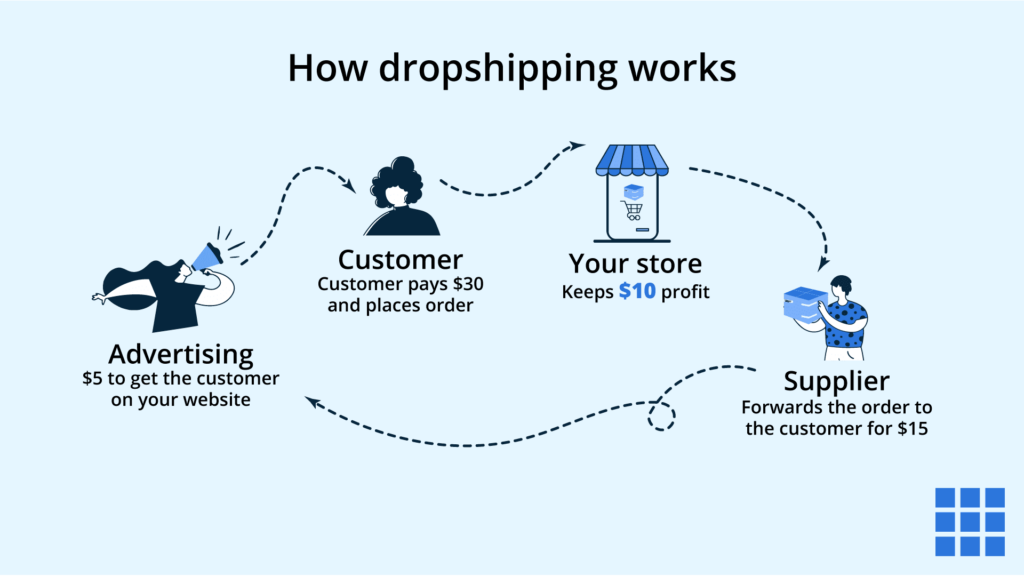
Despite its advantages, drop shipping is not without challenges. One of the primary concerns is the potential for reduced profit margins. Since drop shippers do not handle inventory directly, they rely on suppliers to manage costs. Suppliers often take a significant portion of the revenue, which can compress profit margins, especially for low – ticket items.
Another challenge is the lack of direct control over the supply chain. Because drop shippers do not own the inventory, they are subject to the supplier’s lead times, shipping reliability, and product quality. Any issues with the supplier can directly impact the customer experience and the business’s reputation. This makes supplier selection and relationship management critical to the success of a drop shipping venture.
Implementing a Successful Drop Shipping Business
Selecting the Right Products and Suppliers
The success of a drop shipping business hinges on selecting the right products and suppliers. Market research is essential to identify products with sufficient demand and profit potential. Entrepreneurs should look for products that solve specific customer problems, have a unique selling proposition, or fill a gap in the market.
When evaluating suppliers, several factors should be considered. The supplier’s reliability and reputation are paramount, as they directly affect the business’s ability to fulfill orders promptly and accurately. The quality of the products offered by the supplier is equally important. Entrepreneurs should request samples to assess product quality and ensure it meets their standards before committing to a partnership.
Building an Effective Online Store
Creating an effective online store is crucial for attracting and converting customers. The store’s design should reflect the brand’s identity and provide a seamless shopping experience. This includes a clean, intuitive layout, high – quality product images, and detailed descriptions that highlight the benefits of each product.
User experience (UX) design plays a vital role in reducing cart abandonment rates. The checkout process should be straightforward and concise, with multiple payment options available to accommodate different customer preferences. Mobile optimization is also critical, as a significant portion of online shopping occurs on smartphones and tablets.
Conclusion
Drop shipping offers entrepreneurs a unique opportunity to participate in the e-commerce market with reduced financial risks and operational complexities. By understanding the fundamental concept of drop shipping, leveraging its advantages, and meticulously planning for its challenges, businesses can establish a strong presence in the competitive retail landscape. As consumer shopping behaviors continue to evolve toward online platforms, the drop shipping model remains a viable and dynamic option for aspiring entrepreneurs seeking to build scalable and adaptable businesses.
If you want to enhance your drop shipping efficiency, directly connect with China Quality Inventory 1688 and enjoy high-quality factory prices for your products,you can use looperbuy, a one-stop purchasing-logistics solution:https://looperbuy.com/.
Related Questions & Answers
· How does drop shipping differ from traditional retail models?
Drop shipping differs from traditional retail models primarily in inventory management and fulfillment. In traditional retail, businesses purchase and store products in advance, assuming the risk of holding inventory. Drop shipping eliminates this need by having suppliers ship products directly to customers after an order is placed, reducing upfront costs and inventory risks.
· What are the key factors for selecting a reliable drop shipping supplier?
Key factors include the supplier’s reputation and reliability, product quality and variety, pricing structure, minimum order requirements, shipping capabilities, and customer service. Entrepreneurs should also consider the supplier’s location and their ability to meet specific business needs, such as shipping speed and customization options.
· How can drop shipping businesses ensure product quality if they don’t handle the products directly?
Drop shippers can ensure product quality by thoroughly vetting suppliers before establishing partnerships. Requesting product samples, checking supplier reviews, and visiting manufacturing facilities (if possible) help assess quality standards. Including clear quality specifications in supplier contracts and conducting periodic re – evaluations of supplier performance also maintain product quality expectations.
· What are the most effective marketing strategies for drop shipping businesses?
Effective marketing strategies include leveraging social media platforms for targeted ads and content marketing, utilizing email marketing to build customer relationships, collaborating with influencers for product promotions, and implementing SEO techniques to improve organic search visibility. Content marketing through blogs and videos that provide value to potential customers can also drive traffic and establish brand authority.
· Can drop shipping businesses offer customized products, and how?
Yes, drop shipping businesses can offer customized products by partnering with suppliers who provide customization services. This may involve options such as personalized engraving, custom printing, or tailored product configurations. Entrepreneurs should communicate with suppliers to determine available customization capabilities and integrate these options into their online store offerings, ensuring customers can specify their preferences during the purchasing process.
Hot Tags: Drop Shipping Business Model; Retail Fulfillment Solutions; E-commerce Inventory Management; Third-Party Supplier Partnerships; Online Retail Strategies; Low-Risk Retail Options; Scalable Business Ventures; E-commerce Entrepreneurship; Retail Supply Chain Coordination