Table of Contents
Introduction to Shipping Solutions
In the fast-paced world of global trade, shipping solutions play a pivotal role in connecting businesses with their customers. As e-commerce continues to expand, the demand for efficient and reliable shipping services has never been greater. This article will explore the various aspects of modern shipping solutions, including logistics, technology, and best practices for businesses looking to optimize their shipping processes.

The Significance of Shipping in Global Trade
Shipping is the backbone of international trade, facilitating the movement of goods across borders. It enables businesses to reach customers in different regions, providing access to a wider market. Understanding the intricacies of shipping solutions is essential for companies aiming to thrive in a competitive landscape.
Key Components of Shipping Solutions
Shipping solutions encompass a range of services and processes that ensure the efficient transportation of goods. Here are the key components that businesses should consider.
- Logistics Management
Logistics management involves the planning, implementation, and control of the flow of goods from the point of origin to the point of consumption. Effective logistics management is crucial for minimizing costs and maximizing efficiency.
Supply Chain Coordination
A well-coordinated supply chain is essential for successful logistics management. Businesses must collaborate with suppliers, manufacturers, and distributors to ensure that products are delivered on time and in good condition. This requires clear communication and a shared understanding of each party’s responsibilities.
- Shipping Methods
Choosing the right shipping method is critical for meeting customer expectations and managing costs. There are several shipping methods available, each with its own advantages and disadvantages.
Air Freight
Air freight is the fastest shipping method, making it ideal for time-sensitive shipments. However, it is also the most expensive option. Businesses should consider air freight for high-value or perishable goods that require quick delivery.
Sea Freight
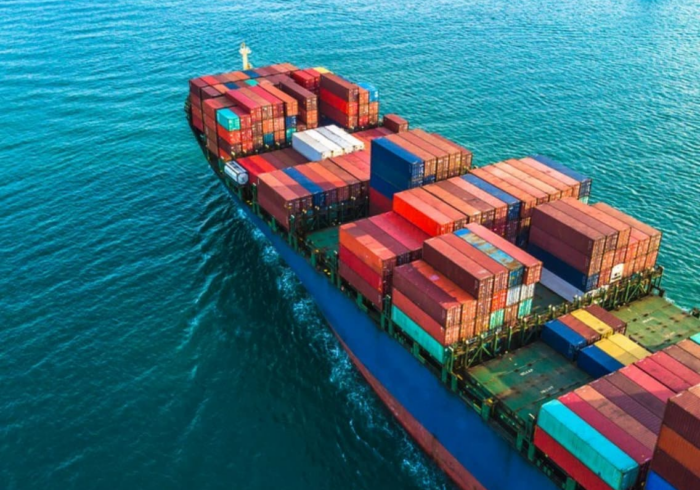
Sea freight is a cost-effective option for transporting large volumes of goods. While it takes longer than air freight, it is suitable for bulk shipments and can accommodate oversized items. Businesses should weigh the trade-offs between cost and delivery speed when selecting sea freight.
- Packaging and Labeling
Proper packaging and labeling are essential for ensuring that goods arrive at their destination safely and in compliance with regulations. Businesses must invest in high-quality packaging materials to protect products during transit.
Packaging Materials
The choice of packaging materials depends on the nature of the products being shipped. Fragile items may require bubble wrap or foam padding, while durable goods can be packaged in standard boxes. Additionally, businesses should consider the environmental impact of their packaging choices.
- Customs Clearance
Customs clearance is a critical step in the shipping process, particularly for international shipments. Goods must be inspected and approved by customs authorities before they can enter a new country.
Documentation Requirements
Businesses must prepare the necessary documentation for customs clearance, including invoices, packing lists, and certificates of origin. Accurate and complete documentation can help expedite the clearance process and prevent issues at the border.
Challenges in Shipping Solutions
While shipping solutions offer numerous benefits, they also present challenges that businesses must navigate.
- Regulatory Compliance
Shipping regulations vary by country and can be complex. Businesses must stay informed about customs requirements, tariffs, and trade agreements to ensure compliance and avoid penalties.
Navigating Customs Regulations
Understanding customs regulations is essential for smooth international shipping. Businesses should invest in training and resources to ensure that their teams are knowledgeable about the necessary documentation and procedures.
- Shipping Costs
Shipping costs can vary widely based on factors such as weight, dimensions, and shipping method. Businesses must carefully evaluate their shipping options to find the most cost-effective solutions.
Negotiating Rates
Many shipping carriers offer discounted rates for businesses that ship frequently. Negotiating shipping rates can help businesses reduce costs and improve their bottom line.
- Delivery Delays
Delivery delays can occur for various reasons, including customs inspections, weather conditions, and logistical challenges. Businesses should have contingency plans in place to address potential delays and keep customers informed.
Best Practices for Optimizing Shipping Solutions
To succeed in shipping, businesses should adopt best practices that enhance efficiency and customer satisfaction.
- Research Shipping Options
Before committing to a shipping method, businesses should research various carriers and services. Comparing rates, delivery times, and customer reviews can help businesses make informed decisions.
- Optimize Packaging
Investing in high-quality packaging materials can prevent damage during transit and reduce the likelihood of returns. Businesses should also consider using eco-friendly packaging options to appeal to environmentally conscious consumers.
- Stay Informed About Regulations
Regularly reviewing customs regulations and trade agreements can help businesses stay compliant and avoid costly penalties. Joining industry associations or consulting with logistics experts can provide valuable insights.
- Communicate with Customers
Clear communication is key to a positive shipping experience. Businesses should keep customers informed about order status, shipping times, and any potential delays. Providing excellent customer service can help build loyalty and encourage repeat business.
- Leverage Technology
Utilizing technology can streamline the shipping process and improve efficiency. Shipping software can help businesses manage orders, track shipments, and automate various processes, leading to cost savings and improved service levels.
Conclusion
Shipping solutions are a vital component of modern business operations, enabling companies to reach customers around the world. By understanding the key components of shipping, navigating challenges, and adopting best practices, businesses can optimize their shipping processes and enhance customer satisfaction. As the shipping industry continues to evolve, staying informed about trends and innovations will be essential for success.
As you explore the evolving landscape of shipping solutions, remember that finding the right products at competitive prices can enhance your business operations. Discover a wide range of quality items tailored for your needs at https://looperbuy.com/.
Related Questions & Answers
· What are the key components of effective shipping solutions? Effective shipping solutions include logistics management, shipping methods, packaging, customs clearance, and customer communication.
· How can businesses reduce shipping costs? Businesses can reduce shipping costs by negotiating rates with carriers, optimizing packaging, and choosing the most cost-effective shipping methods.
· What challenges do businesses face in international shipping? Challenges include regulatory compliance, shipping costs, delivery delays, and navigating customs regulations.
· How can technology improve shipping efficiency? Technology can streamline shipping processes, automate order management, and provide real-time tracking, enhancing overall efficiency.
· What best practices should businesses follow for shipping? Best practices include researching shipping options, optimizing packaging, staying informed about regulations, and maintaining clear communication with customers.
Hot Tags: Shipping Solutions; Global Logistics; E-Commerce; Customs Clearance; Packaging; Shipping Costs; Delivery Delays; Regulatory Compliance; Shipping Innovations