Table of Contents
Introduction to Drop Shipping Clothing
Drop shipping has revolutionized the fashion industry by allowing entrepreneurs to launch online clothing stores without holding inventory. This business model has gained significant traction in recent years, offering numerous advantages such as low startup costs, flexibility, and the ability to test market trends with minimal risk. In 2024, the fashion segment of the dropshipping market surpassed $770 billion, highlighting its massive potential for businesses and entrepreneurs.
How Drop Shipping Clothing Works
The Basic Business Model
In the dropshipping model for clothing, online store owners do not keep physical inventory. Instead, they partner with suppliers who handle the storage, packaging, and shipping of products directly to customers. When a customer places an order on the dropshipper’s website, the order details are forwarded to the supplier. The supplier then processes the order and ships the clothing items directly to the customer. This eliminates the need for the store owner to manage inventory and reduces upfront costs significantly.
Key Players in the Drop Shipping Clothing Model
- Supplier: The supplier is responsible for storing and shipping the clothing items. They play a crucial role in the dropshipping business model, as their efficiency and reliability directly impact customer satisfaction.
- Dropshipper: The dropshipper (store owner) focuses on marketing, customer service, and managing the online store. They do not handle physical products but rely on suppliers to fulfill orders.
- Customer: The end buyer who purchases clothing items from the dropshipper’s online store. Customers benefit from a wide selection of products and the convenience of shopping online.
Benefits of Drop Shipping Clothing
Low Startup Costs and Minimal Risk
One of the primary advantages of drop shipping clothing is the low startup cost. Entrepreneurs can launch an online store without the significant financial investment required for inventory procurement and storage. This makes it accessible for individuals with limited capital to enter the fashion retail market. The minimal risk involved in this model allows businesses to test market demand and adapt quickly without the burden of unsold stock.
Flexibility and Scalability
Drop shipping offers immense flexibility in terms of product selection and business operations. Entrepreneurs can easily expand their product offerings by adding new clothing items or even new product lines without the constraints of physical inventory. This scalability allows businesses to grow rapidly and adapt to changing market trends. For example, a store can start with a niche collection of women’s dresses and gradually expand to include men’s clothing, accessories, and more.
No Inventory Management
With drop shipping, businesses are freed from the complexities of inventory management. There is no need to worry about overstocking or understocking products, as inventory levels are managed by the supplier. This allows business owners to focus their time and energy on marketing, customer acquisition, and other strategic aspects of their business. It also eliminates the costs associated with warehousing and inventory handling.
Challenges in Drop Shipping Clothing
Finding Reliable Suppliers
One of the biggest challenges in drop shipping clothing is identifying reliable and trustworthy suppliers. The reputation and efficiency of the supplier directly impact the business’s ability to deliver products on time and meet customer expectations. Entrepreneurs must conduct thorough research and due diligence to find suppliers who offer quality products, competitive pricing, and reliable shipping services. Platforms like AliExpress, SaleHoo, and Worldwide Brands can be valuable resources for finding potential suppliers, but it is essential to verify their credibility and reliability through reviews and testimonials.
Quality Control
Ensuring consistent product quality can be difficult in the dropshipping model, as the supplier is responsible for product manufacturing and shipping. Variations in product quality can lead to customer dissatisfaction and negative reviews. To mitigate this risk, businesses should establish clear quality standards with their suppliers and conduct regular quality checks. Requesting product samples and working with suppliers who have a proven track record of quality can help maintain high standards.
Shipping and Logistics
Shipping and logistics are critical components of the dropshipping business model. Delays in shipping, high shipping costs, or logistical issues can negatively impact the customer experience. Entrepreneurs need to select suppliers with efficient shipping processes and good logistics networks. Offering clear shipping policies and realistic delivery timelines on the website can also help manage customer expectations.
Competition
The dropshipping clothing market is highly competitive, with numerous entrepreneurs and established businesses vying for market share. Standing out in this crowded market requires effective marketing strategies, unique product offerings, and exceptional customer service. Businesses must continuously innovate and adapt to stay ahead of the competition. This can involve identifying niche markets, offering exclusive products, or providing superior customer experiences.
Returns and Exchanges
Handling returns and exchanges can be more complex in the dropshipping model, as the supplier is typically responsible for processing these requests. Clear return policies and efficient communication between the business, supplier, and customer are essential to ensure smooth handling of returns and exchanges. Some suppliers offer return and exchange services, while others may require the business to facilitate the process. Establishing clear agreements with suppliers regarding returns and exchanges is crucial to maintaining customer satisfaction.
How to Start a Drop Shipping Clothing Business
Find a Niche
Choosing a specific niche within the fashion industry can help businesses target a well-defined customer base and differentiate themselves from competitors. For example, focusing on sustainable fashion, athletic wear, maternity clothing, or plus-size apparel can attract customers seeking specialized products. Researching market trends and identifying gaps in the market can help entrepreneurs find a profitable niche.
Choose the Right Supplier
Selecting the right supplier is crucial for the success of a dropshipping clothing business. Factors to consider when choosing a supplier include product quality, pricing, shipping capabilities, and reliability. Entrepreneurs can use directories like SaleHoo, Worldwide Brands, and Spocket to find potential suppliers. It is advisable to contact multiple suppliers, request product samples, and compare their services and pricing before making a final decision.
Set Up an Online Store
Setting up an online store is a vital step in starting a dropshipping clothing business. Entrepreneurs can use e-commerce platforms like Shopify, WooCommerce, or BigCommerce to create a professional-looking online store. The platform should be user-friendly, mobile-responsive, and equipped with essential features such as secure payment gateways, product search functionality, and shopping cart capabilities. Customizing the store’s design and layout to reflect the brand’s identity and appeal to the target audience is also important.
Market Your Business
Effective marketing is essential to drive traffic to the online store and generate sales. Entrepreneurs can employ various marketing strategies such as social media marketing, content marketing, email marketing, and paid advertising. Creating engaging content, building a strong brand presence on social media platforms, and leveraging influencer partnerships can help attract customers and build brand awareness. Offering promotions, discounts, or loyalty programs can also incentivize customers to make purchases.
Future Trends and Innovations in Drop Shipping Clothing
Sustainable Fashion
Sustainability is becoming increasingly important to consumers, and the dropshipping clothing industry is no exception. More customers are seeking eco-friendly and ethically produced clothing options. Entrepreneurs can capitalize on this trend by sourcing products from suppliers who use sustainable materials and manufacturing practices. Promoting the environmental benefits of the clothing items can attract environmentally conscious consumers and differentiate the business in the market.
Personalization and Customization
Consumers are increasingly looking for personalized and customized products that reflect their individual style and preferences. Dropshipping businesses can offer customization options such as personalized embroidery, monogramming, or color choices to meet this demand. Collaborating with suppliers who can accommodate customization requests can provide a competitive edge and increase customer satisfaction.
Technology Integration
Advancements in technology are transforming the dropshipping industry. The use of AI-powered tools for product recommendations, chatbots for customer service, and data analytics for market insights can enhance business operations and customer experiences. Integrating these technologies into the online store can streamline processes, improve efficiency, and provide valuable insights for making informed business decisions.
Social Commerce
Social commerce, or the integration of e-commerce with social media platforms, is gaining momentum. Entrepreneurs can leverage platforms like Instagram, Facebook, and TikTok to showcase products, run shopping campaigns, and enable direct purchasing through in-app features. This can increase brand visibility and drive traffic to the online store, ultimately boosting sales.
Cross-Border E-Commerce
The growth of cross-border e-commerce presents new opportunities for dropshipping clothing businesses. Entrepreneurs can expand their market reach by targeting international customers. However, this requires understanding and complying with international shipping regulations, customs requirements, and cultural differences. Partnering with suppliers who have experience in international shipping and logistics can facilitate this expansion.
Niche Exploration and Market Positioning
Identifying Lucrative Niches
The fashion industry is vast and diverse, offering numerous niche opportunities for dropshipping entrepreneurs. For instance, the athleisure market has seen remarkable growth, blending athletic functionality with everyday fashion. This niche appeals to health-conscious consumers and those seeking comfortable yet stylish apparel. Another promising area is plus-size fashion, which addresses the needs of a significant customer base often underserved by mainstream retailers. By focusing on such niches, businesses can attract dedicated customer segments and build strong brand loyalty.
Branding and Differentiation
In a crowded market, branding plays a pivotal role in differentiation. Entrepreneurs should develop a unique brand identity that resonates with their target audience. This includes creating a compelling brand story, selecting a memorable brand name, and designing a distinctive logo. Consistent branding across all customer touchpoints, from the online store to marketing materials, helps establish recognition and trust. For example, a dropshipping business specializing in eco-friendly fashion might emphasize sustainability in its branding, highlighting the use of organic materials and ethical production processes.
Supplier Relationship Management
Building Long-Term Partnerships
Establishing and maintaining strong relationships with suppliers is essential for long-term business success. Regular communication with suppliers helps ensure alignment on product quality, shipping timelines, and business goals. Entrepreneurs should aim to build mutual trust and reliability, which can lead to preferential treatment such as better pricing, priority shipping, and access to exclusive products. Long-term partnerships can also foster collaboration on product development and market expansion.
Collaborative Product Development
Some suppliers are open to collaborative product development, allowing dropshippers to influence or co-create product lines. This level of collaboration can result in unique product offerings that set your business apart from competitors. For instance, you could work with a supplier to develop a line of clothing that incorporates trending designs or features specific to your brand’s ethos. This not only enhances product uniqueness but can also strengthen the supplier relationship through shared innovation.
Leveraging Data for Business Growth
Importance of Data-Driven Decisions
In the digital age, data is a powerful asset for dropshipping businesses. By analyzing customer data, businesses can gain insights into purchasing behaviors, preferences, and trends. This information enables entrepreneurs to make informed decisions on product selection, marketing strategies, and inventory management. For example, data analytics might reveal that a particular clothing style or color is consistently popular among customers, guiding future product acquisitions and marketing focuses.
Implementing Analytics Tools
Various analytics tools are available to help dropshipping businesses track and analyze their performance. Google Analytics provides insights into website traffic, customer demographics, and conversion rates. Social media analytics tools can measure the effectiveness of marketing campaigns and engagement levels on platforms like Instagram and Facebook. E-commerce platforms like Shopify also offer built-in analytics dashboards that track sales performance, customer acquisition costs, and other key metrics. Utilizing these tools helps businesses stay agile and responsive to market changes.
Customer Retention Strategies
Loyalty Programs and Exclusive Offers
Retaining customers is often more cost-effective than acquiring new ones. Implementing loyalty programs that reward repeat customers with points, discounts, or early access to new products can encourage repeat business. Exclusive offers, such as limited-edition clothing drops or members-only sales, create a sense of exclusivity and value for loyal customers. These strategies not only boost customer lifetime value but also foster a sense of community around the brand.
Personalized Shopping Experiences
Personalization enhances customer satisfaction and loyalty. By leveraging customer data, businesses can offer personalized product recommendations based on past purchases and browsing history. Personalized email campaigns and tailored marketing messages can make customers feel understood and valued, increasing the likelihood of repeat purchases. For example, a customer who frequently purchases casual wear might receive recommendations for new arrivals in that category, along with styling tips tailored to their preferences.
Conclusion
Drop shipping clothing offers a promising business opportunity with its low startup costs, flexibility, and scalability. By understanding the business model, identifying reliable suppliers, setting up an effective online store, and implementing strong marketing strategies, entrepreneurs can navigate the challenges and capitalize on the opportunities in this dynamic industry. As the fashion market continues to evolve, embracing trends like sustainability, personalization, and technology integration will be key to long-term success in the dropshipping clothing business.
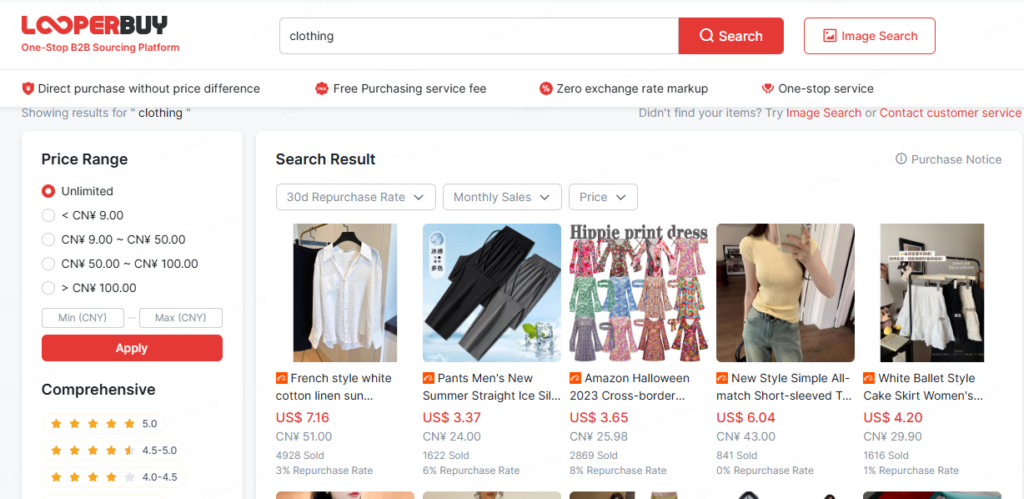
If you want to do dropshipping directly without registering 1688, you can use looperbuy, a one-stop purchasing-logistics solution:https://looperbuy.com/.
Related Questions & Answers
· What are the key benefits of starting a drop shipping clothing business?
The key benefits include low startup costs, minimal inventory risk, flexibility in product selection, and the ability to operate from anywhere with an internet connection.
· How can I find reliable drop shipping clothing suppliers?
Research potential suppliers using directories like SaleHoo and Worldwide Brands. Check their credibility through reviews and testimonials, request product samples, and compare their services and pricing. Also, consider attending trade shows or joining industry associations to discover reliable suppliers.
· What are the main challenges in drop shipping clothing, and how can I overcome them?
Challenges include finding reliable suppliers, ensuring product quality, managing shipping logistics, and handling returns. Overcome these by conducting thorough supplier vetting, establishing clear quality standards, selecting suppliers with efficient shipping processes, and setting up clear return policies.
· How important is marketing for a drop shipping clothing business?
Marketing is crucial for driving traffic and generating sales. Utilize strategies like social media marketing, content marketing, email campaigns, and paid advertising. Create engaging content and leverage influencer partnerships to attract customers and build brand awareness.
· What role does customer service play in drop shipping clothing success?
Exceptional customer service is vital for building loyalty and encouraging repeat business. Provide clear product information, ensure timely order fulfillment, and be responsive to customer inquiries. Address issues promptly and resolve problems to enhance customer satisfaction and encourage positive word – of – mouth referrals.
Hot Tags: Drop Shipping Clothing Business Model; Drop Shipping Clothing Suppliers; Drop Shipping Fashion Trends; Online Clothing Drop Shipping; Sustainable Fashion Drop Shipping; Customizable Clothing Drop Shipping; Drop Shipping Marketing Strategies; Cross – Border Drop Shipping Clothing; Drop Shipping E – commerce Platforms; Drop Shipping Inventory Management