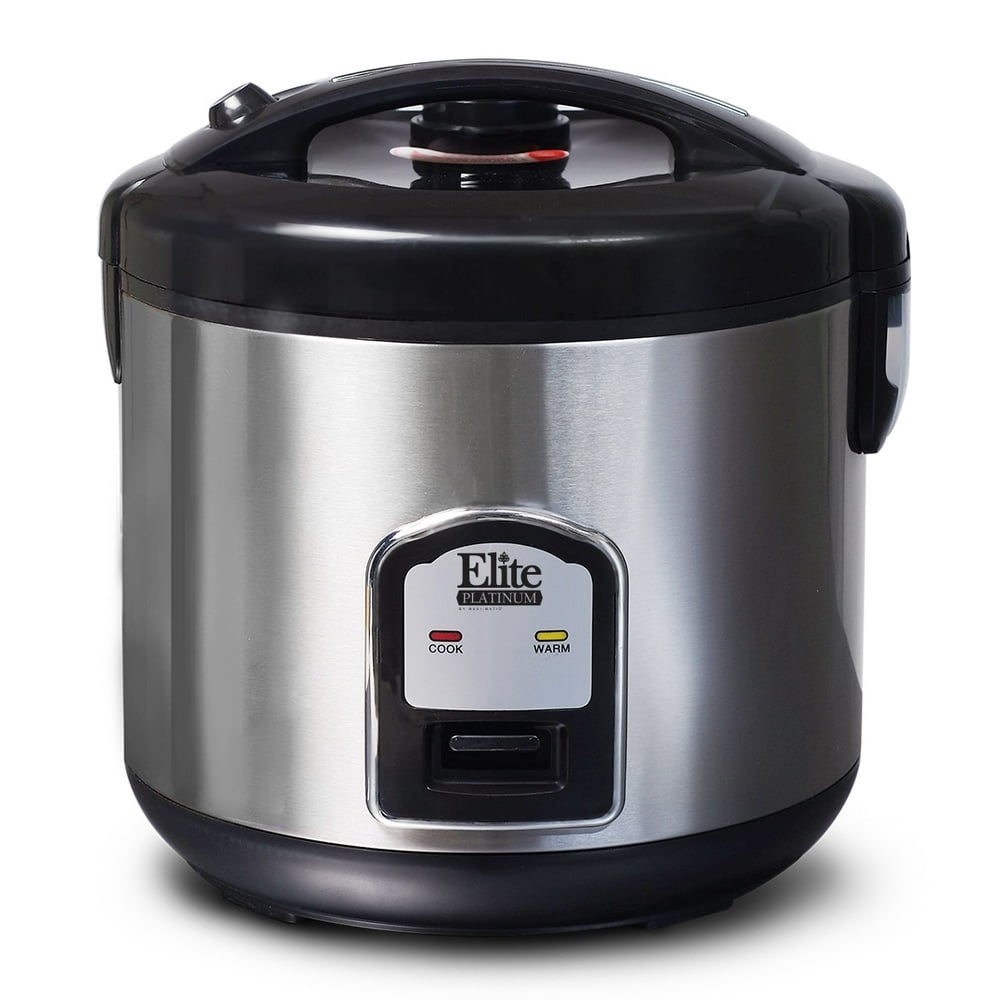
When it comes to cooking rice, the choice of equipment can significantly impact the quality of the final dish. Among the various options available, stainless steel rice cookers have gained popularity for their durability, efficiency, and health benefits. This article explores the advantages of using a stainless steel rice cooker, how to choose the right one, and tips for maintaining it. By the end, you will understand why a stainless steel rice cooker is a valuable addition to your kitchen.
Table of Contents
The Benefits of Using a Stainless Steel Rice Cooker
Durability and Longevity
Stainless steel rice cookers are known for their robust construction. Unlike plastic models, which can warp or discolor over time, stainless steel is resistant to scratches and dents. This durability ensures that your rice cooker will last for many years, making it a worthwhile investment for any kitchen. The material’s resilience also means it can withstand high temperatures without degrading, which is essential for consistent cooking results. Additionally, many stainless steel rice cookers come with warranties that reflect their manufacturers’ confidence in their longevity, further assuring you of their quality.
Health and Safety
One of the primary concerns with kitchen appliances is the materials used in their construction. Stainless steel is non-reactive, meaning it won’t leach harmful chemicals into your food. This is particularly important when cooking acidic foods, which can react with other materials. By choosing a stainless steel rice cooker, you can cook with peace of mind, knowing that your meals are safe and healthy. Furthermore, stainless steel is easy to sanitize, reducing the risk of bacterial contamination, which is crucial for maintaining food safety in your kitchen.
Even Cooking
Stainless steel rice cookers often feature a multi-layered base that promotes even heat distribution. This design helps prevent hot spots, ensuring that your rice cooks uniformly. As a result, you can expect perfectly fluffy rice every time, without the risk of burning or undercooking. The even cooking also means that you can experiment with different types of rice, such as jasmine, basmati, or brown rice, and achieve excellent results. This versatility allows you to expand your culinary repertoire and enjoy a variety of rice dishes.
Easy to Clean
Cleaning kitchen appliances can be a chore, but stainless steel rice cookers simplify this task. The smooth surface of stainless steel is easy to wipe down, and many models come with removable inner pots that are dishwasher safe. This convenience makes it easier to maintain hygiene in your kitchen. Additionally, stainless steel does not retain odors or stains, which is particularly beneficial when cooking different types of rice or other foods. Regular cleaning not only keeps your rice cooker looking new but also ensures that it functions optimally for years to come.
Versatility
Many stainless steel rice cookers come with multiple cooking functions, allowing you to prepare not just rice but also grains, soups, and stews. This versatility makes them a valuable addition to any kitchen, as they can replace several other appliances. Some models even include settings for steaming vegetables or making porridge, further enhancing their utility. This multifunctionality can save you time and space in the kitchen, making meal preparation more efficient and enjoyable.
How to Choose the Right Stainless Steel Rice Cooker
Capacity
When selecting a stainless steel rice cooker, consider the capacity that best suits your needs. Rice cookers come in various sizes, typically ranging from 3 to 20 cups of cooked rice. If you often cook for a large family or entertain guests, a larger capacity model may be more appropriate. Conversely, if you typically cook for one or two people, a smaller model may suffice. Understanding your cooking habits and portion sizes will help you choose a rice cooker that meets your needs without wasting energy or space.
Features
Modern rice cookers come equipped with a variety of features. Look for models with programmable settings, timers, and keep-warm functions. Some advanced models even offer fuzzy logic technology, which adjusts cooking times and temperatures for optimal results. These features can enhance your cooking experience by allowing you to set the cooker and forget it, freeing you to focus on other tasks. Additionally, some rice cookers include LCD screens that display cooking progress, making it easier to monitor your meal.
Brand Reputation
Researching brands can help you find a reliable stainless steel rice cooker. Look for brands known for their quality and customer service. Reading reviews and ratings can also provide insight into the performance and durability of specific models. Established brands often have a track record of producing high-quality appliances, and customer feedback can highlight any potential issues or advantages. Investing in a reputable brand can give you confidence in your purchase and ensure you receive a product that meets your expectations.
Price
Stainless steel rice cookers are available at various price points. While it may be tempting to opt for the cheapest option, investing in a higher-quality model can save you money in the long run due to its durability and performance. Consider the features and capacity you need, and balance these with your budget. Sometimes, spending a little more upfront can lead to significant savings over time, as a well-made rice cooker will require fewer repairs and replacements.
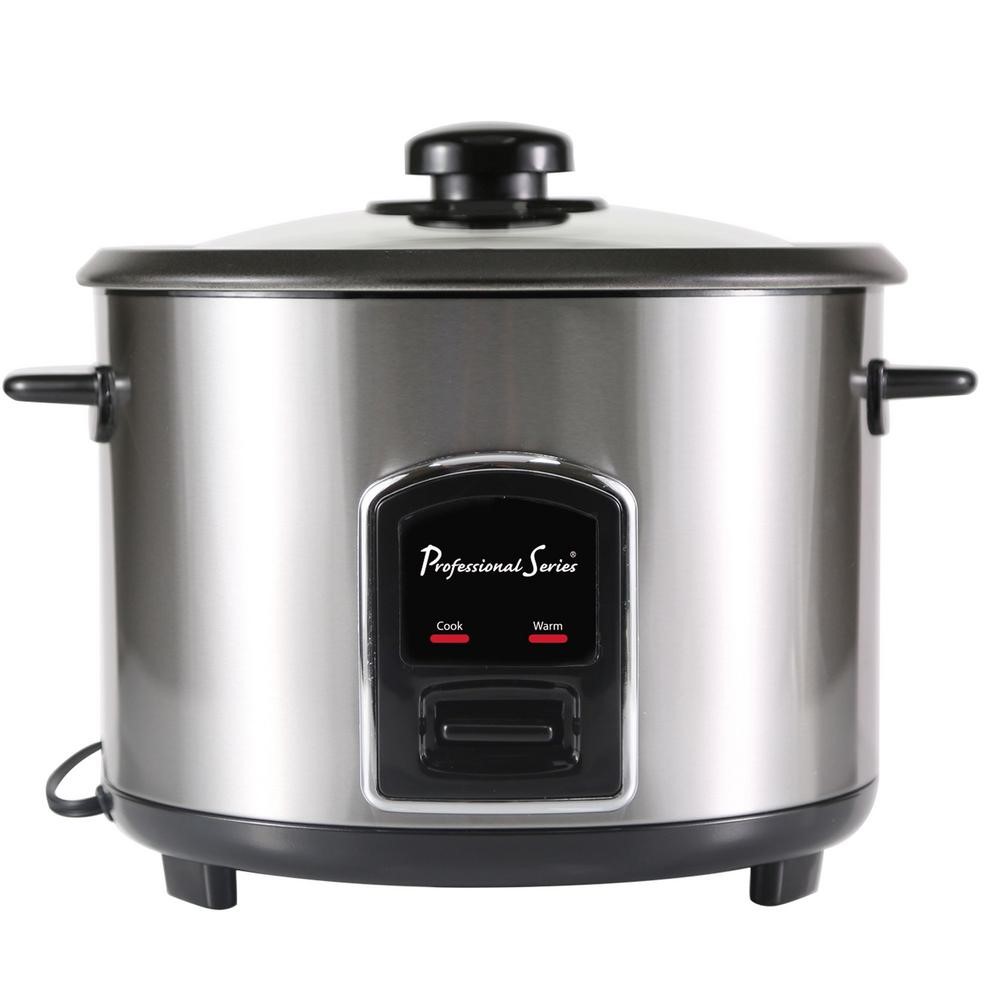
Tips for Maintaining Your Stainless Steel Rice Cooker
Regular Cleaning
To keep your stainless steel rice cooker in top condition, clean it regularly. After each use, wash the inner pot and lid with warm, soapy water. Avoid using abrasive cleaners that can scratch the surface. Additionally, pay attention to the exterior of the cooker, as food splatters can accumulate over time. A gentle wipe with a damp cloth can keep the appliance looking pristine. Regular cleaning not only maintains the appearance of your rice cooker but also ensures that it operates efficiently.
Descaling
If you live in an area with hard water, mineral deposits can build up in your rice cooker over time. To prevent this, descale your cooker periodically using a mixture of vinegar and water. This will help maintain its performance and extend its lifespan. Descaling is a simple process that can be done every few months, depending on your water quality. By keeping your rice cooker free of mineral buildup, you ensure that it continues to cook rice evenly and efficiently.
Proper Storage
When not in use, store your stainless steel rice cooker in a dry place. Ensure that the inner pot is completely dry before putting it away to prevent mold growth. If your rice cooker has a removable power cord, detach it to save space and prevent damage. Proper storage not only protects your appliance but also prolongs its life. Consider keeping it in a cabinet or on a shelf where it is easily accessible but protected from dust and moisture.
Follow Manufacturer Instructions
Always refer to the manufacturer’s instructions for specific care and maintenance guidelines. This will help you avoid any potential issues and ensure that your rice cooker operates efficiently. Each model may have unique features or requirements, and following these guidelines can enhance your cooking experience. Additionally, keeping the manual handy can provide troubleshooting tips if you encounter any problems.
Conclusion
A stainless steel rice cooker is an excellent investment for anyone who enjoys cooking rice and other grains. With its durability, health benefits, and ease of use, it stands out as a superior choice compared to other materials. By selecting the right model and maintaining it properly, you can enjoy perfectly cooked rice for years to come. The versatility and efficiency of a stainless steel rice cooker make it an essential tool in any kitchen, allowing you to explore a wide range of culinary possibilities.
How to purchase:https://looperbuy.com/search?keywords=Stainless+Steel+Rice+Cooker
Frequently Asked Questions
1. What is the advantage of a stainless steel rice cooker over a non-stick one?
Stainless steel rice cookers are more durable and do not leach chemicals into food, making them a healthier option compared to non-stick models. They also provide better heat distribution, resulting in more evenly cooked rice.
2. Can I cook other grains in a stainless steel rice cooker?
Yes, many stainless steel rice cookers are versatile and can be used to cook various grains, including quinoa, barley, and oats. This flexibility allows you to diversify your meals and experiment with different recipes.
3. How do I clean my stainless steel rice cooker?
Clean the inner pot and lid with warm, soapy water after each use. Avoid abrasive cleaners to prevent scratching. For stubborn stains, a mixture of baking soda and water can be effective.
4. Is it safe to use a stainless steel rice cooker for cooking soups and stews?
Absolutely! Stainless steel rice cookers are designed to handle a variety of cooking tasks, including soups and stews. Their robust construction ensures they can withstand the heat and moisture involved in these cooking methods.
5. How long does a stainless steel rice cooker last?
With proper care and maintenance, a stainless steel rice cooker can last for many years, often exceeding a decade. Regular cleaning and following the manufacturer’s guidelines can significantly extend its lifespan.