When it comes to small children’s toys, parents often find themselves overwhelmed by the vast array of options available. Choosing the right toys is crucial not only for entertainment but also for the developmental benefits they provide. This article explores the best small children’s toys, their benefits, and how they can enhance a child’s growth and learning. Understanding the significance of these toys can help parents make informed decisions that align with their child’s developmental needs.
Table of Contents
Understanding the Importance of Small Children’s Toys
The Role of Toys in Child Development
Toys play a significant role in a child’s development. They are not just tools for entertainment; they are essential for cognitive, social, and emotional growth. Small children’s toys, in particular, can help develop fine motor skills, encourage imaginative play, and foster social interactions. Through play, children learn to navigate their environment, understand cause and effect, and develop critical thinking skills. Engaging with toys allows children to explore their creativity and express their thoughts and feelings in a safe and supportive setting.
Types of Small Children’s Toys
There are various types of small children’s toys, each serving different developmental purposes. Here are some popular categories:
Educational Toys
Educational toys are designed to promote learning through play. They often incorporate elements of science, technology, engineering, and mathematics (STEM). Examples include building blocks, puzzles, and interactive learning games. These toys help children develop critical thinking skills and problem-solving abilities. By engaging with educational toys, children can learn concepts such as numbers, shapes, and colors in a fun and interactive way, laying a strong foundation for future learning.
Creative Toys
Creative toys encourage children to express themselves and explore their imagination. Art supplies, musical instruments, and craft kits fall into this category. These toys not only enhance creativity but also improve hand-eye coordination and fine motor skills. Engaging in creative play allows children to experiment with different materials and techniques, fostering a sense of accomplishment and boosting their self-esteem as they create unique works of art.
Active Play Toys
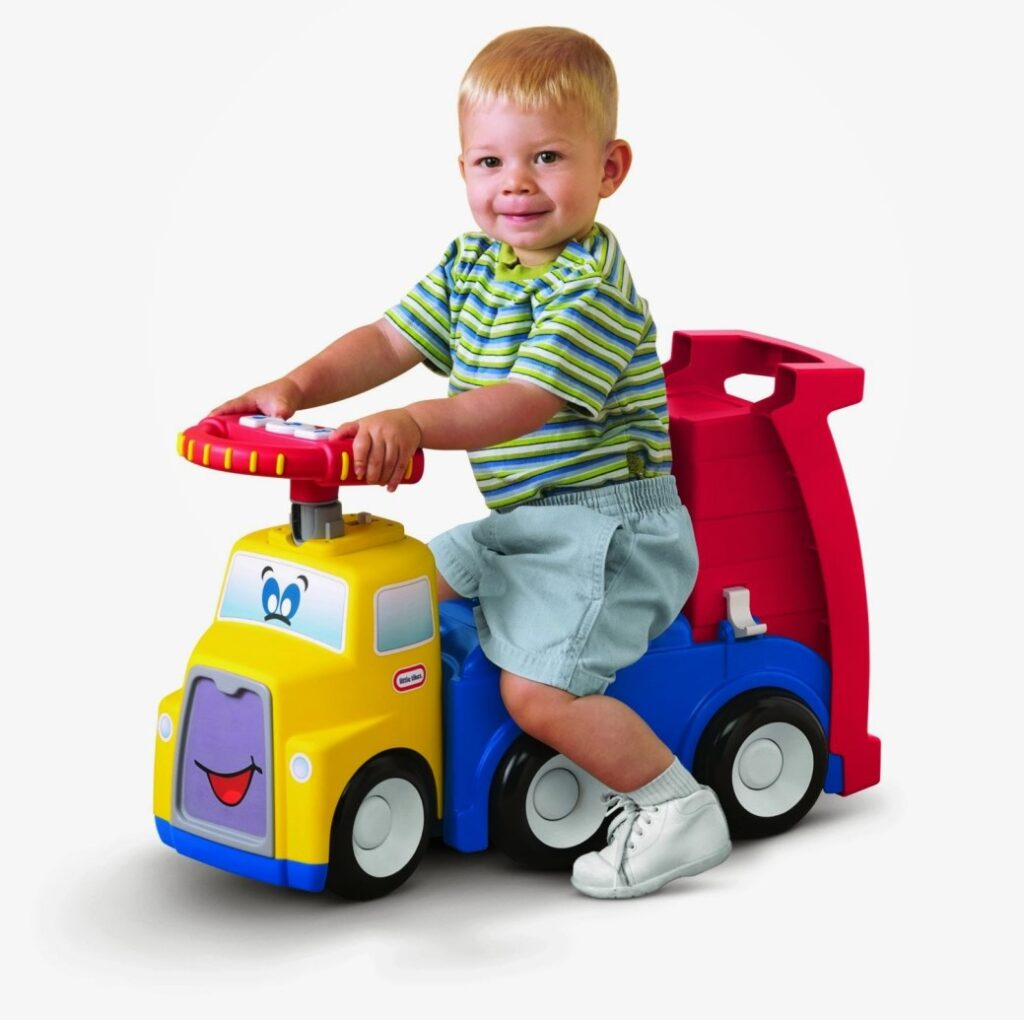
Active play toys promote physical activity and help children develop gross motor skills. Small balls, jump ropes, and ride-on toys are excellent examples. Engaging in active play is essential for a child’s physical health and overall well-being. It helps children build strength, coordination, and balance while also providing an outlet for energy. Active play can also improve cardiovascular health and instill a love for physical activity that can last a lifetime.
Social Play Toys
Social play toys are designed to encourage interaction among children. Board games, dolls, and action figures can help children learn to share, cooperate, and communicate effectively. These toys are vital for developing social skills and emotional intelligence. Through social play, children learn to navigate relationships, understand different perspectives, and develop empathy, which are crucial skills for their future interactions in school and beyond.
Choosing the Right Small Children’s Toys
Age Appropriateness
When selecting small children’s toys, it’s essential to consider the child’s age. Toys should be age-appropriate to ensure safety and maximize developmental benefits. For instance, toys with small parts may pose a choking hazard for younger children. Understanding the developmental milestones of children at different ages can guide parents in selecting toys that will engage and challenge their children appropriately.
Safety Considerations
Safety is paramount when it comes to children’s toys. Look for toys made from non-toxic materials and those that meet safety standards. Always check for age recommendations and avoid toys with sharp edges or small detachable parts. Parents should also be aware of recalls and safety alerts related to toys, ensuring that the toys in their homes are safe for their children to use.
Quality and Durability
Investing in high-quality toys can save money in the long run. Durable toys withstand rough play and last longer, providing more value. Look for brands known for their commitment to quality and safety. High-quality toys not only provide better play experiences but also reduce the likelihood of accidents and injuries, giving parents peace of mind.
Popular Small Children’s Toys
Building Blocks
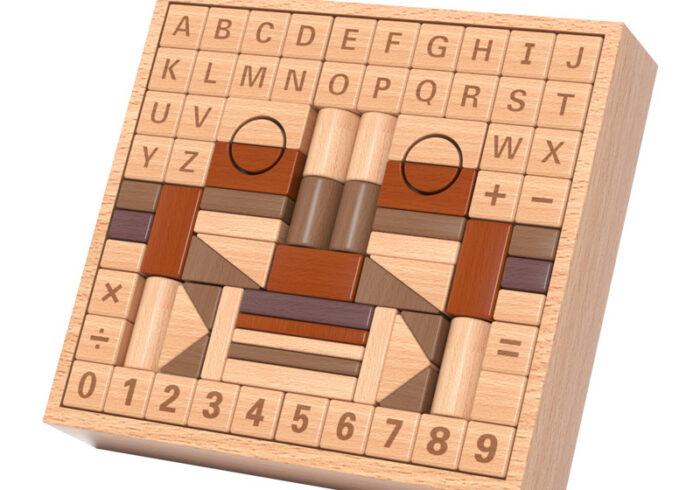
Building blocks are a classic choice for small children’s toys. They come in various shapes, sizes, and colors, allowing children to create anything from simple structures to complex designs. Playing with building blocks enhances spatial awareness, creativity, and fine motor skills. As children stack and balance blocks, they learn about gravity, symmetry, and balance, all while having fun. Building blocks also encourage collaborative play, as children can work together to create larger structures.
Action Figures and Dolls
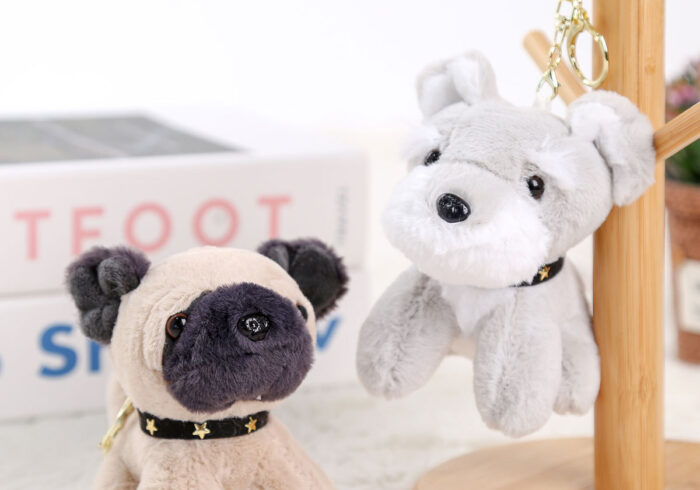
Action figures and dolls are beloved by many children. They encourage imaginative play and storytelling, allowing children to create their own narratives. These toys also help develop social skills as children often engage in cooperative play with their peers. Through role-playing with dolls and action figures, children can explore different scenarios, practice empathy, and develop their communication skills. This type of play is essential for emotional development, as it allows children to process their feelings and experiences.
Art Supplies
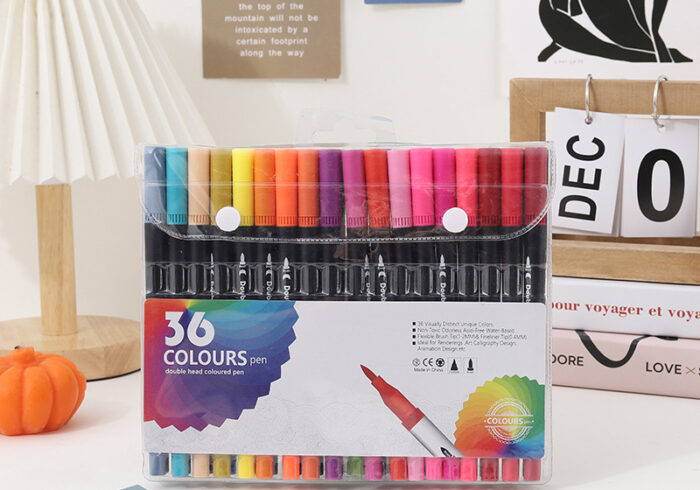
Art supplies, such as crayons, markers, and modeling clay, are excellent for fostering creativity. They allow children to express themselves artistically and improve their fine motor skills. Engaging in art activities can also be therapeutic and calming for children. Art encourages experimentation and self-expression, helping children to develop their unique styles and preferences. Additionally, creating art can boost cognitive development as children learn to make choices and solve problems during the creative process.
Puzzles
Puzzles are fantastic for developing problem-solving skills and cognitive abilities. They come in various difficulty levels, making them suitable for different age groups. Completing a puzzle gives children a sense of accomplishment and boosts their confidence. Puzzles also enhance concentration and patience, as children must focus on fitting pieces together. This type of play can improve visual-spatial skills and promote logical thinking, which are essential for academic success.
Musical Instruments
Small musical instruments, like tambourines, xylophones, and maracas, introduce children to the world of music. Playing instruments enhances auditory skills, rhythm, and coordination. Music also has a positive impact on emotional development and can be a fun way for children to express themselves. Engaging with music can improve memory and attention, as children learn to follow rhythms and melodies. Additionally, music can foster a sense of community when children play together, promoting social bonds and teamwork.
The Benefits of Small Children’s Toys
Enhancing Cognitive Skills
Small children’s toys stimulate cognitive development by encouraging problem-solving, critical thinking, and creativity. Toys that require manipulation, such as building blocks and puzzles, challenge children to think and strategize. Engaging with these toys helps children develop essential skills that will benefit them in school and everyday life. Cognitive play also encourages curiosity, as children explore and experiment with different concepts and ideas.
Promoting Social Interaction
Toys that encourage group play help children develop social skills. Playing with others teaches children how to share, take turns, and communicate effectively. These interactions are crucial for building friendships and understanding social dynamics. Social play also helps children learn conflict resolution skills, as they navigate disagreements and find solutions together. This type of play is essential for developing emotional intelligence and empathy.
Supporting Emotional Development
Toys can also play a role in emotional development. Dolls and action figures allow children to explore different emotions and scenarios, helping them understand their feelings and those of others. This type of play can be particularly beneficial for children who may struggle with expressing their emotions. By acting out various situations, children can process their experiences and develop coping strategies for dealing with their feelings.
Encouraging Physical Activity
Active play toys promote physical health by encouraging movement and exercise. Engaging in physical play helps children develop coordination, balance, and strength. It also instills healthy habits that can last a lifetime. Physical activity is essential for overall well-being, as it contributes to healthy growth and development. Encouraging children to engage in active play can also reduce the risk of obesity and related health issues.
Tips for Parents on Selecting Small Children’s Toys
Observe Your Child’s Interests
Pay attention to what your child enjoys. If they love building, consider toys like blocks or construction sets. If they are drawn to art, invest in quality art supplies. Tailoring toy choices to your child’s interests can enhance their engagement and enjoyment. Understanding your child’s preferences can also help you introduce new types of play that they may not have considered before.
Rotate Toys
To keep playtime fresh and exciting, consider rotating toys. Store some toys away for a while and then reintroduce them later. This strategy can reignite interest and encourage children to explore their toys in new ways. Rotating toys can also help reduce clutter and make it easier for children to focus on the toys they have available.
Encourage Open-Ended Play
Choose toys that allow for open-ended play, where children can use their imagination to create their own games and scenarios. This type of play fosters creativity and problem-solving skills. Open-ended toys, such as building sets and art supplies, provide endless possibilities for exploration and discovery, allowing children to engage in play that is meaningful to them.
Set Limits on Screen Time
In today’s digital age, it’s essential to set limits on screen time. Encourage your child to engage with physical toys rather than relying solely on electronic devices. This balance promotes healthier play habits and encourages more interactive and imaginative play. Setting boundaries around screen time can also help children develop a greater appreciation for hands-on play and the benefits it provides.
Conclusion
Small children’s toys are more than just playthings; they are vital tools for development and learning. By choosing the right toys, parents can support their children’s cognitive, social, emotional, and physical growth. Whether it’s building blocks, dolls, or art supplies, the right small children’s toys can provide endless opportunities for fun and learning. Investing in quality toys that align with a child’s interests and developmental needs can create a rich play environment that fosters growth and joy.
How to purchase:https://looperbuy.com/search?keywords=Small+Children%27s+Toys
Frequently Asked Questions
1.What are the best small toys for toddlers?
The best small toys for toddlers include building blocks, soft dolls, and simple puzzles. These toys promote fine motor skills and imaginative play.
2.How can toys help with a child’s development?
Toys aid in development by enhancing cognitive skills, promoting social interaction, and supporting emotional growth through play.
3.Are there any safety concerns with small children’s toys?
Yes, safety concerns include choking hazards from small parts and the use of non-toxic materials. Always check age recommendations and safety standards.
4.What types of toys are best for encouraging creativity?
Art supplies, building sets, and imaginative play toys like dolls and action figures are excellent for encouraging creativity.
5.How often should I rotate my child’s toys?
Rotating toys every few weeks can keep playtime exciting and encourage children to engage with their toys in new ways.