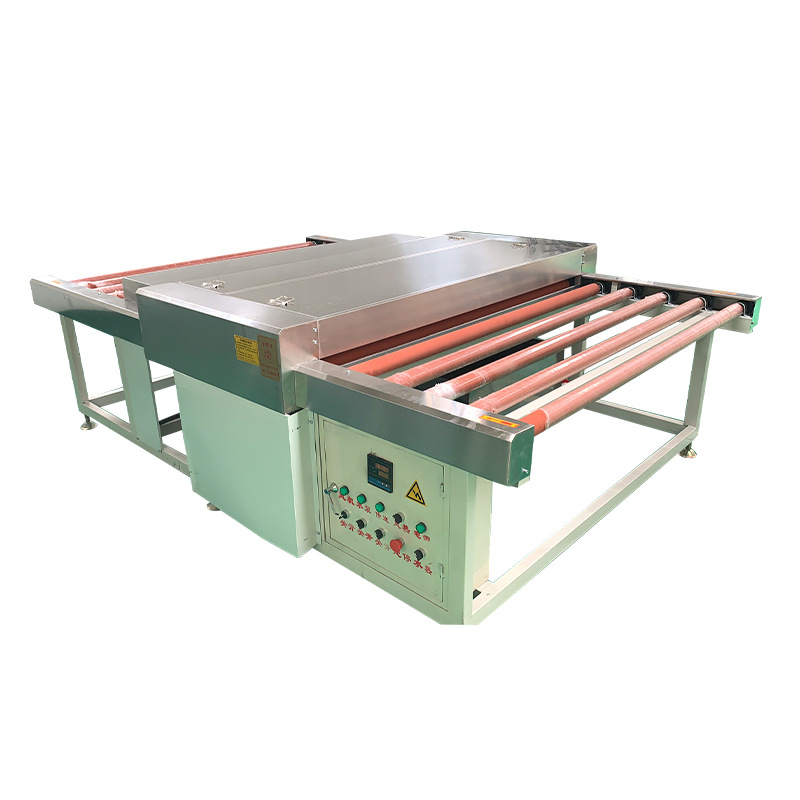
The global demand for mobile device accessories has skyrocketed alongside the ubiquitous rise of smartphones. As consumer reliance on high-resolution, fragile touchscreens increases, so too does the need for robust protective solutions. At the heart of the supply chain lies the sophisticated technology driving the production of tempered glass. Moving beyond manual craft and artisanal precision, the industry has pivoted toward highly efficient, scalable solutions, most notably the automatic mobile tempered glass making machine. These industrial powerhouses have transformed a once painstaking process into a streamlined assembly line capable of meeting millions of units in demand while maintaining stringent quality control.

Table of Contents
The Technological Architecture of Automated Glass Production
The transition from semi-manual production to fully automated lines represents a monumental shift in manufacturing capability. Modern facilities now utilize integrated systems that handle every stage of glass preparation, from initial cutting to the complex tempering processes that give the material its strength.
Precision Cutting and Shaping
Before any tempering occurs, the raw glass must be precisely shaped to fit specific device dimensions. Automated CNC waterjet or laser cutting systems are employed to ensure that every edge is perfectly aligned with the screen geometry of the latest smartphone models. These systems eliminate human error, ensuring that cutouts for sensors, cameras, and buttons are consistent across millions of units. By utilizing CAD files directly imported into the cutting machinery, manufacturers can shift production between different device models in a matter of minutes, significantly reducing downtime. The integration of high-speed fiber lasers has further revolutionized this step, allowing for clean, polished edges that require minimal secondary finishing. Furthermore, the use of robotic arms in the loading and unloading of glass sheets ensures that materials are handled with the care required to prevent micro-fractures during the raw state of processing.
Chemical and Thermal Tempering
The essence of “tempered” glass lies in the treatment process. Automatic machines manage this through complex heating and cooling cycles. The glass is subjected to high-temperature furnaces where the molecular structure is reorganized. Immediately following this, controlled air quenching systems rapidly cool the surface. This creates an internal tension profile that gives the glass its characteristic shatter resistance. Automated monitoring ensures that temperature gradients are maintained to within a fraction of a degree, preventing structural weaknesses that could lead to premature cracking or edge chipping. Advanced sensor arrays now track the thermal history of every single piece, ensuring that if a process deviation occurs, the faulty unit is automatically culled from the line. This precision is what allows manufacturers to produce glass that is incredibly thin—often under 0.3mm—yet retains the hardness of traditional industrial tempered panels.
Streamlining the Finishing Touches
Once the structural integrity is established, the glass must be refined to provide the smooth, smudge-resistant experience that users expect. Automation plays an equally critical role here, as the human touch is often detrimental to the chemical purity of the finished surface.
Applying Oleophobic Coatings
The “feel” of a high-quality screen protector is largely defined by its oleophobic layer. Automated spraying or vacuum deposition chambers apply this microscopic coating uniformly across the entire surface. By regulating the deposition rate through automated flow controllers, the machine ensures that the layer is thick enough to repel oil and fingerprints, yet thin enough that it does not affect screen clarity or touch sensitivity. This precision application is vital, as inconsistent coating thickness leads to “ghosting” or oily patches that users find frustratingly difficult to clean. Modern machines utilize plasma treatment before coating to ensure the glass surface is perfectly activated, allowing for maximum chemical bonding of the oleophobic layer, which significantly extends the lifespan of the coating.
Optical Clarity and Adhesive Layering
Transparency is non-negotiable for premium screen protectors. Automated optical inspection systems scan every piece of glass for microscopic defects, dust particles, or inclusions that would otherwise compromise the user experience. Following inspection, high-precision rollers apply the adhesive layer, often utilizing silicone-based adhesives that allow for bubble-free application. These machines use vacuum-sealed environments to ensure that no foreign contaminants are trapped between the glass and the adhesive, a common failing point in lower-quality manufacturing. By maintaining a Class 100 cleanroom environment within the assembly machine, manufacturers can guarantee near-zero failure rates during the final lamination stage. This process involves precise temperature and pressure controls, ensuring that the adhesive is evenly distributed to prevent any edge lifting or “halo” effects after application.
Economic Impacts of Automation in Glass Manufacturing
The move toward full-scale automation is driven by more than just speed; it is fundamentally about economic sustainability and scalability in a hyper-competitive market.
Cost Efficiency and Resource Management
By minimizing human intervention, manufacturers drastically reduce the overhead costs associated with labor and waste. Automated machines can operate continuously, requiring only minimal oversight for maintenance. Furthermore, the precision of these systems ensures that raw material waste is kept to an absolute minimum. In a commodity-driven market where margins can be slim, the ability to produce more units at a lower cost per piece is the difference between profitability and failure. Modern machines also feature energy-recovery systems that capture and reuse the heat generated during the tempering phase, significantly lowering electricity expenditures. Furthermore, centralized digital management platforms allow factory managers to track resource consumption per unit in real-time, enabling proactive adjustments that further minimize environmental footprint.
Scaling to Meet Global Demand
When a new smartphone launches, the demand for accessories is instantaneous and massive. Automated assembly lines allow manufacturers to scale production volume overnight. With modular machine designs, factories can expand their output by simply adding parallel production units. This agility allows accessory companies to capitalize on product launch windows, delivering protective gear to retail shelves or fulfillment centers simultaneously with the phone’s market arrival. This synchronization is crucial, as the first few weeks of a phone’s release represent the highest-volume sales period for screen protection. By utilizing sophisticated logistics and inventory management software, these automated factories can prioritize high-demand models, ensuring retail channels are never left empty-handed during peak launch cycles.
Quality Assurance in the Age of Robots
The final stages of production involve rigorous testing, where automation truly shines. The human eye is inherently subjective, whereas robotic testing modules provide objective, repeatable data.

Impact Testing and Stress Analysis
Automated drop-test rigs simulate the conditions of real-world accidents. By dropping calibrated weights onto glass samples at specific angles and heights, the system generates failure-rate data that helps engineers refine their tempering processes. This cycle of continuous improvement—where machine performance data directly informs machine settings—is what allows modern protectors to be thinner yet more resilient than their predecessors. Robotic arms can perform thousands of cycles per day, stress-testing samples to failure to ensure the tempering profiles meet safety standards. By analyzing the crack patterns through image recognition software, the machine can identify if the glass broke due to an edge weakness or a surface imperfection, allowing for precise adjustments to the tempering parameters.
Integration with Packaging and Supply Chain
The final step in the process involves moving the finished, inspected product into its protective packaging. Automated robotic arms pick the glass, place it into pre-formed trays, and seal the retail packaging. This end-to-end integration ensures that the product is never touched by human hands until the final consumer opens the box, maintaining a level of hygiene and cleanliness that is impossible to achieve in a manual environment. Furthermore, the machines can integrate with ERP systems to print SKU-specific barcodes and shipping labels, ensuring the product is ready for global distribution the moment it rolls off the line. This seamless transition from factory floor to shipping container reduces the risk of in-transit damage and ensures that the integrity of the product remains uncompromised from start to finish.
Expanding Capabilities: The Versatility of Modern Machines
As the mobile accessory market diversifies, the machinery itself has become increasingly versatile, capable of adapting to new materials and form factors.
Adapting to Foldable and Flexible Displays
The emergence of foldable smartphones has presented a new challenge for tempered glass manufacturers. Rigid glass cannot be used on a hinge, which has pushed the development of ultra-thin flexible glass (UTG). Modern automated machines have been retrofitted with advanced rollers and specialized tensioning systems to handle these delicate materials. The ability to manipulate glass that is thinner than a human hair without causing damage is a testament to the precision of modern robotic calibration. These machines ensure that the flexible properties of the glass are preserved throughout the tempering and coating phases, providing users with a screen protector that can actually fold along with their device.
Customization and Personalized Manufacturing
Beyond mass production, automated systems are beginning to offer options for customized protection. Some high-end manufacturing lines now utilize inkjet-style precision printers to apply custom designs, privacy filters, or anti-reflective layers based on specific consumer requests. This “on-demand” manufacturing capability allows brands to offer personalized accessories without needing to maintain separate, high-volume production lines. By simply adjusting the software parameters, a machine can transition from a standard clear protector to a premium privacy glass, allowing for a diverse product portfolio managed by a singular, efficient production ecosystem. This versatility is rapidly becoming a key competitive advantage in a market increasingly saturated with generic, one-size-fits-all products.
The Future Horizons: Innovation in Automated Lines
As we look toward the future, the integration of Artificial Intelligence and Machine Learning (AI/ML) into these production lines is the next frontier. Imagine a machine that can “see” the raw glass sheet and predict exactly how much heat it needs based on the microscopic density of the material, adjusting the tempering cycle in real-time. We are moving toward a manufacturing model that is self-correcting and highly predictive. Furthermore, as display technology shifts toward holographic or augmented reality glass, the manufacturing machines are being adapted to handle multi-layered materials. These materials require even more delicate handling and precise chemical tempering processes, pushing the boundaries of what automated systems can achieve. The synergy between human ingenuity in machine design and the raw processing power of AI will undoubtedly continue to push the boundaries of what is possible in screen protection.

Conclusion
The automatic mobile tempered glass making machine is the unsung hero of the modern digital lifestyle. By integrating cutting, chemical treatment, coating application, and quality control into a seamless, high-speed ecosystem, these machines have democratized access to high-quality screen protection. While the technology continues to advance, the core principles of precision, speed, and consistency remain the bedrock of the industry. As smartphone displays continue to evolve toward more complex shapes and foldable form factors, the flexibility of these automated systems will be the primary driver of future innovation in the accessory market, ensuring our devices remain protected against the rigors of modern life.
How to purchase:Online B2B sourcing platform, China purchase, Chinese suppliers – LooperBuy
Related Questions & Answers
· How does an automatic machine handle different phone models?
These machines typically use programmable logic controllers (PLCs) and modular jigs. When changing to a new phone model, operators simply load a new design file and swap out the specific physical molds or cutting dies, allowing for rapid retooling without requiring a full machine overhaul.
· Why is automation better than manual production for glass?
Manual production is prone to human error, specifically regarding contamination from skin oils or dust during the coating process. Automation happens in sealed, clean-room environments, ensuring consistent optical clarity and adhesive strength that hand-crafted methods cannot match.
· Does automation affect the price of screen protectors for the consumer?
Yes, significantly. By increasing production yields and reducing labor costs, automation has made high-quality tempered glass accessible. The massive supply capacity provided by these machines drives competitive pricing in the global market, effectively lowering the cost per unit for the end-user.
· How do these machines ensure the glass is actually “shatter-proof”?
They use integrated tempering sensors that track the thermal profile of the glass during cooling. By ensuring the surface and core reach specific temperature differences, the machine guarantees the glass develops the internal tension required to resist impacts effectively.
· What maintenance does an automatic glass machine require?
Routine maintenance includes cleaning the adhesive rollers, recalibrating the cutting lasers or waterjets for precision, and updating the software for new screen dimensions. Many modern machines also feature self-diagnostic systems that alert operators before a part reaches its wear-limit, preventing unexpected downtime.
Hot Tags:TemperedGlass, ManufacturingAutomation, SmartphoneAccessories, IndustrialMachinery, GlassTempering, ProductionEfficiency, ScreenProtectionTech, CNCManufacturing, SupplyChainScaling, SmartFactory, RoboticsInManufacturing, HighSpeedProduction, PrecisionEngineering, QualityControlSystems, OpticalClarityTesting, AutomatedLamination, GlassPolishingTech, DigitalDeviceProtection, MassProductionLogistics, TechInfrastructure, FactoryOptimization, WearableTechAccessories, AdvancedMaterialProcessing, IndustrialDesignEfficiency, CleanroomProduction, InnovativeAssemblyLines, MaterialHardeningTech, SmartProductionSolutions, GlobalAccessoryMarket, TechScalabilitySolutions, AutomaticGlassFabrication, SmartphoneSafetyGear, ModernIndustrialInnovation, HighPrecisionManufacturing, AccessorySupplyChainManagement, CuttingEdgeDisplayProtection, NextGenMaterialProcessing, RoboticGlassHandling, OptimizedGlassProduction, IntelligentFactorySystems.