Table of Contents
Introduction to Print on Demand Drop Shipping
Print on demand drop shipping has revolutionized the way businesses approach e-commerce. This innovative model combines the flexibility of drop shipping with the customization capabilities of print on demand, allowing entrepreneurs to offer personalized products without the need for inventory management. This article explores the intricacies of print on demand drop shipping, its benefits, challenges, and how to successfully implement this model in your business.
The Rise of Print on Demand
Print on demand has gained significant traction in recent years, driven by advancements in digital printing technology and the growing demand for personalized products. This model allows businesses to print products only after an order has been placed, reducing waste and eliminating the need for bulk inventory.
How Print on Demand Drop Shipping Works
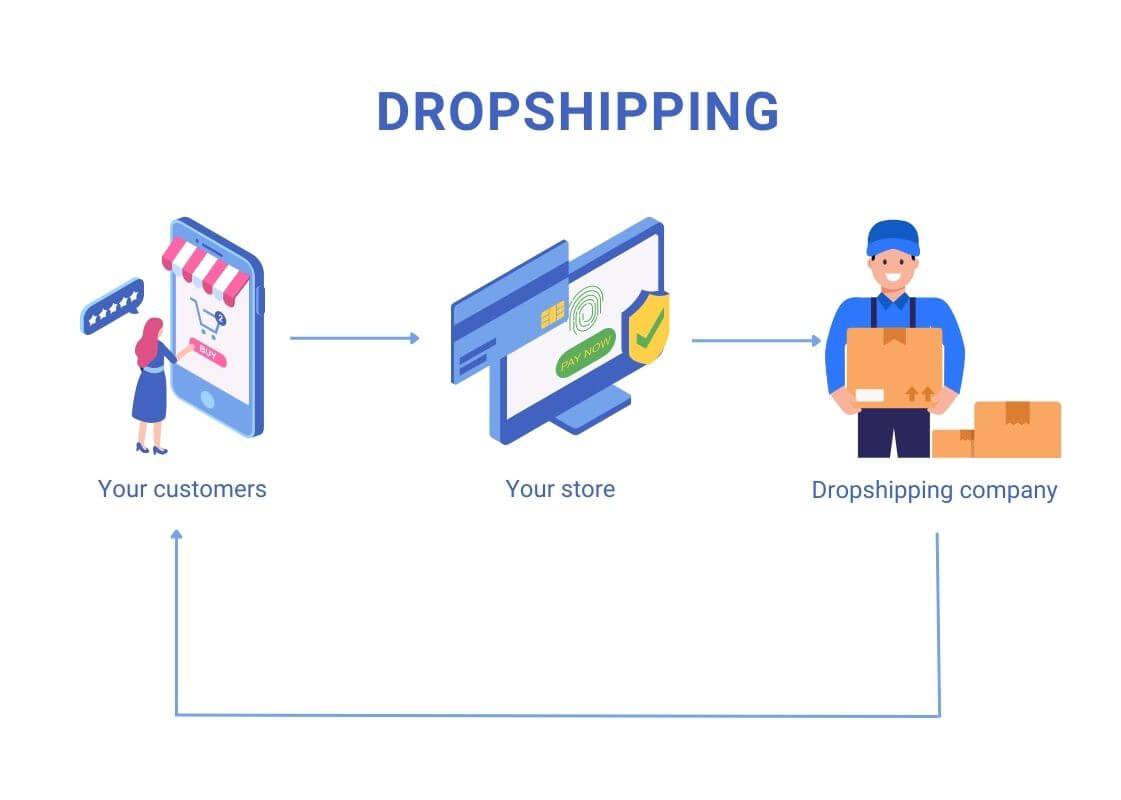
In the print on demand drop shipping model, the retailer creates an online store and markets customizable products to customers. When a customer places an order, the retailer forwards the order details to a third-party print on demand service provider. This provider then prints the product with the customer’s custom design and ships it directly to the customer.

Advantages of Print on Demand Drop Shipping
Low Startup Costs
One of the primary advantages of print on demand drop shipping is the minimal upfront investment required. Entrepreneurs can launch an online store without purchasing inventory in bulk, making it an accessible business model for individuals with limited capital.
No Inventory Management
Since products are printed only after an order has been placed, there is no need for inventory storage. This reduces the risk of overstocking and allows businesses to offer a wide range of products without the constraints of physical storage.
Customization and Personalization
Print on demand drop shipping enables businesses to offer highly customized products. Customers can personalize items such as t-shirts, mugs, and phone cases with their own designs or text, creating unique products that cater to individual preferences.
Flexibility and Scalability
This model allows businesses to quickly adapt to market trends and customer demands. Retailers can easily add new products or designs to their catalog based on market feedback and trends, making it a highly scalable business model.
Challenges of Print on Demand Drop Shipping
Production and Quality Control
Ensuring consistent product quality can be a challenge. Retailers must carefully vet print on demand service providers to ensure they meet quality standards. Requesting samples and reviewing customer feedback can help in selecting reliable partners.
Shipping Times and Costs
Print on demand products often require longer production times compared to pre-made items. This can lead to longer shipping times and higher shipping costs. Retailers must manage customer expectations regarding delivery times and consider strategies to optimize shipping costs.
Design and Artwork Management
Creating high-quality, customizable designs requires artistic skills and design software proficiency. Retailers must either develop these skills in-house or collaborate with designers to create appealing and functional design templates for customers.
Customer Service Complexity
Handling customer inquiries and issues related to custom orders can be more complex. Retailers must provide clear instructions for customization and be prepared to address issues related to design errors or production delays.
How to Start a Print on Demand Drop Shipping Business
Choosing a Niche
Selecting the right product niche is essential for success. Consider factors such as market demand, competition, product profitability, and personal interest. Research trends using tools like Google Trends, Amazon Best Sellers, and niche forums.
Finding Reliable Print on Demand Service Providers
There are several ways to find reliable print on demand service providers:
- Online Directories: Platforms like Printful, Printify, and Teelaunch offer extensive lists of vetted print on demand services across various product categories.
- Trade Shows and Exhibitions: Events like the National Retail Federation (NRF) Annual Convention provide opportunities to meet service providers in person and establish direct relationships.
- Online Marketplaces: Some online marketplaces, like Etsy and Amazon, offer print on demand services integrated with their platforms.
Setting Up Your Online Store
Choose an e-commerce platform that suits your needs and technical expertise. Popular options include:
- Shopify: User-friendly with numerous templates and integrated print on demand apps.
- WooCommerce: A powerful, customizable plugin for WordPress websites.
- BigCommerce: Offers a balance of ease of use and advanced features.
Marketing Your Print on Demand Drop Shipping Store
Creating a Strong Brand Identity
Your brand identity includes your business name, logo, and brand messaging. Ensure your brand resonates with your target audience and reflects the products you sell. Develop a compelling brand story that highlights the customization capabilities of your store.
Developing a Marketing Strategy
Effective marketing is crucial to drive traffic and sales. Consider the following strategies:
- Social Media Marketing: Utilize platforms like Instagram, Facebook, and TikTok to showcase customizable products through engaging content, influencer collaborations, and targeted ads.
- Content Marketing: Create valuable content such as blogs, videos, and guides related to customization ideas and design tips to attract organic traffic.
- Paid Advertising: Run Google Ads and social media ads targeting specific keywords and audiences.
Managing and Growing Your Print on Demand Drop Shipping Business
Building Supplier Relationships
Build strong relationships with print on demand service providers through clear communication and reliable order volumes. Negotiate favorable terms such as better pricing, faster production times, and dedicated customer service.
Implementing Efficient Order Management Systems
Use order management systems to track and manage orders seamlessly. Automate processes where possible to reduce manual errors and improve fulfillment times. Many e-commerce platforms offer integrated tools to help with this.
Optimizing Customer Experience
Prioritize customer service by responding promptly to inquiries and providing transparent shipping updates. Address issues efficiently to build trust and encourage repeat business. Collect customer feedback to continuously improve your offerings.
Data-Driven Business Decisions
Utilize analytics tools to track sales performance, customer behavior, and marketing effectiveness. Use this data to make informed decisions about product selection, marketing strategies, and business growth opportunities.
Conclusion
Print on demand drop shipping offers a unique opportunity for entrepreneurs to enter the e-commerce space with minimal risks. By understanding the model’s mechanics, leveraging its advantages, and addressing its challenges, you can build a successful and scalable business. Choosing the right niche, finding reliable service providers, effectively marketing, and continuously optimizing operations are key to long-term success in this competitive space.
If you want to start a dropshipping business without registering on 1688, a good e-commerce platform in China, you can use the one-stop purchasing logistics solution looperbuy: https://looperbuy.com/.
Related Questions & Answers
· How do I find reliable print on demand service providers?
Check provider reviews and ratings from other retailers. Start with small orders to test reliability and product quality before committing to larger volumes.
· What are the typical profit margins in print on demand drop shipping?
Profit margins vary but generally range from 20% to 40%. They depend on product costs, provider pricing, marketing expenses, and competitive pricing strategies. Higher margins can be achieved by selecting niche products with less competition or adding value through unique designs.
· Can I run a print on demand drop shipping business without a website?
While a website is the most common platform, you can also use social media shops (like Instagram Shopping or Facebook Shops), online marketplaces (like Etsy or Amazon), or even offline methods such as print-on-demand services. Each channel has its advantages and target audiences.
· How long does it take to set up a print on demand drop shipping business?
Basic setup can take as little as a few days to a couple of weeks, depending on your familiarity with e-commerce platforms and provider onboarding processes. However, effectively launching and growing the business, including marketing and customer acquisition, is an ongoing process that requires continuous effort and optimization.
· What tools do I need to automate my print on demand drop shipping business?
Essential tools include e-commerce platforms (Shopify, WooCommerce), print on demand service provider integrations, design software (Canva, Adobe), marketing tools (Google Ads, social media management tools), and customer service platforms (Zendesk). Automation can streamline order processing, design customization, and customer communications.
Hot Tags: Print on Demand Business Model; E-Commerce Customization; Drop Shipping Services; Online Retail Strategies; Custom Product Design; Inventory-Free Retail; Personalized Merchandise; E-Commerce Marketing; Scalable Business Solutions