In the globalized world of today, China has emerged as a powerhouse in manufacturing and exporting a wide range of products. From electronics to fashion, household goods to industrial machinery, the options are virtually limitless. Ordering products from China can be a cost-effective way to source high-quality goods, but it requires a clear understanding of the process and potential challenges. This article will guide you through the steps of ordering products from China, from finding suppliers to managing logistics, and provide insights into ensuring a smooth transaction.
Table of Contents
Finding Reliable Suppliers
Utilizing Online Platforms
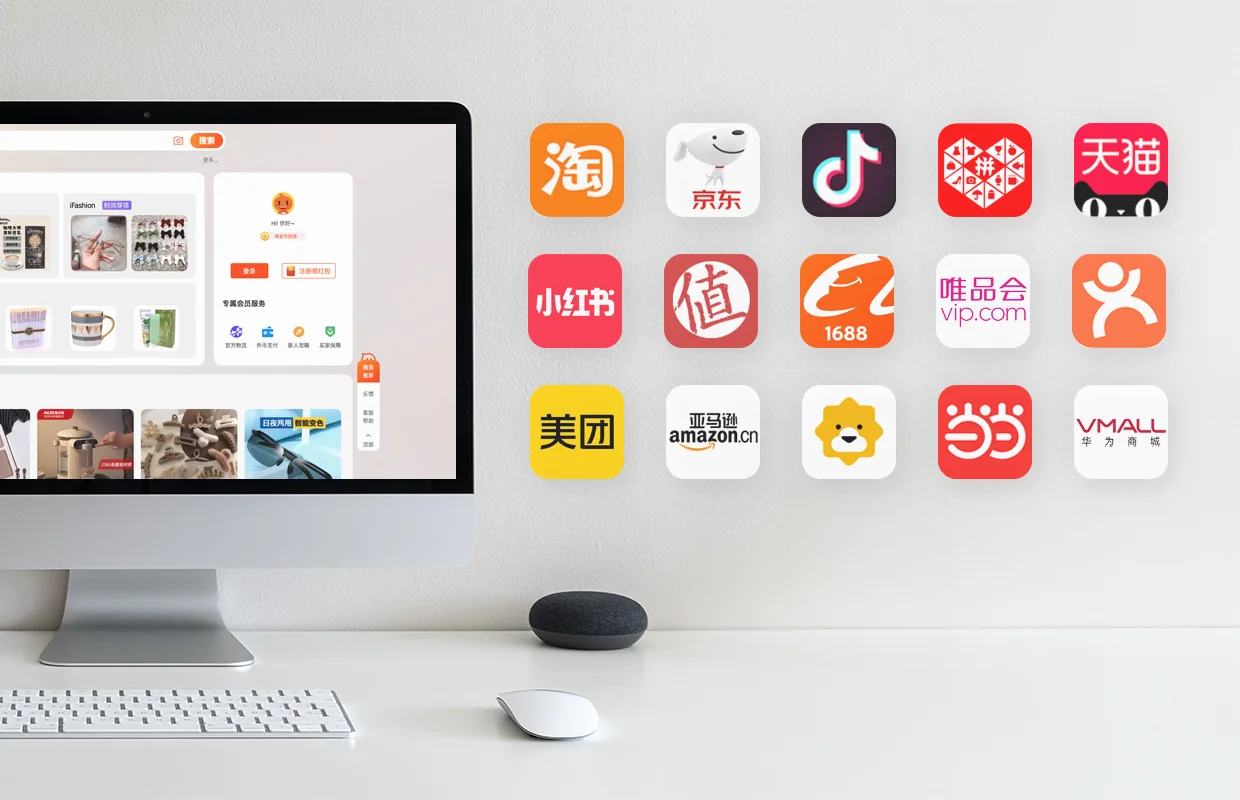
One of the most convenient ways to find suppliers in China is through online platforms such as Alibaba, Global Sources, and looperbuy. These platforms host a vast number of manufacturers and wholesalers, allowing you to browse products, compare prices, and communicate directly with suppliers. When using these platforms, it’s essential to verify the supplier’s credentials, such as their business license, trade history, and customer reviews.
Trade Shows and Exhibitions
Attending trade shows and exhibitions in China is another effective way to connect with suppliers. These events bring together manufacturers, distributors, and buyers from around the world, providing an opportunity to see products up close, negotiate prices, and establish long-term relationships. Some of the most popular trade shows in China include the Canton Fair and the China International Import Expo.
Understanding Product Quality and Standards
Researching Product Specifications
Before placing an order, it’s crucial to thoroughly research the product specifications. This includes understanding the materials used, manufacturing processes, and quality control measures. Requesting samples from the supplier can also help you assess the product’s quality and suitability for your market.
Complying with International Standards
Ensure that the products you order comply with relevant international standards and regulations, such as CE marking for products sold in the European Union. This may require additional testing and certification, which should be factored into your cost and timeline.

Negotiating Prices and Terms
Preparing for Negotiations
When negotiating prices and terms with suppliers, it’s important to be well-prepared. Research the market prices for the products you’re interested in, and set a realistic budget. Be prepared to negotiate on price, minimum order quantities, and payment terms.
Finalizing Contracts
Once you’ve agreed on prices and terms, it’s time to finalize the contract. Ensure that the contract includes clear specifications for the products, delivery times, payment terms, and dispute resolution mechanisms.
Managing Logistics and Shipping
Choosing the Right Shipping Method
There are several shipping options available when ordering products from China, including air freight, sea freight, and rail freight. Air freight is the fastest but most expensive option, while sea freight is the most cost-effective but takes longer. Rail freight offers a balance between speed and cost.
Handling Customs and Duties
When importing products from China, you’ll need to comply with your country’s customs regulations and pay any applicable duties and taxes. It’s advisable to work with a customs broker who can help you navigate the complexities of international trade and ensure compliance with all legal requirements.
Ensuring a Successful Transaction
Building Trust with Suppliers
Establishing a strong relationship with your supplier is key to a successful transaction. This includes maintaining open communication, paying on time, and providing feedback on product quality. Building trust can lead to better pricing, priority service, and access to new products.
Managing Quality Control
Implementing a quality control process is essential to ensure that the products you receive meet your specifications. This can include factory inspections, product testing, and final inspection before shipping. Working with a third-party inspection company can provide an objective assessment of the products’ quality.
Conclusion
Ordering products from China can be a rewarding experience, offering access to a vast array of high-quality goods at competitive prices. However, it requires careful planning, research, and management to ensure a smooth transaction. By following the steps outlined in this article, you can navigate the process with confidence and build successful long-term relationships with Chinese suppliers.
If you want to do order products from China more easily, you can use looperbuy, a one-stop purchasing-logistics solution:https://looperbuy.com/
Questions and Answers
Q: What are the most popular online platforms for finding suppliers in China?
A: Alibaba, Global Sources, and Looperbuy.
Q: How can I ensure that the products I order comply with international standards?
A: Request samples, verify supplier credentials, and research relevant international standards.
Q: What are the main shipping options when importing from China?
A: Air freight, sea freight, and rail freight.
Q: How can I manage customs and duties when importing products from China?
A: Work with a customs broker to navigate regulations and pay applicable duties and taxes.
Q: What is the key to a successful transaction with a Chinese supplier?
A: Building trust through open communication, timely payments, and compliance with quality standards.