Table of Contents
Introduction to E-Commerce Dynamics
The e-commerce industry has experienced explosive growth, driven by technological advancements and changing consumer preferences. As more shoppers turn to online platforms for their purchases, businesses must adapt to stay competitive. This article explores effective strategies for success in the e-commerce landscape, focusing on innovative approaches that can help retailers thrive.
Understanding E-Commerce Business Models
Types of E-Commerce Models
E-commerce encompasses various business models, each with its unique characteristics. The most common models include:
- Business-to-Consumer (B2C): This model involves businesses selling directly to consumers. It is the most prevalent form of e-commerce, with companies like Amazon and Walmart leading the way.
- Business-to-Business (B2B): In this model, businesses sell products or services to other businesses. B2B e-commerce often involves bulk transactions and long-term contracts.
- Consumer-to-Consumer (C2C): C2C platforms, such as eBay and Etsy, allow consumers to sell products directly to other consumers, often through an online marketplace.
- Consumer-to-Business (C2B): This model allows consumers to offer products or services to businesses. Freelance platforms like Upwork exemplify this model, where individuals provide services to companies.
Choosing the Right Model for Your Business
Selecting the appropriate e-commerce model is crucial for success. Factors to consider include target audience, product type, and market demand. Understanding the strengths and weaknesses of each model can help retailers make informed decisions. For instance, a B2C model may be ideal for a retailer selling consumer electronics, while a B2B model might suit a wholesaler providing goods to other businesses.
Leveraging Technology for E-Commerce Success
The Importance of a User-Friendly Website
A well-designed website is essential for any e-commerce business. It serves as the primary interface between the retailer and the customer. Key elements of a user-friendly website include:
- Responsive Design: A responsive website adapts to different screen sizes, ensuring a seamless experience for mobile and desktop users. With mobile commerce on the rise, having a mobile-optimized site is no longer optional.
- Fast Loading Times: Slow-loading websites can lead to high bounce rates. Optimizing website speed is crucial for retaining customers. Tools like Google PageSpeed Insights can help identify areas for improvement.
- Easy Navigation: A clear and intuitive navigation structure helps customers find products quickly, enhancing their shopping experience. Implementing a search bar and categorizing products logically can significantly improve usability.
Utilizing E-Commerce Tools and Software
Various tools and software solutions can streamline e-commerce operations. Some essential tools include:
- Inventory Management Systems: These systems help retailers track stock levels, manage orders, and forecast demand, reducing the risk of stockouts or overstocking. Advanced systems can integrate with sales channels to provide real-time inventory updates.
- Payment Gateways: Secure payment gateways facilitate smooth transactions, providing customers with multiple payment options and ensuring data security. Popular options include PayPal, Stripe, and Square.
- Customer Support Solutions: Implementing chatbots and helpdesk software can enhance customer service, providing instant support and improving customer satisfaction. Live chat features can address customer inquiries in real-time, reducing cart abandonment rates.
The Role of Data Analytics
Data analytics plays a crucial role in e-commerce success. By analyzing customer behavior, sales trends, and website performance, retailers can make informed decisions that drive growth. Key areas where data analytics can be applied include:
- Customer Segmentation: By segmenting customers based on demographics, purchase history, and behavior, retailers can tailor marketing efforts to specific groups, increasing the effectiveness of campaigns.
- Sales Forecasting: Analyzing historical sales data can help retailers predict future demand, allowing for better inventory management and resource allocation.
- Website Performance Tracking: Monitoring metrics such as bounce rates, conversion rates, and average order value can provide insights into website performance, helping retailers identify areas for improvement.
Marketing Strategies for E-Commerce
Search Engine Optimization (SEO)
SEO is a critical component of e-commerce marketing. By optimizing product pages and content for search engines, retailers can increase their visibility and attract organic traffic. Key SEO strategies include:
- Keyword Research: Identifying relevant keywords helps retailers understand what customers are searching for and tailor their content accordingly. Tools like Google Keyword Planner can assist in finding high-traffic keywords.
- On-Page Optimization: Optimizing product descriptions, titles, and images can improve search rankings and enhance user experience. Including keywords naturally in product descriptions and using alt tags for images can boost SEO efforts.
- Link Building: Building high-quality backlinks from reputable websites can boost domain authority and improve search visibility. Guest blogging and partnerships with influencers can be effective strategies for acquiring backlinks.
Social Media Marketing
Social media platforms offer powerful marketing opportunities for e-commerce businesses. Retailers can engage with customers, promote products, and drive traffic to their websites through:
- Targeted Advertising: Social media ads allow retailers to reach specific demographics, increasing the likelihood of conversions. Platforms like Facebook and Instagram offer robust targeting options based on user interests and behaviors.
- Influencer Partnerships: Collaborating with influencers can enhance brand visibility and credibility, attracting new customers. Influencers can showcase products to their followers, providing authentic endorsements that resonate with potential buyers.
- User-Generated Content: Encouraging customers to share their experiences on social media can create authentic brand advocacy and foster community engagement. Retailers can incentivize customers to post photos of their purchases with branded hashtags.
Email Marketing
Email marketing remains one of the most effective channels for e-commerce businesses. It allows retailers to communicate directly with customers and nurture relationships. Key strategies for successful email marketing include:
- Personalization: Tailoring email content based on customer preferences and behaviors can significantly improve engagement rates. Personalized product recommendations and targeted promotions can drive conversions.
- Automated Campaigns: Setting up automated email campaigns for abandoned carts, post-purchase follow-ups, and seasonal promotions can save time and ensure consistent communication with customers.
- Segmentation: Segmenting email lists based on customer behavior, purchase history, and demographics allows for more targeted messaging, increasing the likelihood of conversions.
The Future of E-Commerce: Trends to Watch
The Rise of Subscription Services
Subscription-based models are gaining popularity in e-commerce, offering customers convenience and personalized experiences. Retailers can leverage this trend by providing subscription options for products, such as beauty boxes or meal kits, creating a steady revenue stream. Subscription services can also enhance customer loyalty, as subscribers are more likely to remain engaged with the brand.
Emphasis on Sustainability
As consumers become more environmentally conscious, sustainability is becoming a key factor in purchasing decisions. E-commerce businesses can appeal to eco-minded consumers by adopting sustainable practices, such as using eco-friendly packaging and sourcing products responsibly. Highlighting sustainability efforts in marketing can attract customers who prioritize ethical consumption.
The Role of Augmented Reality (AR)
Augmented reality is transforming the online shopping experience by allowing customers to visualize products in their own environments. Retailers can implement AR technology to enhance product displays, enabling customers to make more informed purchasing decisions. For example, furniture retailers can use AR to show how a piece of furniture would look in a customer’s home.
The Impact of Artificial Intelligence (AI)
AI is revolutionizing the e-commerce industry by enabling retailers to automate processes, enhance customer service, and improve inventory management. AI-powered chatbots can provide instant support to customers, while predictive analytics can help retailers forecast demand and optimize stock levels. Additionally, AI can personalize shopping experiences by analyzing customer data and recommending products based on individual preferences.
Conclusion
The e-commerce landscape is constantly evolving, presenting both challenges and opportunities for retailers. By understanding different business models, leveraging technology, and implementing effective marketing strategies, businesses can position themselves for success in this dynamic industry. As trends like subscription services, sustainability, and AI continue to shape the future of e-commerce, retailers must remain agile and responsive to changing consumer demands.
As you navigate the evolving e-commerce landscape, discover how LooperBuy can elevate your shopping experience with exclusive deals and a wide range of products tailored to your needs. Explore now at https://looperbuy.com/.
Related Questions & Answers
· What are the key performance indicators (KPIs) for measuring e-commerce success? Key performance indicators for e-commerce success include conversion rate, average order value, customer acquisition cost, and customer lifetime value.
· How can e-commerce businesses effectively use data analytics to improve sales? E-commerce businesses can use data analytics to identify customer trends, optimize pricing strategies, and enhance marketing efforts based on consumer behavior insights.
· What are some innovative strategies for enhancing customer loyalty in e-commerce? Innovative strategies for enhancing customer loyalty include personalized marketing, loyalty programs, subscription services, and exceptional customer service experiences.
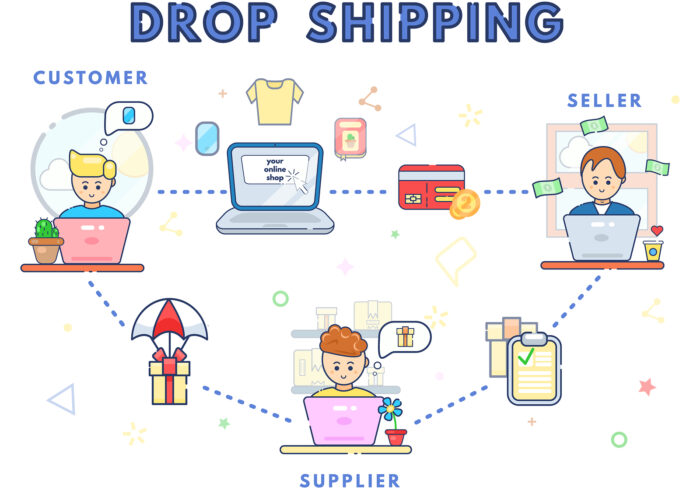
· What are the biggest challenges when starting a dropshipping business? Starting a dropshipping business can present challenges such as finding reliable suppliers, managing customer expectations, and dealing with shipping delays.
· How can I find reliable dropshipping suppliers? To find reliable dropshipping suppliers, consider using platforms like AliExpress, SaleHoo, or Oberlo, and always check reviews and ratings before partnering.
Hot Tags: E-Commerce Strategies; Online Retail Success; E-Commerce Marketing; User Experience; SEO; Social Media Advertising; Subscription Services; Sustainability; Augmented Reality