Table of Contents
Introduction to E-Commerce
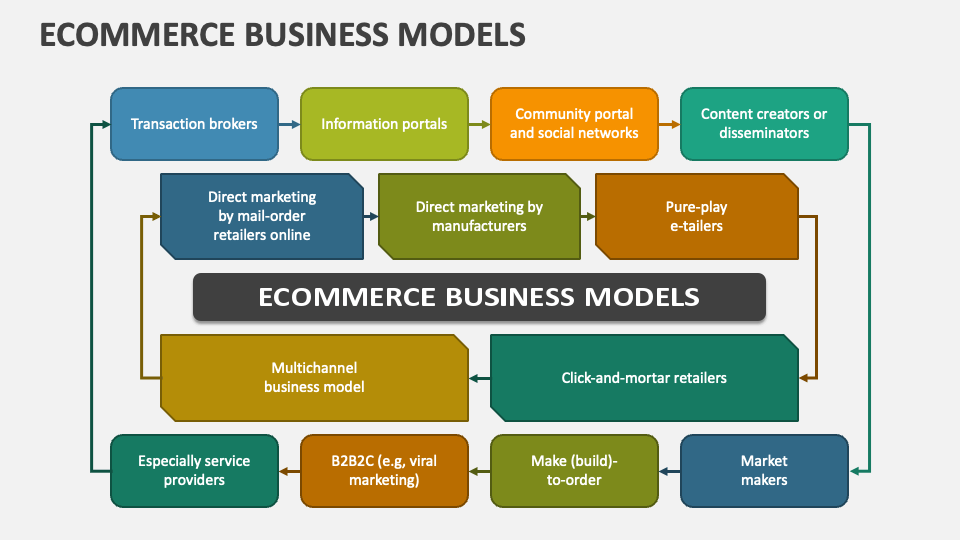
The rise of the internet has transformed the way businesses operate, leading to the emergence of e-commerce as a dominant force in the retail landscape. E-commerce encompasses a wide range of business models, including online retail, digital marketplaces, and innovative fulfillment methods like dropshipping. This article explores the intricacies of modern retail strategies, focusing on the evolution of e-commerce, the mechanics of dropshipping, and the future of online shopping.
The Evolution of E-Commerce
The Birth of Online Shopping
E-commerce began in the early 1990s with the advent of the World Wide Web. The first online transaction took place in 1994, marking the beginning of a new era in retail. As technology advanced, so did the capabilities of online shopping platforms, leading to the development of secure payment systems and user-friendly interfaces.
Growth of E-Commerce Platforms
The late 1990s and early 2000s saw the rise of major e-commerce platforms like Amazon and eBay. These platforms revolutionized the retail landscape by providing consumers with access to a vast array of products from the comfort of their homes. The convenience of online shopping quickly gained popularity, leading to exponential growth in the e-commerce sector.
The Impact of Mobile Technology
With the proliferation of smartphones, mobile commerce (m-commerce) emerged as a significant trend in e-commerce. Consumers began to shop on their mobile devices, leading to the development of mobile-optimized websites and applications. This shift has made shopping more accessible and convenient, allowing consumers to make purchases anytime and anywhere.
Understanding Dropshipping
What is Dropshipping?
Dropshipping is a retail fulfillment method where a store does not keep the products it sells in stock. Instead, when a store sells a product, it purchases the item from a third-party supplier who ships it directly to the customer. This model eliminates the need for inventory management and reduces overhead costs, making it an attractive option for new entrepreneurs.
Advantages of Dropshipping
- Low Startup Costs: One of the most significant advantages of dropshipping is the low barrier to entry. Entrepreneurs can start an online store without investing heavily in inventory.
- Wide Product Selection: Dropshipping allows retailers to offer a vast array of products without the need to purchase them upfront. This flexibility enables businesses to test new products and adapt to market trends quickly.
- Location Independence: As long as there is internet access, dropshipping businesses can be managed from anywhere in the world. This flexibility appeals to many modern entrepreneurs seeking a work-life balance.
Challenges of Dropshipping
Despite its advantages, dropshipping is not without challenges.
- Low Profit Margins: The competition in the dropshipping space can lead to lower profit margins. Retailers must find ways to differentiate themselves to maintain profitability.
- Inventory Issues: Since dropshippers rely on third-party suppliers, they may face issues with inventory management. If a supplier runs out of stock, it can lead to delays and dissatisfied customers.
- Shipping Complexities: Managing shipping times and costs can be complicated, especially when working with multiple suppliers. Retailers must communicate clearly with customers about expected delivery times.
The Role of E-Commerce Platforms
Popular E-Commerce Platforms
Several e-commerce platforms have emerged to facilitate online retail, each offering unique features and benefits. Some of the most popular platforms include:
- Shopify: Known for its user-friendly interface, Shopify allows entrepreneurs to set up online stores quickly. It offers a range of customizable templates and integrates with various payment gateways.
- WooCommerce: This WordPress plugin enables users to turn their websites into fully functional e-commerce stores. WooCommerce is highly customizable and ideal for those already familiar with WordPress.
- BigCommerce: Targeting larger businesses, BigCommerce offers advanced features such as multi-channel selling and built-in SEO tools. It is designed for scalability and can handle high volumes of traffic.
Choosing the Right Platform
When selecting an e-commerce platform, businesses should consider factors such as ease of use, scalability, payment options, and customer support. The right platform can significantly impact the success of an online store.
Marketing Strategies for E-Commerce
Search Engine Optimization (SEO)
SEO is crucial for driving organic traffic to e-commerce websites. By optimizing product descriptions, images, and website structure, businesses can improve their visibility on search engines. Effective SEO strategies include keyword research, on-page optimization, and building backlinks.
Social Media Marketing
Social media platforms provide an excellent opportunity for e-commerce businesses to engage with customers and promote their products. By creating compelling content and utilizing targeted advertising, businesses can reach a wider audience and drive traffic to their online stores.
Email Marketing
Email marketing remains one of the most effective ways to nurture customer relationships and drive sales. By building an email list and sending personalized offers, businesses can encourage repeat purchases and increase customer loyalty.
The Future of E-Commerce
Trends Shaping the Future
- Artificial Intelligence (AI): AI is transforming e-commerce by enabling personalized shopping experiences, chatbots for customer service, and predictive analytics for inventory management.
- Augmented Reality (AR): AR technology allows customers to visualize products in their environment before making a purchase. This immersive experience can enhance customer satisfaction and reduce return rates.
- Sustainability: As consumers become more environmentally conscious, e-commerce businesses are adopting sustainable practices. This includes eco-friendly packaging, carbon-neutral shipping, and ethical sourcing of products.
The Rise of Social Commerce
Social commerce is the integration of social media and e-commerce, allowing users to shop directly through social platforms. This trend is gaining momentum as consumers increasingly rely on social media for product discovery and recommendations. Brands that leverage social commerce can create seamless shopping experiences and engage with customers in real-time.
Conclusion
The e-commerce landscape is continually evolving, driven by technological advancements and changing consumer behaviors. Dropshipping has emerged as a viable business model for aspiring entrepreneurs, offering low startup costs and flexibility. As e-commerce continues to grow, businesses must adapt their strategies to stay competitive in this dynamic environment.
To streamline your e-commerce operations and explore innovative solutions tailored for your business needs, visit LooperBuy for valuable insights and resources. https://looperbuy.com/.
Related Questions & Answers
· What are the key benefits of using dropshipping for an online store? Dropshipping offers low startup costs, a wide product selection, and location independence, making it an attractive option for new entrepreneurs.
· How can I effectively market my dropshipping business? Effective marketing strategies include SEO, social media marketing, and email marketing to drive traffic and engage customers.
· What are the common challenges faced by dropshipping businesses? Common challenges include low profit margins, inventory issues, and shipping complexities that can affect customer satisfaction.
· Which e-commerce platform is best for beginners? Shopify is often recommended for beginners due to its user-friendly interface and comprehensive features for setting up an online store.
· How is social commerce different from traditional e-commerce? Social commerce integrates shopping directly into social media platforms, allowing users to discover and purchase products without leaving the app, enhancing the shopping experience.
Hot Tags: E-Commerce; Dropshipping; Online Retail; Social Commerce; Digital Marketing; SEO; Mobile Commerce; Customer Engagement; Business Strategies