Muslim women clothing is a rich tapestry of styles, traditions, and cultural significance. It encompasses a wide range of garments that not only adhere to Islamic principles of modesty but also reflect personal style and cultural identity. This article delves into the various aspects of Muslim women clothing, exploring its significance, styles, and the evolving trends in contemporary fashion. By understanding these elements, we can appreciate the diversity and beauty of Muslim women’s fashion.
Table of Contents
Understanding Modesty in Muslim Women Clothing
The Concept of Modesty
Modesty in Islam is a fundamental principle that extends beyond clothing to encompass behavior and demeanor. For Muslim women, this often translates into wearing garments that cover the body adequately while allowing for personal expression. The Quran emphasizes modesty, encouraging women to dress in a way that reflects their dignity and respect. This principle is not merely about covering the body; it also involves a sense of self-respect and the intention behind one’s clothing choices. Modesty can be seen as a form of empowerment, allowing women to define their identity on their own terms.
Cultural Variations
Muslim women clothing varies significantly across different cultures and regions. In some countries, traditional garments like the abaya or jilbab are common, while in others, women may opt for modern interpretations of modest fashion. This diversity showcases the adaptability of Islamic principles to various cultural contexts. For instance, in Indonesia, women might wear the kebaya, a traditional blouse-dress combination, while in Turkey, the long skirt and tunic are popular. Each style reflects local customs, climate, and personal preferences, illustrating how Muslim women navigate their identities within their cultural frameworks.
Key Garments in Muslim Women Clothing
Abaya
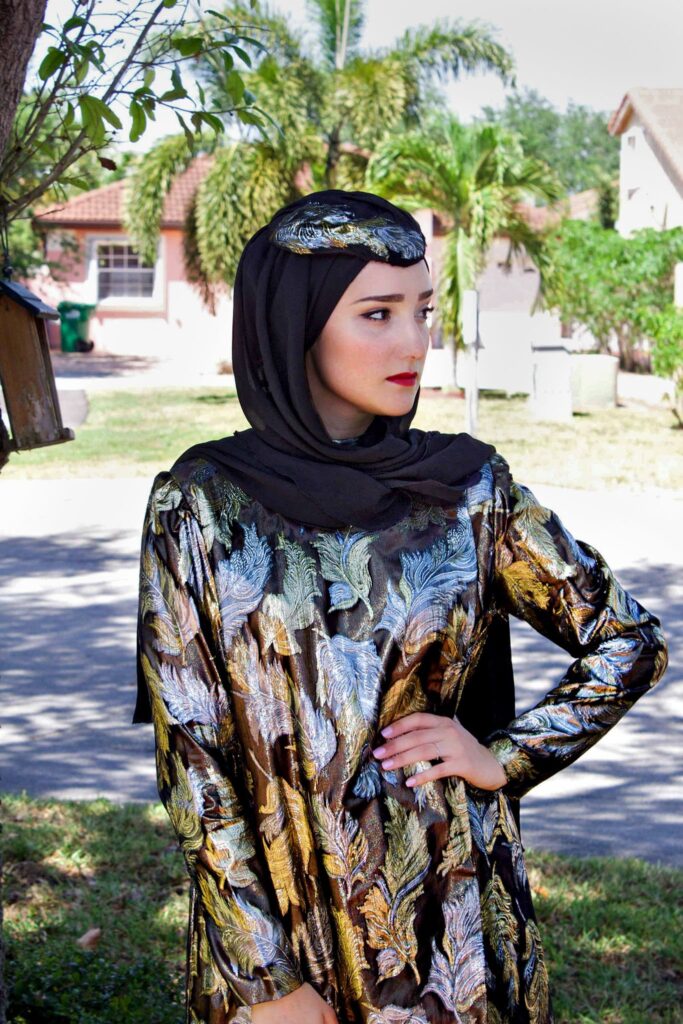
The abaya is a long, flowing robe that is often worn over regular clothing. It is particularly popular in the Gulf countries and is available in various styles, colors, and fabrics. The abaya serves as a versatile piece that can be dressed up or down, making it suitable for both casual and formal occasions. Many modern abayas feature intricate embroidery, embellishments, and contemporary cuts, allowing women to express their fashion sense while adhering to modesty. The abaya is not just a garment; it is a statement of identity and cultural pride, often worn with confidence and elegance.
Hijab
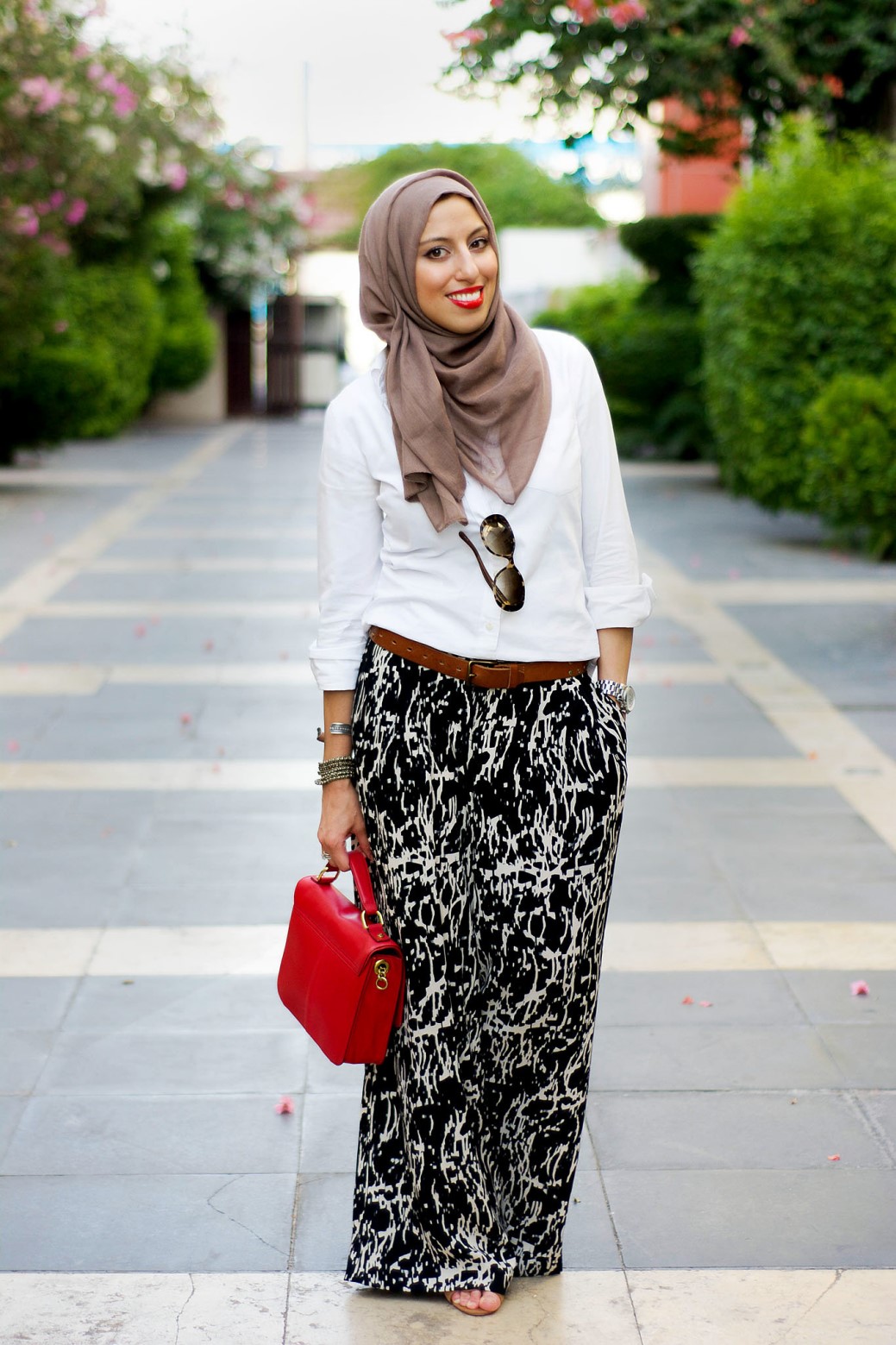
The hijab is perhaps the most recognized symbol of Muslim women’s clothing. It refers to the headscarf that covers the hair and neck, leaving the face visible. Hijabs come in numerous styles and fabrics, allowing women to express their individuality while adhering to modesty guidelines. From simple cotton scarves to luxurious silk wraps, the variety is vast. Many women use the hijab as a canvas for creativity, experimenting with colors, patterns, and styles that reflect their personality. The hijab can also serve as a conversation starter, allowing women to share their beliefs and cultural backgrounds with others.
Jilbab
Similar to the abaya, the jilbab is an outer garment that covers the body. It is often more tailored than the abaya and can be worn with various outfits. The jilbab is favored for its practicality and elegance, making it a popular choice among many Muslim women. It can be styled in numerous ways, paired with different accessories to create a unique look. The jilbab not only provides coverage but also allows for personal expression, as women can choose fabrics and designs that resonate with their style. This garment embodies the balance between tradition and modernity, appealing to a wide range of women.
Maxi Dresses
Maxi dresses have gained popularity in the modest fashion scene. These long dresses provide coverage while allowing for a fashionable look. They can be styled in numerous ways, making them a staple in many Muslim women’s wardrobes. Maxi dresses come in various prints, colors, and materials, making them suitable for different occasions, from casual outings to formal events. The versatility of maxi dresses allows women to transition seamlessly from day to night, showcasing their style while adhering to modesty. This trend reflects a broader movement towards embracing femininity and elegance within the framework of modest fashion.
The Evolution of Muslim Women Clothing
Modern Trends
In recent years, the fashion industry has seen a significant shift towards inclusivity, with many designers creating collections specifically for Muslim women. This has led to a rise in stylish, contemporary clothing that adheres to Islamic principles. Brands are now offering a variety of options, from casual wear to high-fashion pieces, allowing Muslim women to express their style without compromising their beliefs. The emergence of modest fashion weeks and events has further highlighted this trend, showcasing the creativity and innovation within the modest fashion industry. This evolution signifies a growing recognition of the diverse needs and preferences of Muslim women in the global fashion landscape.
Influential Designers
Several designers have emerged as leaders in the modest fashion movement. They blend traditional elements with modern aesthetics, creating garments that appeal to a broad audience. These designers often draw inspiration from global fashion trends while ensuring that their pieces remain true to Islamic values. Notable figures in this space include Hana Tajima and Annah Stretton, who have successfully merged modesty with contemporary fashion. Their work not only challenges stereotypes but also empowers women to embrace their identities through clothing. This shift in the fashion narrative is crucial for fostering a more inclusive and diverse industry.
The Role of Social Media in Modest Fashion
Influencers and Bloggers
Social media platforms have played a crucial role in promoting Muslim women clothing. Influencers and fashion bloggers showcase their outfits, providing inspiration and ideas for others. This visibility has helped normalize modest fashion and has encouraged more women to embrace their cultural heritage through clothing. Platforms like Instagram and TikTok have become vital spaces for sharing fashion tips, styling advice, and personal stories, creating a sense of community among Muslim women. These influencers often collaborate with brands, further bridging the gap between traditional modesty and modern fashion trends.
Online Shopping
The rise of e-commerce has made it easier for Muslim women to access a wide range of clothing options. Online stores specializing in modest fashion offer convenience and variety, allowing women to shop from the comfort of their homes. This accessibility has contributed to the growth of the modest fashion market. Many online retailers provide detailed size guides and styling tips, ensuring that women can find pieces that fit well and suit their personal style. The ability to browse and purchase clothing online has empowered women to explore new styles and trends, enhancing their fashion choices.
Challenges Faced by Muslim Women in Fashion
Stereotypes and Misconceptions
Despite the growing acceptance of modest fashion, Muslim women often face stereotypes and misconceptions about their clothing choices. These misunderstandings can lead to discrimination and social stigma. It is essential to challenge these narratives and promote a more nuanced understanding of Muslim women’s clothing. Education and awareness are key in dispelling myths and fostering respect for diverse cultural practices. By sharing personal stories and experiences, Muslim women can help others appreciate the significance of their clothing choices and the values they represent.
Finding the Right Fit
Another challenge is finding clothing that meets both modesty requirements and personal style preferences. Many women struggle to find fashionable options that are also comfortable and appropriate. This has led to a demand for more diverse and inclusive clothing lines that cater to various body types and styles. The fashion industry is gradually responding to this need, with more brands offering extended sizes and customizable options. This shift is crucial for ensuring that all women, regardless of their body shape or size, can find clothing that makes them feel confident and beautiful.
Conclusion
Muslim women clothing is a vibrant and evolving field that reflects the diversity of cultures and personal expressions within the Muslim community. As the fashion industry continues to embrace inclusivity, Muslim women are finding more opportunities to express their style while adhering to their beliefs. The journey of modest fashion is one of empowerment, allowing women to celebrate their identity through clothing. By understanding and appreciating the various aspects of Muslim women clothing, we can foster a more inclusive and respectful dialogue about fashion and cultural identity.
How to purchase:https://looperbuy.com/search?keywords=Muslim+Women
Frequently Asked Questions
1. What is the significance of the hijab in Muslim culture?
The hijab symbolizes modesty and privacy in Islam. It allows women to express their faith while maintaining their individuality.
2. Are there specific colors or styles that are preferred in Muslim women clothing?
While there are no strict rules, many Muslim women prefer darker colors for formal occasions, while lighter colors and patterns are popular for casual wear.
3. How has the fashion industry changed regarding Muslim women clothing?
The fashion industry has become more inclusive, with many designers creating collections specifically for Muslim women, blending traditional styles with modern trends.
4. What are some popular brands for Muslim women clothing?
Brands like SHUKR, Alhannah, and Niswa Fashion are well-known for their stylish and modest clothing options.
5. How can Muslim women find fashionable clothing that meets modesty requirements?
Online shopping has made it easier to find a variety of modest clothing options. Many websites specialize in modest fashion, offering a range of styles and sizes.