Muslim clothing is a rich tapestry woven from the threads of tradition, religious beliefs, and modern fashion sensibilities. The garments worn by Muslims around the world are not only a reflection of their faith but also a manifestation of cultural identity and personal expression. This article delves into the various types of Muslim clothing, their significance, and how they have evolved in contemporary fashion.
Table of Contents
Understanding Islamic Dress Code
Islamic teachings emphasize modesty in dress for both men and women. The Quran and Hadith provide guidance on how Muslims should present themselves in public. The primary aim of Islamic clothing is to cover the body adequately while allowing for personal expression through style and design.
– Men’s Clothing: Traditionally, Muslim men wear garments that cover from the navel to the knees. Common items include:
– Thobe: A long robe that is often worn in Middle Eastern countries.
– Kufi: A cap worn by men during prayers or special occasions.
– Shalwar Kameez: A traditional outfit consisting of a tunic and loose trousers, popular in South Asia.
– Women’s Clothing: Women’s Islamic attire is generally more diverse and includes:
– Hijab: A headscarf that covers the hair and neck but leaves the face visible.
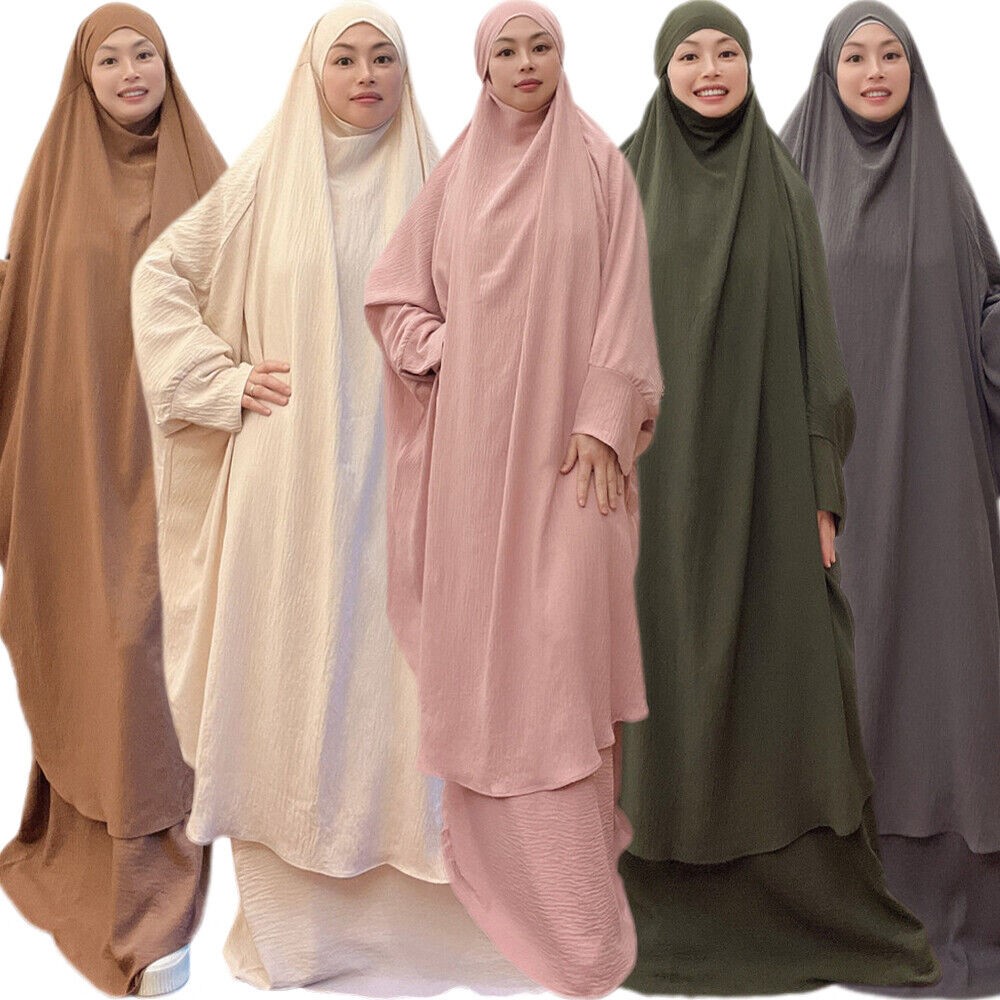
– Abaya: A loose-fitting robe that covers the body, commonly worn in Gulf countries.
– Niqab: A face veil that covers the face except for the eyes.
Types of Muslim Clothing
The diversity in Muslim clothing can be attributed to various cultural influences across different regions. Below are some prominent styles:
– Abaya: Originating from the Arabian Peninsula, this full-length garment is often worn over regular clothes. Modern abayas come in various colors and designs, often embellished with embroidery or patterns.
– Jilbab: Similar to an abaya but typically more tailored, jilbabs are long coats that can be worn over other clothing. They are popular among women seeking a fashionable yet modest look.
– Khimar: This is a cape-like garment that covers the shoulders and upper body while leaving the face exposed. It is often worn with other modest clothing.
– Long Skirts and Blouses: Many Muslim women opt for long skirts paired with loose-fitting blouses to maintain modesty while embracing contemporary fashion trends.
Cultural Significance of Modesty
The concept of modesty, or *haya*, plays a crucial role in Islamic teachings. It is not merely about covering the body but also about embodying values such as humility and respect. The interpretation of modesty can vary significantly among different cultures and individuals:
– In some cultures, full-body coverings like the burqa are common, while others may prefer lighter garments that still adhere to modesty principles.
– The choice of clothing can also reflect personal beliefs and levels of religious observance. For instance, some women may choose to wear a hijab as an expression of their faith, while others may opt for different styles based on personal preference.
Modern Trends in Muslim Fashion
In recent years, there has been a notable shift in how Muslim clothing is perceived within the fashion industry. Modest fashion has gained popularity not only among Muslims but also among non-Muslim consumers who appreciate its aesthetic appeal. Key trends include:
– Collaboration with Designers: High-profile collaborations between mainstream brands and Muslim designers have emerged. For example, Uniqlo has launched collections specifically designed for Muslim women, blending modesty with contemporary fashion trends.
– Social Media Influence: Platforms like Instagram have played a significant role in promoting modest fashion influencers who showcase their unique styles. This visibility has helped normalize diverse representations of Muslim clothing.
– Sustainable Fashion: There is a growing awareness regarding ethical production practices within the fashion industry. Many consumers are now seeking brands that prioritize sustainability and fair labor practices when producing Islamic garments.

Visual Representation of Muslim Clothing
To better understand the diversity and beauty of Muslim clothing, here are some images representing various styles:
Abaya
An elegant abaya showcasing contemporary design elements.
Hijab Styles
Different styles of hijabs that reflect personal taste.
Jilbab
A fashionable jilbab worn over casual attire.
Challenges Facing Modern Muslim Fashion
Despite its growth, the modest fashion industry faces several challenges:
– Cultural Appropriation: As Islamic clothing gains popularity in Western markets, concerns about cultural appropriation arise. Brands must navigate these waters carefully to respect cultural significance while appealing to broader audiences.
– Representation: While there is increased visibility for Muslim women in fashion, authentic representation remains crucial. Brands must ensure they are not just marketing to Muslims but genuinely understanding their needs and preferences.
Global Perspectives on Muslim Clothing
Muslim clothing varies widely across different countries due to cultural influences:
– In Indonesia, for example, batik patterns are often incorporated into traditional Islamic wear, showcasing local artistry alongside religious adherence.
– In Turkey, modern interpretations of traditional garments have emerged; women often wear stylish hijabs paired with contemporary outfits that blend Western styles with modesty principles.
– In Western countries like France or Canada, many Muslim women express their identity through fashion by combining traditional elements with modern trends while navigating societal perceptions about their attire.
The Role of Fashion Weeks
Fashion weeks around the world have begun to embrace modest fashion as part of their showcases. Events such as New York Fashion Week have featured designers who specialize in Islamic attire. These platforms allow designers to present their work on an international stage, helping to break down stereotypes associated with Muslim clothing.
Influence of Celebrity Endorsements
Celebrity endorsements play a significant role in shaping trends within any fashion industry. For instance:
– Celebrities like Halima Aden have made headlines by wearing hijabs on major runways and magazine covers, challenging conventional beauty standards while promoting modest fashion.
– Other public figures have also embraced modest styles publicly, which helps normalize these choices among broader audiences.
Personal Stories Behind Modest Fashion Choices
Every piece of clothing carries a story behind it. Many women choose their attire based on personal experiences or family traditions:
– Some may wear specific garments passed down through generations as a way to honor their heritage.
– Others might choose certain styles as an act of defiance against societal norms that pressure them to conform to mainstream beauty ideals.
These personal narratives enrich the understanding of why certain garments hold significance beyond mere fabric; they represent identity, resilience, and empowerment.
Frequently Asked Questions
1. What is the significance of wearing a hijab?
– The hijab represents modesty and religious commitment for many Muslim women. It serves as a symbol of identity and empowerment.
2. Are there specific rules regarding what Muslim men can wear?
– Yes, men are generally required to dress modestly by covering from their navel to their knees at minimum.
3. How has modern fashion influenced traditional Islamic clothing?
– Modern fashion has introduced new fabrics, designs, and styles while maintaining core principles of modesty.
4. Can non-Muslims wear hijabs or other Islamic clothing?
– Yes, non-Muslims can wear hijabs or other Islamic attire as a form of cultural appreciation or personal style choice; however, it’s essential to approach this respectfully.
5. What role do social media influencers play in promoting Muslim fashion?
– Influencers help shape trends by showcasing diverse styles and encouraging conversations around modest fashion within broader contexts.
How to purchase:https://looperbuy.com/search?keywords=Clothing
Conclusion
Muslim clothing represents more than just fabric; it embodies cultural values, religious beliefs, and individual expression. As the landscape of fashion continues to evolve, it is essential to appreciate the depth behind these garments while embracing modern interpretations that resonate with both tradition and contemporary aesthetics.
The journey through understanding Muslim clothing reveals its multifaceted nature—rooted deeply in culture yet adaptable enough to embrace modernity. As society progresses toward inclusivity within fashion realms globally—celebrating diversity becomes paramount—allowing everyone regardless of background or belief system—to express themselves freely through what they wear without fear or prejudice.