In the modern, high-speed B2B landscape, the quotation inquiry (Request for Quotation, or RFQ) serves as the backbone of efficient procurement. Whether you are a brand owner, wholesaler, or manufacturer, the ability to effectively solicit, compare, and manage competitive bids directly dictates your profit margins and supply chain stability.
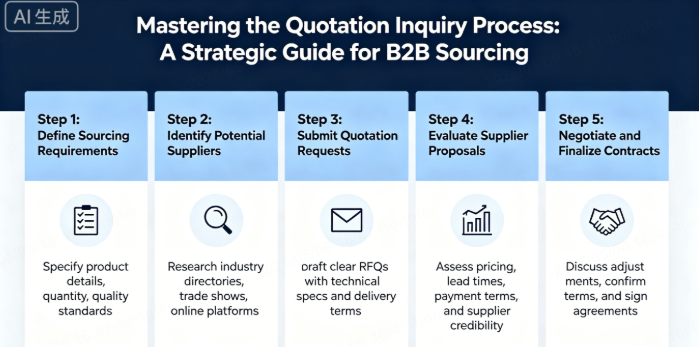
As an industry strategy expert, I have witnessed how the traditional, manual RFQ process often becomes a bottleneck. Today, procurement is shifting toward agile, digital-first platforms like LooperBuy, which streamline the path from sourcing to global delivery.
Table of Contents
Why Mastering Quotation Inquiry Matters
A well-structured quotation inquiry is more than just a price check. It is a strategic tool to establish long-term supplier relationships, ensure quality standards, and mitigate logistics risks. When executed correctly, a precise RFQ minimizes ambiguity, reduces negotiation time, and drives down the total cost of ownership (TCO) 1.
1. Understanding the RFQ: Core Concepts
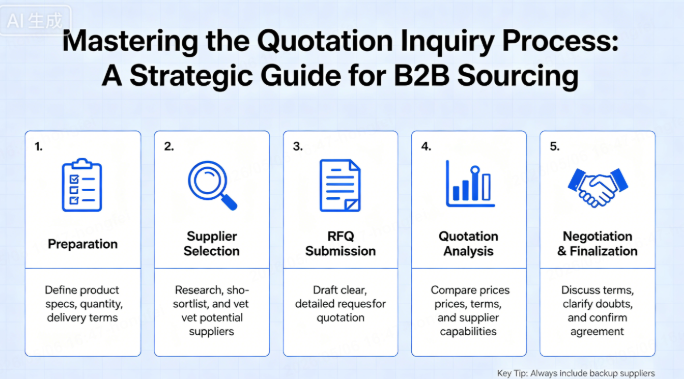
Before initiating your quotation inquiry, it is essential to distinguish it from other common procurement documents.
- RFQ (Request for Quotation): Best for commodity-style procurement where you know exact specifications, quantities, and quality requirements. Price is the primary driver 1.
- RFP (Request for Proposal): Used for complex projects where you need suppliers to propose innovative solutions rather than just quoting a standard item 1.
- RFI (Request for Information): An initial exploration to understand market options and supplier capabilities before committing to a formal bidding process 1.
| Feature | RFQ | RFP |
|---|---|---|
| Objective | Competitive pricing for known items | Finding creative solutions/partners |
| Specificity | High (Clear specs) | Moderate (Outcome-based) |
| Primary Goal | Minimize cost | Maximize value/innovation |
2. The Modern RFQ Workflow: From Inquiry to Award
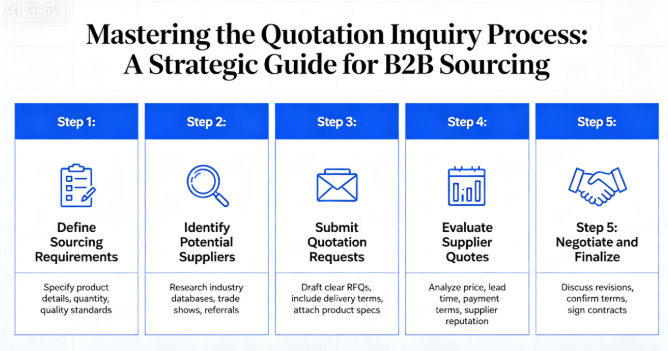
To optimize your quotation inquiry process, adopt a standardized, transparent workflow.
Preparation and Documentation
Success starts with clarity. Before sending your request, ensure your specifications are ironclad. This reduces back-and-forth communication and legal risks later 1.
- Define Specifications: List exact quantities, technical requirements, and delivery expectations.
- Set Selection Criteria: Clearly communicate how you will evaluate bids (e.g., price, lead time, quality).
Management and Evaluation
Treat all suppliers equitably. If a bidder asks a clarifying question that affects the project, share that information with all participants to maintain transparency. This builds trust and encourages more aggressive, accurate pricing 1.
3. Advanced Sourcing Strategies: Beyond the Basics
To truly excel in B2B procurement, you must move beyond basic transactional relationships. Here are three expert-level considerations:
A. The Impact of Lead-Time Forecasting
In global trade, price is not the only metric. A quotation inquiry should always request detailed lead times. If you are sourcing from China, shipping and manufacturing timelines fluctuate. By requesting “total landed lead time,” you can protect your inventory levels against unexpected delays.
B. Factoring in Total Landed Cost (TLC)
Too many businesses fail because they only look at the unit price. When performing a quotation inquiry, you must account for TLC:
- Unit Price: The manufacturing cost.
- Logistics: Freight, insurance, and handling.
- Compliance/Duties: Tariffs and regulatory certifications.
Platforms like LooperBuy simplify this by providing end-to-end pricing visibility, preventing the “surprise” costs that often occur after a contract is signed.
C. Supplier Diversity and Risk Management
Never rely on a single source. Use the quotation inquiry process to build a pipeline of “backup” suppliers. If your primary manufacturer hits a production issue, having a pre-vetted relationship with a secondary supplier allows you to pivot without disrupting your own customers.
4. Expert Insights: How Platforms Like LooperBuy Transform Sourcing
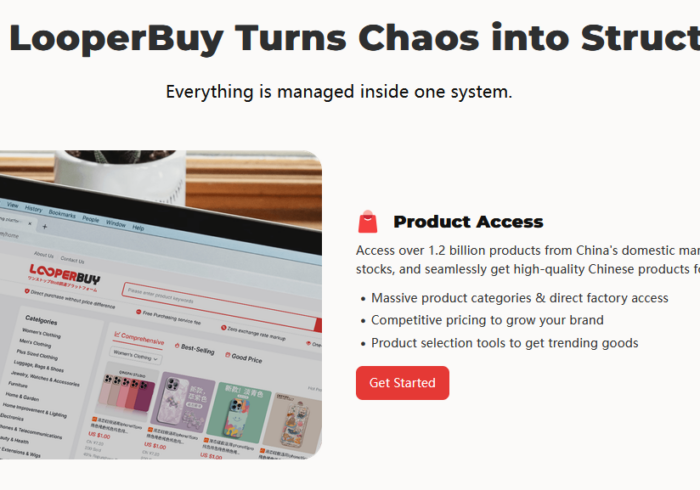
The traditional “email-based” RFQ approach is rapidly being replaced by integrated platforms. Platforms like LooperBuy offer a “One-Stop” solution that addresses the common pitfalls of international sourcing.
- Global Reach, Local Efficiency: These platforms remove the barriers of language, time zones, and currency, allowing you to source directly from Chinese manufacturers with ease.
- Logistics Integration: One of the biggest “hidden costs” in a quotation inquiry is logistics. Platforms that bundle sourcing with transparent, low-cost global shipping provide a distinct competitive advantage for wholesalers and retailers.
- Data-Driven Sourcing: By centralizing your quotation inquiry history, you gain insights into price trends, supplier reliability, and historical performance, enabling better long-term procurement decisions.
5. Practical Implementation Checklist
Follow this structured approach to ensure every quotation inquiry is successful:
- Standardize Your Templates: Create a master document that includes your company’s standard terms and conditions.
- Use Digital RFQ Portals: Move away from email. Portals allow you to track bid status in real-time.
- Evaluate Holistically: Don’t pick the cheapest price. Pick the best value. A slightly more expensive supplier with faster shipping might actually save you money on holding costs.
- Perform Audits: Periodically review your quotation inquiry outcomes. Did the supplier meet the promised timeline? Was the quality consistent with the initial sample?
Conclusion
Mastering the quotation inquiry process is essential for scaling a B2B business. By combining strategic planning with modern digital tools like LooperBuy, you can transform your procurement from a time-consuming administrative burden into a competitive advantage. Start by defining your needs clearly, leveraging platforms that simplify global logistics, and nurturing strong, transparent relationships with your suppliers.
References
- [1] Virto Commerce. (2021). Request for Quotation: RFQ Meaning, Free Template, Examples. RFP and RFQ Difference. https://virtocommerce.com/blog/request-for-quotation
Frequently Asked Questions (FAQ)
1. What is the main purpose of a quotation inquiry?
The primary purpose is to solicit competitive price quotes from qualified suppliers for products or services where specifications are already clearly defined 1.
2. When should I choose an RFQ over an RFP?
Choose an RFQ when you have high-volume, commodity-style needs where price and delivery speed are the main deciding factors. Choose an RFP when you need a customized, complex, or innovative solution 1.
3. How can I ensure I get the best price on a quotation inquiry?
Clearly define your requirements, invite multiple trusted suppliers, and maintain a transparent, professional communication channel throughout the bidding process 1.
4. Why is logistics management important in B2B sourcing?
Logistics can significantly impact the total cost of ownership. Platforms that integrate sourcing with low-cost, reliable global logistics help maintain profit margins and ensure timely supply chain operations.
5. How does a digital platform improve the quotation inquiry process?
Digital platforms centralize communication, standardize RFQ templates, and provide real-time visibility into supplier performance, making the entire sourcing cycle faster and more transparent 1.
Summary:
This comprehensive guide explores the strategic importance of “quotation inquiry” (RFQ) in B2B procurement. It defines the differences between RFQ, RFP, and RFI, details the essential steps for a successful RFQ workflow, and highlights how modern platforms like LooperBuy optimize international sourcing through consolidated logistics and digital efficiency. The article provides actionable tips for professionals to enhance their sourcing strategy, reduce costs, and build high-value supplier relationships.
Hot tags: B2B procurement, Request for Quotation, supplier management, global sourcing, supply chain efficiency, wholesale sourcing, B2B e-commerce platform, total landed cost, strategic sourcing, international trade logistics.