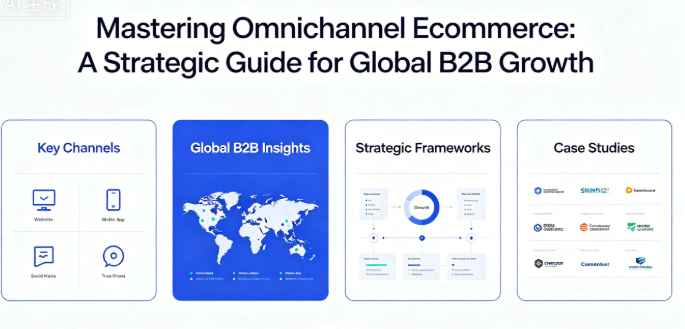
In the modern B2B landscape, the buying journey is no longer linear. B2B buyers now utilize ten or more channels—ranging from web portals and mobile apps to email, direct sales, and third-party procurement systems—to interact with suppliers 1. Yet, simply being present on these channels is not enough. The true challenge lies in creating a seamless, connected experience where data flows effortlessly, preventing the “leaks” that occur during handoffs.
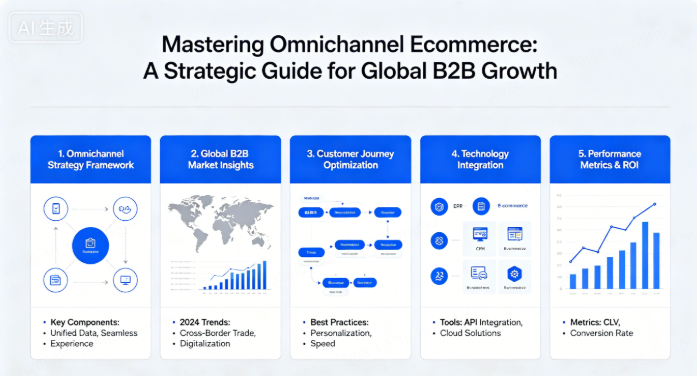
For businesses like LooperBuy, operating a one-stop B2B sourcing platform requires a sophisticated approach to omnichannel ecommerce. This guide dives deep into why omnichannel strategy is a fundamental requirement for global B2B success, how to structure your operations, and how to leverage your unique value proposition to scale effectively.
Table of Contents
Understanding Omnichannel Ecommerce: Core Principles
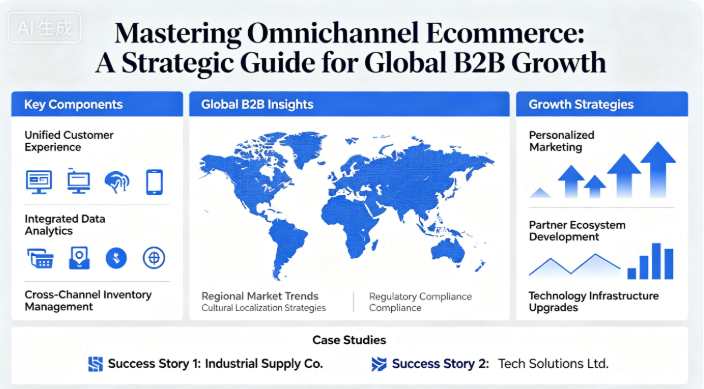
It is a common misconception that “omnichannel” simply means selling in multiple places. That is multichannel commerce—where channels operate in parallel silos with separate data, inventory, and rules.
Omnichannel ecommerce represents a shift to an unified operating model where all interaction channels are integrated into a single system. In this model, customer identity, shopping carts, orders, pricing, and inventory data remain consistent across every touchpoint 1.
The Core Difference
| Feature | Multichannel | Omnichannel |
|---|---|---|
| Data Silos | Scattered across channels | Unified profile 1 |
| System Logic | Independent operation | Connected, unified system |
| Customer Context | Resets when changing channels | Preserved throughout the journey |
Why Omnichannel is the Growth Engine for B2B Sourcing
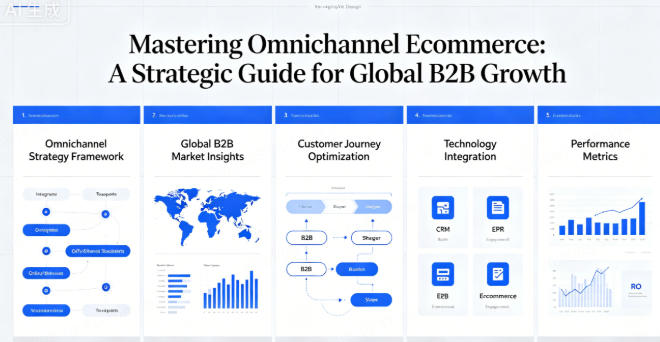
For a global sourcing platform, providing a seamless experience is a massive competitive advantage. When touchpoints share a “single source of truth,” your business gains:
- Higher Conversion & Retention: When a buyer can transition from browsing on mobile to finalizing a bulk purchase on a desktop without losing their cart or negotiated pricing, friction vanishes.
- Operational Efficiency: Synchronized inventory and pricing across all channels prevent overselling and manual reconciliation, which are critical when managing global logistics and diverse product catalogs.
- Enhanced Data Insights: By connecting the end-to-end journey—from initial inquiry to repeat purchase—you gain a clear view of which channel combinations drive the highest revenue 1.
Expert Insight: In B2B, omnichannel isn’t just about convenience; it’s about continuity. Negotiated contract terms, account hierarchies, and purchase approval workflows must persist regardless of whether the buyer is interacting with a sales rep, using a self-service portal, or placing an order via an API integration 1.
Optimizing Global Sourcing: The LooperBuy Advantage
LooperBuy’s unique position as a One-Stop B2B Sourcing Platform allows you to solve a major pain point for global buyers: the complexity of sourcing from China. To maximize your SEO and brand authority, highlight these strengths within your omnichannel strategy:
- Global Accessibility: By unifying your web, mobile, and B2B portal experiences, you enable buyers worldwide to access the vast Chinese market as easily as a local store.
- Supply Chain Transparency: Integrate real-time logistics tracking into the buyer’s account dashboard, ensuring they can see shipment status across any device.
- Competitive Cost-Structure: Use your platform to communicate the cost-efficiency of direct sourcing by providing unified, transparent pricing and bulk-discount tiers that update in real-time.
Implementing a Winning Omnichannel Strategy
Transitioning to an omnichannel model should be approached as a phased, strategic rollout.
- Map the Customer Journey: Identify every interaction point—from initial product discovery to post-purchase support. Pinpoint where the experience breaks (e.g., when a user switches from mobile to desktop).
- Unify Data Architecture: The foundation of an omnichannel platform is a central data core. Ensure your Product Information Management (PIM), Order Management System (OMS), and Customer Relationship Management (CRM) systems talk to each other in real-time 1.
- Prioritize Integration: For global platforms, integration with ERP and logistics systems is non-negotiable. Real-time stock visibility across all warehouses and supplier locations is the key to minimizing order cancellations.
- Adopt a Composable Architecture: Use a modular platform that allows you to swap out or add channels (e.g., new regional marketplaces) without rebuilding your entire backend. This agility is vital for staying ahead of competitors 1.
Overcoming Common Implementation Challenges
- Data Fragmentation: Don’t launch new channels until they are fully integrated into your master data system.
- Legacy System Constraints: If your backend is tied to older systems, invest in a modern middleware or API layer to bridge the gap between legacy data and modern, customer-facing touchpoints 1.
- Internal Mindset: Ensure your sales, support, and warehouse teams understand that all channels form one business. Incentivize performance based on overall customer satisfaction, not just single-channel metrics.
Conclusion: The Future of Global B2B Sourcing
Omnichannel ecommerce is no longer a luxury; it is the infrastructure of modern B2B trade. For LooperBuy, mastering this strategy means creating a platform where global buyers feel the efficiency and scale of the Chinese market through a seamless, intuitive experience. By unifying your customer journey, data, and fulfilment processes, you are not just selling products—you are delivering a reliable, consistent B2B ecosystem.
References
- [1] Virtocommerce (2026). What Is Omnichannel eCommerce and How to Implement It Successfully. https://virtocommerce.com/blog/omnichannel-ecommerce
Frequently Asked Questions (FAQ)
1. What is the key to successful omnichannel B2B ecommerce?
The key is real-time synchronization of customer data, inventory, and pricing across all channels so that the buyer’s context—such as negotiated contract terms or order history—is preserved, no matter how they choose to buy 1.
2. How does an omnichannel platform differ from standard ecommerce software?
An omnichannel platform acts as an operational brain center that integrates all touchpoints (web, mobile, portals, marketplaces, ERP, CRM) into a single system, whereas standard software often treats channels as disconnected storefronts 1.
3. Why is LooperBuy’s focus on “One-Stop” sourcing effective?
By consolidating global logistics and direct access to Chinese manufacturers, you provide a unified value proposition. Implementing an omnichannel strategy further ensures this efficiency is accessible without friction through any channel the buyer prefers 1.
4. What should be the first step in an omnichannel strategy?
Start by mapping your current customer journeys to identify “broken handoffs,” then focus on integrating your core data systems (CRM, Inventory, and Order Management) to ensure they share a single source of truth 1.
5. How do I maintain data quality in an omnichannel setup?
Establish strict data standards, automate updates across systems using robust API connections, and regularly conduct audits to clean and deduplicate customer and product records 1.
Article Summary:
This comprehensive guide explains why omnichannel ecommerce is vital for B2B platforms like LooperBuy. It differentiates multichannel from omnichannel, provides a roadmap for unified data integration, and offers expert strategies for enhancing the global buyer experience. By prioritizing seamless handoffs and a connected data core, B2B companies can drive higher conversions and maintain a durable competitive advantage in the global sourcing market.
Hot tags
B2B ecommerce platform, global sourcing, omnichannel strategy, supply chain management, B2B procurement software, cross-border trade, digital transformation, B2B customer experience, wholesale marketplace, direct sourcing from China.