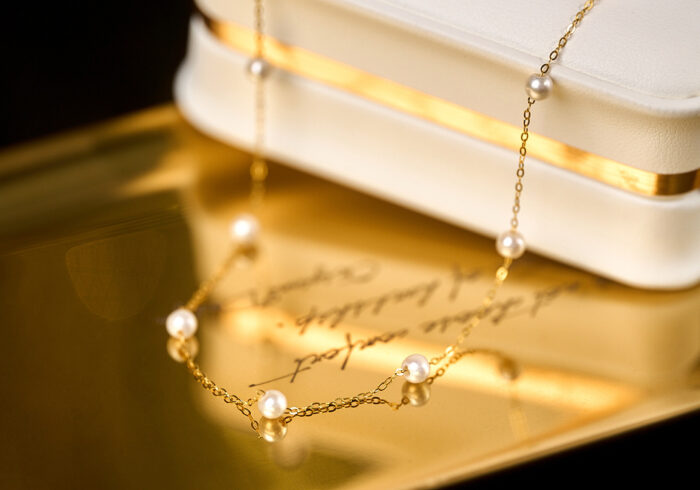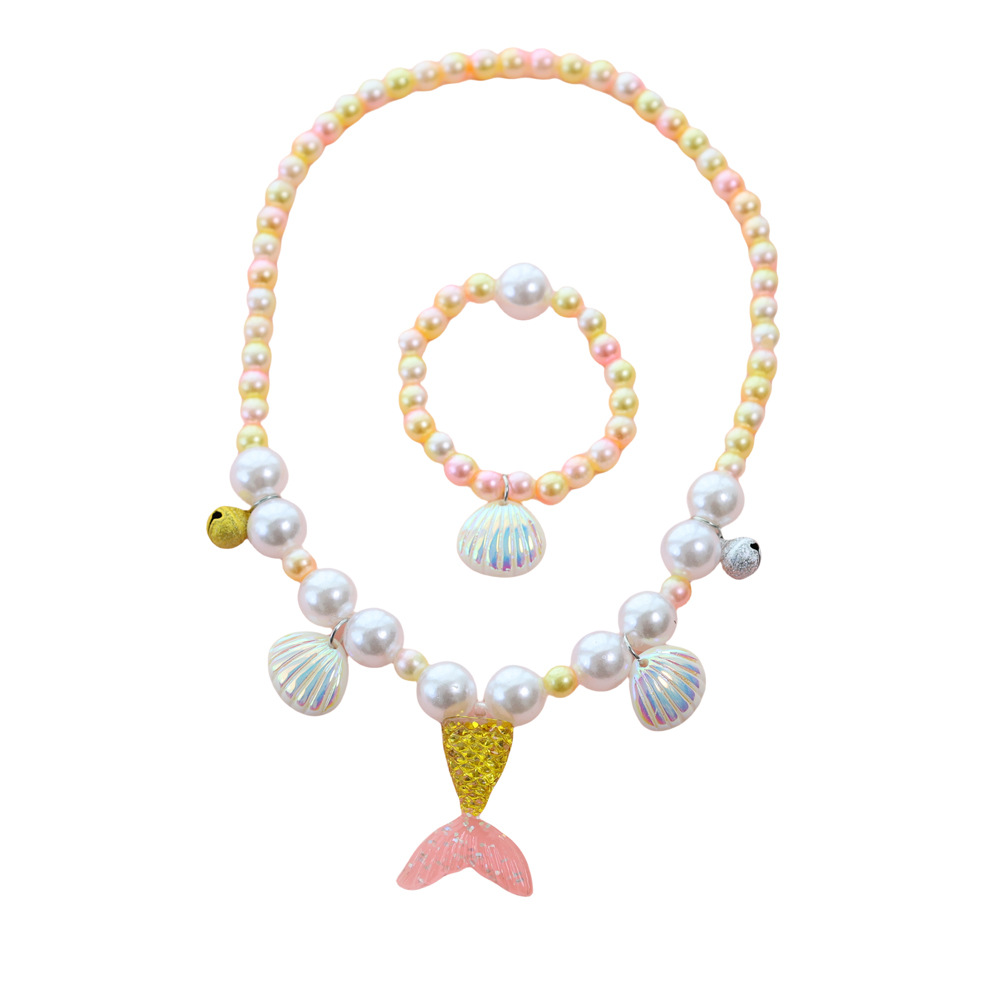
The arrival of a new life is a moment of profound transformation, a time when families look toward the future while honoring the traditions of the past. Among the many ways we choose to mark these milestones, few gestures carry the quiet grace and enduring sentiment of gifting a baby pearl necklace. Often referred to as a child’s first “real” piece of jewelry, these delicate strands are more than just accessories; they are tactile representations of love, symbols of innocence, and the first chapter in a lifelong story of elegance. The soft, iridescent glow of a pearl against a child’s skin has a way of capturing the purity of infancy, creating a visual memory that lingers long after the child has outgrown their nursery.
In a world increasingly dominated by disposable fashion and fleeting trends, the choice of a baby pearl necklace stands as a testament to the value of things that last. Unlike toys that are eventually donated or clothes that are quickly outgrown, a well-crafted pearl necklace is designed to be cherished for decades. It is an heirloom in the making, a piece of the past that the child will one day carry into their own future, perhaps passing it down to a daughter or granddaughter of their own. This article explores the rich tapestry of history, symbolism, safety, and style that defines this timeless gift, providing a comprehensive guide for those looking to begin a beautiful tradition.
Table of Contents
The Deep Symbolism of Pearls: Why They Are Perfect for Infants
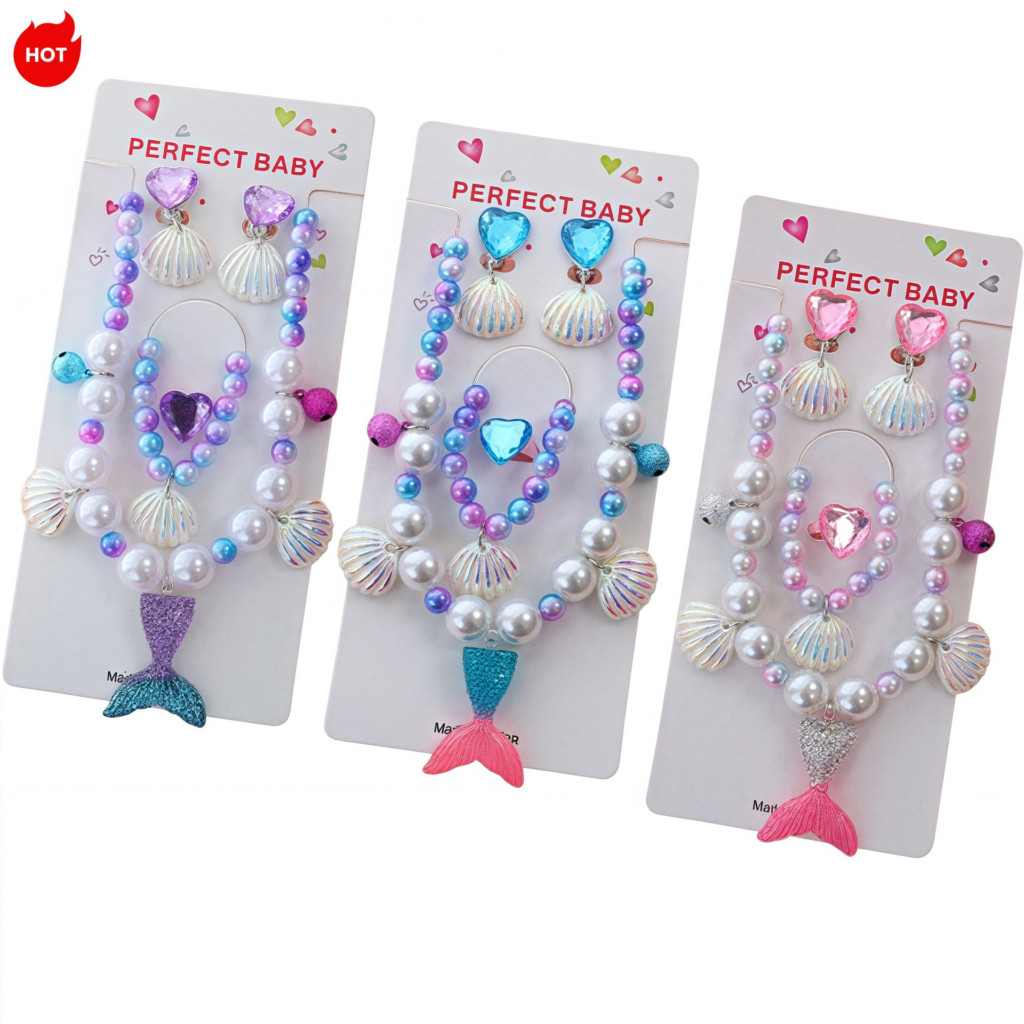
To understand the appeal of the baby pearl necklace, one must first understand the unique symbolism of the pearl itself. Unlike diamonds, rubies, or emeralds, which are mined from the earth and must be cut and polished to reveal their brilliance, pearls are the only gemstones created by a living organism. This biological origin gives them a “warmth” and a soft luster that is unparalleled in the world of jewelry. Throughout history and across cultures, pearls have been synonymous with purity, innocence, and new beginnings—the very qualities we associate most closely with a newborn child.
In many ancient traditions, pearls were believed to be tears of the gods or drops of moonlight that fell into the sea. This celestial connection reinforced the idea that pearls were “heaven-sent,” making them a natural choice for ceremonies marking a child’s entry into the community or faith. The white or cream-colored hues of most baby pearls further emphasize this connection to clarity and light. When a parent or grandparent places a baby pearl necklace around a little one’s neck, they are not just adorning the child; they are enveloping them in a tradition of protection and blessing that has spanned centuries.
Furthermore, the process of a pearl’s creation is a powerful metaphor for growth and resilience. A pearl begins as a tiny irritant inside an oyster or mussel, which the creature then coats in layer upon layer of lustrous nacre to protect itself. Over time, what started as a source of discomfort is transformed into something of immense beauty. This narrative of transformation is a beautiful sentiment to bestow upon a child, symbolizing the hope that they, too, will navigate life’s challenges with grace and emerge stronger and more radiant.
Historical Roots: From Victorian Traditions to Modern Keepsakes
The tradition of gifting jewelry to infants is not a modern phenomenon. In the Victorian era, jewelry was a significant part of a child’s wardrobe, particularly among the upper classes. It was during this time that the “christening set”—often including a small necklace, a bracelet, and sometimes even a silver rattle—became a standard gift for significant milestones. The Victorians were masters of sentimentality, and they viewed jewelry as a way to “anchor” a child’s history. A baby pearl necklace from this period was often a sign of status, but more importantly, it was a physical manifestation of a family’s legacy.
As we moved into the 20th century, the practice became more democratized. The mid-century “Add-A-Pearl” movement revolutionized how families thought about jewelry. Instead of buying a full strand all at once, parents or godparents could start with a single, high-quality pearl on a delicate gold chain. With each birthday, holiday, or achievement, a new pearl would be added to the strand. By the time the girl reached her sixteenth birthday or her wedding day, she would possess a full, high-quality necklace, each bead representing a specific memory or person in her life. This tradition remains one of the most popular ways to gift a baby pearl necklace today, as it allows the gift to “grow” alongside the child.
Today, the modern keepsake market has expanded to include various styles and price points, but the core essence remains the same. Whether it is a simple strand of freshwater pearls for a baptism or a designer piece featuring Akoya pearls, the goal is to provide a touchstone—a piece of the child’s earliest years that can be kept in a velvet box and rediscovered years later as a cherished memento.
Understanding Pearl Varieties for Little Ones
When shopping for a baby pearl necklace, it is essential to understand that not all pearls are created equal. The variety you choose will affect not only the price but also the luster, durability, and overall aesthetic of the piece. For infants and toddlers, the selection process often balances the desire for high quality with the practical realities of a child’s active lifestyle.
Freshwater Pearls: The Practical Choice
Freshwater pearls are currently the most popular choice for children’s jewelry. They are grown in mussels in freshwater lakes and rivers, and because a single mussel can produce dozens of pearls at a time, they are generally more affordable than their saltwater counterparts. However, affordability does not mean a compromise in beauty. Modern freshwater pearls come in a stunning array of shapes and colors, ranging from the classic round white to soft pinks, lavenders, and creams.
One of the greatest advantages of freshwater pearls for a baby pearl necklace is their durability. Unlike some saltwater pearls, which have a thin layer of nacre over a bead nucleus, freshwater pearls are typically composed entirely of nacre. This makes them much more resistant to chipping and wear—a vital feature for jewelry that might be tugged on or accidentally bumped. Their organic, slightly irregular shapes (often called “potato” or “rice” pearls) also lend a charming, youthful feel that is perfectly suited for a baby.
Akoya and Cultured Pearls: The Lustrous Standard
For those seeking the pinnacle of traditional elegance, Akoya pearls are the gold standard. These saltwater pearls, primarily from Japan, are known for their perfectly round shapes and intense, mirror-like luster. An Akoya baby pearl necklace will have a “glow” that is noticeably sharper than that of a freshwater strand. These are often chosen for formal portraits, weddings, or as high-end christening gifts.
Because Akoya pearls are more delicate and expensive, they are often reserved for special occasions rather than daily wear. They represent a serious investment in the child’s future jewelry collection. When choosing Akoya pearls, it is important to look for a high-quality “AAA” rating to ensure that the nacre is thick enough to last for generations.
Selecting the Ideal Size and Color
Size is perhaps the most critical factor in choosing a baby pearl necklace. While adult pearls typically range from 6mm to 10mm, pearls for babies are significantly smaller. The most common sizes for infants are between 3mm and 5mm. Anything larger can look disproportionate on a small neck and may feel heavy or uncomfortable for the child. A 4mm pearl is often considered the “sweet spot”—large enough to show off its luster but small enough to remain dainty and age-appropriate.
Color choice is usually a matter of personal preference, but traditional white or “creamy” white remains the most popular. These shades are versatile and complement almost any christening gown or party dress. Some families opt for soft pink pearls to celebrate the birth of a girl, or even a “multi-color” pastel strand for a more playful, modern look. Regardless of the color, the key is to ensure the pearls are well-matched in terms of shade and shine.
The Add-A-Pearl Tradition: A Journey through Childhood
As mentioned previously, the “Add-A-Pearl” concept is one of the most heart-warming ways to approach children’s jewelry. This method transforms a simple purchase into a decades-long narrative of love. When you start a baby pearl necklace this way, you are creating a ritual. Imagine the joy of a five-year-old receiving her “annual pearl” and seeing her necklace grow just as she does.
This tradition also makes gifting easier for extended family. If a grandmother starts the necklace, aunts and uncles can contribute individual pearls for various milestones. By the time the child is a young woman, she doesn’t just have a necklace; she has a map of her childhood and the people who supported her. It also ensures that the final piece is of much higher quality than what a young adult might be able to afford for themselves, as the cost was distributed over eighteen or more years.
Safety First: Essential Guidelines for Parents
While the beauty of a baby pearl necklace is undeniable, safety is the paramount concern for any parent. Jewelry for infants is a topic that requires careful consideration and strict adherence to safety standards to prevent accidents.
Hand-Knotting and Security Clasps
The most important safety feature of any high-quality baby pearl necklace is hand-knotting. This means that a small, secure knot is tied in the silk or nylon thread between every single pearl. This serves two purposes. First, it prevents the pearls from rubbing against each other and scratching their delicate surfaces. Second, and most importantly, if the necklace were to break, only one pearl would fall off, rather than the entire strand scattering. This significantly reduces the risk of the child choking on multiple small beads.
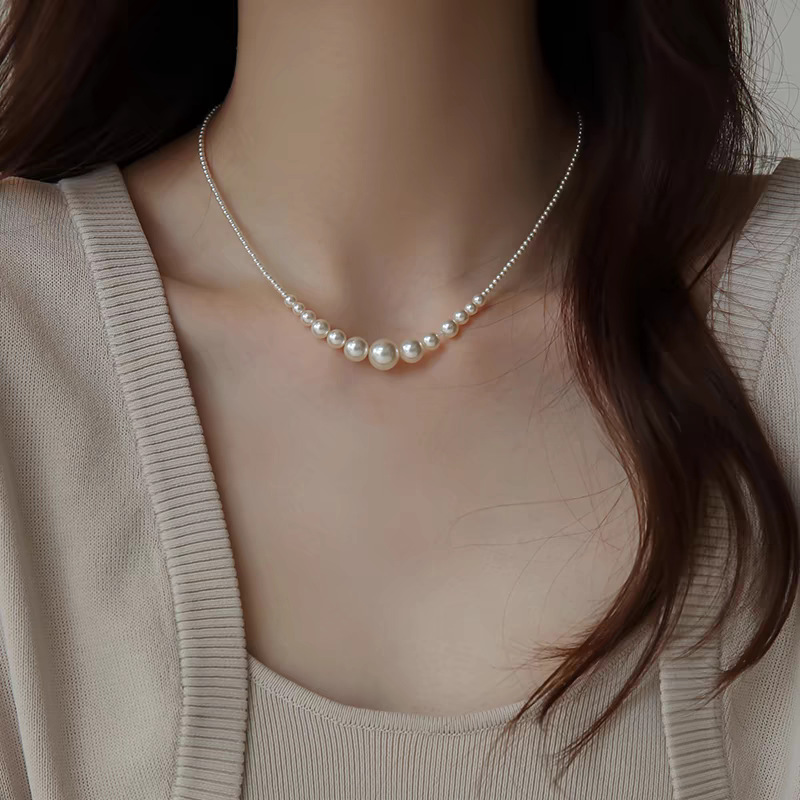
The clasp is another critical element. For babies, a “lobster claw” or a “spring ring” clasp is standard, but some high-end pieces feature “screw-on” barrel clasps which are much harder for a child to undo themselves. The metal used for the clasp should always be hypoallergenic. 14k or 18k gold and sterling silver are the best choices, as they are less likely to cause skin irritation or allergic reactions than base metals or plated options.
Hypoallergenic Metals and Material Purity
A baby’s skin is incredibly sensitive, and cheap jewelry often contains nickel or lead, which can cause rashes or more serious health issues. When purchasing a baby pearl necklace, always verify that the metal components are nickel-free. Investing in precious metals like gold not only ensures safety but also adds to the heirloom value of the piece. Gold does not tarnish as easily as silver, meaning the necklace will remain bright and beautiful in its storage box for years.
Age-Appropriate Wear and Supervision
Even with the best safety features, a baby pearl necklace should never be worn unsupervised. Experts generally recommend that jewelry be removed during naptime, bedtime, and playdates. It is a “special occasion” item rather than a “wear-all-day” accessory. For very young infants, the necklace is often worn only for a few minutes during a photo session or a ceremony. As the child grows into a toddler and school-aged girl, they can be taught how to care for their jewelry and wear it for longer periods.
Perfect Occasions for the Gift of Pearls
Knowing when to give a baby pearl necklace can make the gift even more impactful. There are several traditional milestones where pearls are particularly appropriate:
- Christenings and Baptisms: This is the most common occasion. The “purity” of the pearls matches the spiritual significance of the day.
- First Birthdays: Marking the completion of the first year of life is a major event, and a pearl necklace is a gift that recognizes the child is moving out of early infancy.
- Naming Ceremonies: In many cultures, the naming of a child is a sacred event where family members offer blessings and gifts.
- Flower Girl Duties: If the baby is participating in a family wedding, a tiny strand of pearls is the perfect accessory to match the bridal party.
- Holidays: A first Christmas or Hanukkah is a wonderful time to start an heirloom tradition.
Maintenance and Longevity: Preserving the Glow
Pearls are organic gems, and they require a bit more care than diamonds or gold. They are porous and can be affected by the oils in the skin, lotions, or even the humidity in the air. For a baby pearl necklace to last long enough to be passed down, it must be cared for properly.
The “last on, first off” rule is the gold standard of pearl care. This means the necklace should be the last thing put on the child after any lotions or powders have been applied, and the first thing taken off when they get home. After each use, it is a good idea to wipe the pearls with a soft, damp cloth to remove any residues. Never use harsh chemicals or ultrasonic cleaners, as these can strip the nacre and destroy the pearl’s luster.
Storage is equally important. Pearls should be stored in a soft pouch or a separate compartment in a jewelry box to prevent them from being scratched by harder stones like diamonds. Because they are organic, they actually benefit from being “breathed” occasionally; storing them in an airtight plastic bag for years can cause them to dry out and become brittle. If the necklace is worn frequently, it should be re-strung by a professional jeweler every few years to ensure the thread remains strong.
Conclusion
The journey of choosing and gifting a baby pearl necklace is one of the most rewarding experiences a parent or loved one can have. It is an investment in beauty, tradition, and memory. By selecting high-quality pearls, ensuring the highest safety standards, and embracing the sentimental traditions like “Add-A-Pearl,” you are giving a child more than just a piece of jewelry. You are giving them a tangible connection to their family history and a symbol of the love that surrounded them from their very first days.
As the child grows, the necklace will serve as a quiet reminder of their worth and the enduring nature of the bonds that tie us together. Whether it is worn at a baptism, captured in a first-year portrait, or tucked away for a future wedding day, the baby pearl necklace remains a luminous legacy—a small, perfect circle of grace that never goes out of style.
How to purchase:Online B2B sourcing platform, China purchase, Chinese suppliers – LooperBuy
Frequently Asked Questions
1. What is the best age to buy a baby pearl necklace for a child?
Most families choose to gift a baby pearl necklace during the first year of life, typically for a christening, baptism, or first birthday. While the necklace can be purchased at any time, it is important to remember that it is intended as a keepsake and special occasion item. For regular wear, many experts suggest waiting until the child is at least three years old and can understand how to handle jewelry safely.
2. How long should a necklace be for an infant or toddler?
The standard length for a baby pearl necklace is 12 inches, which generally fits infants and toddlers comfortably without being too loose (which could be a snagging hazard) or too tight. For older children (ages 5 to 10), a 14-inch “princess” length is usually preferred. Many necklaces come with an “extender” chain made of gold or silver, allowing the piece to be adjusted as the child grows.
3. Are freshwater pearls “real” pearls?
Yes, freshwater pearls are 100% real. They are cultured in mussels rather than oysters, but they are composed of the same organic nacre as saltwater pearls. In fact, many people prefer freshwater pearls for children because they are solid nacre and more durable than some saltwater varieties. They offer a beautiful, authentic look at a more accessible price point.
4. How can I tell if the pearls are safe for my baby?
To ensure safety, check that the necklace is professionally hand-knotted between each bead. This prevents all the pearls from falling off if the string breaks. Additionally, look for a high-quality, secure clasp (like a screw clasp or a sturdy lobster claw) and ensure the metal is 14k gold or sterling silver to avoid allergic reactions. Always supervise a child while they are wearing any jewelry.
5. Can a baby pearl necklace be repaired or enlarged later?
Absolutely. One of the best things about a pearl necklace is its versatility. A professional jeweler can easily re-string the pearls onto a longer thread or add more pearls to the strand as the child grows. This is common in the “Add-A-Pearl” tradition, where the necklace eventually evolves from a baby-sized piece into a full-length adult strand.
HOT TAG:
Baby Pearl Necklace, Heirloom Jewelry, Christening Gifts, First Birthday Traditions, Infant Safety Standards, Cultured Pearls, Add-A-Pearl Tradition, Keepsake Jewelry, Luxury Baby Gifts, Pearl Care Guide, Children’s Fashion, Precious Metals for Infants, Baptism Accessories, Timeless Jewelry Style