Table of Contents
Introduction: The Allure of Italian Artisanal Leather in B2B Markets
Italy’s reputation for crafting luxurious, durable leather goods has made it a global hub for B2B buyers seeking artisanal excellence. From Florence’s tanneries to Milan’s design studios, the country’s legacy of leatherworking combines traditional techniques with modern innovation. For businesses in fashion, retail, or corporate gifting, sourcing Italian artisanal leather bags offers a competitive edge—but navigating the B2B landscape requires understanding quality benchmarks, supplier dynamics, and market trends. This guide explores how to identify trustworthy partners, secure ethical supply chains, and leverage Italy’s craftsmanship for profitable ventures.
Why Italy Dominates the Artisanal Leather Bags Market
1. Heritage of Craftsmanship
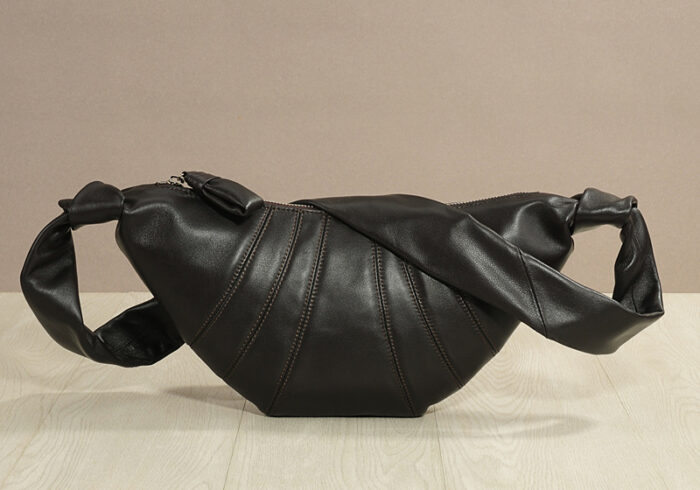
Italian artisans have refined leatherworking over centuries, mastering techniques like vegetable tanning (a slow, eco-friendly process that enhances leather’s patina) and hand-stitched construction. Regions like Tuscany and Marche are renowned for clusters of family-owned workshops that prioritize precision over mass production.
2. Material Quality
Full-grain leather from Italian hides is celebrated for its durability, texture, and ability to age gracefully. Suppliers often source hides from local farms, ensuring traceability and adherence to EU regulations on chemical use.
3. Design Versatility
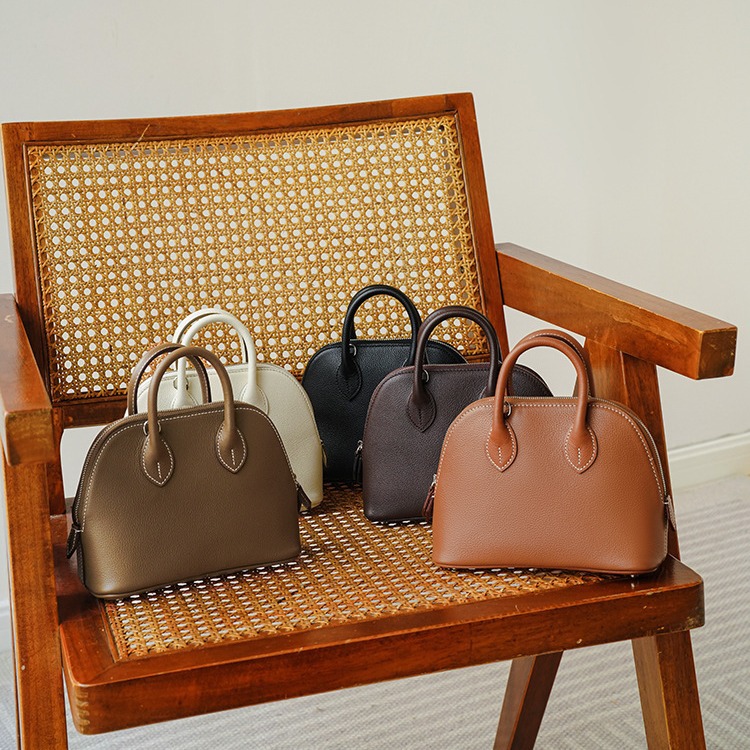
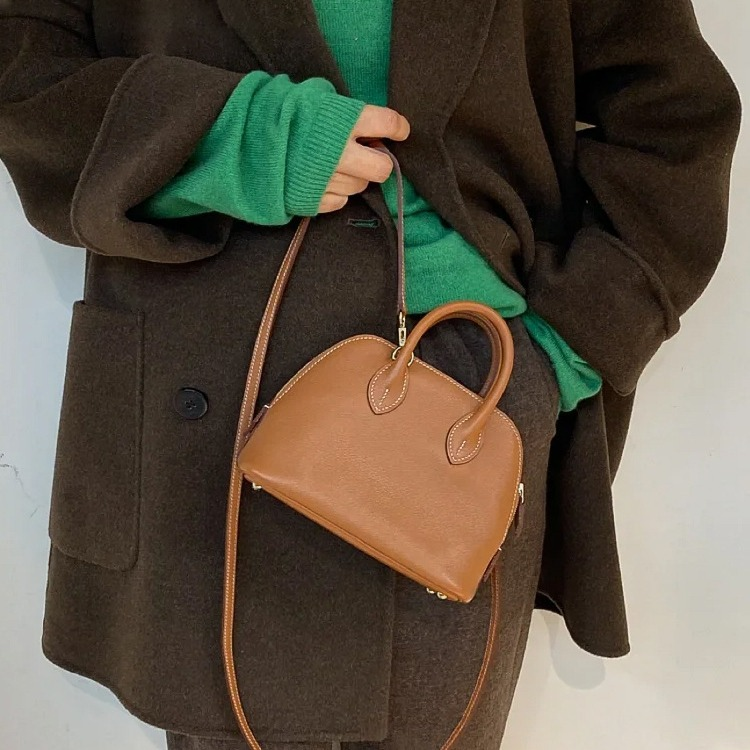
Whether seeking minimalist tote bags, structured briefcases, or bespoke corporate designs, Italian manufacturers excel in balancing timeless aesthetics with contemporary functionality.
Key Considerations for B2B Sourcing
1. Certifications and Compliance
- Italian Leather Certification (Pelletteria Italiana): Ensures products meet standards for materials and craftsmanship.
- REACH Compliance: Guarantees adherence to EU chemical safety regulations.
- Ethical Audits: Look for suppliers with SA8000 or Sedex certifications for fair labor practices.
2. Minimum Order Quantities (MOQs) and Pricing
Artisanal workshops typically have higher MOQs (100–500 units) compared to factories, reflecting their labor-intensive processes. Negotiate tiered pricing for bulk orders and inquire about sample production costs upfront.
3. Customization Capabilities
Top suppliers offer embossing, monogramming, or fully custom designs. Clarify lead times for prototypes and production—artisanal workflows may require 8–12 weeks for bespoke orders.
How to Identify Reliable B2B Suppliers
1. Attend Trade Fairs
- Lineapelle (Milan): A bi-annual exhibition featuring leather suppliers and manufacturers.
- MICAM Milano: Focuses on finished footwear and leather goods.
2. Leverage B2B Platforms
Platforms like Fashionbiz or ItalianModa curate verified artisans. Avoid generic marketplaces; prioritize suppliers with detailed profiles and client testimonials.
3. Visit Workshops In-Person
Inspect facilities for organization, worker conditions, and inventory management. Artisans often welcome audits as proof of their craftsmanship.
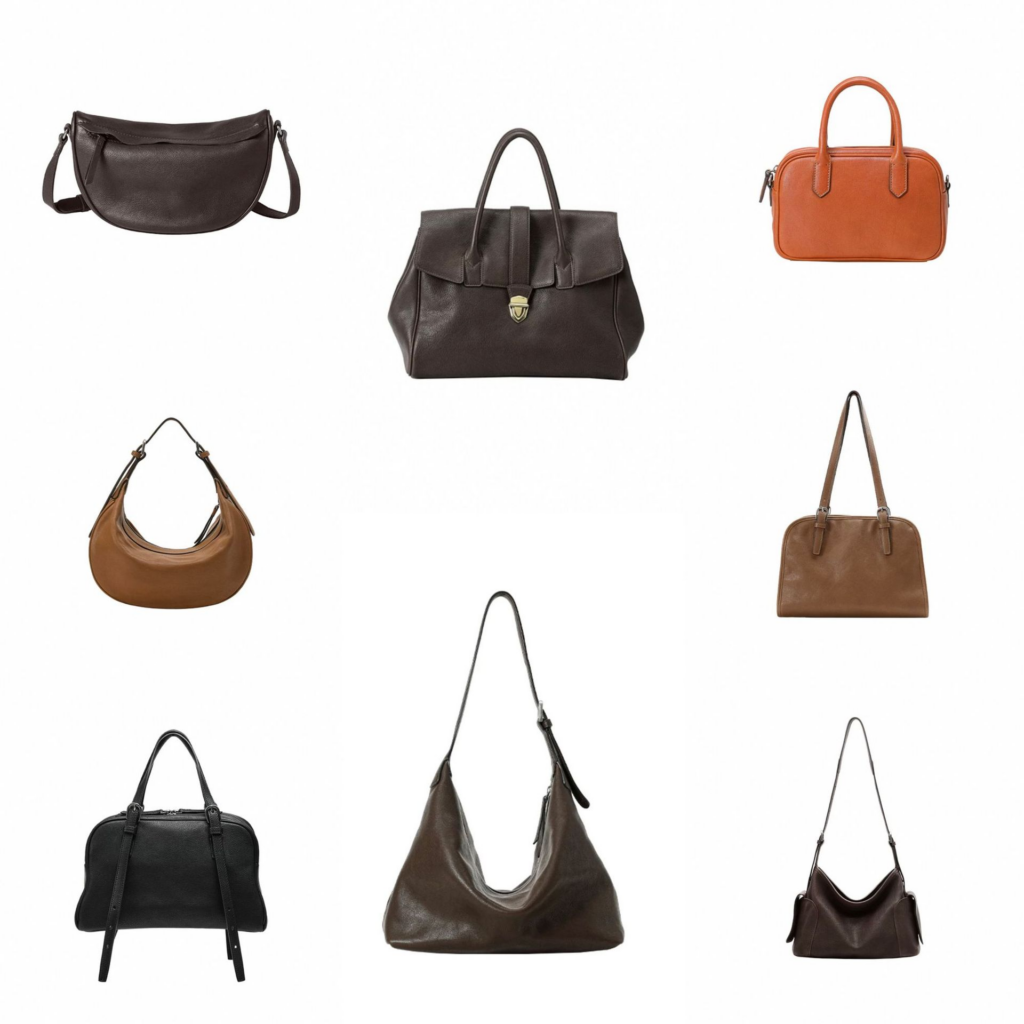
Trends Shaping Italy’s Artisanal Leather Bags Sector (2025)
1. Sustainability as a Premium Feature
Buyers increasingly demand recycled leather, vegetable-tanned hides, and carbon-neutral production. Suppliers like Eco-Pelletteria now offer certifications for cradle-to-cradle lifecycle assessments.
2. Tech Integration
Smart bags with USB ports, RFID-blocking pockets, or GPS trackers are gaining traction. Partner with manufacturers like TechLeather Innovations to blend tradition with innovation.
3. Direct-to-Consumer (DTC) Flexibility
Artisans are adapting to DTC trends by offering dropshipping or white-label services. This reduces inventory risks for B2B clients entering e-commerce.
Case Study: Success Stories in B2B Sourcing
1. Luxury Retailer Partnerships
A U.S.-based boutique collaborated with Florence Leather Market to launch a limited-edition collection. By co-designing bags with interchangeable straps, they achieved a 40% sell-through rate in the first month.
2. Corporate Gifting
A tech firm sourced custom leather laptop sleeves from Tuscany Craft, incorporating their logo via gold foil stamping. The campaign boosted client retention by 25%.
Overcoming Challenges in B2B Sourcing
1. Language and Cultural Barriers
Work with bilingual agents or hire a sourcing agent familiar with Italian business etiquette (e.g., punctuality, relationship-building over meals).
2. Shipping and Customs
Opt for FOB (Free on Board) terms to control shipping logistics. Factor in EU export duties and potential delays during peak seasons.
3. Intellectual Property Protection
Sign NDAs and register designs with Italy’s Ufficio Italiano Brevetti e Marchi to prevent counterfeiting.
Conclusion
Sourcing Italian artisanal leather bags for B2B purposes demands diligence but rewards buyers with unparalleled quality and brand differentiation. By prioritizing certifications, sustainability, and direct supplier relationships, businesses can tap into Italy’s legacy of craftsmanship while navigating modern market demands.
How to Purchase:https://looperbuy.com/search?keywords=Italy+artisanal+leather+bags+B2B+sourcing
Related Questions & Answers
· What’s the average price range for Italian artisanal leather bags?
Wholesale prices typically range from 80–300 per unit, depending on materials, complexity, and MOQs. Retail markups can exceed 300%.
· How long does production take for custom orders?
Lead times average 8–12 weeks for bespoke designs, including prototyping. Stock items may ship within 2–4 weeks.
· Can small businesses source from Italian artisans?
Yes, but MOQs may be higher. Some workshops accept smaller orders for premium pricing or partner with sourcing agents to consolidate multiple buyers’ needs.
· What’s the difference between Italian and other European leather goods?
Italian leather emphasizes vegetable tanning and handcrafted details, while French or Spanish competitors may prioritize machine production or different leather types (e.g., calfskin vs. cowhide).
· How to verify a supplier’s ethical practices?
Request third-party audit reports (e.g., Fair Wear Foundation) or visit their facilities. Ethical suppliers often highlight certifications on their websites.
Hot Tags: Italy Leather Bags Wholesale; Artisanal Leather Suppliers Italy; B2B Italian Craftsmanship; Sustainable Leather Sourcing; Custom Leather Bags B2B; Luxury Leather Manufacturers; Italian Tanneries Directory; Corporate Gift Leather Bags; Ethical Leather Production Italy