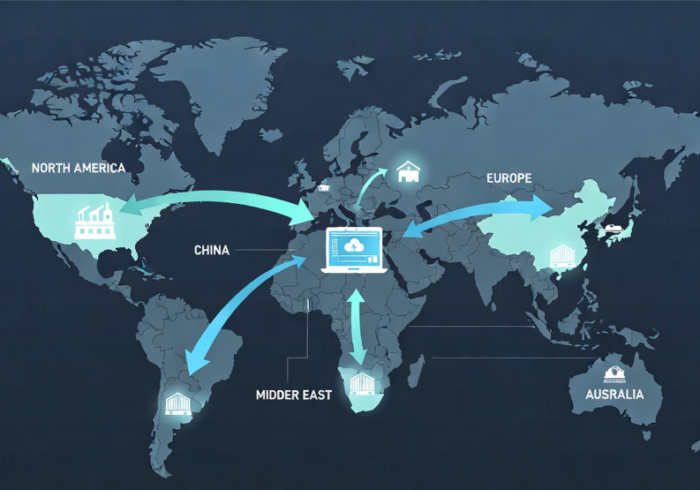
Starting a B2B office supplies wholesale business is a lucrative venture for entrepreneurs who understand the shifting landscape of global procurement. As businesses move away from traditional, local purchasing toward cost-effective, digital-first sourcing, the opportunity to bridge the gap between high-quality manufacturing and global demand has never been greater.
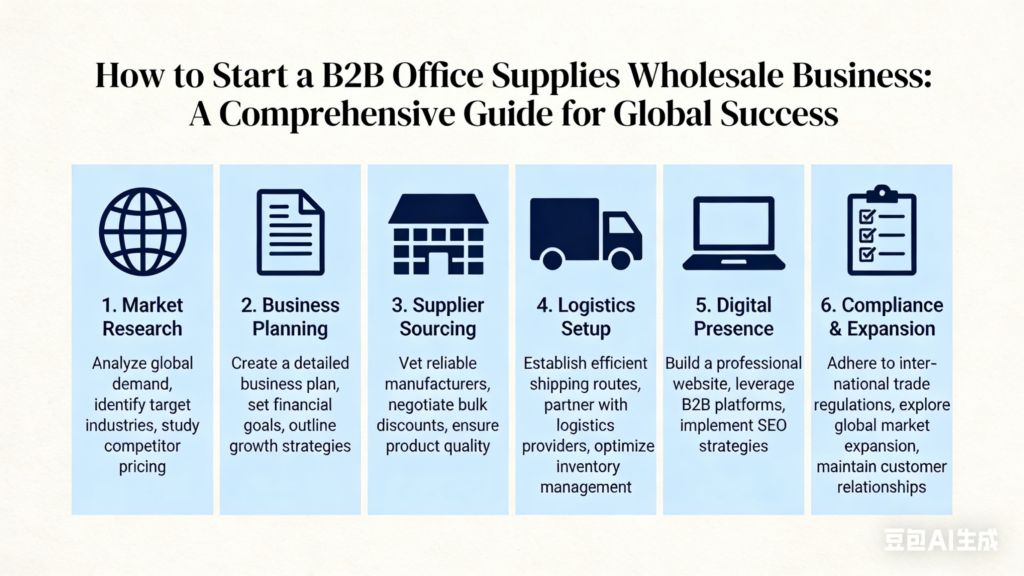
Table of Contents
Why the B2B Office Supplies Market is Booming
The global office supplies market is projected to grow steadily, driven by the resurgence of hybrid workplaces, small office/home office (SOHO) setups, and the ongoing digitalization of procurement. The demand for a streamlined supply chain is driving growth in the B2B office supplies sector. Buyers—including brands, wholesalers, and specialized retailers—are actively seeking reliable, cost-effective, and diverse inventory that offers better margins than local retail options.
Key Drivers of Industry Growth:
- Cost Efficiency: Purchasing in bulk directly from manufacturing hubs (primarily China, Vietnam, and India) allows businesses to significantly reduce operational overhead. Even after shipping and tariffs, landed costs can be 40–60% lower than domestic wholesale.
- Digital Transformation: Modern B2B procurement platforms allow global buyers to access competitive pricing and real-time inventory updates without traditional physical constraints. Buyers now expect self-service portals, instant quotes, and digital line sheets.
- One-Stop Sourcing: The rise of specialized platforms, such as LooperBuy, enables seamless access to a vast variety of office goods—from stationery to specialized equipment—with simplified international logistics. This reduces the need for buyers to manage dozens of supplier relationships.
- Recurring Revenue Model: Office consumables (paper, pens, toner, cleaning wipes) are purchased repeatedly. Once you secure a corporate client, you can generate predictable monthly or quarterly revenue, improving cash flow stability.
- Post-Pandemic Hybrid Work: Even with remote work, companies are restocking home offices and implementing hub-and-spoke models, increasing demand for smaller, distributed inventory packs rather than just bulk shipments to a single headquarters.
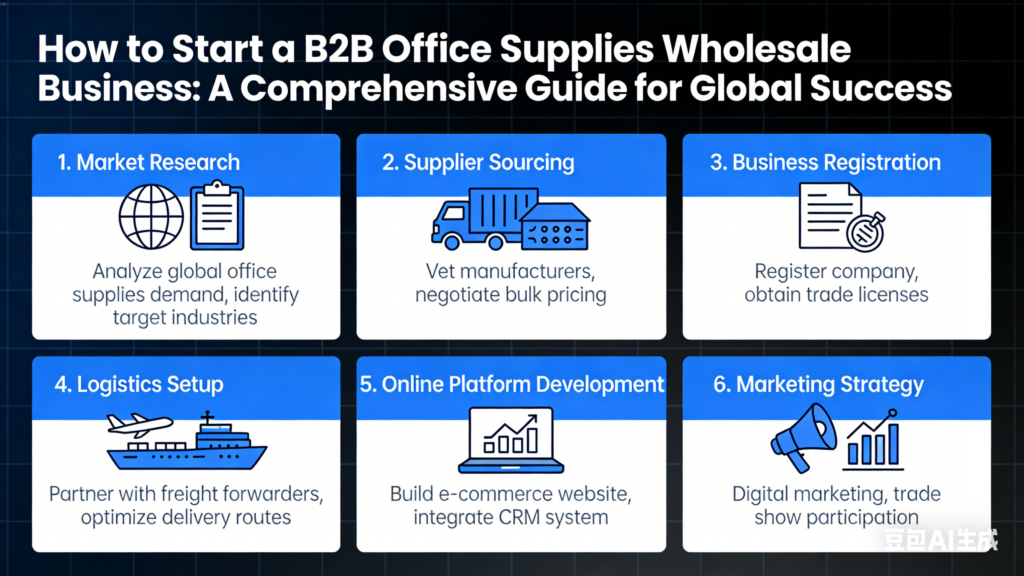
Step-by-Step Roadmap to Launch Your Wholesale Business
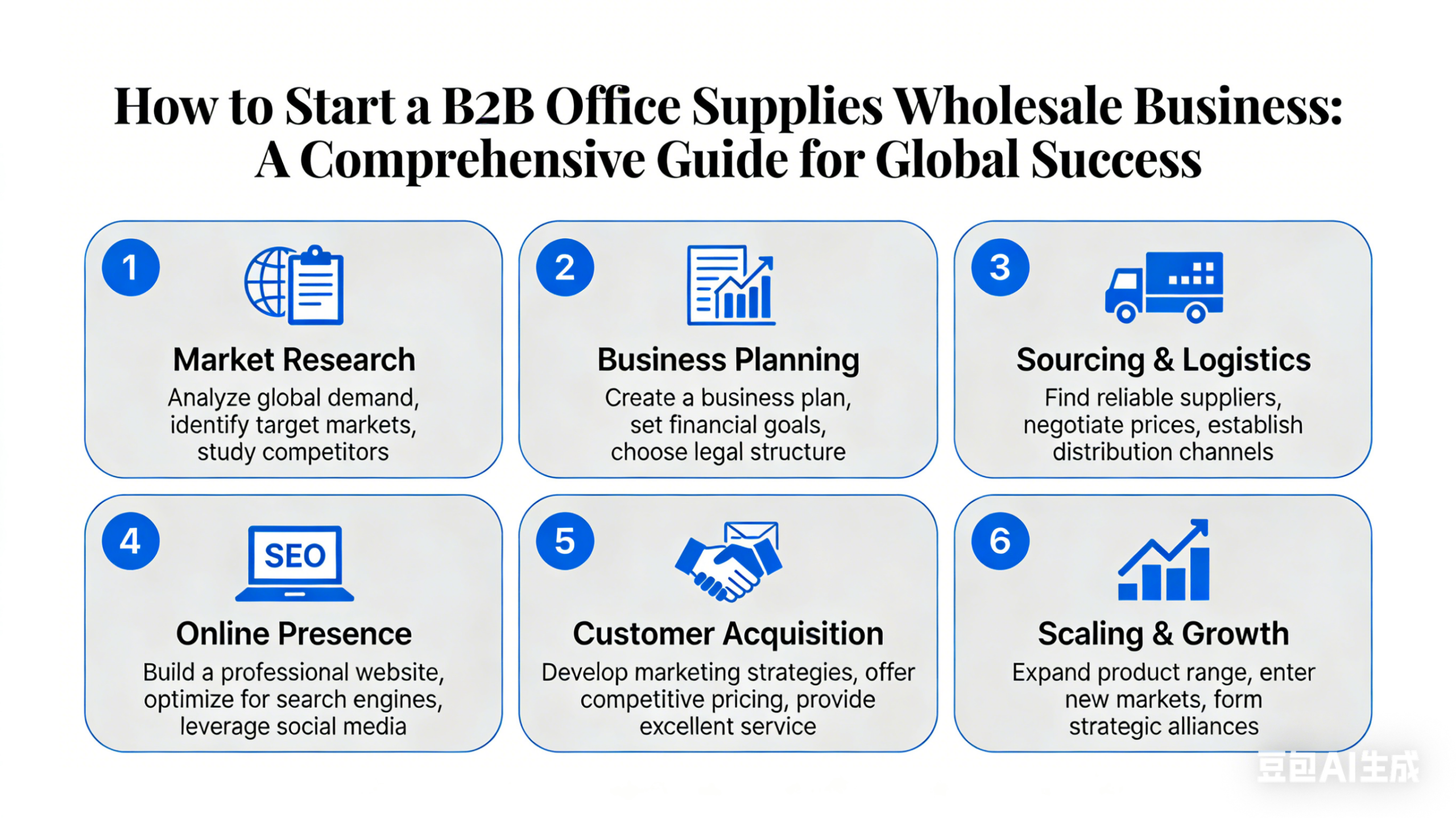
1. Define Your Niche and Target Market
Don’t try to sell everything to everyone. Success in the B2B office supplies market often comes from specialization.
- Identify Demand: Analyze what local retailers or offices in your target regions are missing. For example, European buyers may prioritize eco-certified products, while Middle Eastern clients might focus on heat-resistant storage solutions.
- Focus Areas: Consider focusing on high-turnover items (e.g., paper, pens, printer consumables) or specialized office equipment that requires replacement. Other profitable niches include:
- Ergonomic accessories (standing desk converters, lumbar supports)
- Janitorial & breakroom supplies (hand sanitizer, coffee, paper towels)
- School & educational supplies (seasonal spikes create cash flow opportunities)
- Custom branded stationery (higher margins, longer client lock-in)
2. Secure a Reliable Supply Chain
Your reputation rests on the quality and consistency of your products. Avoid fragmented sourcing by partnering with established B2B platforms like LooperBuy that provide:
- Direct Access: Connect with vetted Chinese manufacturers for better price points. Look for suppliers with ISO 9001 certification or BSCI social compliance reports.
- Product Variety: Ensure your catalog is deep enough to become a one-stop-shop for your buyers. A shallow catalog (e.g., only pens and paper) forces clients to go elsewhere for sticky notes or binder clips.
- Quality Control (QC): Before committing to large orders, request pre-production samples, conduct in-line inspections, and insist on a third-party QC report (e.g., from SGS or Bureau Veritas) for each batch.
- Supplier Backup Plan: Never rely on a single factory. Develop relationships with two or three manufacturers for your core products to mitigate risk from raw material shortages or production delays.
3. Build a Professional Online B2B Presence
Your website is your digital showroom. It must be optimized for B2B buyers who prioritize efficiency over flashy design.
- Essential Features: Implement wholesale-specific functionality, such as minimum order quantities (MOQs), tiered pricing based on volume, simplified checkout processes, and net-30 payment terms for approved accounts.
- Clear Catalogs: Provide high-quality product images (multiple angles, use-case photos), detailed specifications (weight, dimensions, material, certifications), and transparent pricing via professional line sheets. Buyers should be able to download a CSV price list instantly.
- Request for Quote (RFQ) Functionality: Many B2B buyers want to negotiate custom pricing or bundling. An RFQ form reduces back-and-forth email and captures lead data.
- Mobile Optimization: Procurement managers often research on mobile devices during commutes or between meetings. Ensure your site loads quickly and displays pricing tables clearly on small screens.
4. Streamline Logistics and Global Shipping
Logistics can make or break your profit margins. A seemingly great product becomes uncompetitive if shipping costs double your landed price.
- Leverage Global Logistics: Partner with platforms that offer built-in freight calculation and container tracking, significantly reducing the complexity of importing. Understand the difference between FOB (Free on Board – you pay from factory to port) and CIF (Cost, Insurance, Freight – supplier handles to your destination port).
- Cost Management: Use tools to optimize container loads (LCL vs. FCL). For orders under 15 cubic meters, Less-than-Container Load (LCL) is common, but beyond that, a Full Container Load (FCL) often reduces per-unit shipping costs by 20–30%.
- Warehousing Strategy: Decide whether to hold inventory in your home country (faster fulfillment, higher storage costs), use a third-party logistics provider (3PL) near your main clients, or ship directly from the manufacturer (lower inventory risk, longer lead times). Many successful wholesalers start with direct shipping, then open a local warehouse after securing 20–30 repeat clients.
- Customs & Duties: Work with a licensed customs broker to classify your products correctly (HS codes) and calculate landed costs including tariffs, value-added tax (VAT), and handling fees. Misclassification can lead to fines or seized shipments.
Expert Strategies for Scaling Your Operations
Once you have your first ten clients and a functioning supply chain, scale deliberately using these strategies.
| Strategy | Benefit | Focus Area |
|---|---|---|
| Tiered Pricing | Increases Average Order Value (AOV) by encouraging bulk buys | B2B Wholesale Pricing |
| Inventory Management | Reduces stock-outs and excess costs; improves cash flow | Supply Chain Efficiency |
| Customer Retention | Builds long-term revenue through repeat orders | Service & Communication |
| Automated Reordering | Secures recurring revenue without manual effort | B2B eCommerce Integration |
| Localized Marketing | Wins regional clients by speaking their language and addressing local needs | Sales & Branding |
Additional Growth Tactics
- Offer Private Labeling: Many mid-sized retailers want to sell office supplies under their own brand. If your manufacturer offers customization (logo printing, custom packaging, color variations), you can charge a premium and create stickier client relationships.
- Create Bundles & Kits: Combine slow-moving items with fast sellers. For example, bundle a case of paper (high demand) with a box of binder clips (lower demand) at a slight discount. This cleans inventory while increasing perceived value.
- Implement a Referral Program: Offer existing clients a 5–10% discount on their next order for every new wholesale buyer they introduce. B2B trust transfers more effectively than any ad campaign.
- Attend Trade Shows: Events like Paperworld (Frankfurt), National Stationery Show (New York), or Canton Fair (Guangzhou) allow you to meet suppliers, see products firsthand, and network with potential buyers from other regions.
Industry Insight: Why Experienced Wholesalers Succeed
The most successful B2B traders focus on building relationships rather than just transactional sales. A recurring issue in the industry is a lack of trust in supply quality. By utilizing platforms that offer quality assurance and reliable, low-cost logistics, you position your brand as a dependable long-term partner for your clients.
“The key to scaling is not just finding products, but finding a partner that handles the logistics and sourcing complexities, allowing you to focus on growing your retailer relationships.” — Industry Expert Observation
Common Pitfalls and How to Avoid Them
- Pitfall 1: Underestimating Lead Times
Problem: A client orders 500 units of custom notebooks expecting delivery in 15 days, but manufacturing takes 30 days plus 20 days shipping.
Solution: Always add a buffer. Promise 45–50 days even if you internally estimate 35. Under-promise and over-deliver builds trust. - Pitfall 2: Ignoring Regional Compliance
Problem: Your pens contain a small amount of a restricted chemical banned in the EU (e.g., certain phthalates). Your container is held at customs.
Solution: Research REACH (EU), CPSIA (US), or similar regulations before sourcing. Ask suppliers for compliance test reports. - Pitfall 3: Poor Communication Across Time Zones
Problem: A client emails a question at 2 PM New York time; your supplier in China doesn’t see it until the next morning. By then, the client has ordered elsewhere.
Solution: Use a centralized communication platform (e.g., Slack, WhatsApp Business) with shared working hours. Hire a virtual assistant in an overlapping time zone if necessary. - Pitfall 4: No Exit Strategy for Slow Inventory
Problem: You bought 10,000 units of a new ergonomic mouse that didn’t sell. It’s eating warehouse space.
Solution: Build relationships with discount B2B marketplaces or liquidation buyers. Also, negotiate return or exchange clauses with your manufacturer for future orders.
Frequently Asked Questions (FAQ)
1. How do I determine the best pricing for my wholesale office supplies?
Calculate your total cost (product + shipping + import duties + platform fees + payment processing) and add a margin that remains competitive for your target region. A common B2B wholesale margin is 30–50% over landed cost. Utilize tiered pricing (volume discounts) to encourage larger orders. For example:
- 1–4 cartons: 30% margin
- 5–9 cartons: 25% margin
- 10+ cartons: 20% margin (higher volume, lower per-unit profit but better cash flow)
2. Should I hold my own inventory or use dropshipping?
Dropshipping offers high flexibility with low upfront costs, ideal for new businesses testing product demand. However, holding your own inventory allows for faster shipping (2–3 days vs. 2–3 weeks), better control over quality, and the ability to add your own packaging/branding—which is often preferred by larger B2B clients. Many wholesalers start with dropshipping for 3–6 months to validate product-market fit, then shift to holding inventory for their top 20% of SKUs.
3. How do I build trust with my first B2B buyers?
Be transparent about product quality, provide clear specifications, and ensure your logistics timelines are accurate. Offer sample orders (even at a small fee) so buyers can test quality before committing to large volumes. Using a reputable sourcing platform can also provide an inherent level of trust through vetted suppliers. Additionally, consider offering payment terms like net-15 or net-30 after a successful first paid-upfront order.
4. What are the most profitable office supplies to start with?
- Consumables (ink, toner, paper, sticky notes, pens) provide recurring revenue due to consistent reordering needs. Margins are moderate (15–25%) but volume is high.
- Durable equipment (desk organizers, laminators, shredders) has higher per-unit margins (40–60%) but lower purchase frequency.
- Hybrid approach: Sell a durable item (e.g., a shredder) at a competitive price to win the client, then lock in recurring sales of shredder oil, bags, and replacement blades.
5. How can LooperBuy help my wholesale business?
LooperBuy streamlines the process by providing direct access to vetted Chinese manufacturing, managing complex global logistics (including freight consolidation and customs documentation), and offering a diverse product catalog of over 50,000 office SKUs. This allows you to focus on sales, marketing, and client acquisition rather than supplier hunting and shipment tracking. LooperBuy also provides a digital dashboard for real-time inventory and order management, reducing the operational burden on small wholesale teams.
Additional Resources for Continued Learning
- Books: The Wholesale Formula by Dan Meadors; Crossing the Chasm by Geoffrey Moore (for B2B scaling).
- Podcasts: “B2B Growth” by Sweet Fish Media; “The Ecommerce B2B Show” by Fabric.
- Certifications: Consider a Certified Supply Chain Professional (CSCP) credential from APICS if you plan to scale beyond $1M in annual revenue.
- Free Tools:
- Google Trends – Validate regional demand for office products.
- Flexport – Estimate freight and duty costs.
- Wave Accounting – Manage B2B invoices and net terms.
Final Checklist Before Launch
- Niche identified and buyer persona created.
- At least three potential suppliers vetted (samples received and tested).
- Landed cost calculated for top 20 SKUs.
- Website with B2B features (tiered pricing, RFQ, clear line sheets) launched.
- Payment gateway that supports net terms (e.g., Stripe with manual invoicing, or specialized B2B processors like Balance).
- Shipping and customs broker relationship established.
- Marketing plan (LinkedIn outreach, Google Ads for wholesale terms, email sequence) ready.
- Customer service protocol defined (response time, return policy, dispute resolution).
Ready to scale your B2B wholesale business? Partner with LooperBuy today to access the best in global sourcing and logistics.
References (selected from original list, plus additional authoritative sources)
- How to Sell Wholesale Online with High Profits (SaleHoo)
- How to Wholesale – Comprehensive Guide to B2B eCommerce (SparkLayer)
- Starting a Wholesale Business from Home (QuickBooks)
- How to Take B2B Wholesale from Offline to Online (Turis)
- Dropshipping Office Supplies: Is It Profitable? (VARStreet)
- How to Sell Office Supplies Online (Shift4Shop)
- Wholesale office supply purchasing (Reddit)
- How To Create A B2B Marketplace: For Office Supplies (Shipturtle)
- Get Started with Wholesale (Inventora)
- Tips To Start And Succeed In Your Office Goods Supplies Business (Khatabook)
- U.S. International Trade Commission – Tariff & Trade Data
- APICS Supply Chain Council – Best Practices in Wholesale Distribution