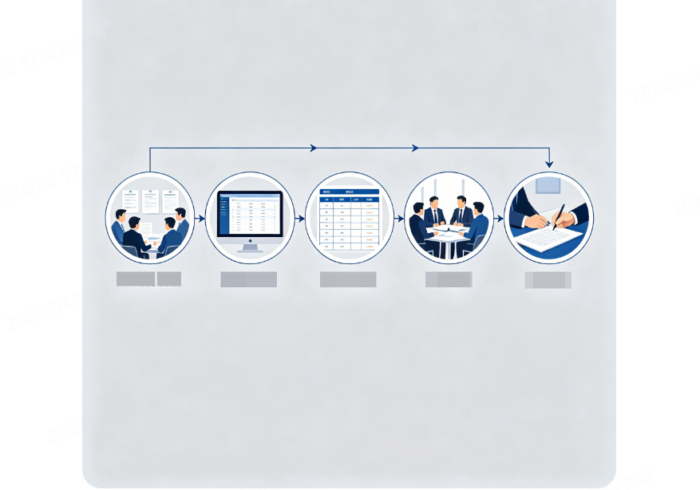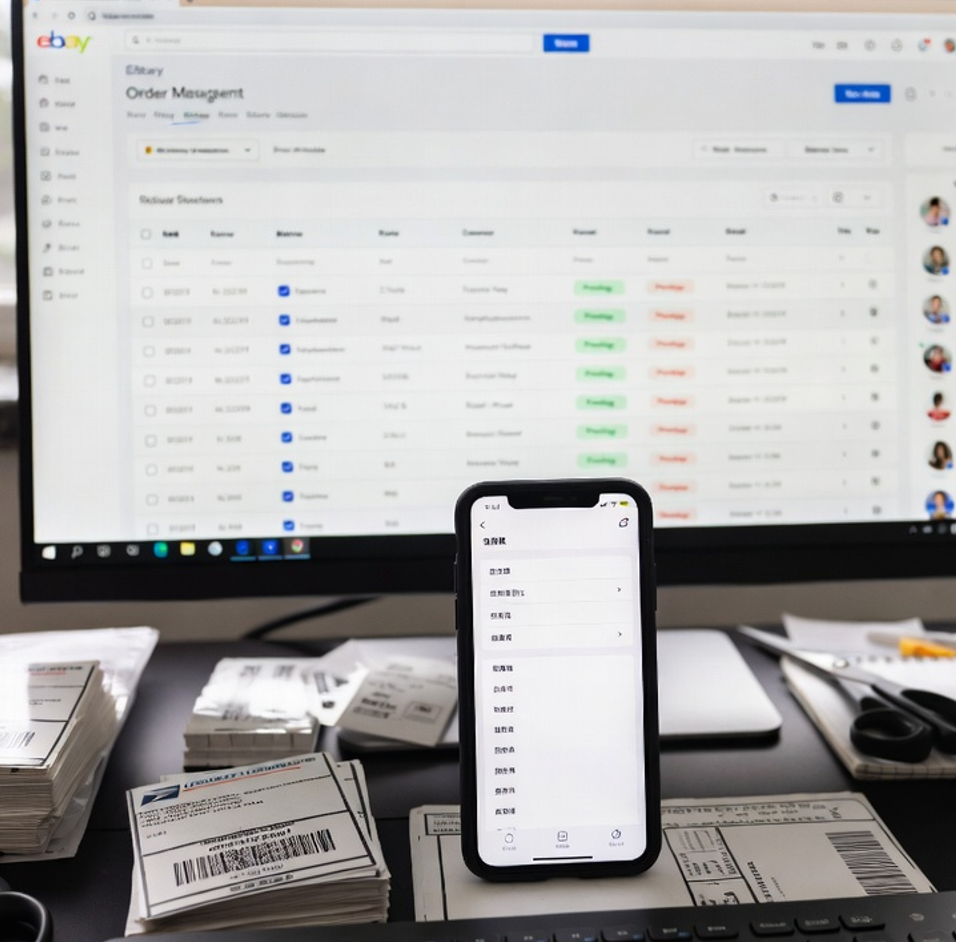
This guide explains how to dropship on eBay safely by following marketplace rules, using legitimate wholesale suppliers, keeping inventory accurate, and aligning shipping promises with real fulfillment capacity.

Selling on eBay without running into policy problems is absolutely possible, but it requires a disciplined sourcing and fulfillment system. The safest approach is to work only with legitimate wholesale or fulfillment partners, keep stock visibility accurate, and ensure every order can be delivered within the time promised to the buyer.
For global sellers, the appeal of eBay dropshipping is obvious. You can launch with lower upfront capital, avoid holding large amounts of inventory, and test products more quickly than in a traditional wholesale model. But the same flexibility that makes the model attractive also creates risk. If your supplier is unreliable, your delivery promises are unrealistic, or your listings do not match actual stock and shipping conditions, your account can quickly move from healthy to fragile.
The right way to think about eBay dropshipping is not as a shortcut, but as an operations model. A seller who treats it like a serious sourcing and fulfillment business is much more likely to stay safe, build buyer trust, and grow steadily over time.
Table of Contents
About eBay Dropshipping
eBay allows dropshipping only when you own the item before listing or have an agreement with a wholesale supplier to list and sell their items; buying from another retailer after the sale is not allowed. That means the real challenge is not “can you dropship on eBay,” but “can you do it in a way that keeps your account stable, buyers satisfied, and operations under control.”
For sellers working across borders, this becomes even more important. International sourcing often involves longer transit times, customs complexity, and a wider gap between listing expectations and actual delivery performance. If those gaps are not managed carefully, the platform and the buyer both begin to lose confidence.
That is why the best eBay dropshippers focus on three things from day one: supplier reliability, listing accuracy, and communication speed. When these three pillars are in place, the model becomes much easier to manage. When they are weak, even a small spike in order volume can lead to refunds, defects, and enforcement actions.
Why eBay Sellers Get Flagged
Many account problems start when sellers create avoidable buyer issues. eBay notes that policy violations can lead to listing removal, reduced visibility, seller restrictions, or suspension. In practice, the most common risks are out-of-stock sales, unrealistic delivery promises, incorrect fulfillment locations, and poor handling of buyer complaints.
Another issue is that many sellers focus too much on product selection and not enough on operational discipline. A product may look profitable on paper, but if your supplier regularly misses ship dates or provides weak tracking updates, the hidden cost of refunds and support work can wipe out the margin. That is one reason experienced sellers often say that reliable fulfillment is more valuable than a cheap product.
A further risk comes from inconsistent seller behavior. When an account suddenly changes its shipping promises, starts canceling more orders, or receives a cluster of complaints about delivery, it becomes easier for marketplace systems to identify the account as risky. These signals may look small individually, but together they can shape how your store is evaluated.
In short, account safety is not just about avoiding obvious policy violations. It is also about avoiding patterns that suggest the business is unstable or unreliable.
Safe Dropshipping Rules
The core rule is that you must control the fulfillment process. eBay explicitly allows dropshipping from a wholesale supplier when you have a proper agreement, but not when you purchase an item from a retail marketplace after the sale and ship it directly to the buyer.
That rule matters because eBay wants sellers to act like merchants, not middlemen for other retail stores. If you can confidently manage product availability, packaging, dispatch, and tracking, your operation looks and behaves like a legitimate business. If you cannot, the risk rises quickly.
To stay safe, focus on these operating principles:
– Use wholesale or fulfillment partners, not retail arbitrage after the order is placed.
– Make sure your seller identity is clear on packing slips and invoices.
– Keep delivery promises realistic and aligned with actual supplier performance.
– Maintain active communication with suppliers so listings reflect real availability.
– Protect buyer experience first; account health follows consistent execution.
One useful mindset is to build every decision around the customer journey. Ask yourself whether the buyer would still be satisfied if the order were delayed, partially out of stock, or rerouted. If the answer is no, the listing may be too risky to scale.
Supplier Selection
Supplier choice is the biggest operational decision in eBay dropshipping. A reliable supplier should have consistent stock, accurate shipping estimates, and a strong ability to fulfill orders without surprises. If the supplier cannot maintain availability, the seller becomes the one absorbing refunds, negative feedback, and account defects.
Not all suppliers are equally suitable for eBay. Some may offer low prices but weak processing times. Others may have a wide catalog but poor communication. A supplier that looks good during research but fails during peak order periods can cause far more damage than a slightly more expensive partner with dependable service.
The best suppliers typically have the following qualities:
– Stable inventory systems.
– Clear processing times.
– Accurate tracking numbers.
– Responsive support teams.
– A history of consistent cross-border delivery.
It is also smart to test suppliers before scaling. Start with a small number of orders, compare the promised and actual delivery performance, and examine how the supplier handles problems. If the supplier is slow to respond or fails to update stock accurately, treat that as a warning sign rather than a temporary inconvenience.
For global sellers, supplier geography matters too. A supplier with faster shipping lanes to your target market can reduce delivery friction significantly. In many cases, a slightly higher unit cost is worth paying if it helps you avoid refunds and preserve your account standing.
Listing Management
Bad listing management is one of the fastest ways to create trouble. If an item is out of stock but still live, buyers can still purchase it, which often leads to cancellations and defect pressure. To prevent that, your listings must mirror actual supplier inventory as closely as possible.
You should also avoid misleading dispatch locations and keep the shipping origin consistent with the actual fulfillment process. Even small mismatches can create buyer confusion and raise the likelihood of complaints, returns, or performance issues. If the buyer expects one shipping route and receives another, confidence drops immediately.
Strong listing management includes more than just stock updates. It also means maintaining accurate titles, photos, item specifics, and handling times. When those fields are inconsistent, buyers may assume the listing was careless or misleading. That can damage conversion rate and create support issues even when the product itself is fine.
A practical process is to review your top-selling listings weekly and your lower-volume listings at least monthly. Check whether the supplier still carries the item, whether the pricing remains competitive, and whether any shipping delays have emerged. This simple habit can prevent many avoidable order problems.
Shipping Expectations
Delivery speed is not just a customer-service issue; it is a marketplace-risk issue. eBay expects sellers to deliver within the timeframe stated in the listing and to remain responsible for buyer satisfaction. That makes handling time and shipping time two different variables that must both be managed carefully.
A practical rule is to promise less and deliver faster. Overly optimistic handling times may look attractive in search, but they often create refunds, item-not-received claims, and lower seller trust if the supplier cannot match them. Buyers are usually more forgiving when a package arrives early than when it arrives late.
This is especially important in cross-border dropshipping. International shipping can introduce customs delays, routing changes, and tracking gaps that are outside your direct control. Because of that, your shipping estimate should already include a realistic buffer.
To make shipping expectations safer:
– Build conservative handling times into the listing.
– Use suppliers with dependable dispatch speed.
– Track delivery performance by destination market.
– Avoid products with high urgency unless your logistics are very strong.
– Communicate clearly if delays occur.
The goal is not just to move orders out of the warehouse. The goal is to create a delivery experience that feels dependable enough for the buyer to trust you again.
Operational Controls
If you want to run eBay dropshipping safely at scale, you need systemized controls. Guidance from experienced sellers emphasizes inventory checking, order monitoring, and avoiding defects that trigger account scrutiny. That means a seller should not depend on manual guesswork when managing multiple listings.
A serious operation usually has a routine that catches problems early. For example, if a listing begins to sell faster than expected, the seller should immediately verify inventory, update availability, and confirm whether the supplier can maintain processing speed. Small delays in response often create much larger losses later.
Good operational controls also include refund discipline. Not every order issue needs to become an argument. In some cases, it is cheaper to resolve the issue quickly than to risk a negative review or performance defect. However, that does not mean being passive. It means making fast, informed decisions based on the size of the issue and the long-term value of the account.
A strong workflow usually includes:
1. Regular stock checks.
2. Automatic or scheduled listing updates.
3. Clear cancellation rules when inventory changes.
4. Accurate ship-from information.
5. Fast response handling for buyer messages and disputes.
These controls reduce item-not-received cases, prevent avoidable order cancellations, and keep the account from standing out for the wrong reasons. They also create a more professional operating rhythm that is easier to scale.
Returns and Buyer Service
Returns are part of eBay, not an exception. If your business model does not account for returns and service recovery, it is incomplete. Many sellers focus on acquisition and fulfillment but forget that the buyer experience continues after the package arrives.
A good return policy should be simple, visible, and practical. If buyers are uncertain about how to return an item or how long the process will take, their trust declines. The easier you make the post-purchase experience, the easier it becomes to protect your feedback profile.
Buyer service should also be fast and calm. When a buyer asks where an order is, the best response is usually direct and factual. Do not overpromise. Do not speculate. Check the tracking, explain the current status, and give a realistic next step.
If a package is delayed, the worst thing you can do is disappear. Proactive communication often prevents a complaint from turning into a formal case. That is one of the most underrated parts of safe dropshipping. Many accounts are damaged not by the original delay, but by the silence that follows.
A Better Sourcing Model
For sellers who want to scale beyond fragile retail-style dropshipping, a B2B sourcing partner is often the stronger model. Instead of depending on random retail sites, a sourcing platform can support wholesale access, stable fulfillment, and better order visibility. That creates a more professional operating structure and lowers the chance of policy conflicts.
This is where a platform like Looperbuy becomes strategically useful. Global sellers can reduce stock risk while still keeping fulfillment aligned with marketplace rules. In practice, that means fewer cancellations, cleaner shipping execution, and a better buyer experience across the entire order cycle.
A more advanced sourcing model also gives sellers more control over product assortment. You are not limited to whatever happens to be available on a consumer site at the moment of sale. Instead, you can build a more stable catalog around verified supply relationships and repeatable fulfillment.
That difference matters because business stability is often the real advantage, not just low product cost. A cheaper product that creates high support load is usually worse than a slightly more expensive one that ships correctly every time.
Practical Workflow
Here is a simple workflow for safer eBay dropshipping:
– Choose a supplier with wholesale authorization or fulfillment capability.
– Verify shipping times before listing products.
– Set handling times that match actual dispatch capacity.
– Keep stock levels updated so unavailable items are not sold.
– Use accurate ship-from data to avoid location mismatches.
– Monitor customer messages and order status daily.
You can also add a weekly review process. Look at which listings generate the most cancellations, which destinations cause the most delays, and which suppliers perform best under pressure. Over time, these reviews help you remove weak products and protect the account from slow erosion.
If you are managing multiple categories, consider separating products by risk level. Low-risk products with stable supply can be scaled more aggressively, while slower or more volatile items should be monitored carefully. This prevents one problematic product line from dragging down the entire store.
The best sellers are rarely the ones who move fastest at the beginning. They are the ones who build a repeatable operating model and then scale only when the system proves itself.
A Sustainable Development Path
The safest way to dropship on eBay is to operate like a real merchant, not a shortcut reseller. If you work with legitimate wholesale suppliers, keep stock accurate, match delivery promises to reality, and protect buyer experience, your account is far less likely to run into avoidable problems.
The model becomes even stronger when you treat it as a full operational system rather than a product-hunting exercise. Reliable sourcing, careful listing management, realistic shipping, and responsive support all work together. When they are aligned, dropshipping can become a durable channel instead of a fragile one.
For global sellers looking to reduce inventory pressure while keeping fulfillment professional, this is the most sustainable path forward.
FAQ-eBay Dropshipping
1. Is dropshipping allowed on eBay?
Yes, but only when you own the item before listing or have a wholesale supplier agreement; buying from another retailer after the sale is not allowed.
2. Can I use retail websites as suppliers?
No, eBay does not allow sellers to list an item they do not own and then purchase it from another retailer after it sells.
3. What causes most eBay dropshipping problems?
The biggest issues are out-of-stock sales, poor shipping accuracy, long delays, canceled orders, and buyer confusion.
4. How do I reduce item-not-received cases?
Keep stock updated, choose reliable suppliers, set realistic delivery times, and respond quickly when problems appear.
5. Why does supplier location matter?
Because shipping origin mismatches can create buyer confusion and make your listings look inconsistent with actual fulfillment behavior.
References
– eBay Export Center, “Drop shipping” – [export.ebay]
– Doba Blog, “How to Dropship on eBay Safely and Avoid Bans” – [doba]
– Neil Waterhouse YouTube, “eBay Dropshipping – How To Avoid Suspension” – [youtube]
– AutoDS Blog, “How To Dropship On eBay Without Getting Banned” – [autods]