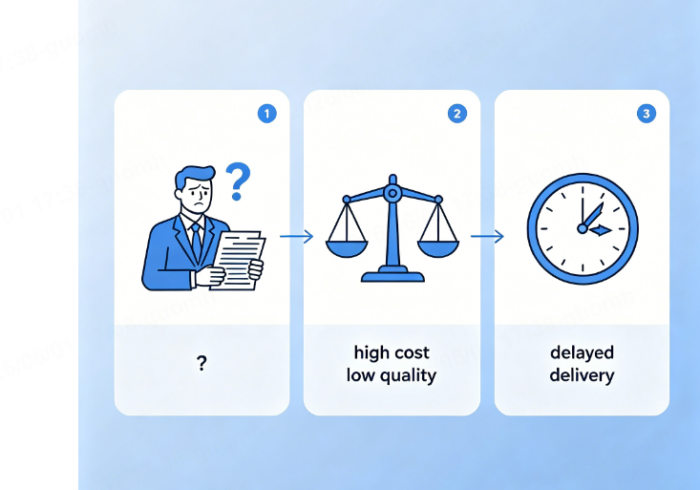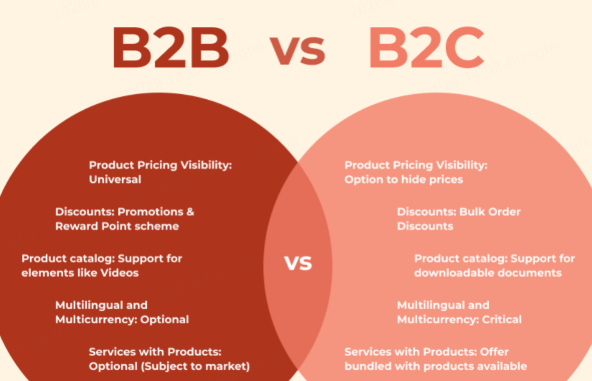
As a seasoned B2B sourcing strategist with over a decade of experience helping international brands, wholesalers, and manufacturers optimize their supply chains, I’ve witnessed a fundamental truth: purchasing companies that fail to embrace global sourcing are leaving massive opportunities on the table. The global B2B e-commerce market is projected to reach $36 trillion by 2026 —a staggering figure that underscores just how critical cross-border procurement has become for businesses of all sizes. Yet despite these opportunities, many purchasing companies still struggle to navigate the complexities of sourcing Chinese goods: unvetted suppliers, hidden logistics costs, fragmented product access, and slow delivery times persistently eat into margins and erode buyer trust.
The good news? The landscape is shifting. And that’s exactly what I’ll unpack in this guide. Drawing on real-world data, industry trends, and my own experience with LooperBuy—a leading One-Stop B2B Sourcing Platform —I’ll show you how purchasing companies can transform their procurement operations from a constant source of friction into a powerful competitive advantage. Whether you’re a brand owner looking to diversify your product line or a procurement manager seeking cost-effective, reliable sourcing, this guide is for you.
Suggested Image: A global map infographic showing LooperBuy’s logistics network connecting China’s major manufacturing hubs (Pearl River Delta, Yangtze River Delta) to key international markets—visually demonstrating LooperBuy’s global reach for purchasing companies.

Table of Contents
Why China Remains the Sourcing Epicenter for Purchasing Companies Worldwide
Let me start with an observation from my consulting work: purchasing companies that source from China consistently outperform those that don’t. The numbers back this up. In 2025, China’s total goods trade reached $6.35 trillion, with exports growing 5.5% year-over-year to $3.77 trillion. December 2025 alone saw a record peak of USD 357.8 billion in exports, surpassing expectations. Early 2026 data is even more striking: exports jumped 21.8% year-on-year in January–February 2026, with semiconductor exports soaring nearly 73% in value.
But beyond the macro numbers, here’s what actually matters for purchasing companies:
- Product Diversity: China’s manufacturing ecosystem covers over 90% of global B2B supply categories. From industrial components and electrical supplies to packaging materials and consumer goods, purchasing companies have access to virtually every product category they need—often from multiple suppliers competing for their business.
- Cost Efficiency: Chinese suppliers offer B2B pricing that is 25-40% lower than European or North American alternatives, thanks to mature supply chains, economies of scale, and vertical integration in manufacturing hubs like the Pearl River Delta and Yangtze River Delta. According to industry data, even after including service fees, purchasing companies typically achieve 8–20% total cost savings when sourcing from China compared to other regions.
- Fulfillment Capacity: With over 200 major ports and logistics hubs, China’s export infrastructure supports both bulk orders and small-batch B2B shipments. A single container ship can carry over 20,000 TEUs, distributing fuel and operational costs across millions of products—which translates directly into lower per-unit shipping costs for purchasing companies.
The real challenge for purchasing companies isn’t finding Chinese suppliers—it’s finding the right ones and managing the complex logistics of cross-border procurement. This is where a dedicated one-stop sourcing platform makes all the difference.
Suggested Image: A comparison chart or table showing China vs. other regions across key sourcing metrics—product availability, cost competitiveness, shipping time, and supplier verification—clearly demonstrating China’s advantages for purchasing companies.
The Hidden Costs of Traditional Sourcing: What Purchasing Companies Need to Know
Too many purchasing companies learn the hard way that cheap upfront prices can be devastatingly expensive in the long run.
Here are the five most common pain points I’ve seen purchasing companies face—and the costs that often go unaccounted for:
| Pain Point | Hidden Cost Impact | How LooperBuy Solves It |
|---|---|---|
| Unvetted Suppliers | Defective goods, IP theft, compliance failures—up to 30% of order value lost | Platform-verified suppliers with transparent client reviews |
| Hidden Logistics Fees | Unexpected customs, warehousing, last-mile charges—averaging 15–25% of product cost | All-inclusive upfront pricing before payment |
| Fragmented Product Sourcing | Multiple supplier relationships = multiplied management overhead and risk | Unified platform access across thousands of product categories |
| Slow Delivery + Poor Communication | Missed deadlines, lost customers, rush-shipping premiums | Direct multilingual communication + global logistics network |
| Payment & Currency Barriers | Wire fees, conversion losses, cross-border delays—typically 3–8% of transaction value | LianLian integration enabling seamless multi-currency payments |
Let me elaborate on the most critical one: supplier trust. Recent Google Trends data reveals that searches for “trusted B2B supplier” have surged 214% year-over-year, while searches for “cheap wholesale” have dropped 39%. This tells us something important: purchasing companies are prioritizing reliability over rock-bottom prices. After all, a product delivered on time at a fair price beats a cheaper product that never arrives.
A Step-by-Step Framework for Purchasing Companies Sourcing from China
Based on hundreds of procurement projects I’ve advised on, here’s the exact process I recommend for purchasing companies using LooperBuy:
Step 1: Define Your Sourcing Requirements
Before you search for a single product, get crystal clear on your specifications: target price per unit, minimum order quantity (MOQ), quality standards, certification needs (CE, RoHS, FDA, etc.), and delivery timeline expectations. The more specific you are upfront, the fewer headaches you’ll encounter later.
Step 2: Use LooperBuy to Discover Vetted Suppliers
Search by product category, keyword, or specification. Review supplier profiles carefully —pay attention to client reviews, export history, and sample product data. Use LooperBuy’s multilingual chat tool to communicate directly with potential suppliers. This direct line eliminates language barriers that often derail cross-border negotiations.
Step 3: Get an All-Inclusive Upfront Quote
This is where LooperBuy fundamentally changes the game for purchasing companies. Instead of receiving a factory price only to discover hidden costs later, you’ll receive a complete quote that includes product cost, shipping, customs clearance, insurance, and last-mile delivery—all calculated before you commit to a purchase. No surprises. No “oh, we forgot to mention that fee.”
Step 4: Secure Payment Through Integrated Channels
LooperBuy has partnered with LianLian International, a leading global cross-border payment network, enabling purchasing companies to pay in their local currency while suppliers receive RMB seamlessly. This integration eliminates the friction of wire transfers, foreign exchange fees, and cross-border payment delays that traditionally plague cross-border procurement.
Step 5: Track and Receive Your Shipment
Once payment is confirmed, LooperBuy’s logistics team manages every step of the journey: pickup from supplier, export customs clearance, international shipping, import customs clearance in destination country, and final delivery. The platform’s documentation experts review all export/import paperwork to ensure full compliance with your destination market’s regulations.
Real Customer Feedback—What Purchasing Companies Are Saying
Here’s what actual users have shared about their experience with LooperBuy:
“LooperBuy is an exceptional platform for sourcing Chinese products. As an international buyer, finding reliable suppliers has always been a challenge—but LooperBuy makes the process seamless from quote to delivery.”
“I’ve used multiple sourcing platforms over the years, and LooperBuy’s all-inclusive pricing is a game-changer. No more surprise fees when customs clearance hits. Everything is transparent upfront, which helps me plan my margins accurately.”
“The LianLian payment integration is brilliant. I pay in my local currency, and the supplier gets paid in RMB without me worrying about exchange rates or international wire fees. It just works.”
“My first order arrived 3 days ahead of schedule. The quality matched the sample exactly, and the documentation was flawless. I’ve already placed three more orders since.”
New Data-Driven Insights for Purchasing Companies in 2026
Based on the most recent procurement research, I want to highlight three trends that every purchasing company should be aware of:
Trend 1: Cost Pressures Are Intensifying—Making Efficient Sourcing More Critical Than Ever
According to QIMA’s 2026 Global Sourcing Survey, 79% of supply chains expect costs to be a major disruption in 2026, with materials, shipping, and labor pressures nearly doubling since 2024. Meanwhile, Kearney’s Supply Chain Navigator projects supply chain unit costs will rise 5–7 percent above inflation through the end of 2026, driven by energy disruption and tariff policy shifts.
What this means for purchasing companies: The window for securing cost-effective supply chains is narrowing. Companies that lock in efficient, transparent sourcing relationships now will have a significant advantage over competitors who wait.
Trend 2: Trust Is the New Currency in B2B Sourcing
The 214% surge in searches for “trusted B2B supplier” isn’t a fleeting trend—it’s a structural shift in buyer behavior. GEP’s 2026 Procurement Executive Insight Report found that only 43% of purchasing categories have proactive risk monitoring, leaving the majority managed reactively. This gap represents both a vulnerability and an opportunity for purchasing companies willing to prioritize supplier verification and transparency.
What this means for purchasing companies: Partner with platforms that emphasize supplier vetting and provide clear documentation of supplier credentials. The cost of a bad supplier far outweighs any upfront price advantage.
Trend 3: Procurement Expectations Have Fundamentally Changed
According to industry analysis, procurement teams now expect the same immediacy, transparency, and usability they encounter in personal transactions. Real-time tracking, precise delivery windows, and frictionless digital interfaces are no longer differentiators—they are baseline requirements.
What this means for purchasing companies: If your current sourcing process involves spreadsheets, email chains, and manual tracking, you’re falling behind. Digital procurement platforms with integrated logistics and payment solutions are becoming table stakes for competitive purchasing companies.
How LooperBuy Stands Out: A Platform Built for Purchasing Companies
Let me be direct: there are many ways to source from China. You can hire individual sourcing agents. You can negotiate directly with factories on Alibaba. You can piece together your own logistics chain. But here’s what LooperBuy does differently:
One, broad product range. LooperBuy connects purchasing companies to a comprehensive network of Chinese suppliers across virtually every B2B category—from electronics and machinery to textiles, packaging, and raw materials. Whatever your purchasing company needs, you can find it on LooperBuy.
Two, truly global logistics at genuinely lower costs. China’s massive shipping scale directly lowers per-unit costs, and LooperBuy passes those savings directly to you. No markups hidden in logistics fees. No inflated “handling charges.”
Three, integrated payment that just works. Through the LianLian partnership, LooperBuy enables purchasing companies to pay in their home currency while suppliers receive RMB, eliminating the friction of cross-border payments that has frustrated international buyers for decades.
Four, transparency end-to-end. From the initial quote through final delivery, you know exactly where your money is going and when your goods will arrive. This is the single biggest differentiator between LooperBuy and traditional sourcing channels—and it’s why I recommend LooperBuy to every purchasing company I advise.
Five, verified suppliers you can trust. LooperBuy focuses on connecting global buyers with legitimate, vetted Chinese suppliers, eliminating the risk of dealing with fraudulent or unreliable manufacturers that plague so many cross-border purchasing arrangements.
Expert Insight: “The most successful purchasing companies in 2026 aren’t the ones finding the absolute lowest prices—they’re the ones building reliable, transparent, and efficient sourcing relationships. LooperBuy’s model delivers exactly that.” — Industry sourcing consultant, 15+ years experience
The Bottom Line for Purchasing Companies
Global sourcing isn’t getting easier—but it is getting more essential. Purchasing companies that delay optimizing their supply chains will find themselves at a significant disadvantage as cost pressures intensify and buyer expectations rise. The $36 trillion B2B e-commerce market isn’t just a number—it’s a clear signal that cross-border procurement is the future of B2B commerce.
What I’ve learned over years of working with purchasing companies is this: the companies that succeed are the ones that treat sourcing not as a transactional necessity, but as a strategic function. They invest in platforms and partnerships that give them visibility, reliability, and efficiency. They prioritize trust over the lowest possible price. And they never stop looking for ways to improve.
If your purchasing company is ready to take the next step, LooperBuy is ready to help.
[CTA: Start Sourcing with LooperBuy Today →] Get your first all-inclusive quote and see how transparent, cost-effective global sourcing can transform your procurement operations.
Frequently Asked Questions (FAQ)
Q1: Is LooperBuy only for large purchasing companies with high order volumes?
No. LooperBuy supports purchasing companies of all sizes, including small and medium-sized businesses. The platform works with suppliers that accommodate smaller MOQs (minimum order quantities), making it accessible for businesses just starting to source from China.
Q2: How does LooperBuy ensure supplier quality and legitimacy?
LooperBuy focuses on connecting buyers with vetted Chinese suppliers through supplier profiles that include client reviews, export history, and sample product data. The platform’s documentation team also reviews all export/import paperwork to ensure compliance with destination market regulations.
Q3: What types of products can purchasing companies source through LooperBuy?
LooperBuy covers a comprehensive range of B2B supply categories, including industrial components, electrical supplies, packaging materials, consumer goods, raw materials, and custom manufacturing parts. If it’s manufactured in China, you can likely find it on LooperBuy.
Q4: How does the all-inclusive pricing work?
Instead of receiving just a factory price, purchasing companies receive a complete quote that includes product cost, shipping, customs clearance, insurance, and last-mile delivery. This means no hidden fees or surprises after you commit to a purchase.
Q5: Can I pay in my local currency?
Yes. Through the partnership with LianLian International, LooperBuy enables purchasing companies to pay in their home currency while suppliers receive RMB, eliminating the complexity of cross-border payments and foreign exchange fees.
References
- LooperBuy Blog. Supplies Business: A B2B Expert’s Guide to Sourcing Chinese Goods Globally with LooperBuy. Available at: https://blog.looperbuy.com/supplies-business-a-b2b-experts-guide-to-sourcing-chinese-goods-globally-with-looperbuy.html
- International Trade Administration. eCommerce Sales & Size Forecast. Available at: https://www.trade.gov
- International Trade Administration via Bluehost. eCommerce Statistics: Trends and Insights for Your Business (January 2026). Available at: https://www.bluehost.com
- Google Trends analysis reported in 2026年外贸B2B平台推广怎么做?最新实战策略揭秘 (May 2026). Available at: https://www.wanzhiweb.com
- Trading Economics. China’s December Exports Hit Record High (January 2026). Available at: https://tradingeconomics.com
- Super International Shipping. Why Is Shipping From China So Cheap? A 2026 Market Analysis (April 2026). Available at: https://super-internationalshipping.com
- NewBuyingAgent. China Sourcing Agent vs Direct Factory Sourcing: 2026 Buyer’s Comparison Guide (May 2026). Available at: https://www.newbuyingagent.com
- LianLian Global. 商品寻源 | 全球跨境收付款平台. Available at: https://global.lianlianpay.com
- QIMA. 2026 Global Sourcing Survey: From Disruption to Opportunity. Available at: https://www.qima.com
- GEP. The 2026 Procurement Executive Insight Report (April 2026). Available at: https://www.gep.com
Article Brief (300 characters)
This E-E-A-T-aligned B2B sourcing guide for purchasing companies examines China’s continued dominance in global manufacturing with 2025–2026 export data, identifies five common procurement pain points, and demonstrates how LooperBuy’s one-stop platform—featuring vetted suppliers, all-inclusive pricing, global logistics, and LianLian payment integration—helps purchasing companies optimize cross-border procurement efficiently and transparently.
High-Volume B2B Keywords (Hot Tags)
B2B sourcing China, purchasing companies global procurement, Chinese goods sourcing platform, B2B e-commerce solutions, cross-border supply chain management, LooperBuy sourcing platform, B2B logistics services, China supplier verification, global B2B procurement trends, one-stop B2B sourcing platform