China remains the undisputed leader in global apparel wholesale, offering unmatched scalability, cost efficiency, and product diversity. From fast-fashion hubs like Guangzhou to sustainable textile centers in Zhejiang, the country’s wholesale ecosystem caters to retailers, e-commerce giants, and boutique brands worldwide. This guide explores the top clothing wholesalers, strategic sourcing practices, and emerging trends shaping the industry in 2025.
Table of Contents
Top Wholesale Markets and Supplier Clusters
Guangzhou: The Fast-Fashion Powerhouse
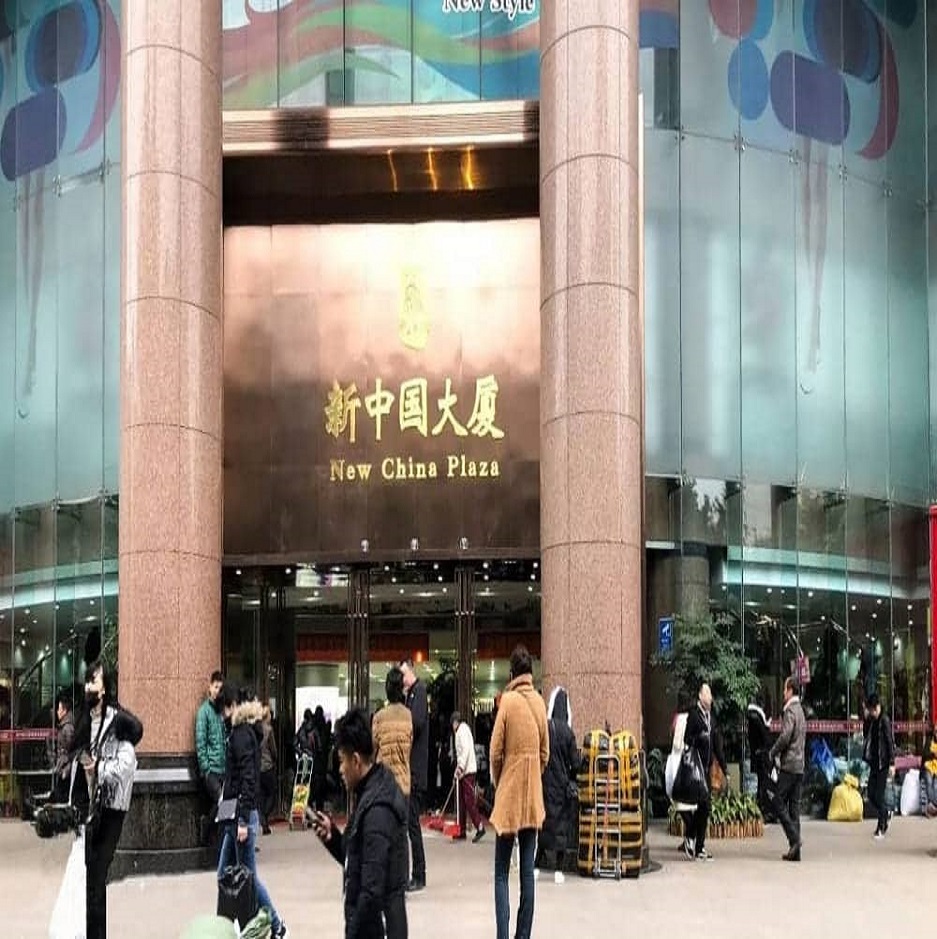
Guangzhou is the heart of China’s apparel trade, hosting iconic markets like Shahe , Baima , and Zhongshan Eighth Road .
- Shahe Clothing Market : Known for low-cost, high-volume orders, Shahe specializes in trendy women’s wear and accessories, with prices starting at $1.50 per unit. Its rapid turnover and proximity to manufacturing hubs make it ideal for Taobao sellers and international retailers.
- Baima Garment Market : A 10-story complex offering mid-to-high-end apparel, Baima serves brands seeking OEM partnerships. Suppliers here provide bulk orders of luxury-inspired designs at 50–70% lower prices than Western counterparts.
- Zhongshan Eighth Road : Focused on children’s wear, this market features suppliers offering organic cotton onesies at $2 per piece with MOQs as low as 50 units.
Hangzhou: Sustainable and Luxury Textiles
Hangzhou’s Sijiqing Clothing Market blends traditional craftsmanship with eco-friendly practices. Suppliers like Zhejiang Silk Road Group produce jacquard dresses and silk-blend scarves using waterless dyeing techniques, aligning with global demand for sustainable fashion.
Shenzhen: Tech-Driven Apparel Innovations
Shenzhen’s Huaqiangbei Market integrates technology into fashion, with suppliers offering smart textiles and LED-embedded activewear. Companies like Shenzhen Smart Textiles produce temperature-regulating fabrics for athleisure brands, with MOQs starting at 300 units.
Yiwu: Small Orders and Fast Fashion
Yiwu International Trade City caters to startups and SMEs with MOQs as low as 3–5 pieces per design. Its apparel section specializes in accessories and fast-fashion items, enabling businesses to test markets without heavy upfront investments.
Leading Online Platforms for Wholesale Sourcing
Alibaba.com: The B2B Giant
Alibaba connects buyers with over 100,000 verified apparel suppliers, offering tools like Trade Assurance and AI-driven supplier matching. For example, Guangzhou Lulu Apparel provides customizable packaging and private-label services, with prices starting at $25 per unit for basic garments.
DHgate: SME-Friendly Marketplace
DHgate caters to small businesses with no MOQs and competitive pricing. Its apparel section includes budget-friendly options like synthetic wigs (5/kg)andprintedT−shirts(2/unit), though quality variations require careful supplier vetting.
Made-in-China.com: Industrial-Grade Solutions
This platform focuses on technical textiles and medical-grade apparel. Xuchang Longguan Hair Products Co., Ltd., for instance, supplies FDA-approved wigs for chemotherapy patients at 38–46 per unit.
Global Sources: Curated Supplier Networks
Global Sources emphasizes transparency, featuring suppliers like Dongguan Garment Co., which produces PPE gear and corporate uniforms compliant with EU standards. Their synthetic hair products start at 2–3 per unit.
Strategies for Selecting Reliable Wholesalers
Supplier Verification and Quality Control
- Certifications : Prioritize suppliers with ISO 9001 (quality management) and BSCI (ethical labor) certifications. For example, Guangzhou Yisheng Fashion publishes audit reports to validate compliance.
- Sample Testing : Always request physical samples to assess fabric quality and stitching. Zhejiang Guoxiu Textile offers free swatches, while Shenzhen Smart Textiles develops prototypes for tech-apparel.
- Third-Party Inspections : Agencies like SGS conduct pre-shipment checks for colorfastness and defect tolerance (e.g., ≤3% defects accepted).
Negotiation and Logistics Optimization
- MOQ Flexibility : Markets like Yiwu allow orders as low as 3 units, while Hangzhou’s silk suppliers may require 500+ units. Negotiate tiered pricing—lower per-unit costs for higher volumes.
- Incoterms : FOB (Free on Board) terms are ideal for buyers managing logistics, while EX-works terms shift full responsibility to the buyer.
- Consolidated Shipping : Freight forwarders like Cainiao reduce costs by 20–30% by combining orders into single containers.
Leveraging Technology
- AI and Blockchain : Alibaba’s Qwen AI analyzes buyer preferences to recommend suppliers, while platforms like TextileGenesis track fabric origins via blockchain for ethical sourcing.
- Virtual Showrooms : Suppliers use 3D sampling to reduce prototyping costs and lead times.
Challenges and Mitigation Tactics
Quality Inconsistencies
Despite certifications, batch variations occur. Mitigate risks by:
- Including defect tolerance clauses in contracts.
- Conducting mid-production inspections for large orders.
Logistical Complexities
- Tariff Management : U.S. Section 301 tariffs add 15–25% costs on cotton apparel. Source synthetic fabrics or partner with suppliers in tariff-free zones like Hainan.
- Customs Delays : Work with brokers experienced in HS code classification (e.g., cotton dresses: HS 6204.42).
Cultural and Communication Barriers
- Relationship Building : Attend trade fairs like the Canton Fair to strengthen trust.
- Clear Communication : Use platforms like WeChat for real-time updates and avoid ambiguous terms like “ASAP.”
Future Trends Reshaping China’s Wholesale Apparel Sector
AI-Driven Manufacturing
Smart factories in Dongguan use AI-powered pattern-cutting machines, reducing fabric waste by 15% and lead times to 10 days. Brands like Shein leverage big data to predict trends, enabling suppliers to pivot production within 72 hours.
Circular Fashion Initiatives
China’s 2025 Circular Economy Plan incentivizes textile recycling. Wenzhou Tiancheng converts PET bottles into polyester yarn, while Hangzhou Mosheng Textiles launched carbon-neutral activewear in 2024.
Expansion into Africa and Southeast Asia
Suppliers target Africa’s $31 billion apparel market, with companies like Hissen Global shipping 15 containers monthly to Kenya. Partnerships with Jumia and Lazada facilitate access to emerging markets.
Conclusion
Navigating China’s clothing wholesale ecosystem requires strategic supplier selection, rigorous quality control, and adaptability to geopolitical and technological shifts. By leveraging platforms like Alibaba, prioritizing sustainability, and fostering long-term partnerships, businesses can capitalize on China’s cost advantages while mitigating risks. As AI and circular fashion redefine the industry, agility and innovation will remain critical to maintaining a competitive edge.
If you want to do ordering directly without registering 1688(a China’s high-quality goods platform), you can use looperbuy, a one-stop purchasing-logistics solution:https://looperbuy.com/
FAQs
What are the most reliable online platforms for sourcing clothing wholesalers in China?
Alibaba, DHgate, and Made-in-China.com are top platforms offering verified suppliers. Alibaba’s Trade Assurance and Global Sources’ curated networks ensure transaction security and quality compliance.
How can buyers ensure ethical practices among Chinese clothing wholesalers?
Request BSCI or SEDEX certifications, conduct factory audits, and use blockchain tools like TextileGenesis to trace supply chains. Platforms like Alibaba’s Green Channel highlight eco-friendly suppliers.
What are common payment terms for bulk orders from China?
FOB (Free on Board) and EX-works are standard, with Escrow services securing transactions. Letters of Credit (LCs) are preferred for orders exceeding $10,000.
What logistical challenges arise when importing from China?
Customs delays, tariff fluctuations, and port-specific fees are common. Partner with freight forwarders like Cainiao and use consolidated shipping to reduce costs.
How is sustainability influencing China’s apparel wholesale industry?
Suppliers adopt recycled fabrics, waterless dyeing, and carbon-neutral logistics. Hangzhou Mosheng Textiles and Wenzhou Tiancheng are leaders in sustainable manufacturing.
Hot Tags:China Apparel Wholesale Hubs; Sustainable Fashion Trends; AI-Driven Manufacturing; Blockchain Supply Chain; Circular Economy Textiles; Ethical Supplier Certification; Fast-Fashion Wholesale; Eco-Friendly Apparel Sourcing; B2B Clothing Platforms