Table of Contents
Introduction
Plastic bags are an integral part of our daily lives, but their environmental impact cannot be ignored. Recycling plastic bags is a simple yet powerful action that can significantly reduce pollution and conserve natural resources. In this comprehensive guide, we will explore the benefits of recycling plastic bags, the methods involved, and how you can contribute to a cleaner planet.
The Environmental Impact of Plastic Bags
Plastic bags pose a significant threat to the environment. Made from non-renewable resources like petroleum, they take hundreds of years to decompose. When not properly disposed of, they often end up in landfills, oceans, and other natural habitats, causing harm to wildlife and ecosystems. According to the Environmental Protection Agency, only about 12% of plastic bags and other film are currently recycled in the United States. However, the demand for clean scrap film is quickly growing, and recycling efforts can help mitigate the environmental impact of plastic bags.
Benefits of Recycling Plastic Bags
Reduces Pollution and Waste
Recycling plastic bags helps reduce the amount of plastic waste that ends up in our oceans and on our beaches. This can have a positive impact on ecosystems, wildlife, and human health.
Conserves Resources
Recycling reduces the need for new raw materials on Earth. It can help protect natural resources while also preventing landfills from becoming more cluttered with trash.
Reduces Greenhouse Gas Emissions
Recycling plastic bags helps to conserve resources and reduce greenhouse gas emissions, making it an important part of any sustainable lifestyle. In a study, scientists discovered that recycling one ton of plastic bags can save 5,774 kilowatt-hours of electricity per year, reducing oil consumption.
Improves Air and Water Quality
Recycling reduces pollution risks by preventing material from entering landfills. It reduces air pollution by approximately 75% and water pollution by 209.5% when steel scrap is used in virgin iron ore. Recycling also reduces pollution risks by preventing material from entering landfills.
Saves Energy
Recycling plastic bags saves energy that would otherwise be used in the production of new plastic bags. This equates to 5,774 kilowatt-hours (Kwh) of energy, 16.3 barrels of oil, 98 million kilowatt-hours (Btu) of energy, and 30 cubic yards of landfill space.
Methods of Recycling Plastic Bags
Mechanical Recycling
Mechanical recycling involves shredding, washing, and melting plastic bags to create reusable plastic materials. The process starts with the collection and sorting of plastic bags at recycling facilities. Advanced machinery, such as conveyor belts and optical sensors, is used to separate plastic bags from other recyclables. The collected plastic bags undergo a thorough cleaning process to remove any contaminants, labels, or residues. They are then shredded into small pieces or pellets. These pellets are melted and formed into new plastic products.
Agglomeration
Agglomeration involves collecting and grinding plastic bags into small pieces. The ground plastic is then subjected to heat and pressure to form agglomerates, which are small, easily transportable pellets. These agglomerates are extruded into the desired shapes, creating new products.
Pyrolysis
In pyrolysis, plastic bags are heated in the absence of oxygen to prevent combustion. This leads to the breakdown of the plastic into gases and liquid products. The gases produced are condensed into a liquid, which can be used as fuel or as a feedstock for chemical processes.
Chemical Recycling
Chemical recycling breaks down plastic bags into their chemical building blocks through depolymerization processes. These building blocks are then reformed into new plastic materials, closing the recycling loop.
Biodegradation Additives
Some industrial processes involve using plastic bags with biodegradation additives, like d2w. These additives facilitate faster breakdown when exposed to environmental conditions.
How to Recycle Plastic Bags Properly
Identify Recyclable Plastic Film
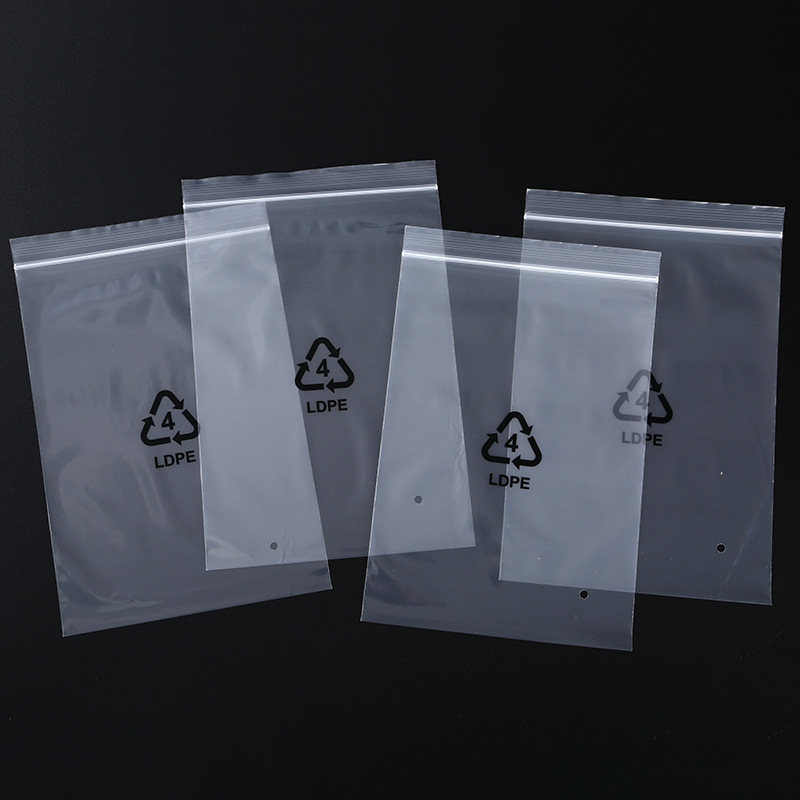
Look for the recycling symbol with numbers #2 (HDPE) or #4 (LDPE). These are the most commonly recyclable plastics. Check for clean, dry materials without food residue, labels, or tape.
Do NOT Place Them in Curbside Bins
Most municipal recycling programs do not accept plastic bags and film in curbside bins because they can clog machinery at recycling plants. Even if marked recyclable, they require specialized handling.
Find a Local Drop-Off Location
Many grocery stores, retail chains, and recycling centers offer drop-off bins for plastic bags and film. Use online directories like PlasticFilmRecycling.org to locate the nearest drop-off location.
Prepare the Plastic for Recycling
Before dropping them off:
- Remove receipts, labels, or food crumbs.
- Ensure bags are dry to prevent mold.
- Bundle bags together to prevent them from blowing away during transport.
Consider Reuse Before Recycling
Whenever possible, reuse plastic bags for:
- Trash liners
- Storage solutions
- Packing materials
What Can Recycled Plastic Bags Become?
After collection, plastic bags and film are processed and transformed into:
- Composite lumber for decks, benches, and playgrounds
- New plastic bags and packaging materials
- Durable products like pipes, containers, and outdoor furniture
The Challenges of Recycling Plastic Bags
Tangling and Equipment Issues
Plastic bags can easily become tangled in the machinery used for sorting and processing recyclables, causing damage and requiring frequent shutdowns for cleaning.
Contamination Concerns
Plastic bags are often contaminated with food residue, dirt, or other non-recyclable materials, which can interfere with the recycling process and reduce the quality of the recycled material.
Lack of Infrastructure
Many communities lack the necessary infrastructure to effectively collect and process plastic bags for recycling. This makes it difficult for residents to participate in recycling programs and limits the overall recycling rate of plastic bags.
Beyond Recycling: Reducing Plastic Bag Consumption
Use Reusable Bags
Reusable shopping bags are a great way to cut down on waste and help the environment. They can be used multiple times and are more durable than single-use plastic bags.
Refuse Plastic Bags When Possible
Whenever possible, refuse plastic bags and opt for reusable alternatives. This reduces the demand for plastic bags and helps minimize their environmental impact.
Support Bag Bans
Support legislation that bans or imposes taxes on single-use plastic bags. This can help reduce their usage and encourage the adoption of more sustainable alternatives.
Advocate for Extended Producer Responsibility
Advocate for policies that require manufacturers to take responsibility for the entire lifecycle of their products, including the recycling and disposal of packaging materials.
Embrace Eco-Friendly Alternatives
Explore eco-friendly alternatives to plastic bags, such as biodegradable or compostable bags. These bags break down more quickly in natural environments, reducing the long-term effects of plastic waste.

Conclusion
Recycling plastic bags is a crucial step in mitigating their negative environmental impact. By understanding the benefits of recycling, following proper recycling methods, and exploring ways to reduce plastic bag consumption, we can all contribute to a cleaner, greener planet. It is essential to continue supporting and promoting recycling efforts to ensure the sustainable use of plastic resources and protect our environment for future generations.
How to Purchase:https://looperbuy.com/search?keywords=recycling+plastic+bags
Frequently Asked Questions
Q: Can I recycle plastic bags in my curbside recycling bin?
A: No, plastic bags cannot be recycled in most curbside recycling bins. They can cause issues with the sorting machinery at recycling plants. Instead, take them to designated drop-off locations, typically found at grocery stores or retailers.
Q: What types of plastic bags can be recycled?
A: Most clean, dry plastic shopping bags, newspaper bags, wrap packaging, and other plastic bags and wrap can be recycled. Look for the recycling symbol with numbers #2 (HDPE) or #4 (LDPE). Check for clean, dry materials without food residue, labels, or tape.
Q: Where can I find drop-off locations for recycling plastic bags?
A: Many grocery stores, retail chains, and recycling centers offer drop-off bins for plastic bags and film. Use online directories like PlasticFilmRecycling.org to locate the nearest drop-off location.
Q: What happens to recycled plastic bags?
A: After collection, plastic bags and film are processed and transformed into various products, such as composite lumber for decks, benches, and playgrounds; new plastic bags and packaging materials; and durable products like pipes, containers, and outdoor furniture.
Q: Are there any eco-friendly alternatives to plastic bags?
A: Yes, there are several eco-friendly alternatives to plastic bags, including reusable shopping bags, biodegradable or compostable bags, and other sustainable packaging solutions. Supporting these alternatives can help reduce the demand for single-use plastic bags and minimize their environmental impact.
Hot Tags: Recycling Plastic Bags; Plastic Bag Recycling Benefits; Plastic Bag Recycling Methods; Environmental Impact of Plastic Bags; How to Recycle Plastic Bags; Plastic Bag Recycling Facilities; Plastic Bag Recycling Challenges; Reusable Bag Alternatives; Plastic Bag Waste Reduction; Plastic Bag Recycling Statistics