In the rapidly evolving landscape of e-commerce, businesses are constantly seeking innovative ways to streamline their operations and enhance customer satisfaction. One of the most effective strategies that has emerged is the use of fulfillment solutions, which play a crucial role in ensuring that products reach customers efficiently and effectively. This article delves into the various aspects of e-commerce fulfillment solutions, exploring their significance, types, and best practices for implementation.
Table of Contents
Understanding E-commerce Fulfillment
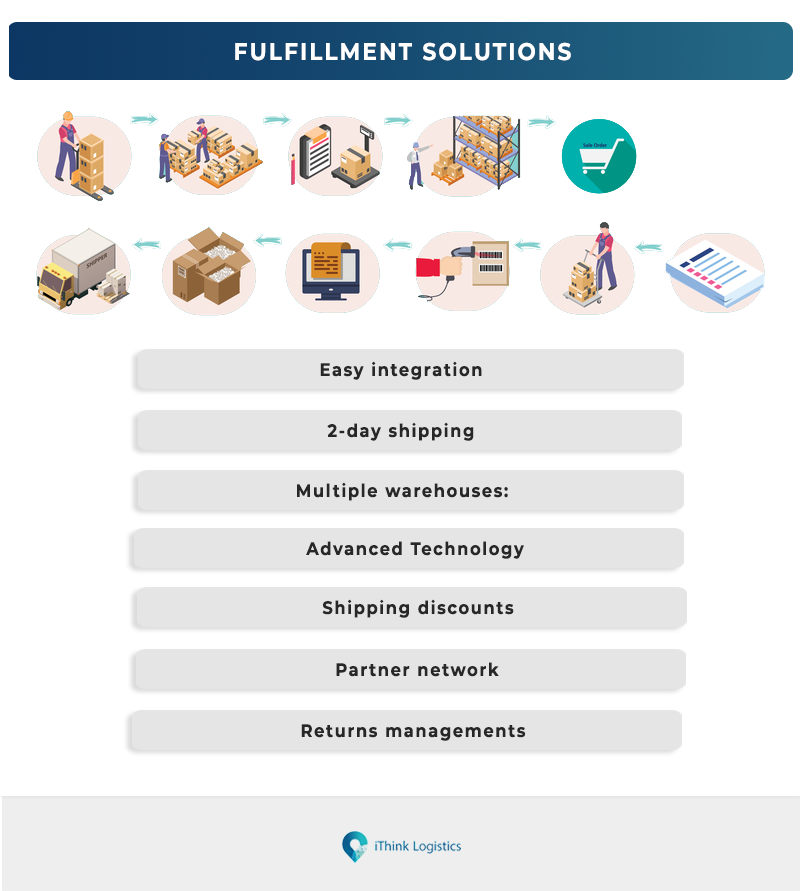
E-commerce fulfillment refers to the process of receiving, processing, and delivering orders to customers. It encompasses a range of activities, including inventory management, order processing, packaging, and shipping. The efficiency of fulfillment operations can significantly impact customer satisfaction and overall business success.
The Importance of Fulfillment in E-commerce
In today’s competitive market, customers expect fast and reliable delivery of their orders. A well-optimized fulfillment process can lead to:
- Increased Customer Satisfaction: Timely delivery and accurate order fulfillment enhance the overall shopping experience.
- Higher Conversion Rates: Efficient fulfillment can reduce cart abandonment rates, leading to increased sales.
- Cost Savings: Streamlined operations can lower shipping and handling costs, improving profit margins.
Types of Fulfillment Solutions
There are several types of fulfillment solutions available to e-commerce businesses, each catering to different needs and operational scales.
- In-House Fulfillment
In-house fulfillment involves managing all aspects of the fulfillment process within the business. This approach allows for greater control over inventory and order processing but can be resource-intensive.
Advantages of In-House Fulfillment
- Control Over Operations: Businesses can tailor their processes to meet specific needs.
- Direct Customer Interaction: Companies can build stronger relationships with customers through personalized service.
Disadvantages of In-House Fulfillment
- High Overhead Costs: Maintaining a warehouse and staff can be expensive.
- Scalability Challenges: As demand grows, it may be difficult to scale operations efficiently.
- Third-Party Fulfillment
Third-party fulfillment involves outsourcing the fulfillment process to a specialized provider. This option is popular among small to medium-sized businesses looking to reduce operational burdens.
Benefits of Third-Party Fulfillment
- Cost Efficiency: Businesses can save on warehousing and labor costs.
- Expertise and Technology: Fulfillment providers often have advanced technology and expertise in logistics.
Potential Drawbacks
- Less Control: Businesses may have limited oversight of the fulfillment process.
- Dependency on Providers: Relying on third parties can lead to challenges if service levels decline.
- Dropshipping
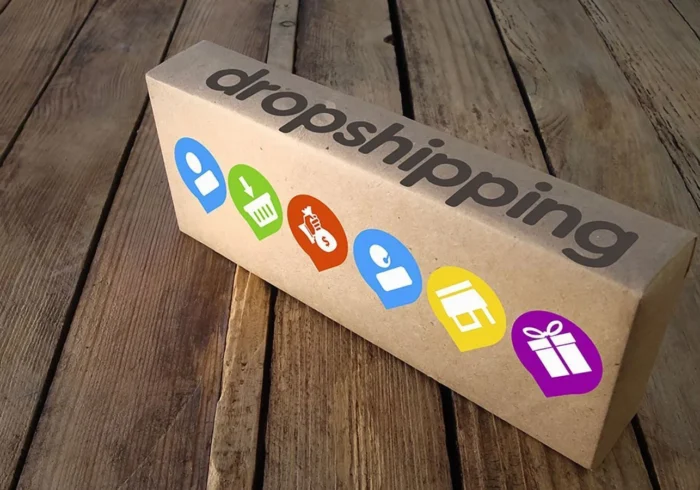
Dropshipping is a fulfillment method where the retailer does not keep products in stock. Instead, when a customer places an order, the retailer purchases the item from a third party and has it shipped directly to the customer.
Advantages of Dropshipping
- Low Startup Costs: Retailers do not need to invest in inventory upfront.
- Wide Product Range: Businesses can offer a diverse range of products without the risk of unsold inventory.
Disadvantages of Dropshipping
- Lower Profit Margins: Retailers may face higher costs per item due to reliance on suppliers.
- Quality Control Issues: Retailers have less control over product quality and shipping times.
Best Practices for E-commerce Fulfillment
To optimize fulfillment operations, businesses should consider implementing the following best practices:
- Invest in Technology
Utilizing advanced technology, such as inventory management systems and order processing software, can streamline operations and reduce errors. Automation tools can help manage inventory levels, track shipments, and provide real-time updates to customers. This not only enhances efficiency but also allows businesses to focus on strategic growth rather than day-to-day operations.
- Optimize Inventory Management
Effective inventory management ensures that businesses have the right products in stock at the right time, minimizing the risk of stockouts or overstocking. Implementing just-in-time inventory practices can help reduce holding costs and improve cash flow. Additionally, using data analytics to forecast demand can lead to more informed purchasing decisions.
- Focus on Customer Experience
Providing clear communication regarding order status and delivery times can enhance customer satisfaction and loyalty. Offering multiple shipping options, including express delivery, can cater to different customer preferences. Furthermore, implementing a hassle-free return policy can build trust and encourage repeat purchases.
- Analyze Performance Metrics
Regularly reviewing fulfillment performance metrics, such as order accuracy and shipping times, can help identify areas for improvement. Key performance indicators (KPIs) such as order fulfillment time, shipping cost per order, and customer satisfaction scores should be monitored closely. This data-driven approach allows businesses to make informed decisions and continuously refine their fulfillment processes.
- Build Strong Relationships with Suppliers
Establishing good relationships with suppliers can lead to better pricing, improved product quality, and more reliable shipping. Regular communication and collaboration can help address potential issues before they escalate. Additionally, diversifying the supplier base can mitigate risks associated with relying on a single source.
The Role of Fulfillment Centers
Fulfillment centers are specialized warehouses that handle the storage, packing, and shipping of products for e-commerce businesses. They play a vital role in the supply chain by providing the infrastructure and expertise needed to manage fulfillment operations efficiently.
Benefits of Using Fulfillment Centers
- Scalability: Fulfillment centers can easily scale operations to accommodate seasonal spikes in demand or business growth.
- Geographic Reach: Many fulfillment centers are strategically located to ensure faster shipping times to various regions.
- Cost Savings: By leveraging the resources and technology of fulfillment centers, businesses can reduce overhead costs associated with warehousing and logistics.
Choosing the Right Fulfillment Center
When selecting a fulfillment center, businesses should consider factors such as location, technology capabilities, pricing structure, and customer service. Conducting thorough research and requesting references can help ensure that the chosen fulfillment partner aligns with the business’s goals and values.
The Future of E-commerce Fulfillment
As e-commerce continues to grow, the landscape of fulfillment solutions is also evolving. Emerging technologies such as artificial intelligence, machine learning, and robotics are transforming the way fulfillment operations are managed. These advancements can lead to increased efficiency, reduced costs, and improved customer experiences.
Trends Shaping the Future
- Automation: The use of automated systems for inventory management and order processing is becoming increasingly common, allowing businesses to operate more efficiently.
- Sustainability: Consumers are becoming more environmentally conscious, prompting businesses to adopt sustainable practices in their fulfillment operations, such as eco-friendly packaging and carbon-neutral shipping options.
- Personalization: Tailoring the fulfillment experience to individual customer preferences can enhance satisfaction and loyalty. This may include personalized packaging or customized delivery options.
Conclusion
E-commerce fulfillment solutions are essential for businesses looking to thrive in the competitive online marketplace. By understanding the different types of fulfillment options and implementing best practices, companies can enhance their operational efficiency and improve customer satisfaction. As the e-commerce landscape continues to evolve, staying informed about the latest trends and technologies in fulfillment will be crucial for success.
To enhance your e-commerce fulfillment strategy and streamline your operations, consider exploring the innovative solutions offered by LooperBuy. Visit https://looperbuy.com/ for more information.
Related Questions & Answers
· What are the latest trends in e-commerce fulfillment technology? Emerging trends include automation, the use of artificial intelligence for inventory management, and sustainable practices in shipping and packaging.
· How can businesses choose the right fulfillment solution for their needs? Businesses should assess their operational scale, budget, and specific requirements, considering factors such as control, cost, and customer service.
· What are the common challenges in e-commerce fulfillment and how to overcome them? Common challenges include inventory management, shipping delays, and quality control. Businesses can overcome these by investing in technology, optimizing processes, and building strong supplier relationships.
Hot Tags: E-commerce Fulfillment; Third-Party Logistics; Dropshipping; Inventory Management; Order Processing; Customer Satisfaction; Supply Chain Management; E-commerce Trends; Fulfillment Solutions