In recent years, the custom apparel industry has seen a significant rise in popularity, particularly in the realm of online retail. This growth can be attributed to the increasing demand for personalized clothing options, which allow consumers to express their individuality and style. This article delves into the various aspects of custom apparel, focusing on the process of creating and selling custom shirts, the benefits of this business model, and tips for success in the competitive market.
Table of Contents
Understanding Custom Apparel
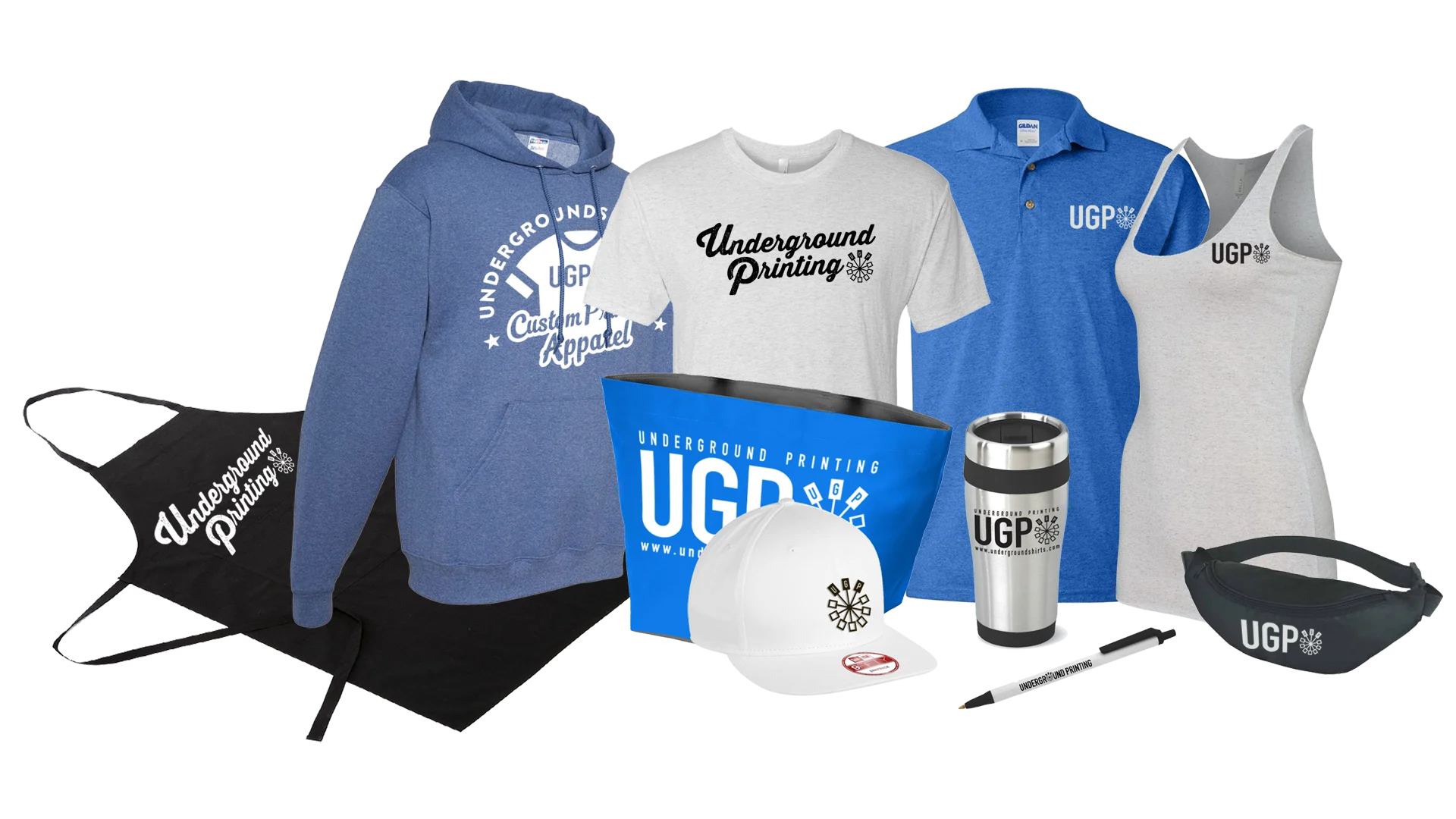
Custom apparel refers to clothing items that are designed and produced according to specific customer preferences. This can include anything from t-shirts and hoodies to hats and accessories. The customization process often involves selecting colors, designs, and sizes, allowing customers to create unique pieces that reflect their personal style.
The Rise of Customization
The trend towards customization has been fueled by several factors:
- Consumer Demand: Today’s consumers are increasingly seeking products that reflect their personal identity. Custom apparel allows them to stand out in a crowd.
- Advancements in Technology: Innovations in printing and manufacturing technologies have made it easier and more cost-effective to produce custom clothing.
- Social Media Influence: Platforms like Instagram and TikTok have popularized unique fashion statements, encouraging individuals to seek out personalized clothing options.
Types of Custom Apparel
There are various types of custom apparel available in the market, each catering to different consumer needs:
- Graphic Tees: These are t-shirts featuring unique designs, slogans, or artwork. They are popular among various demographics, from teenagers to adults.
- Athletic Wear: Custom sports jerseys and activewear are in high demand, especially among sports teams and fitness enthusiasts.
- Corporate Apparel: Businesses often use custom apparel for branding purposes, providing employees with uniforms that feature the company logo.
The Business Model of Custom Apparel
Starting a custom apparel business can be a lucrative venture, especially with the rise of e-commerce. Here’s a breakdown of the essential components of this business model.
Choosing a Niche
Identifying a specific niche within the custom apparel market is crucial for success. This could be based on target demographics, such as:
- Youth and Teens: Focus on trendy designs that appeal to younger audiences.
- Corporate Clients: Offer professional attire for businesses looking to enhance their brand image.
- Event-Based Customization: Cater to events like weddings, reunions, or sports tournaments.
Setting Up an Online Store
Creating an online presence is vital for reaching a broader audience. Here are some steps to consider:
- Select an E-commerce Platform: Choose a platform that suits your needs, such as Shopify, WooCommerce, or Etsy.
- Design a User-Friendly Website: Ensure that your website is easy to navigate, with clear categories and a straightforward checkout process.
- Implement SEO Strategies: Optimize your website for search engines to attract organic traffic.
Sourcing Materials and Production
Quality is key in the custom apparel industry. Consider the following when sourcing materials:
- Fabric Quality: Choose high-quality fabrics that are comfortable and durable.
- Printing Techniques: Research various printing methods, such as screen printing, direct-to-garment (DTG), and heat transfer, to find the best fit for your designs.
Marketing Your Custom Apparel Business
Effective marketing strategies are essential for attracting customers and driving sales. Here are some approaches to consider:
Social Media Marketing
Utilizing social media platforms can significantly boost your brand visibility. Consider the following tactics:
- Engaging Content: Share high-quality images and videos of your products, showcasing their unique features.
- Influencer Collaborations: Partner with influencers in your niche to reach a wider audience and build credibility.
Email Marketing
Building an email list allows you to communicate directly with your customers. Use email marketing to:
- Promote New Products: Keep your audience informed about new designs and collections.
- Offer Exclusive Discounts: Encourage repeat purchases by providing special offers to your subscribers.
Customer Engagement
Engaging with your customers can foster loyalty and encourage word-of-mouth marketing. Consider these strategies:
- Feedback and Reviews: Encourage customers to leave reviews and share their experiences with your products.
- Loyalty Programs: Implement a rewards program to incentivize repeat purchases.
Challenges in the Custom Apparel Industry
While the custom apparel business can be rewarding, it also comes with its challenges. Here are some common obstacles entrepreneurs may face:
Competition
The custom apparel market is highly competitive, with numerous players vying for consumer attention. To stand out, focus on:
- Unique Designs: Create original artwork and designs that differentiate your brand from competitors.
- Exceptional Customer Service: Provide a seamless shopping experience to build customer loyalty.
Managing Inventory
Inventory management can be complex, especially when dealing with custom orders. Consider these tips:
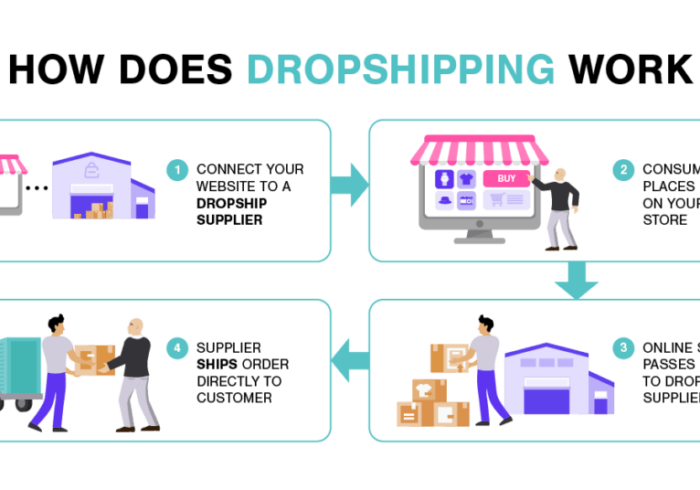
- Use Print-on-Demand Services: This model allows you to produce items only when orders are placed, reducing the need for large inventory.
- Track Sales Trends: Analyze sales data to identify popular products and adjust your inventory accordingly.
Quality Control
Maintaining high-quality standards is crucial for customer satisfaction. Implement quality control measures by:
- Conducting Regular Inspections: Check products for defects before shipping them to customers.
- Gathering Customer Feedback: Use customer reviews to identify areas for improvement.
Conclusion
The custom apparel industry offers exciting opportunities for entrepreneurs looking to tap into the growing demand for personalized clothing. By understanding the market, implementing effective marketing strategies, and overcoming challenges, you can build a successful custom apparel business. As consumer preferences continue to evolve, staying adaptable and innovative will be key to long-term success.
To enhance your custom apparel business and streamline your operations, consider exploring the innovative solutions offered by Looperbuy. For more information, visit https://looperbuy.com/.
Related Questions & Answers
· What are the benefits of starting a custom apparel business? Starting a custom apparel business allows for creative expression, the potential for high profit margins, and the ability to cater to niche markets.
· How can I effectively market my custom shirts? Utilizing social media, email marketing, and engaging with customers through feedback and loyalty programs are effective strategies for marketing custom shirts.
· What printing methods are best for custom apparel? Common printing methods include screen printing, direct-to-garment (DTG), and heat transfer, each with its own advantages depending on the design and fabric.
· How do I manage inventory for a custom apparel business? Using print-on-demand services can help manage inventory effectively by producing items only when orders are placed, reducing excess stock.
· What challenges do custom apparel businesses face? Challenges include competition, managing inventory, and maintaining quality control, all of which require strategic planning and execution.
Hot Tags: Custom Apparel; Personalized Clothing; E-commerce; Graphic Tees; Athletic Wear; Online Store; Social Media Marketing; Quality Control; Print-on-Demand