Table of Contents
Introduction to Drop Shipping
Drop shipping has emerged as a revolutionary business model, particularly in the e-commerce sector. This model allows entrepreneurs to sell products without holding any inventory. Instead, when a store sells a product, it purchases the item from a third party and has it shipped directly to the customer. This approach minimizes risk and reduces overhead costs, making it an attractive option for many aspiring business owners in India.

The Rise of E-commerce in India
Growth of Online Shopping
India has witnessed a significant surge in online shopping over the past decade. With the advent of smartphones and affordable internet access, more consumers are turning to online platforms for their shopping needs. According to recent statistics, the e-commerce market in India is expected to reach $200 billion by 2026. This growth presents a golden opportunity for drop shipping businesses to thrive.
Changing Consumer Behavior
The shift in consumer behavior towards online shopping has been influenced by several factors, including convenience, variety, and competitive pricing. Consumers are increasingly looking for unique products that are not readily available in local stores. Drop shipping allows entrepreneurs to cater to this demand by offering a wide range of products without the need for significant upfront investment.
How Drop Shipping Works
The Drop Shipping Process
The drop shipping process is relatively straightforward. Here’s how it works:
- Setting Up an Online Store: Entrepreneurs can create an online store using platforms like Shopify, WooCommerce, or Magento. These platforms provide user-friendly interfaces for setting up an e-commerce site.
- Choosing a Niche: Selecting a niche is crucial for success in drop shipping. Entrepreneurs should focus on a specific market segment that interests them and has a demand for products. Popular niches in India include fashion, electronics, home decor, and health and wellness.
- Finding Suppliers: Once the niche is identified, the next step is to find reliable suppliers. Platforms like AliExpress, Oberlo, and IndiaMart can help entrepreneurs connect with suppliers who offer drop shipping services. It’s essential to evaluate suppliers based on their product quality, shipping times, and customer service.
- Listing Products: After securing suppliers, entrepreneurs can list products on their online store. It’s essential to write compelling product descriptions and use high-quality images to attract customers. Additionally, pricing strategies should be competitive yet profitable.
- Processing Orders: When a customer places an order, the entrepreneur forwards the order details to the supplier, who then ships the product directly to the customer. This process requires effective communication and tracking to ensure customer satisfaction.
Advantages of Drop Shipping
- Low Startup Costs: One of the most significant advantages of drop shipping is the low startup costs. Entrepreneurs do not need to invest in inventory, which reduces financial risk. This model allows individuals to start a business with minimal capital.
- Flexibility: Drop shipping allows entrepreneurs to operate from anywhere with an internet connection. This flexibility is particularly appealing to those looking to start a side business while maintaining their current job.
- Wide Product Range: Entrepreneurs can offer a diverse range of products without the constraints of inventory. This variety can attract a broader customer base and cater to different consumer preferences.
- Scalability: As the business grows, entrepreneurs can easily scale their operations without the need for significant investments in inventory or warehousing. This scalability is a key advantage for those looking to expand their business.
Challenges of Drop Shipping in India
Competition
As the drop shipping model gains popularity, competition is intensifying. Entrepreneurs must find ways to differentiate their offerings, whether through unique products, exceptional customer service, or effective marketing strategies. Building a strong brand identity can help businesses stand out in a crowded market.
Supplier Reliability
Finding reliable suppliers is crucial for the success of a drop shipping business. Entrepreneurs must conduct thorough research to ensure that suppliers can deliver quality products on time. Poor supplier performance can lead to dissatisfied customers and damage the business’s reputation. Establishing strong relationships with suppliers can mitigate these risks.
Legal and Tax Considerations
Operating a drop shipping business in India involves navigating various legal and tax regulations. Entrepreneurs should familiarize themselves with the Goods and Services Tax (GST) and other compliance requirements to avoid legal issues. Consulting with a legal expert or accountant can provide valuable insights into the regulatory landscape.
Shipping and Fulfillment Issues
Shipping times and fulfillment processes can vary significantly among suppliers. Entrepreneurs must communicate clearly with suppliers about shipping expectations and ensure that customers are informed about delivery times. Delays in shipping can lead to negative reviews and impact customer satisfaction.
Marketing Strategies for Drop Shipping
Social Media Marketing
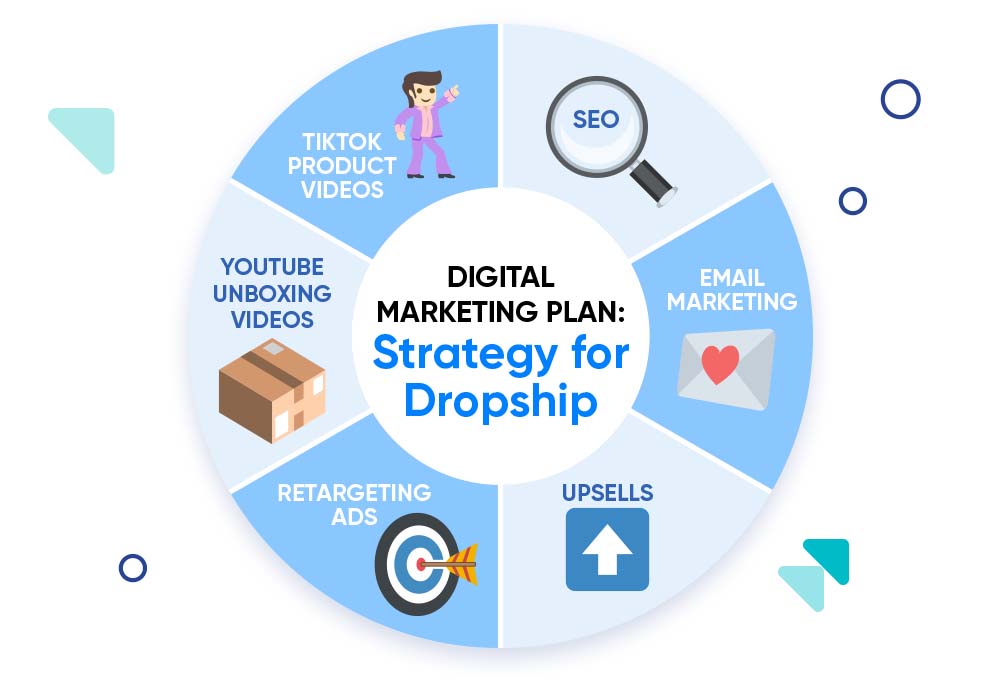
Social media platforms like Facebook, Instagram, and Pinterest are powerful tools for promoting drop shipping businesses. Entrepreneurs can create engaging content, run targeted ads, and connect with potential customers through these platforms. Utilizing influencer marketing on social media can also enhance brand visibility and credibility.
Search Engine Optimization (SEO)
Implementing effective SEO strategies can help increase the visibility of an online store. Entrepreneurs should focus on optimizing product descriptions, using relevant keywords, and building backlinks to improve search engine rankings. A well-optimized website can attract organic traffic and reduce reliance on paid advertising.
Email Marketing
Email marketing is a cost-effective way to engage with customers and drive sales. Entrepreneurs can build an email list by offering incentives such as discounts or free resources. Regular newsletters can keep customers informed about new products, promotions, and industry trends.
Content Marketing
Creating valuable content related to the niche can establish authority and attract potential customers. Entrepreneurs can start a blog, create how-to guides, or produce videos that showcase products. Content marketing not only drives traffic but also builds trust with the audience.
Paid Advertising
Investing in paid advertising can yield quick results for drop shipping businesses. Platforms like Google Ads and Facebook Ads allow entrepreneurs to target specific demographics and reach potential customers effectively. A/B testing different ad creatives can help optimize campaigns for better performance.
Conclusion
Drop shipping in India presents a unique opportunity for aspiring entrepreneurs to enter the e-commerce market with minimal risk. While challenges exist, the potential for growth and profitability is substantial. By understanding the drop shipping process, leveraging effective marketing strategies, and navigating the competitive landscape, entrepreneurs can build successful businesses that cater to the evolving needs of Indian consumers.
As you explore the exciting world of drop shipping in India, don’t miss the opportunity to discover unique products that can elevate your online store’s offerings—visit https://looperbuy.com/ today!
Related Questions & Answers
· What are the most profitable niches for drop shipping in India? Some of the most profitable niches for drop shipping in India include fashion and apparel, electronics, health and wellness products, home decor, and beauty products. These categories have a high demand and offer a variety of products to choose from.
· How can I find reliable drop shipping suppliers in India? To find reliable drop shipping suppliers in India, you can use platforms like IndiaMart, TradeIndia, and Alibaba. It’s essential to read reviews, check ratings, and communicate with suppliers to ensure they meet your quality and shipping standards.
· What are the legal and tax implications of drop shipping in India? Drop shipping businesses in India must comply with the Goods and Services Tax (GST) regulations. Entrepreneurs should register for GST, maintain proper records, and file returns as required. Consulting with a tax professional can help navigate these legal requirements.
· How can I improve customer satisfaction in my drop shipping business? Improving customer satisfaction can be achieved by providing excellent customer service, ensuring timely shipping, and maintaining clear communication with customers. Offering easy return policies and addressing customer inquiries promptly can also enhance satisfaction.
· What are the best platforms for setting up a drop shipping store in India? Some of the best platforms for setting up a drop shipping store in India include Shopify, WooCommerce, and Magento. These platforms offer user-friendly interfaces, customizable templates, and various integrations to streamline the drop shipping process.
Hot Tags: Drop Shipping; E-commerce India; Online Business; Supplier Management; Marketing Strategies; Startup Costs; Consumer Behavior; Inventory Management; Business Model