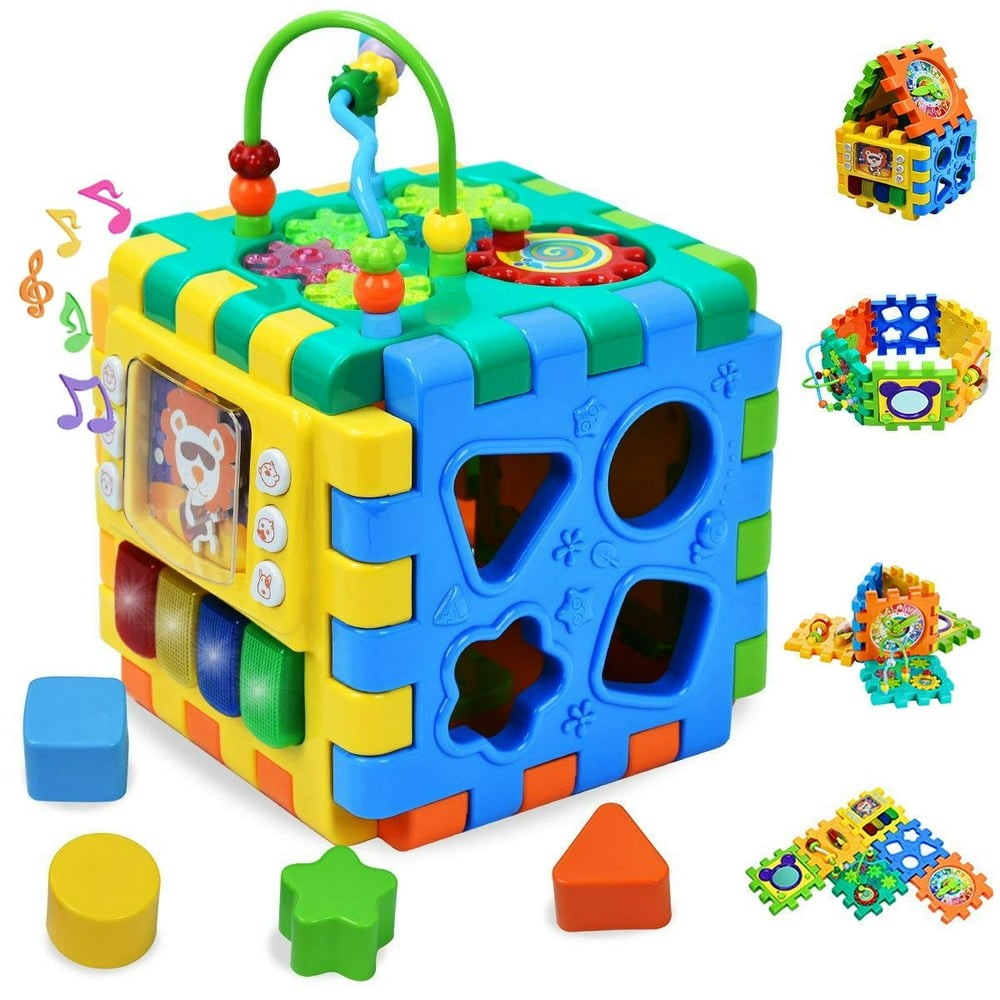
Educational children’s toys play a crucial role in the early development of children. They are designed not only to entertain but also to educate, helping children develop essential skills through play. This article explores the significance of educational toys, the types available, their benefits, and how they contribute to a child’s growth and learning. By understanding the multifaceted nature of these toys, parents and caregivers can make informed choices that enhance children’s developmental experiences.
Table of Contents
Understanding Educational Children’s Toys
Educational toys are specifically designed to promote learning and development in children. They encompass a wide range of products, from simple building blocks to complex electronic devices. The primary goal of these toys is to engage children in activities that stimulate their cognitive, physical, and social skills. Unlike traditional toys that may focus solely on entertainment, educational toys are crafted with specific learning outcomes in mind, ensuring that playtime is both fun and beneficial. This intentional design helps children grasp fundamental concepts while enjoying the process of discovery.
The Importance of Play in Learning
Play is a fundamental aspect of childhood. It is through play that children explore their environment, learn new concepts, and develop critical thinking skills. Educational toys facilitate this process by providing children with opportunities to experiment, create, and solve problems. They encourage imaginative play, which is vital for cognitive development. When children engage in play, they are not just having fun; they are also practicing skills such as decision-making, problem-solving, and social interaction. This playful exploration lays the groundwork for more complex learning as they grow older, making play an essential component of early education.
Types of Educational Children’s Toys
There are various types of educational toys available, each catering to different aspects of a child’s development. Here are some popular categories:
1. STEM Toys
STEM (Science, Technology, Engineering, and Mathematics) toys are designed to foster interest in these fields. They often include building sets, robotics kits, and science experiment kits. These toys encourage children to think critically and solve problems, laying the groundwork for future learning in these essential areas. By engaging with STEM toys, children can develop a strong foundation in scientific principles and engineering concepts, which are increasingly important in today’s technology-driven world. Moreover, these toys often promote teamwork and collaboration, as many STEM activities can be done in groups, enhancing social skills alongside academic learning.
2. Creative Arts and Crafts Toys
Toys that promote creativity, such as art supplies, craft kits, and musical instruments, help children express themselves. Engaging in creative activities enhances fine motor skills and encourages imaginative thinking. Through arts and crafts, children learn to manipulate materials, which improves their dexterity and hand-eye coordination. Additionally, creative play allows children to explore their emotions and ideas, fostering self-expression and confidence. The process of creating something from scratch can be incredibly rewarding, instilling a sense of accomplishment and pride in their work.
3. Language and Literacy Toys
These toys focus on developing language skills and literacy. They include books, puzzles, and games that promote vocabulary building, reading comprehension, and communication skills. Early exposure to language through play can significantly impact a child’s literacy development. Toys that encourage storytelling or phonetic games can help children understand the structure of language and improve their ability to express themselves verbally. Furthermore, engaging with books and reading materials from a young age fosters a love for reading, which is crucial for academic success later in life.
4. Social and Emotional Development Toys
Toys that encourage social interaction, such as board games and role-playing sets, help children develop social skills. They learn to share, cooperate, and understand emotions, which are crucial for building relationships. Through play, children can practice empathy by taking on different roles and perspectives, which enhances their emotional intelligence. These toys often provide scenarios that require negotiation and teamwork, teaching children how to navigate social situations and resolve conflicts in a constructive manner.
5. Physical Development Toys
Toys that promote physical activity, such as sports equipment and outdoor playsets, are essential for developing gross motor skills. Active play is vital for a child’s overall health and well-being. Engaging in physical activities helps children build strength, coordination, and balance. Moreover, outdoor play encourages exploration and interaction with nature, which can enhance cognitive development and foster a sense of curiosity about the world around them. Physical toys also promote a healthy lifestyle, instilling habits that can lead to lifelong fitness and well-being.
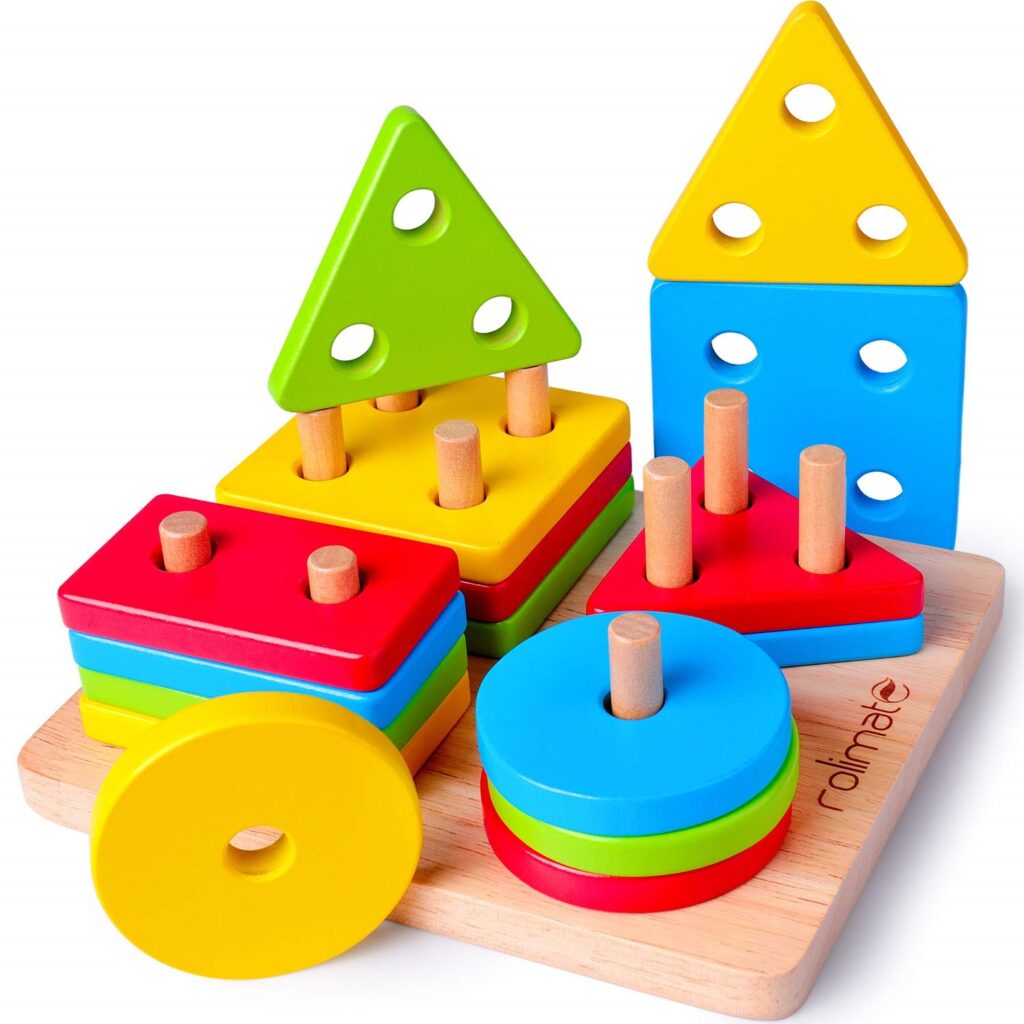
Benefits of Educational Children’s Toys
The benefits of educational toys extend beyond mere entertainment. They play a significant role in a child’s overall development.
Cognitive Development
Educational toys stimulate cognitive development by challenging children to think critically and solve problems. Toys that require building or assembling encourage logical thinking and spatial awareness. For instance, construction sets not only teach children about balance and stability but also introduce them to basic engineering concepts. As children manipulate these toys, they learn to plan, hypothesize, and test their ideas, which are essential skills in both academic and real-world contexts.
Motor Skills Development
Many educational toys are designed to enhance fine and gross motor skills. Toys that involve manipulation, such as stacking blocks or threading beads, help improve hand-eye coordination and dexterity. Fine motor skills are crucial for tasks such as writing, buttoning clothes, and using utensils, while gross motor skills are important for activities like running, jumping, and climbing. By engaging with toys that promote these skills, children can develop the physical abilities necessary for everyday tasks and active play.
Social Skills Development
Playing with others is an essential part of childhood. Educational toys that require teamwork or collaboration help children develop social skills, such as communication, empathy, and conflict resolution. Through group play, children learn to negotiate rules, share resources, and support one another, which are vital skills for building friendships and working in teams. These interactions also provide opportunities for children to practice emotional regulation, as they navigate the ups and downs of social play.
Emotional Development
Educational toys can also aid in emotional development. They provide children with a safe space to express their feelings and learn about emotions through role-playing and storytelling. Toys that encourage imaginative play allow children to explore different scenarios and outcomes, helping them understand their own emotions and those of others. This exploration is crucial for developing resilience and coping strategies, as children learn to manage their feelings in various situations.
Lifelong Learning
Introducing educational toys at an early age fosters a love for learning. Children who engage with educational toys are more likely to develop a curious mindset and a desire to explore new concepts throughout their lives. This intrinsic motivation to learn can lead to greater academic success and a lifelong passion for knowledge. By making learning enjoyable, educational toys help children associate positive feelings with the learning process, encouraging them to seek out new experiences and challenges.
Choosing the Right Educational Toys
When selecting educational toys for children, several factors should be considered to ensure they are age-appropriate and beneficial for development.
Age Appropriateness
Toys should be suitable for the child’s age and developmental stage. Manufacturers often provide age recommendations on packaging, which can guide parents in making informed choices. Choosing toys that match a child’s developmental level ensures that they are both challenging and achievable, promoting a sense of accomplishment without causing frustration. Additionally, age-appropriate toys are designed with safety features that cater to the specific needs of different age groups.
Safety
Safety is paramount when choosing toys for children. Look for toys made from non-toxic materials and free from small parts that could pose a choking hazard. Parents should also check for safety certifications and labels that indicate compliance with safety standards. Ensuring that toys are safe not only protects children from physical harm but also provides peace of mind for parents, allowing them to focus on the joy of play.
Educational Value
Consider the educational value of the toy. Does it promote critical thinking, creativity, or social skills? Toys that offer multiple ways to play and learn are often the most beneficial. For example, a toy that can be used for building, sorting, and imaginative play provides a range of learning opportunities, catering to different interests and developmental needs. Parents should look for toys that encourage exploration and creativity, as these qualities are essential for fostering a love of learning.
Engagement
Choose toys that will engage the child’s interest. Toys that are too simple may quickly lose a child’s attention, while overly complex toys may frustrate them. Finding a balance is key. Engaging toys often have interactive features or open-ended play possibilities that allow children to explore at their own pace. Parents can observe their child’s interests and preferences to select toys that will captivate their attention and encourage sustained play.
The Role of Parents in Educational Play
Parents play a vital role in facilitating educational play. Engaging with children during playtime can enhance the learning experience and strengthen the parent-child bond.
Encouraging Exploration
Parents should encourage children to explore their toys and experiment with different ways to play. This exploration fosters creativity and problem-solving skills. By allowing children the freedom to play independently while also providing guidance, parents can help children develop confidence in their abilities. Encouraging curiosity and experimentation can lead to unexpected discoveries and a deeper understanding of the world.
Participating in Play
Joining children in their play can provide valuable learning opportunities. Parents can ask open-ended questions, offer guidance, and help children navigate challenges, enhancing their learning experience. Active participation not only enriches the play but also allows parents to model positive behaviors, such as cooperation and communication. This shared experience can create lasting memories and strengthen the emotional connection between parent and child.
Setting Up a Learning Environment
Creating a dedicated play area with a variety of educational toys can stimulate learning. A well-organized space encourages children to engage with their toys and explore new activities. Parents can rotate toys regularly to maintain interest and introduce new challenges. Additionally, incorporating elements of nature, such as plants or natural materials, can enhance the learning environment and inspire curiosity about the world.
Conclusion
Educational children’s toys are essential tools for fostering development in young children. They provide opportunities for learning through play, helping children develop cognitive, physical, social, and emotional skills. By choosing the right toys and actively participating in play, parents can significantly enhance their child’s learning experience. Investing in educational toys is not just about entertainment; it is about laying the foundation for a lifetime of learning and growth. As children engage with these toys, they embark on a journey of discovery that shapes their understanding of the world and their place within it.
How to purchase:https://looperbuy.com/search?keywords=Educational+Children%27s+Toys
Frequently Asked Questions
1. What are educational children’s toys?
Educational children’s toys are designed to promote learning and development through play. They help children develop various skills, including cognitive, physical, and social abilities.
2. How do educational toys benefit children?
Educational toys benefit children by stimulating cognitive development, enhancing motor skills, promoting social interaction, and supporting emotional growth.
3. What types of educational toys are available?
There are various types of educational toys, including STEM toys, creative arts and crafts toys, language and literacy toys, social and emotional development toys, and physical development toys.
4. How can parents choose the right educational toys?
Parents should consider factors such as age appropriateness, safety, educational value, and engagement when selecting educational toys for their children.
5. What role do parents play in educational play?
Parents can enhance educational play by encouraging exploration, participating in playtime, and setting up a conducive learning environment.