Table of Contents
The Basics of E-commerce Drop Shipping
What is Drop Shipping?
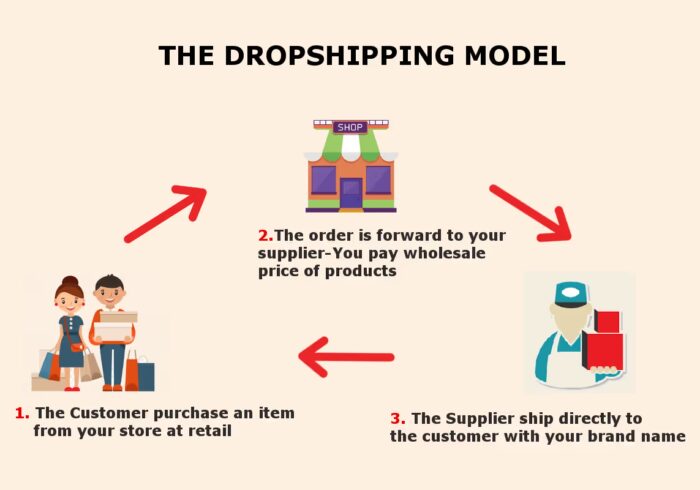
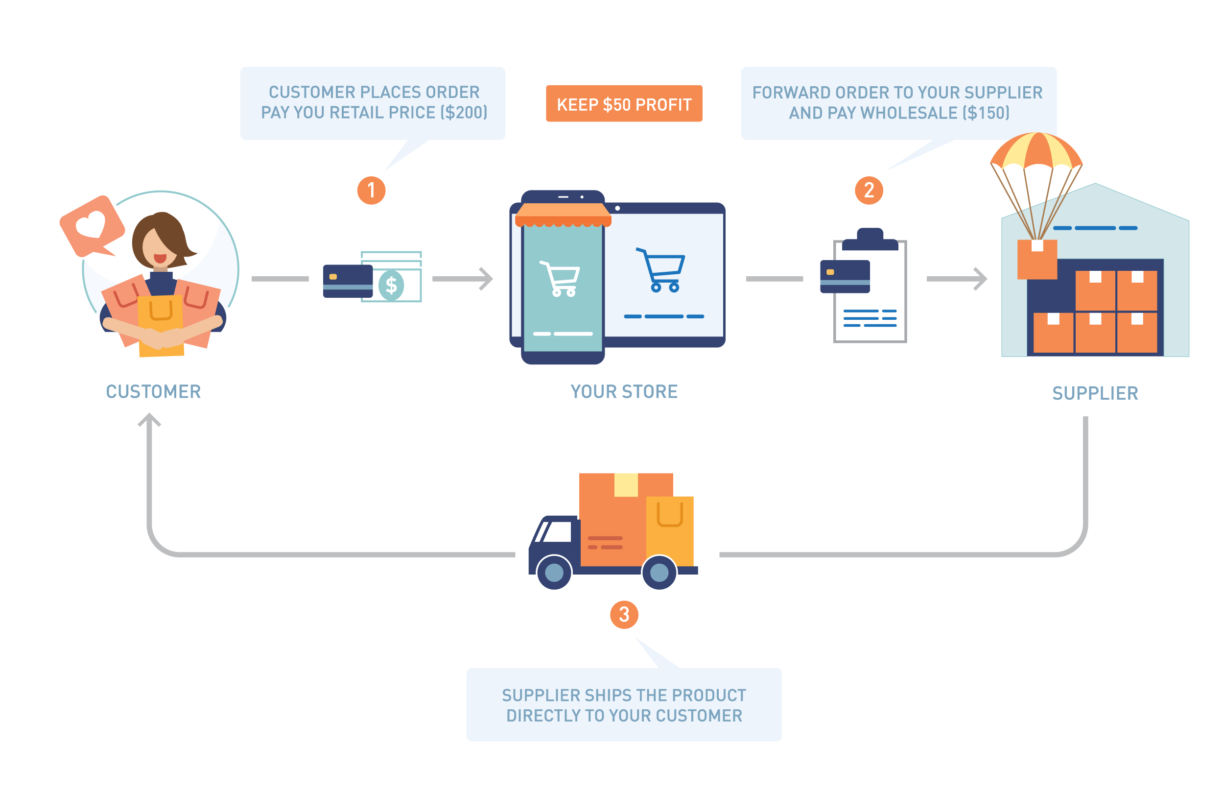
Drop shipping is an e-commerce business model where retailers do not keep the products they sell in stock. Instead, when a customer places an order, the retailer forwards it to a third-party supplier, who then ships the product directly to the customer. This model allows businesses to operate without the need for inventory storage and management, making it an attractive option for entrepreneurs looking to start an online business with minimal upfront investment.
How Does Drop Shipping Work?
The drop shipping process involves several key steps. First, the retailer sets up an online store and lists products for sale. When a customer places an order, the retailer forwards the order details to the supplier. The supplier then packages and ships the product directly to the customer. Throughout this process, the retailer is responsible for marketing, customer service, and managing the online store, while the supplier handles product storage, packaging, and shipping.
Advantages of E-commerce Drop Shipping
Low Startup Costs
One of the primary advantages of the drop shipping model is the low startup costs required. Entrepreneurs can launch an e-commerce business without the significant financial investment needed for inventory procurement and storage. This makes drop shipping accessible to a wide range of individuals and businesses, including those with limited capital.
Minimal Risk
Since drop shipping businesses do not hold inventory, the risk of unsold stock is eliminated. This is particularly beneficial for new businesses that are unsure of customer demand for their products. The model allows businesses to test the market and adjust their product offerings without the financial burden of excess inventory.
Flexibility and Scalability
Drop shipping offers businesses the flexibility to easily add or remove products from their inventory. This allows for quick adaptation to changing market trends and customer preferences. Additionally, the model is highly scalable, enabling businesses to grow their operations without significant additional investment in inventory or logistics.

Challenges of E-commerce Drop Shipping
Lower Profit Margins
Due to the nature of the drop shipping model, profit margins can be relatively low. Businesses must price products competitively to attract customers, which can reduce the profit per sale. However, by carefully selecting products and suppliers, and implementing effective marketing strategies, businesses can maximize their profitability.
Limited Control Over Product Quality and Shipping
Since the supplier handles product storage and shipping, the retailer has limited control over these aspects of the business. This can lead to issues with product quality, shipping delays, or delivery problems, which may impact customer satisfaction. Building strong relationships with reliable suppliers is crucial to minimizing these risks.
Dependency on Suppliers
The success of a drop shipping business heavily depends on the reliability and efficiency of the suppliers. Any issues with the supplier’s operations, such as stock shortages or fulfillment delays, can directly affect the business’s ability to meet customer expectations. Regular communication and close collaboration with suppliers are essential to ensure smooth business operations.
Selecting the Right Drop Shipping Suppliers
Finding Reliable Suppliers
Finding reliable and trustworthy drop shipping suppliers is critical to the success of your business. There are several ways to identify potential suppliers, including online directories, trade shows, and industry networks.
Evaluating Supplier Quality
When evaluating potential suppliers, consider factors such as their product quality, pricing, shipping capabilities, and customer service. Request product samples if possible to assess the quality firsthand. Additionally, check the supplier’s reviews and ratings from other businesses to gauge their reliability and performance.
Negotiating Terms and Conditions
Once you have identified a suitable supplier, negotiate the terms and conditions of your partnership. This includes discussing pricing structures, minimum order quantities, shipping methods, and return policies. Establishing clear and favorable terms will help ensure a mutually beneficial business relationship.
Marketing Strategies for Drop Shipping Businesses
Building an Online Store
Your online store is the face of your drop shipping business. Invest time and effort into creating a professional and user-friendly website that showcases your products effectively. Use e-commerce platforms like Shopify, WooCommerce, or BigCommerce to simplify the setup and management of your online store.
Driving Traffic and Generating Sales
Effective marketing strategies are essential for driving traffic to your online store and generating sales. Utilize digital marketing channels such as social media marketing, content marketing, email marketing, and paid advertising campaigns. Focus on building brand awareness, engaging with your target audience, and converting visitors into customers.
Enhancing Customer Experience
Provide excellent customer service to build trust and loyalty among your customers. Respond promptly to inquiries, handle returns and exchanges efficiently, and strive to exceed customer expectations. A positive customer experience can lead to repeat business and positive word-of-mouth referrals.
Conclusion
E-commerce drop shipping offers a viable and attractive business model for entrepreneurs looking to venture into the online retail space. By understanding the basics of drop shipping, leveraging its advantages, and addressing its challenges, businesses can establish a strong presence in the competitive e-commerce landscape. Selecting the right suppliers, implementing effective marketing strategies, and focusing on customer experience are key to building a successful drop shipping business.
If you want to enhance your drop shipping efficiency further by connecting directly with high-quality suppliers on platforms like 1688 and simplifying international logistics,you can use looperbuy, a one-stop purchasing-logistics solution:https://looperbuy.com/.
Related Questions & Answers
· What are the key benefits of the drop shipping business model?
The key benefits include low startup costs, minimal risk, flexibility in product selection, and the ability to focus on marketing and sales while avoiding inventory management and logistics.
· How can drop shipping businesses ensure product quality?
Drop shipping businesses can ensure product quality by selecting reliable suppliers, requesting product samples for evaluation, and maintaining open communication with suppliers to address any quality concerns.
· What challenges might drop shipping businesses face with shipping and logistics?
Potential challenges include shipping delays, delivery issues, and limited control over the shipping process. Building strong relationships with suppliers and choosing suppliers with reliable logistics capabilities can help mitigate these challenges.
· How important is supplier selection in the success of a drop shipping business?
Supplier selection is crucial as it directly impacts product quality, shipping efficiency, and customer satisfaction. A reliable supplier is essential for the smooth operation of a drop shipping business.
· What role does marketing play in a drop shipping business?
Marketing plays a vital role in driving traffic to the online store, generating sales, and building brand awareness. Effective marketing strategies can help drop shipping businesses stand out in a competitive market and attract customers.
Hot Tags: E-commerce Drop Shipping; Drop Shipping Business Model; Online Retail Solutions; Low-Cost E-commerce; Inventory-Free Business; Drop Shipping Suppliers; E-commerce Entrepreneurship; Retail Innovation; Drop Shipping Marketing Strategies