Table of Contents
Introduction to the Dropshipping Business Model
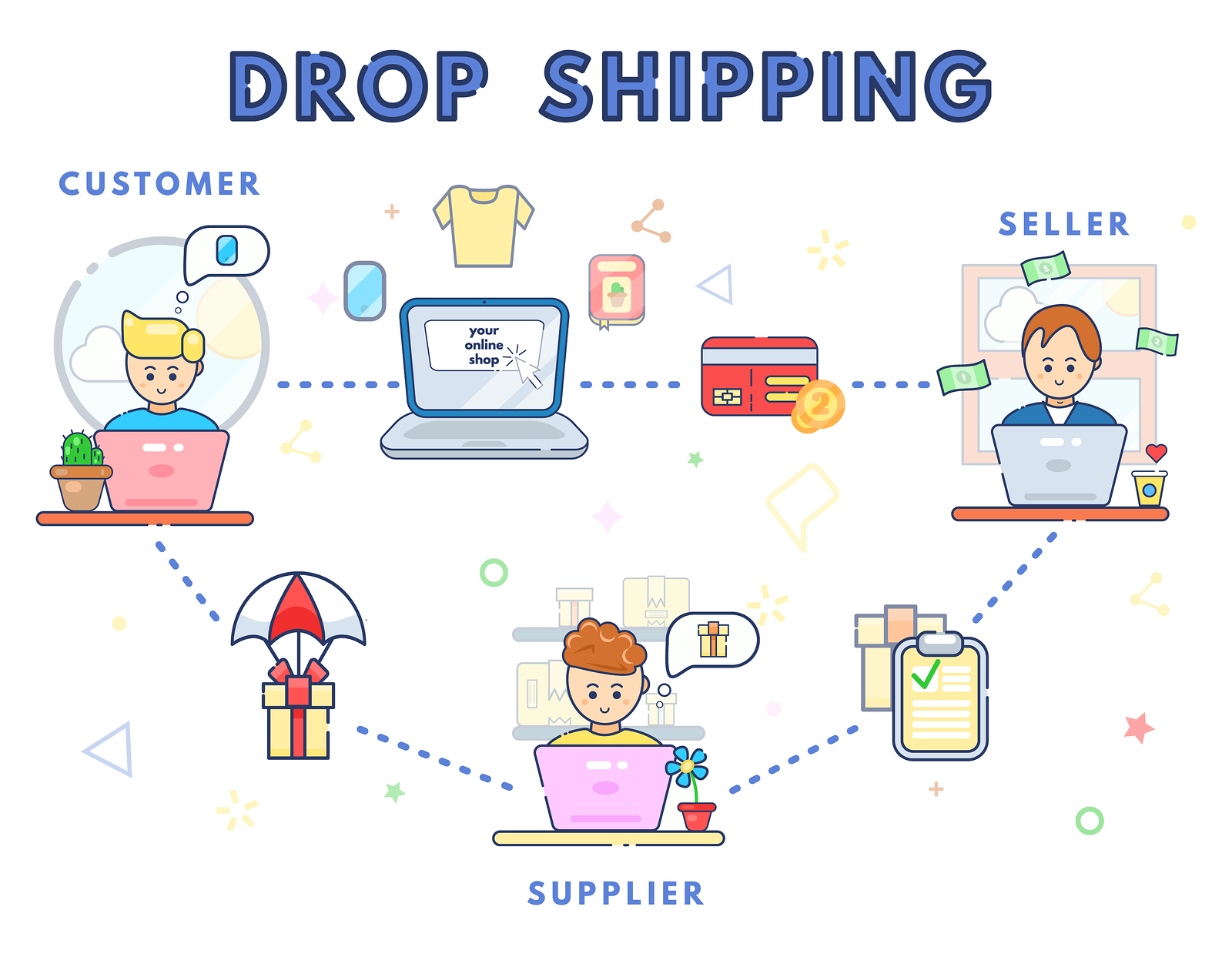
The dropshipping business model continues to thrive in 2025, driven by advancements in AI, hyper-localized logistics, and consumer demand for niche products. By eliminating inventory management and leveraging global supplier networks, entrepreneurs can focus on branding, customer experience, and scalability. This guide explores updated strategies for launching and scaling a dropshipping business in 2025, addressing challenges like supply chain resilience, sustainability mandates, and AI-driven competition.
Why Start a Dropshipping Business in 2025?
Key Benefits
- Ultra-Low Overhead: AI tools automate 80% of tasks like order processing and customer service.
- Hyper-Targeted Marketing: Generative AI crafts personalized ads and product descriptions in real time.
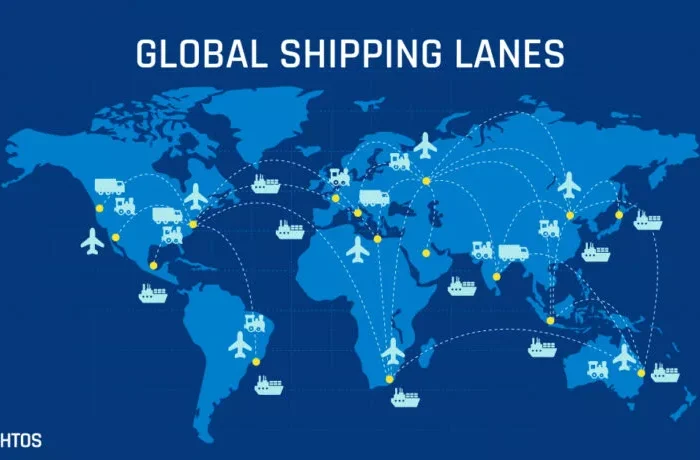
- Global Reach: Cross-border fulfillment hubs enable 3–5 day shipping worldwide.
Market Potential
- The global dropshipping market is projected to reach $591 billion by 2027, fueled by micro-niche trends and Gen Z’s preference for sustainable, customizable products.
- Top niches include AI-powered wellness gadgets, zero-waste home essentials, and retro-tech accessories.
Steps to Launch a Dropshipping Business in 2025
Step 1: Niche Selection
Criteria for a Profitable Niche
- Demand Validation: Use AI tools like ChatGPT Market Analyzer or TrendIQ to identify viral products.
- Regulatory Compliance: Ensure products meet 2025 sustainability laws (e.g., EU’s Digital Product Passport).
- Margin Potential: Target niches with 40%+ margins, such as smart home devices or bio-degradable fashion.
Top Niches in 2025
- AI-Enhanced Products: Self-cleaning water bottles, mood-tracking jewelry.
- Circular Economy: Upcycled electronics, rental fashion platforms.
- Micro-Luxury: Artisan-crafted goods, nano-influencer collaborations.
Step 2: Supplier Partnerships
Finding Reliable Suppliers
- AI-Powered Platforms:
- SuppyAI: Matches suppliers based on real-time capacity, ESG scores, and defect rates.
- Alibaba 2025: Now integrates blockchain for transparent order tracking.
- Sustainability Metrics: Prioritize suppliers with ISO 14064 (carbon footprint) or B Corp certifications.
Order Samples
- Use AR tools to inspect products virtually before ordering physical samples.
Step 3: Building Your Online Store
E-Commerce Platforms
- Shopify 2025: Features built-in AI copywriting and dynamic pricing tools.
- WooCommerce: Now supports Web3 integrations (NFT loyalty programs, crypto payments).
- Emerging Platforms: Decentralized stores on Solana or Polygon for niche audiences.
Design Best Practices
- AI-Personalization: Tools like Claviyo adjust store layouts based on user behavior.
- 3D Product Previews: Let customers interact with products via AR.
- Voice Commerce: Optimize for voice search with schema markup and conversational keywords.
Step 4: Marketing and Customer Acquisition
AI-Driven Strategies
- Generative Ads: Tools like AdCreative.ai produce thousands of ad variants in minutes.
- Predictive Retargeting: Platforms like Criteo predict cart abandonment risks and auto-adjust bids.
Sustainability Storytelling
- Highlight carbon-neutral shipping, repair programs, or tree-planting initiatives per sale.
Community Building
- TikTok Shops: Host live dropshipping auctions with real-time influencer commentary.
- Discord Communities: Offer exclusive pre-orders to engaged members.
Overcoming 2025-Specific Challenges
Supply Chain Resilience
- Diversified Suppliers: Use AI tools to map backup suppliers in regions less prone to climate disruptions.
- On-Demand 3D Printing: Partner with local 3D printing hubs for emergency stock replenishment.
Regulatory Compliance
- Digital Product Passports (DPP): Mandatory in the EU for traceability; ensure suppliers provide QR-linked production data.
- Plastic Tax Avoidance: Source biodegradable packaging to bypass rising levies.
AI Competition
- Differentiation: Invest in human-led customer service and hand-curated product collections.
Future Trends Shaping Dropshipping in 2025
AI and Hyper-Automation
- Autonomous Stores: AI agents negotiate with suppliers, manage inventory, and resolve disputes without human input.
- Real-Time Analytics: Predictive tools like Triple Whale 2.0 forecast demand spikes using social sentiment data.
Web3 Integration
- NFT Gated Products: Unlock exclusive items via NFT ownership.
- DAO Marketplaces: Community-owned dropshipping platforms with profit-sharing models.
Climate-Conscious Logistics
- Floating Warehouses: Solar-powered hubs on cargo ships reduce last-mile emissions.
- Carbon Tokens: Offset emissions automatically via blockchain-based carbon credit marketplaces.
Conclusion
Succeeding in the 2025 dropshipping landscape demands agility, tech-savviness, and ethical practices. Entrepreneurs must harness AI for hyper-efficient operations, comply with evolving sustainability laws, and differentiate through community-driven branding. By embracing trends like Web3 commerce and climate-neutral logistics, businesses can future-proof their operations and capture the next wave of e-commerce growth.
If you want to enhance your drop shipping efficiency, directly connect with China Quality Inventory 1688 and enjoy high-quality factory prices for your products,you can use looperbuy, a one-stop purchasing-logistics solution:https://looperbuy.com/
Related Questions & Answers
· How do I comply with the EU’s Digital Product Passport (DPP) in 2025?
Partner with suppliers who provide QR-code-ready data on materials, carbon footprint, and labor conditions. Use platforms like Sourceful for automated DPP generation.
· Can I use AI to manage customer service entirely?
Yes. Tools like Zendesk Advanced AI handle 95% of inquiries, but retain human agents for complex issues to build trust.
· What are the penalties for non-compliance with plastic taxes?
Fines range from 4% to 10% of revenue in regulated markets. Switch to mycelium or seaweed-based packaging to avoid fees.
· How do Web3 integrations benefit dropshipping stores?
NFT memberships boost loyalty, while crypto payments reduce transaction fees and attract tech-savvy buyers.
· Are floating warehouses cost-effective?
Yes for high-volume sellers in coastal regions. They cut shipping times by 30% and qualify for green tax incentives.
Hot Tags: Dropshipping AI Automation; Web3 E-commerce; Sustainable Supplier Compliance; NFT Loyalty Programs; Climate-Neutral Logistics; Hyper-Localized Fulfillment; Generative Ad Tools; Circular Economy Models; Real-Time Demand Analytics.