Table of Contents
Introduction
In today’s competitive market, packaging plays a crucial role in product presentation and brand identity. The design of box packing is not just about aesthetics; it encompasses functionality, sustainability, and consumer engagement. This article delves into the various aspects of designing box packing, including materials, styles, and trends, while providing practical tips for creating effective packaging solutions. As consumers become more discerning, the importance of thoughtful packaging design cannot be overstated. It serves as a silent salesperson, influencing purchasing decisions and fostering brand loyalty.
Understanding Box Packing
What is Box Packing?
Box packing refers to the process of designing and creating boxes that are used to contain, protect, and present products. This can range from simple cardboard boxes to elaborate custom designs that reflect a brand’s identity. The primary goals of box packing are to ensure product safety during transit, enhance visual appeal, and facilitate ease of use for consumers. Effective box packing not only safeguards the product but also enhances the overall customer experience, making it a vital component of product marketing.
Importance of Box Packing Design
1. Brand Identity: Packaging is often the first point of contact between a consumer and a brand. A well-designed box can communicate the brand’s values and personality. It can convey messages about quality, luxury, or eco-friendliness, depending on the target audience. For instance, a high-end cosmetic brand may use sleek, minimalist designs to evoke sophistication, while a children’s toy brand might opt for bright colors and playful graphics to attract young consumers.
2. Protection: The primary function of packaging is to protect the product from damage during shipping and handling. This includes safeguarding against physical impacts, moisture, and environmental factors. A well-designed box will consider the product’s fragility and the conditions it may encounter during transit, ensuring that it arrives in perfect condition. This not only reduces returns and complaints but also enhances customer satisfaction.
3. Sustainability: With increasing consumer awareness about environmental issues, sustainable packaging solutions are becoming essential. Brands that prioritize eco-friendly materials and practices can differentiate themselves in a crowded market. Sustainable packaging not only appeals to environmentally conscious consumers but also aligns with global efforts to reduce waste and carbon footprints. This trend is pushing companies to innovate and find new ways to minimize their environmental impact.
4. Consumer Experience: An engaging unboxing experience can enhance customer satisfaction and encourage repeat purchases. The way a product is packaged can create excitement and anticipation, turning the act of opening a box into a memorable experience. Brands are increasingly focusing on the sensory aspects of packaging, such as texture, sound, and visual appeal, to create a more immersive experience for consumers.
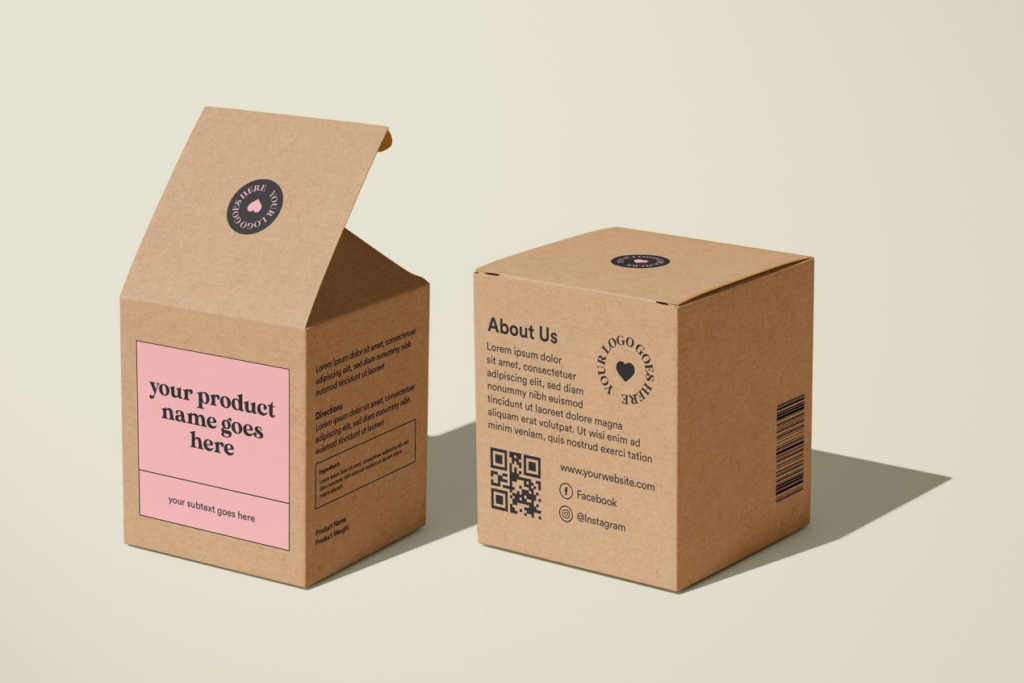
Key Elements of Box Packing Design
1. Material Selection
Choosing the right material is fundamental to box packing design. Common materials include:
– Cardboard: Lightweight and versatile, cardboard is widely used for shipping boxes and retail packaging. It can be easily printed on, allowing for vibrant designs and branding.
– Corrugated Fiberboard: Offers superior protection and is ideal for shipping fragile items. The fluted layer provides cushioning, making it a popular choice for e-commerce businesses.
– Plastic: Durable and moisture-resistant, plastic boxes are often used for food and cosmetics. They can be molded into various shapes and sizes, providing flexibility in design.
– Eco-friendly Materials: Biodegradable and recyclable materials are gaining popularity due to environmental concerns. Brands are exploring options like plant-based plastics and recycled paper to meet consumer demand for sustainable products.
2. Box Styles
Different box styles serve various purposes and can enhance the product’s appeal. Some popular styles include:
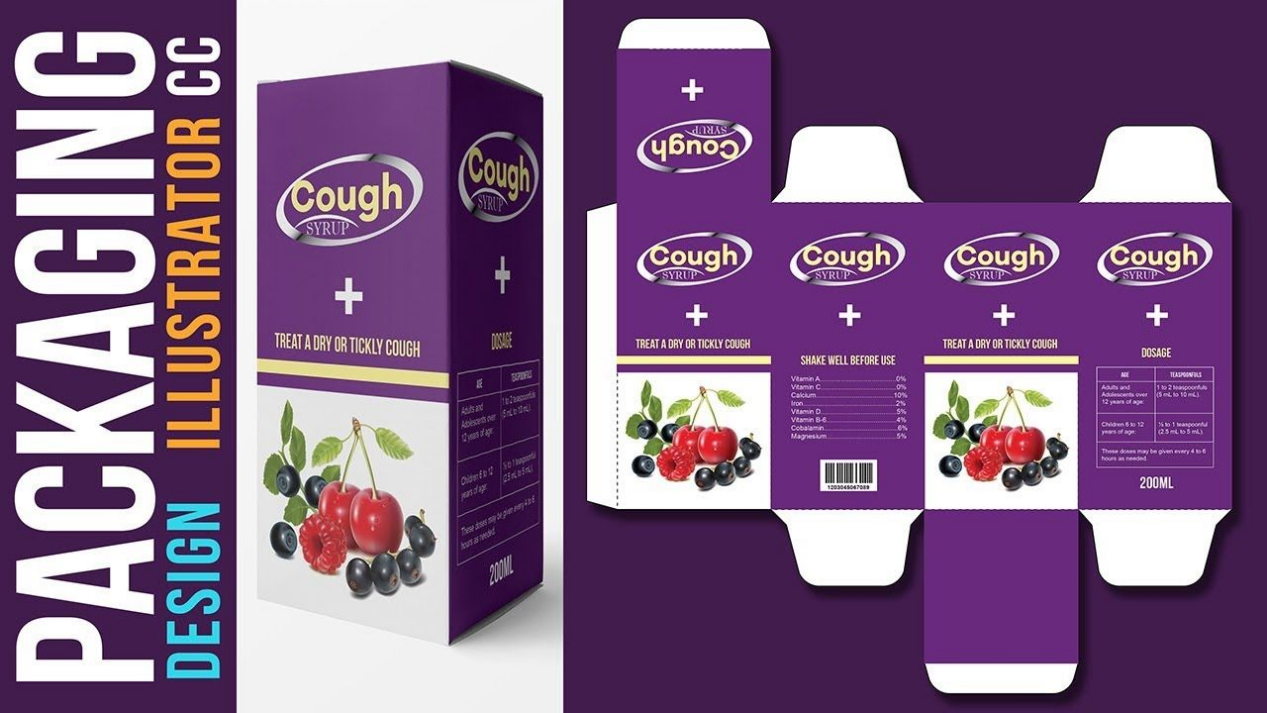
– Folding Boxes: Commonly used for retail products, these boxes are easy to assemble and store. They can be designed with unique shapes and closures to stand out on shelves.
– Rigid Boxes: Sturdy and luxurious, rigid boxes are often used for high-end products. Their premium feel and appearance can elevate the perceived value of the product inside.
– Mailer Boxes: Designed for shipping, these boxes are durable and can be customized for branding. They often feature self-locking mechanisms for easy assembly and secure closure.
– Tuck Top Boxes: These boxes feature a tuck-in flap that secures the contents, making them ideal for lightweight products. They are cost-effective and can be printed with eye-catching designs.
3. Design Elements
The visual design of the box is crucial for attracting consumers. Key design elements include:
– Color: Colors evoke emotions and can influence purchasing decisions. Brands should choose colors that align with their identity and resonate with their target audience. For example, green is often associated with health and sustainability, while red can evoke excitement and urgency.
– Typography: The choice of fonts can convey different messages. Clear and legible typography is essential for product information. Creative typography can also enhance brand personality, making the packaging more memorable.
– Graphics: Images and illustrations can enhance the visual appeal and communicate the product’s benefits. High-quality graphics can create a strong first impression and help consumers quickly understand what the product is about.
Trends in Box Packing Design
1. Minimalism
Minimalist designs focus on simplicity and functionality. This trend emphasizes clean lines, limited color palettes, and straightforward messaging, appealing to consumers who appreciate elegance and clarity. Minimalism can also reduce production costs and waste, aligning with sustainability goals.
2. Eco-Friendly Packaging
Sustainability is a significant trend in packaging design. Brands are increasingly opting for recyclable materials, reducing plastic use, and implementing eco-friendly practices in their packaging processes. This shift not only meets consumer demand but also helps brands build a positive reputation in an environmentally conscious market.
3. Interactive Packaging
Interactive packaging engages consumers through unique features such as QR codes, augmented reality experiences, or innovative opening mechanisms. This trend enhances the unboxing experience and encourages consumer interaction. By integrating technology, brands can provide additional information, promotions, or entertainment, creating a deeper connection with their audience.
4. Customization
Personalized packaging is becoming more popular as brands seek to create unique experiences for their customers. Custom designs can include personalized messages, names, or tailored graphics that resonate with individual consumers. This level of customization can foster brand loyalty and encourage consumers to share their experiences on social media.
Practical Tips for Designing Box Packing
1. Know Your Audience
Understanding your target audience is crucial for effective packaging design. Consider their preferences, values, and behaviors to create packaging that resonates with them. Conducting market research and gathering consumer feedback can provide valuable insights into what appeals to your audience.
2. Focus on Functionality
Ensure that the box design is practical and functional. It should protect the product, be easy to open, and facilitate storage and transportation. Consider the entire lifecycle of the packaging, from production to disposal, to create a design that is both user-friendly and environmentally responsible.
3. Test Your Design
Before finalizing your design, conduct tests to evaluate its effectiveness. Gather feedback from potential customers and make necessary adjustments based on their input. Prototyping and focus groups can help identify any issues and refine the design before mass production.
4. Stay Updated on Trends
Keep an eye on industry trends and consumer preferences. Adapting to changing trends can help your brand stay relevant and appealing to consumers. Regularly reviewing competitors and market innovations can inspire new ideas and improvements in your packaging design.
Conclusion
Designing effective box packing is a multifaceted process that requires careful consideration of materials, styles, and consumer preferences. By focusing on brand identity, functionality, and sustainability, businesses can create packaging that not only protects their products but also enhances the overall consumer experience. As trends evolve, staying informed and adaptable will be key to successful box packing design. Ultimately, the goal is to create packaging that resonates with consumers, reflects the brand’s values, and contributes to a positive purchasing experience.
How to purchase:https://looperbuy.com/search?keywords=design+any+box+packing
Frequently Asked Questions
1. What materials are best for box packing?
Answer: The best materials for box packing depend on the product being packaged. Common options include cardboard for lightweight items, corrugated fiberboard for fragile products, and eco-friendly materials for sustainable packaging. Each material has its own advantages and should be chosen based on the specific needs of the product.
2. How can I make my box design stand out?
Answer: To make your box design stand out, focus on unique graphics, bold colors, and innovative shapes. Additionally, consider incorporating interactive elements or personalized touches to engage consumers. A memorable design can create a lasting impression and encourage customers to choose your product over competitors.
3. What are the benefits of eco-friendly packaging?
Answer: Eco-friendly packaging reduces environmental impact, appeals to environmentally conscious consumers, and can enhance brand reputation. It often involves using recyclable or biodegradable materials, which can lead to cost savings in waste management and attract a loyal customer base that values sustainability.
4. How important is the unboxing experience?
Answer: The unboxing experience is crucial as it can significantly impact consumer satisfaction and brand perception. A positive unboxing experience can lead to repeat purchases and word-of-mouth referrals. Brands that invest in creating a memorable unboxing experience can differentiate themselves in a crowded market.
5. What trends should I consider in box packing design?
Answer: Current trends in box packing design include minimalism, eco-friendly packaging, interactive elements, and customization. Staying updated on these trends can help your brand remain competitive and relevant in the eyes of consumers.