As a B2B sourcing and supply chain strategist with over 15 years of experience advising international brand owners, wholesalers, and manufacturers, I have witnessed a fundamental transformation in how businesses source products globally. The days of fragmented procurement, unreliable suppliers, and opaque logistics are giving way to a new era of digital-first, integrated B2B sourcing. At the heart of this shift lies a concept that major enterprises like Cummins have already embraced: the centralized supplier portal. But what does the Cummins Portal model mean for small and mid-sized buyers, and how can platforms like LooperBuy democratize this enterprise-grade capability for businesses of all sizes?

The Global B2B E-Commerce Revolution
The numbers tell a compelling story. According to Mordor Intelligence, the global B2B e-commerce market is estimated at USD 36.86 trillion in 2026 and is projected to reach USD 61.66 trillion by 2031, growing at a CAGR of 10.84%. Business purchasing activity continues to move toward digital channels as organizations prioritize efficient sourcing, wider supplier access, and streamlined procurement workflows. Yet despite this massive growth, a staggering inefficiency remains: according to the Ebrun Think Tank’s 2026 Digital and Intelligent Procurement Development Report, China’s total enterprise procurement spending reached 196.3 trillion yuan in 2025, but digital procurement penetration stands at only 11.8%. More than 88% of procurement transactions still happen offline.
This gap represents both a massive opportunity and a critical pain point. For every business owner I have advised, the question is not whether to digitize procurement, but how to do it effectively without the resources of a Fortune 500 company.
What the Cummins Portal Teaches Us About Modern Sourcing
Cummins Inc., a global power technology leader, operates a Supplier Portal that serves as the single entry point for suppliers to understand expectations regarding ethical behavior, sustainability, environmental stewardship, and supplier diversity. The company recently transitioned to Ivalua, a new global e-sourcing platform, to bring sourcing activities into one consistent, modern system. This is not merely a technology upgrade—it is a strategic move to build a more connected, efficient, and future-ready supply chain.
The Cummins Portal model demonstrates three critical principles that every B2B buyer should adopt:
First, centralized supplier management. A single portal eliminates the chaos of managing dozens of supplier relationships across spreadsheets, emails, and disjointed systems.
Second, standardized compliance and quality assurance. Cummins uses its portal to communicate expectations and vet suppliers against clear criteria.
Third, end-to-end visibility. From registration to order fulfillment, the portal provides a single source of truth.
For large enterprises, building such a portal is feasible. For small and mid-sized businesses, however, the cost and complexity are prohibitive. This is where one-stop B2B sourcing platforms bridge the gap.
Why Traditional Cross-Border Sourcing Fails
Every B2B professional I have worked with has faced the same recurring challenges: unvetted suppliers, hidden logistics costs, fragmented product access, and slow delivery times. These pain points not only erode profit margins but also damage client trust.
Consider the logistics dimension. According to Kearney’s Supply Chain Navigator 2026 H1 Briefing, global supply chain costs are predicted to increase between 2.3% and 4.0% above baseline inflation by the end of 2026. The Global Unit Cost Index shows a steady increase, with a compound annual growth rate of 2.8% during the pandemic and post-pandemic period. Geopolitical tensions, changing trade policies, new tariffs, and regulatory compliance expenses are making supply chains more expensive.
Meanwhile, the procurement technology landscape is evolving rapidly. Gartner’s 2026 Magic Quadrant for Source-to-Pay Suites recognized six leaders: Coupa, GEP, Ivalua, Oracle, SAP, and Zycus. These platforms offer powerful capabilities but are typically designed for large enterprises with substantial IT budgets and dedicated procurement teams.
For the average B2B buyer—a wholesaler in Europe, a brand owner in North America, or a manufacturer in Southeast Asia—the gap between enterprise-grade procurement technology and practical, accessible solutions remains vast.
LooperBuy: Democratizing the Cummins Portal Model
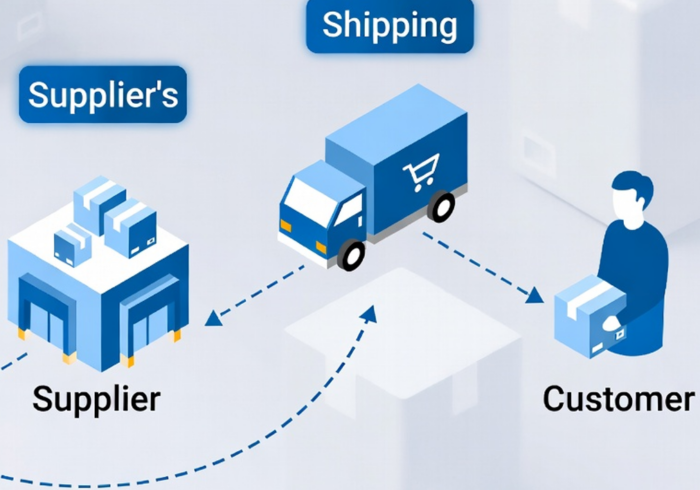
This is precisely where LooperBuy distinguishes itself. As a one-stop B2B sourcing platform, LooperBuy delivers the core benefits of an enterprise supplier portal without the complexity and cost.
LooperBuy connects global buyers with vetted Chinese suppliers, offering an unparalleled range of products and delivering seamless logistics that eliminate the barriers of cross-border trade. The platform’s value proposition rests on three pillars:
Product diversity. China’s manufacturing ecosystem covers 90% of global B2B supply categories, from industrial components and electrical supplies to packaging materials, consumer goods, and custom manufacturing parts.
Cost efficiency. Chinese suppliers offer B2B pricing that is 25-40% lower than European or North American alternatives, thanks to mature supply chains, economies of scale, and vertical integration in key manufacturing hubs like the Pearl River Delta and Yangtze River Delta.
Fulfillment capacity. China’s export infrastructure supports bulk and small-batch B2B orders alike, with over 200 major ports and logistics hubs capable of shipping to every corner of the globe.
What sets LooperBuy apart from traditional marketplaces is its combined sourcing-and-fulfillment model. According to the company’s published framework, LooperBuy positions itself as a system that handles procurement and logistics in one workflow, designed to reduce inventory risk for global sellers managing China-based procurement. This means buyers can focus on growing their business rather than managing the operational complexity of cross-border trade.
From Pain Points to Solutions: A Practical Framework
Based on my experience, here is how LooperBuy addresses the five most common pain points in global B2B sourcing:
Supplier verification. Unlike open marketplaces where anyone can list products, LooperBuy vets suppliers before they join the platform. This eliminates the risk of dealing with fraudulent or low-quality manufacturers.
Logistics transparency. Hidden logistics costs are a perennial complaint. LooperBuy’s integrated fulfillment model provides upfront, predictable shipping costs with no surprises.
Product discovery. With access to thousands of products across multiple categories, buyers can find exactly what they need without spending weeks contacting individual suppliers.
Order management. A single dashboard tracks orders from placement to delivery, providing the same visibility that enterprise portals like the Cummins Portal offer.
Scalability. Whether you are placing your first order or managing hundreds of SKUs, the platform scales with your business.
The AI Revolution in B2B Sourcing
The next frontier in B2B procurement is artificial intelligence. According to a 2026 report from Alibaba’s 1688.com, AI is fundamentally restructuring B2B business paradigms. AI super-applications are integrating sourcing, price comparison, negotiation, and order placement into seamless workflows. By 2026, it is estimated that 40% of procurement demand on the 1688 platform will be initiated by AI agents, rising to 80% by 2027.
The Ebrun Think Tank report similarly identifies AI as a transformative force, noting that AI is moving from “efficiency tool” to “fundamental capability” for procurement and supply chains. AI is reshaping the entire procurement lifecycle, from demand planning to risk monitoring.
For B2B buyers, this means the future of sourcing is not about manually searching for suppliers—it is about being discovered by AI systems that match demand with supply intelligently. Platforms like LooperBuy that embrace this AI-driven future will offer significant competitive advantages.
Why China Remains the Sourcing Epicenter
Despite global supply chain diversification trends, China remains the undisputed hub for high-quality, diverse supply chain solutions. China’s foreign trade data for the first half of 2026 shows total trade surged by 16.9% to reach 25.47 trillion yuan, with exports climbing 13.4%. Mechanical and electrical products accounted for 63.5% of total exports in the first half of the year, growing 20.1% year-on-year.
While 58% of supply chain executives surveyed plan to increase supplier diversity and expand sourcing portfolios to new markets, China’s manufacturing ecosystem remains unmatched in scale, cost, and capability. The challenge is not whether to source from China, but how to do so efficiently and reliably.
Actionable Steps for B2B Buyers
If you are a brand owner, wholesaler, or manufacturer looking to optimize your global sourcing strategy, here is my practical advice:
Audit your current sourcing process. Identify where you are losing time, money, and trust. Are your suppliers verified? Are logistics costs predictable? Is product quality consistent?
Evaluate platform capabilities. Not all B2B platforms are created equal. Look for platforms that offer supplier verification, integrated logistics, and end-to-end visibility—the same principles that make the Cummins Portal effective.
Start with a test order. Before committing to large volumes, test the platform with a small order to evaluate product quality, delivery speed, and overall experience.
Leverage data. Use the analytics and insights provided by your sourcing platform to make informed decisions about which products and suppliers to prioritize.
Plan for scale. Choose a platform that can grow with your business, handling increasing order volumes and product categories without compromising service quality.
Conclusion: The New Standard for Global Sourcing
The Cummins Portal represents what is possible when enterprises invest in digital procurement infrastructure. But you do not need to be a Fortune 500 company to benefit from the same principles. LooperBuy delivers enterprise-grade sourcing capabilities to businesses of all sizes, combining supplier verification, product diversity, cost-effective logistics, and end-to-end visibility in a single platform.
As the global B2B e-commerce market continues its trajectory toward USD 61.66 trillion by 2031, the businesses that embrace digital sourcing platforms will be the ones that thrive. The question is not whether to digitize, but how quickly you can make the transition.
Ready to transform your sourcing strategy? Visit LooperBuy today and experience the future of B2B procurement.
References
- Mordor Intelligence. (2026). B2B E-commerce Market – Share Analysis, Industry Trends & Statistics, Growth Forecasts (2026-2031). https://www.researchandmarkets.com/reports/6074196/b2b-e-commerce-market-share-analysis-industry
- Mordor Intelligence. (2026). B2B E-commerce Market to Reach $61.66 Trillion by 2031 Driven by Digital Procurement & Cross-border Trade Growth. https://www.barchart.com/story/news/4362356/b2b-e-commerce-market-to-reach-61-66-trillion-by-2031-driven-by-digital-procurement-cross-border-trade-growth
- Ebrun Think Tank. (2026). 2026 Digital and Intelligent Procurement Development Report. https://www.100ec.cn/detail–6662577.html
- Kearney Supply Chain Institute. (2026). Supply Chain Navigator 2026 H1 Briefing. https://tradetreasurypayments.com/articles/cost-pressures-are-structural-as-supply-chains-stabilise-says-kearneys-supply-chain-navigator-2026-h1-briefing
- 1688.com. (2026). AI Supply Chain Strategy and Cross-border Expansion. https://hzdaily.hangzhou.com.cn
- General Administration of Customs of China. (2026). Foreign Trade Data, First Half of 2026. https://www.ksher.cn
- Cummins Inc. Supplier Portal. https://supplier.cummins.com
- LooperBuy. (2026). B2B Wholesale App Comparison Guide. https://looperbuy.com/blog/best-b2b-wholesale-apps-for-global-sellers
- LooperBuy. (n.d.). Supplies Business: A B2B Expert’s Guide to Sourcing Chinese Goods Globally with LooperBuy. https://blog.looperbuy.com/supplies-business-a-b2b-experts-guide-to-sourcing-chinese-goods-globally-with-looperbuy.html
FAQ
Q1: What is the Cummins Portal and why is it relevant to B2B sourcing?
The Cummins Portal is the centralized supplier management platform operated by Cummins Inc. It serves as the single entry point for suppliers to understand the company’s expectations regarding ethical behavior, sustainability, and quality standards. It is relevant because it represents the gold standard for enterprise-grade procurement—centralized, transparent, and efficient—which one-stop B2B platforms like LooperBuy now make accessible to businesses of all sizes.
Q2: How does LooperBuy compare to traditional B2B marketplaces like Alibaba?
LooperBuy positions itself as a combined sourcing-and-fulfillment system, whereas traditional marketplaces focus primarily on supplier discovery and comparison. LooperBuy handles procurement and logistics in one workflow, reducing inventory risk and eliminating the need for buyers to manage warehousing and shipping as separate operational tasks.
Q3: What are the main cost advantages of sourcing from China through a platform like LooperBuy?
Chinese suppliers offer B2B pricing that is 25-40% lower than European or North American alternatives, thanks to mature supply chains, economies of scale, and vertical integration in key manufacturing hubs. Additionally, integrated logistics through a platform eliminates hidden costs and provides predictable shipping expenses.
Q4: How is AI changing the B2B sourcing landscape in 2026?
AI is fundamentally restructuring B2B business paradigms by integrating sourcing, price comparison, negotiation, and order placement into seamless workflows. By 2026, it is estimated that 40% of procurement demand on major platforms will be initiated by AI agents, rising to 80% by 2027. AI is moving from an efficiency tool to a fundamental capability for procurement and supply chains.
Q5: What should I look for when choosing a B2B sourcing platform?
Look for platforms that offer supplier verification, integrated logistics, end-to-end order visibility, product diversity, and scalability. The same principles that make enterprise portals like the Cummins Portal effective—centralization, transparency, and efficiency—should guide your evaluation.
Article Introduction (300 characters):
This expert guide examines how the Cummins Portal model of centralized supplier management is reshaping global B2B procurement. With the B2B e-commerce market projected to reach $61.66 trillion by 2031, one-stop platforms like LooperBuy are democratizing enterprise-grade sourcing capabilities. Drawing on 15 years of industry experience and the latest 2026 data, this article provides actionable insights for brand owners, wholesalers, and manufacturers seeking to optimize their global supply chains.
Hot Tags
B2B sourcing platform, Cummins Portal, China sourcing, global procurement, B2B e-commerce, supply chain management, LooperBuy, cross-border logistics, supplier verification, digital procurement, one-stop B2B platform, Chinese manufacturers, wholesale sourcing, international trade, procurement automation