Commercial electric fans are essential tools in various industrial and commercial settings. They provide effective air circulation, cooling, and ventilation, making them indispensable for maintaining comfort and safety in workplaces. This article explores the numerous advantages of commercial electric fans, their types, applications, and considerations for choosing the right fan for your needs.
Table of Contents
Understanding Commercial Electric Fans
Commercial electric fans are designed to move large volumes of air efficiently. Unlike standard household fans, these fans are built to withstand the rigors of commercial use, offering durability and high performance. They come in various sizes and styles, including floor fans, wall-mounted fans, and ceiling fans, each serving specific purposes. The robust construction of commercial electric fans ensures they can operate continuously for extended periods, making them ideal for environments where air circulation is critical.
Types of Commercial Electric Fans
Commercial electric fans can be categorized based on their design and application. Here are some common types:
1. Floor Fans
Floor fans are portable and versatile, making them ideal for various settings, including warehouses, workshops, and outdoor events. They typically feature a sturdy base and can be adjusted to direct airflow where needed. Their mobility allows users to reposition them easily, ensuring that air circulation can be optimized based on changing conditions or specific needs. Many floor fans also come with multiple speed settings, allowing for customizable airflow depending on the situation.
2. Wall-Mounted Fans
These fans are perfect for spaces with limited floor space. Wall-mounted fans can be installed at various heights, providing effective air circulation without occupying valuable ground area. They are commonly used in factories, gyms, and large retail spaces. The ability to mount these fans on walls helps to keep the floor area clear, which is particularly beneficial in crowded environments. Additionally, wall-mounted fans can often be tilted or oscillated to cover a wider area, enhancing their effectiveness.
3. Ceiling Fans
Ceiling fans are often used in larger commercial spaces to enhance air circulation. They can help maintain a comfortable temperature by distributing air evenly throughout the area. Many commercial ceiling fans are designed to operate quietly, making them suitable for offices and meeting rooms. The installation of ceiling fans can also contribute to energy savings, as they can help reduce reliance on air conditioning systems by creating a wind-chill effect that makes the environment feel cooler.
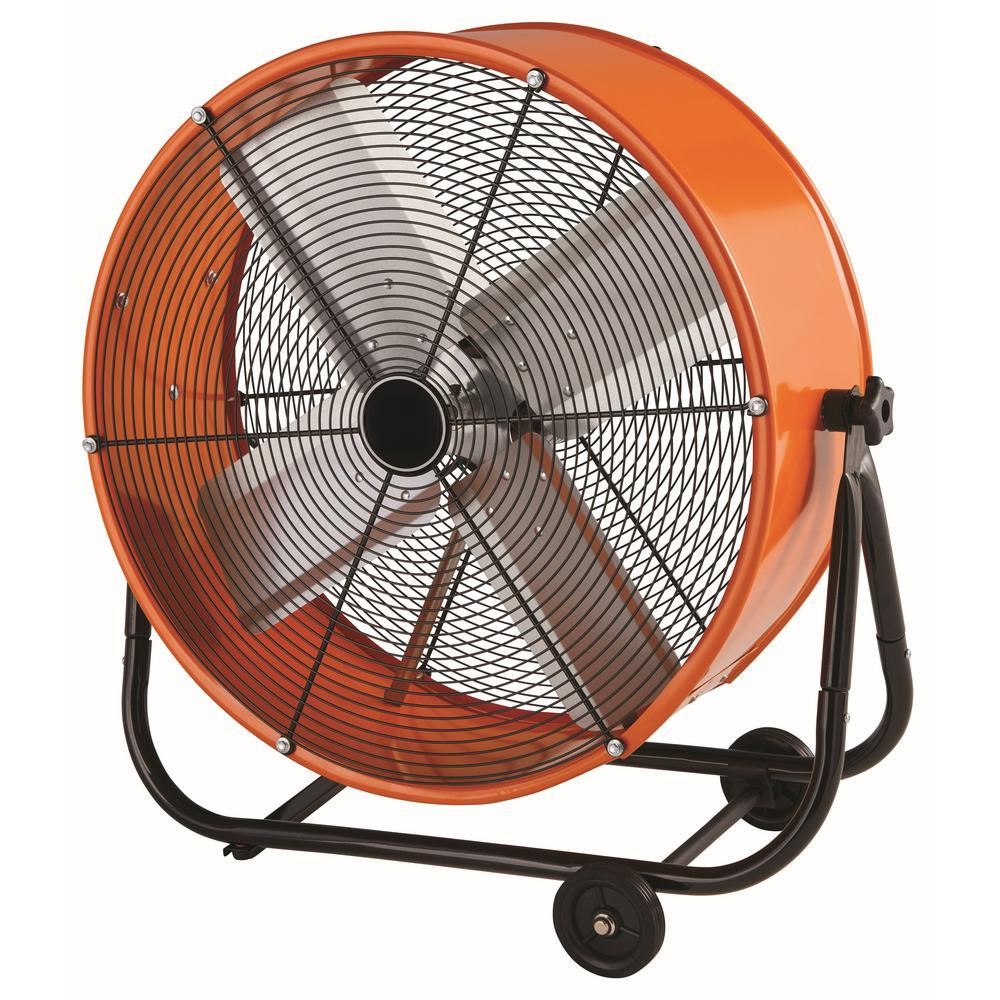
4. Drum Fans
Drum fans are powerful and designed for heavy-duty use. They are often used in industrial settings where high airflow is required, such as construction sites and large warehouses. Their robust design allows them to move air over long distances, making them ideal for ventilating large areas quickly. Drum fans are typically equipped with high-velocity motors, enabling them to deliver a strong airflow that can effectively cool down hot environments or disperse fumes and odors.
Key Features of Commercial Electric Fans
When selecting a commercial electric fan, several features should be considered to ensure optimal performance:
1. Airflow Capacity
The airflow capacity, measured in cubic feet per minute (CFM), indicates how much air the fan can move. Higher CFM ratings are essential for larger spaces or areas with high heat loads. Understanding the CFM requirements for your specific environment can help in selecting a fan that will effectively meet your cooling and ventilation needs.
2. Durability
Commercial electric fans are built to last. Look for fans made from high-quality materials that can withstand the demands of a commercial environment. Metal construction is often preferred for its strength and longevity. Additionally, features such as corrosion-resistant finishes can enhance the fan’s lifespan, especially in environments where moisture or chemicals are present.
3. Energy Efficiency
Energy-efficient fans can significantly reduce electricity costs. Look for models with energy-saving features, such as variable speed settings and efficient motor designs. Many modern commercial fans are designed to consume less power while still delivering high performance, making them a smart choice for businesses looking to lower their operational costs.
4. Noise Level
In environments where noise is a concern, such as offices or retail spaces, selecting a fan with a low noise level is crucial. Many commercial fans are designed to operate quietly while still providing effective airflow. This feature is particularly important in settings where a peaceful atmosphere is necessary for productivity or customer satisfaction.
Applications of Commercial Electric Fans
Commercial electric fans are used in a wide range of applications, including:
1. Industrial Settings
In factories and manufacturing plants, commercial electric fans help cool machinery and workers, improving productivity and safety. They are essential for maintaining a comfortable working environment, especially in hot weather. By ensuring proper ventilation, these fans can also help prevent overheating of equipment, which can lead to costly downtime and repairs.
2. Warehouses
Warehouses often have large open spaces that can become hot and stuffy. Commercial electric fans help circulate air, reducing heat buildup and creating a more comfortable environment for workers. Proper air circulation in warehouses can also help preserve the quality of stored goods, particularly perishable items that may be sensitive to temperature fluctuations.
3. Retail Spaces
In retail environments, maintaining a comfortable temperature is vital for customer satisfaction. Commercial electric fans can help regulate temperature, ensuring a pleasant shopping experience. By improving air circulation, these fans can also help reduce the reliance on air conditioning systems, leading to lower energy costs.
4. Event Spaces
For outdoor events or large indoor gatherings, commercial electric fans provide essential cooling. They can help keep attendees comfortable, especially during hot weather. The use of fans in event spaces can enhance the overall experience, encouraging guests to stay longer and enjoy the event.
5. Agricultural Use
In agricultural settings, fans are used to ventilate barns and greenhouses, helping to maintain optimal conditions for livestock and crops. Proper ventilation is crucial for preventing heat stress in animals and ensuring that plants receive adequate airflow, which can improve growth and yield.
Choosing the Right Commercial Electric Fan
Selecting the right commercial electric fan involves considering several factors:
1. Space Size
The size of the area where the fan will be used is crucial. Larger spaces may require multiple fans or fans with higher CFM ratings to ensure adequate airflow. Assessing the dimensions of the space and understanding the airflow needs can help in making an informed decision.
2. Purpose
Determine the primary purpose of the fan. Is it for cooling, ventilation, or both? This will influence the type of fan you choose. For instance, if the primary goal is to cool a specific area, a high-velocity fan may be more suitable, while a fan designed for general ventilation may suffice for air circulation.
3. Budget
Commercial electric fans come in a range of prices. Establishing a budget can help narrow down options while ensuring you select a fan that meets your needs. It’s important to balance cost with quality and performance to ensure a worthwhile investment.
4. Maintenance Requirements
Consider the maintenance needs of the fan. Some models may require more frequent cleaning or servicing than others, impacting long-term costs. Understanding the maintenance requirements can help in selecting a fan that fits your operational capabilities and resources.

Benefits of Using Commercial Electric Fans
The advantages of using commercial electric fans are numerous:
1. Improved Air Circulation
Commercial electric fans enhance air circulation, helping to eliminate stagnant air and improve overall air quality. This is particularly important in environments where air quality can be compromised. Improved air circulation can also help reduce the risk of mold and mildew growth, contributing to a healthier environment.
2. Cost-Effective Cooling
Using fans can be a cost-effective way to cool spaces compared to air conditioning systems. Fans consume less energy and can significantly reduce cooling costs. By strategically using fans, businesses can maintain comfortable temperatures without incurring high energy bills.
3. Increased Comfort
By providing a steady flow of air, commercial electric fans help maintain a comfortable temperature, improving the overall comfort of employees and customers. A comfortable environment can lead to higher employee morale and productivity, as well as enhanced customer satisfaction.
4. Versatility
Commercial electric fans are versatile and can be used in various settings, from industrial to retail environments. Their portability allows for easy relocation as needed. This adaptability makes them a valuable asset for businesses that may need to adjust their cooling strategies based on seasonal changes or specific events.
5. Enhanced Productivity
A comfortable working environment can lead to increased productivity. By keeping temperatures manageable, commercial electric fans help employees focus on their tasks without the distraction of heat. This can result in improved efficiency and output, benefiting the overall success of the business.
Conclusion
Commercial electric fans are invaluable tools for enhancing air circulation, cooling, and ventilation in various settings. Their durability, efficiency, and versatility make them suitable for industrial, retail, and event applications. By understanding the different types of fans available and their specific benefits, businesses can make informed decisions that improve comfort and productivity.
How to purchase:https://looperbuy.com/search?keywords=commercial+electric+fans
Frequently Asked Questions
1. What is the difference between commercial and residential fans?
Commercial fans are designed for heavy-duty use, offering higher airflow capacities and durability compared to residential fans, which are typically smaller and less robust.
2. How do I determine the right size fan for my space?
Consider the square footage of the area and the fan’s CFM rating. Larger spaces require fans with higher CFM ratings or multiple fans to ensure adequate airflow.
3. Are commercial electric fans energy-efficient?
Many commercial electric fans are designed with energy efficiency in mind, featuring variable speed settings and efficient motors that can help reduce electricity costs.
4. Can commercial electric fans be used outdoors?
Yes, many commercial electric fans are suitable for outdoor use, but it’s essential to check the manufacturer’s specifications to ensure they are weather-resistant.
5. How often should I clean my commercial electric fan?
Regular maintenance is crucial for optimal performance. Cleaning the fan every few months or as needed, depending on dust and debris accumulation, is recommended.