In today’s digital age, the term “cable data” has become increasingly significant as it underpins the connectivity of our devices and networks. Understanding cable data is crucial for anyone looking to optimize their technology setup, whether at home or in a professional environment. This article delves into the various aspects of cable data, exploring its types, applications, and the technology behind it. By examining the intricacies of cable data, we can appreciate its role in facilitating communication and enhancing our digital experiences.
Table of Contents
Understanding Cable Data
Cable data refers to the information transmitted through various types of cables that connect devices, networks, and systems. These cables are essential for data transfer, charging, and communication between devices. The evolution of cable technology has led to the development of several types of cables, each designed for specific purposes and performance levels. As technology advances, the demand for efficient and reliable cable data continues to grow, making it a critical component of modern infrastructure.
Types of Cable Data
There are several types of cables used for data transmission, each with unique characteristics and applications. The most common types include:
Ethernet Cables
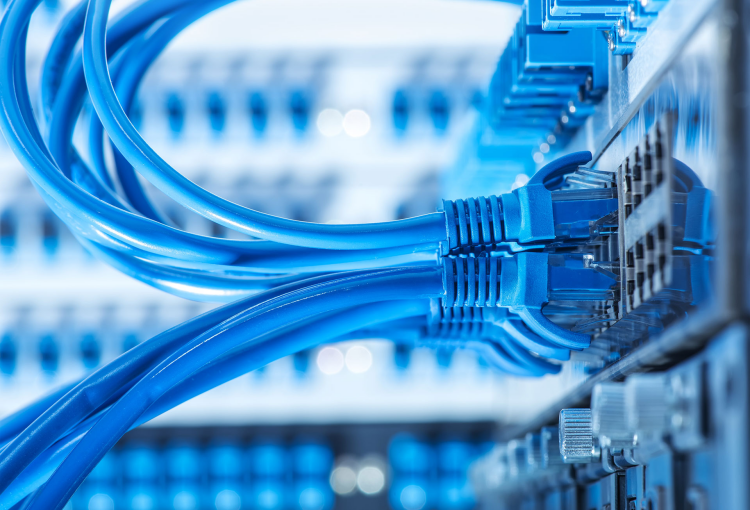
Ethernet cables are widely used in networking to connect devices such as computers, routers, and switches. They come in various categories, including Cat5e, Cat6, and Cat7, each offering different speeds and bandwidth capabilities. For instance, Cat6 cables can support speeds up to 10 Gbps over short distances, making them ideal for high-speed internet connections. The choice of Ethernet cable can significantly impact network performance, especially in environments where multiple devices are connected simultaneously.
USB Cables
Universal Serial Bus (USB) cables are essential for connecting peripherals like printers, external hard drives, and smartphones to computers. USB technology has evolved over the years, with USB-C being the latest standard, offering faster data transfer rates and the ability to deliver power to devices. The versatility of USB cables makes them indispensable in both personal and professional settings, as they facilitate quick and efficient data exchange between a wide range of devices.
Fiber Optic Cables
Fiber optic cables use light to transmit data, allowing for incredibly high speeds and long-distance communication. They are commonly used in telecommunications and internet infrastructure, providing the backbone for high-speed internet services. Fiber optic technology is crucial for modern data centers and cloud computing, where large volumes of data need to be transmitted quickly and reliably. The adoption of fiber optics is transforming how we access and share information, enabling innovations in various fields.
Coaxial Cables
Coaxial cables are primarily used for cable television and internet services. They consist of a central conductor surrounded by insulation and a metallic shield, which helps reduce interference. Coaxial cables are known for their durability and ability to transmit data over long distances without significant loss. Their robust design makes them suitable for both residential and commercial applications, ensuring consistent performance in delivering media content and internet connectivity.
The Importance of Cable Data
Cable data plays a vital role in our daily lives, enabling seamless communication and connectivity. Here are some key reasons why cable data is essential:
Enhanced Connectivity
With the increasing number of devices connected to the internet, reliable cable data is crucial for maintaining connectivity. High-quality cables ensure stable connections, reducing the likelihood of interruptions during data transfer. This reliability is particularly important in environments where consistent performance is required, such as in businesses that rely on real-time data access and communication.
Improved Performance
Using the right type of cable can significantly enhance the performance of devices. For example, using a Cat6 Ethernet cable instead of a Cat5e can improve internet speeds and reduce latency, which is particularly important for online gaming and streaming. The performance of cable data directly affects user experience, making it essential to choose cables that meet the demands of specific applications.
Future-Proofing Technology
As technology continues to evolve, investing in high-quality cable data can help future-proof your setup. For instance, adopting USB-C cables can prepare users for the next generation of devices that utilize this standard, ensuring compatibility and performance. Future-proofing is a strategic approach that allows users to adapt to technological advancements without needing to frequently replace their equipment.

Applications of Cable Data
Cable data is utilized in various applications across different sectors. Understanding these applications can help users make informed decisions about their connectivity needs.
Home Networking
In residential settings, cable data is essential for creating a robust home network. Ethernet cables connect devices to routers, enabling high-speed internet access for streaming, gaming, and remote work. Additionally, coaxial cables are used for cable television services, providing entertainment options for households. A well-designed home network can enhance the overall digital experience, allowing multiple users to connect and share resources seamlessly.
Business Environments
In business environments, cable data is critical for maintaining efficient operations. Companies rely on Ethernet cables for local area networks (LANs) to connect computers and servers, facilitating data sharing and communication. Fiber optic cables are often used in data centers to support high-speed data transfer and storage solutions. The integration of reliable cable data in business operations can lead to increased productivity and improved collaboration among teams.
Telecommunications
The telecommunications industry heavily relies on cable data for transmitting voice and data signals. Fiber optic cables are the backbone of modern telecommunications, enabling high-speed internet and telephone services. Coaxial cables are also used for cable television and broadband internet services. The evolution of cable data technology has transformed how we communicate, making it possible to connect with others across the globe instantly.
Industrial Applications
In industrial settings, cable data is used for automation and control systems. Data cables connect sensors, controllers, and machinery, allowing for real-time monitoring and data collection. This connectivity is essential for optimizing production processes and ensuring safety in industrial operations. The integration of cable data in industrial applications enhances operational efficiency and supports the implementation of smart manufacturing practices.
Choosing the Right Cable Data
Selecting the appropriate cable data for your needs can be challenging, given the variety of options available. Here are some factors to consider when choosing cables:
Speed and Bandwidth Requirements
Different applications require different speeds and bandwidths. For instance, if you are setting up a home network for gaming and streaming, investing in high-speed Ethernet cables like Cat6 or Cat7 is advisable. For general data transfer, USB 3.0 or USB-C cables may suffice. Understanding your specific requirements will help you select the right cables to ensure optimal performance.
Distance and Installation Environment
The distance between devices can impact the choice of cable. For long distances, fiber optic cables are preferable due to their ability to transmit data over greater lengths without loss. In contrast, Ethernet cables are suitable for shorter distances within a home or office. Additionally, consider the installation environment, as factors such as temperature, humidity, and potential interference can affect cable performance.
Compatibility
Ensure that the cables you choose are compatible with your devices. For example, if you have a newer smartphone that uses USB-C, investing in USB-C cables will be necessary for charging and data transfer. Compatibility is crucial for ensuring that your devices can communicate effectively and perform as intended.
Durability and Quality
High-quality cables are essential for reliable performance. Look for cables with robust construction and good shielding to minimize interference and ensure longevity. Investing in durable cables can save you money in the long run by reducing the need for frequent replacements and maintenance.
Future Trends in Cable Data
As technology continues to advance, several trends are shaping the future of cable data. Understanding these trends can help users stay ahead in their connectivity needs.
Increased Adoption of Fiber Optics
The demand for high-speed internet is driving the increased adoption of fiber optic cables. As more households and businesses seek faster internet connections, fiber optics will become the standard for data transmission. This shift is expected to enhance the overall quality of internet services, providing users with faster and more reliable connections.
Wireless Alternatives
While cable data remains essential, the rise of wireless technologies is changing the landscape. Wi-Fi 6 and future wireless standards promise faster speeds and improved connectivity, potentially reducing reliance on physical cables in some applications. However, cable data will continue to play a vital role in ensuring stable connections, especially in environments where high performance is critical.
Smart Home Integration
The growth of smart home devices is influencing cable data usage. As more devices connect to home networks, the need for reliable and high-speed cables will remain critical to ensure seamless communication between devices. Smart home technology relies on efficient data transfer to function effectively, making cable data an integral part of the smart home ecosystem.
Sustainability Considerations
As environmental concerns grow, the cable industry is exploring sustainable materials and manufacturing processes. This trend may lead to the development of eco-friendly cables that reduce environmental impact while maintaining performance. The push for sustainability is reshaping the cable data landscape, encouraging manufacturers to innovate and create products that align with eco-conscious values.
Conclusion
Cable data is a fundamental aspect of modern connectivity, enabling seamless communication and data transfer across various devices and applications. Understanding the different types of cables, their importance, and how to choose the right one can significantly enhance your technology experience. As we move forward, staying informed about trends in cable data will help users adapt to the ever-evolving digital landscape. By prioritizing quality and compatibility, individuals and businesses can ensure that their connectivity needs are met now and in the future.
How to purchase:https://looperbuy.com/search?keywords=cable+data
Frequently Asked Questions
1.What types of cables are best for home networking?
Ethernet cables, particularly Cat6 or Cat7, are ideal for home networking due to their high-speed capabilities and reliability.
2.How do fiber optic cables differ from traditional copper cables?
Fiber optic cables use light to transmit data, allowing for faster speeds and longer distances compared to traditional copper cables, which use electrical signals.
3.Can I use USB-C cables for charging and data transfer?
Yes, USB-C cables are versatile and can be used for both charging devices and transferring data at high speeds.
4.What should I consider when installing data cables?
Consider the distance between devices, the required speed and bandwidth, compatibility with your devices, and the durability of the cables.
5.Are there any trends in cable data technology?
Yes, trends include increased adoption of fiber optics, the rise of wireless alternatives, smart home integration, and sustainability considerations in cable manufacturing.