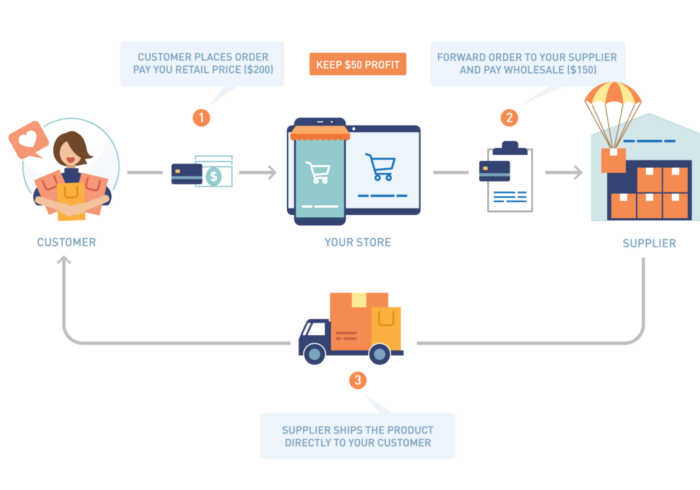
China’s online shopping websites have revolutionized global retail, offering consumers and businesses unparalleled access to affordable goods, cutting-edge technology, and innovative shopping experiences. From massive wholesale platforms to trend-driven consumer marketplaces, these websites cater to every imaginable need. However, navigating this vast ecosystem requires an understanding of its structure, benefits, and potential challenges. This article explores the key features of Chinese online shopping websites, strategies for maximizing value, and emerging trends shaping the future of e-commerce.
Table of Contents
The Evolution of Chinese Online Shopping Websites
From Local Markets to Global Dominance
China’s e-commerce boom began in the early 2000s with platforms that connected domestic manufacturers to local consumers. Today, these websites have expanded globally, leveraging advanced logistics, AI-driven personalization, and cross-border payment systems to serve international buyers.
Government Policies and Digital Infrastructure
Initiatives like the “Digital Silk Road” and investments in 5G networks have accelerated the growth of online shopping platforms. Government-backed logistics hubs and simplified customs procedures enable seamless international shipping, making Chinese goods accessible worldwide.
Key Categories of Chinese Online Shopping Websites
Business-to-Business (B2B) Platforms
· “Wholesale Marketplaces”: Designed for bulk buyers, these platforms connect businesses directly to factories, offering customizable products and negotiated pricing.
· “Supplier Verification”: Many B2B platforms provide third-party audits, certifications, and transaction histories to ensure supplier reliability.
Business-to-Consumer (B2C) Platforms
· “Global Retail Hubs”: These websites cater to individual shoppers, offering multilingual interfaces, localized return policies, and affordable shipping.
· “Flash Sales and Trend-Driven Curation”: Algorithms identify viral products, while limited-time discounts encourage impulse purchases.
Social Commerce and Livestream Shopping
Integrated with social media platforms, these websites use influencer-led livestreams to showcase products in real time. Interactive features like live chat and instant discounts create immersive shopping experiences.
Advantages of Shopping on Chinese Websites
Unbeatable Pricing
Direct access to manufacturers eliminates middlemen, reducing costs by 30–60%. Bulk buyers benefit further from tiered pricing models.
Diverse Product Range
From electronics and fashion to niche industrial components, Chinese platforms offer unmatched variety. Small-batch production capabilities allow customization for specialized markets.
Innovative Logistics Solutions
Partnerships with global couriers ensure fast, tracked delivery. Options like air cargo consolidation and bonded warehouses minimize shipping costs and customs delays.
Challenges and Risk Management Strategies
Language and Communication Barriers
· “Solution”: Use platforms with built-in translation tools or hire sourcing agents to negotiate with suppliers.
Quality Control and Counterfeit Risks
· “Solution”: Request product samples and certifications (e.g., CE, RoHS). Prioritize platforms with verified seller badges and anti-counterfeiting policies.
Hidden Costs and Customs Complexity
· “Solution”: Opt for Delivered Duty Paid (DDP) shipping and research local import regulations.
Emerging Trends in Chinese E-Commerce
AI and Big Data Personalization
Machine learning algorithms analyze browsing behavior to recommend products, predict demand, and optimize pricing. Virtual assistants handle customer inquiries, improving response times.
Sustainability Initiatives
Leading platforms now emphasize eco-friendly products, carbon-neutral shipping, and recycling programs. Some collaborate with NGOs to promote fair labor practices.
Blockchain for Supply Chain Transparency
Blockchain technology tracks products from factory to consumer, ensuring authenticity and ethical sourcing. Smart contracts automate payments and reduce fraud.
Cross-Border E-Commerce Zones
Government-established hubs streamline international transactions with tax incentives, faster customs clearance, and integrated logistics networks.
Conclusion
Chinese online shopping websites offer transformative opportunities for global buyers, combining affordability, innovation, and convenience. Success depends on selecting the right platforms, mitigating risks through due diligence, and embracing technological advancements. As sustainability and transparency become priorities, these websites are poised to redefine the future of global retail.
If you want to do purchasing directly without registering a Chinese entity, you can use looperbuy, a one-stop purchasing-logistics solution:https://looperbuy.com/
Related Questions & Answers
· How do I verify the reliability of a seller on Chinese websites?
Look for platforms with supplier certifications, customer reviews, and third-party inspection services. Start with small orders to test quality and responsiveness.
· What payment methods are safest for international transactions?
Use secure escrow services that release funds after order delivery. Avoid direct bank transfers or unregulated payment options.
· How can I avoid customs delays when ordering from China?
Choose DDP shipping, ensure accurate product descriptions on invoices, and confirm tariff codes with your local customs agency.
· Are there eco-friendly options on Chinese shopping websites?
Yes, many platforms now highlight sustainable products, recyclable packaging, and carbon-neutral shipping. Search for keywords like “green” or “eco-certified.”
· What should I do if I receive a defective product?
Document the issue with photos, contact the seller immediately, and escalate disputes through the platform’s customer protection program.