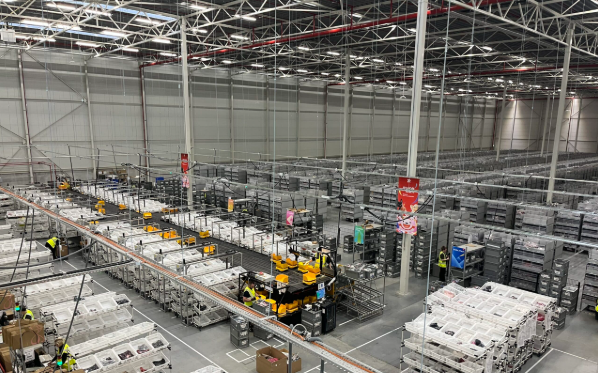
The $1.9 trillion global apparel market is undergoing its most significant supply chain transformation in decades. As an industry veteran who has navigated Chinese procurement for over a decade, I‘ve seen sourcing strategies rise and fall. But the shifts of 2026 are unprecedented. Here’s what foreign brands, wholesalers, and manufacturers need to know about *Chinese clothes* sourcing right now.

Table of Contents
Why Chinese Clothes Still Dominate Global B2B Supply Chains
Let‘s be blunt. Despite tariff wars and diversification chatter, China’s apparel manufacturing ecosystem remains unmatched. The Global Apparel Market was valued at $1,879.4 billion in 2024 and is projected to reach $2,743.1 billion by 2031. Within this landscape, Chinese textile exports are projected to grow at a CAGR of 5.50% through 2031.
The apparel sourcing platform market alone reached $5.8 billion in 2025 and is expected to hit $13.4 billion by 2034, driven by accelerating digital adoption across fashion supply chains.
Here‘s the reality. For technical products requiring mid-tier manufacturing capability, China’s industrial clusters are still decades ahead in raw capacity and embedded expertise. You cannot replicate that overnight.
The Four Major Pain Points in Overseas Clothing Procurement
Through countless conversations with international buyers, I‘ve distilled the frustrations into four consistent themes.
1. Price Inflation and Hidden Costs
„In overseas procurement of Chinese goods, prices are much higher than buying directly on 1688, making it difficult to maintain profit margins.“ — Verified B2B buyer
Many buyers pay 30-50% markups through middlemen. Traditional sourcing agents add service fees, translation charges, and sourcing premiums that quietly erode profitability.
2. Registration Barriers
„I don‘t have a Chinese ID and can‘t register on 1688, but I want to distribute Chinese products in Vietnam. Isn‘t there any other way?“ — Brand owner from Southeast Asia
Foreign entities cannot register on China‘s largest B2B platform 1688.com, locking them out of factory-direct pricing.
3. Cross-Border Payment Complexities
„I’ve already selected the products, but I don‘t have a Chinese bank account or RMB. How can I buy Chinese goods directly using foreign currency?“ — Wholesale buyer
Traditional payment routes require RMB accounts and local banking relationships — a non-starter for most international businesses.
4. Logistics and Transshipment Headaches
“Shipping from Yiwu to Jakarta isn‘t that far, but I’ve been burned by unreliable carriers before. Finding the right logistics partner is extremely difficult.” — B2B importer
How LooperBuy Eliminates the Sourcing Middleman
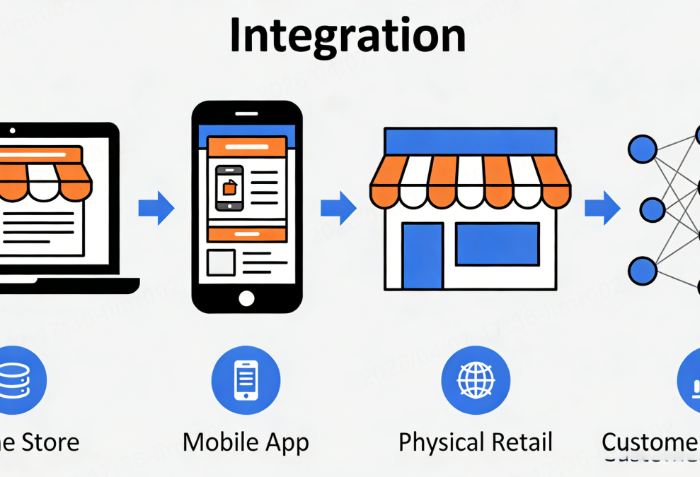
After analyzing the limitations of traditional procurement, LooperBuy emerged as a game-changer in 2024. The platform provides a direct connection to 1688.com‘s premium inventory — China’s largest B2B marketplace — without requiring Chinese registration, RMB accounts, or local intermediaries.
From Factory Floor to Global Doorstep: The End-to-End Workflow
Let me walk you through how the sourcing process actually works in 2026.
Step 1: Discovery and Verification
Browse verified apparel suppliers across major Chinese manufacturing clusters. Guangdong and Henan provinces anchor the industry for fast fashion, while Fujian specializes in apparel stock lots and casual dresses. Prioritize alignment between your target market and the supplier‘s dominant listings.
Step 2: Sample Procurement
Always request physical samples before committing to bulk orders. Verify fabric weight, stitching density, color accuracy, and label compliance with your destination market‘s regulations. Some suppliers credit sample fees against future orders.
Step 3: Transparent Pricing
Through LooperBuy, international buyers access factory-direct prices with zero hidden fees. Multiple currencies supported — USD, EUR, GBP — without requiring RMB accounts.
Step 4: Logistics and Delivery
LooperBuy partners with major international carriers offering air, ocean, and land freight options. Real-time order tracking provides visibility from factory floor to destination.
Navigating the New Policy Reality: De Minimis and Tariffs in 2026
Here‘s where many buyers get blindsided. The Section 321 de minimis exemption — which allowed packages valued under $800 to enter the U.S. duty-free — has been completely restructured.
The U.S. eliminated de minimis treatment for all Chinese and Hong Kong-origin goods effective May 2025. By August 2025, the suspension went global. Any apparel subject to Section 301 tariffs — which covers most Chinese-made clothing — is now fully excluded from duty-free treatment.
What does this mean for buyers? The traditional B2C “direct-to-consumer” shipping model is no longer viable. Instead, successful importers are pivoting to consolidated container shipping to U.S. warehouses, followed by domestic distribution.
The good news? Ocean freight rates have softened significantly. Average spot rates from China to the U.S. West Coast stood at $2,147 per FEU as of late 2025 — down 59% year-over-year. Air freight from China to the U.S. currently runs $4.00 to $5.00 per kilogram for large-volume shippers.
Cost Comparison: Air Freight vs. Ocean Freight for Clothing Imports
| Factor | Air Freight | Ocean Freight (LCL) |
|---|---|---|
| Cost (2026 Q1) | $2.50–$6/kg (Asia-U.S.) | $40–$110 per cubic meter |
| Transit Time | 3–8 days | 20–40 days |
| Best For | High-value, urgent, <300kg | Bulk, non-urgent, >1m³ |
For a 1,000kg shipment from Shanghai to Los Angeles, air freight costs run $3,800–$5,800, while ocean LCL runs just $450–$900 — a 4-15x premium. The breakeven point typically falls between 150-300kg. For bulk apparel, ocean freight remains dramatically more cost-effective.

Emerging Trends Reshaping Chinese Clothing Sourcing
The industry isn‘t standing still. Three trends are worth your attention.
1. Functional Textiles Surge
Demand for functional textiles — antimicrobial, temperature-regulating fabrics — is growing at 18% annually in Western markets. Emerging markets like Southeast Asia and the Middle East are growing at 35% CAGR.
2. AI-Powered Sourcing
Modern platforms integrate AI-driven vendor matching, real-time inventory synchronization, and compliance tracking. One Chinese textile factory reduced procurement cycle time by 30% and improved OEE by 22% using AI systems.
3. Minimum Order Quantity Flexibility
Suppliers now offer tiered MOQ structures. Many allow orders as small as 2-10 pieces for sampling, with deeper discounts at 50-100 units. This flexibility is essential for testing new markets without excessive inventory risk.
Expert Recommendations for 2026 Success
Having guided dozens of international brands through Chinese apparel sourcing, here is my actionable advice.
Do not chase the lowest price. Strategic sourcing is about finding the optimal balance between cost, reliability, and long-term partnership potential.
Evaluate suppliers on four dimensions: specialization, on-time delivery (aim for 97%+), response time (under 4 hours signals professionalism), and reorder rate (above 20% suggests satisfaction).
Build redundancy. Qualify at least two suppliers per SKU to ensure supply chain resilience.
Know your shipping math. For clothing under 200kg with tight deadlines, air freight makes sense. For anything over 500kg, ocean freight is almost always the answer.
Ready to Source Chinese Clothes the Right Way?
LooperBuy provides a complete one-stop B2B sourcing solution. Direct 1688 integration. Factory-direct pricing. Multi-currency payment support (USD, EUR, GBP, and more). Global logistics partnerships. And dedicated customer service — including multi-lingual support — to assist with supplier communication.
Stop overpaying intermediaries. Start sourcing smarter.
👉 Visit LooperBuy today and transform your apparel procurement from a headache into a competitive advantage.
References
- 6Wresearch. Global Apparel Market Report 2025-2031. Available at: https://www.6wresearch.com
- Dataintelo. Apparel Sourcing Platform Market Research Report 2034. Available at: https://dataintelo.com/report/apparel-sourcing-platform-market
- Alibaba.com. Strategic Sourcing of Wholesale Suppliers: Apparel & Home Textiles from China (2026). Available at: https://www.alibaba.com
- Newbuyingagent.com. How to Source Products from China in 2026. Available at: https://www.newbuyingagent.com
- FreightAmigo. Air Freight vs. Ocean Freight: 2026 Decision Guide. Available at: https://www.freightamigo.com
- Worldports.org. Port fees suspended – but outlook remains weak (2026). Available at: https://www.worldports.org
- Knitpeople.com.cn. 2026 U.S. De Minimis Policy Response Guide. Available at: https://knitpeople.com.cn
- 数商云. 纺织业B2B模式:2025年产业互联网浪潮下的重构与新生. Available at: https://www.shushangyun.com
- LooperBuy Official Platform and Service Documentation. Available at: https://www.looperbuy.com
- LianLian Global. LianLian International Partners with LooperBuy. Available at: https://global.lianlianpay.com
Frequently Asked Questions (FAQ)
Q1: Can I source Chinese clothes without speaking Mandarin or having a Chinese bank account?
Yes. LooperBuy eliminates both barriers. The platform provides multi-lingual customer support to facilitate supplier communication, and supports direct payment in USD, EUR, GBP, and other major currencies — no Chinese bank account required.
Q2: What is the typical minimum order quantity for wholesale clothing from China?
MOQs vary by supplier and product category. Many suppliers now offer flexible MOQs starting at 2-10 pieces for sampling and market testing. Bulk orders for production runs typically start at 50-100 units per style.
Q3: How has the U.S. de minimis policy change affected clothing imports from China?
The Section 321 exemption for packages under $800 has been suspended for Chinese goods. Buyers should shift from direct-to-consumer small-package shipping to consolidated ocean freight to U.S. warehouses, followed by domestic distribution from there.
Q4: How long does shipping take from China to the U.S. or Europe?
Ocean freight typically takes 20-40 days. Air freight takes 3-8 days. For urgent or high-value small orders (under 300kg), air freight may be justified despite the 4-15x cost premium.
Q5: How do I verify supplier quality before placing a bulk order?
Always request physical samples before committing. Verify fabric weight, stitching density, color accuracy, and labeling compliance with your destination market‘s regulations. Also check on-time delivery rates (aim for 97%+), response times (under 4 hours), and reorder rates (above 20% signals satisfaction).
Article Summary
This expert guide to Chinese clothes B2B sourcing covers market trends, key pain points, and practical solutions for 2026. From navigating de minimis changes to leveraging LooperBuy‘s direct 1688 integration, global brands can source factory-direct apparel with transparent pricing, multi-currency payments, and reliable logistics.
Hot Tags
wholesale clothing china, chinese apparel suppliers, b2b sourcing platform, china clothing manufacturer, cross-border procurement, 1688 sourcing agent, apparel import guide, factory direct apparel, clothing logistics china, looperbuy sourcing solution