Discover the best Shein alternatives for fashion dropshipping in the U.S. Compare sourcing platforms, learn how to evaluate suppliers, reduce apparel returns, calculate landed costs, improve delivery reliability, and build a diversified fashion store with Looperbuy.
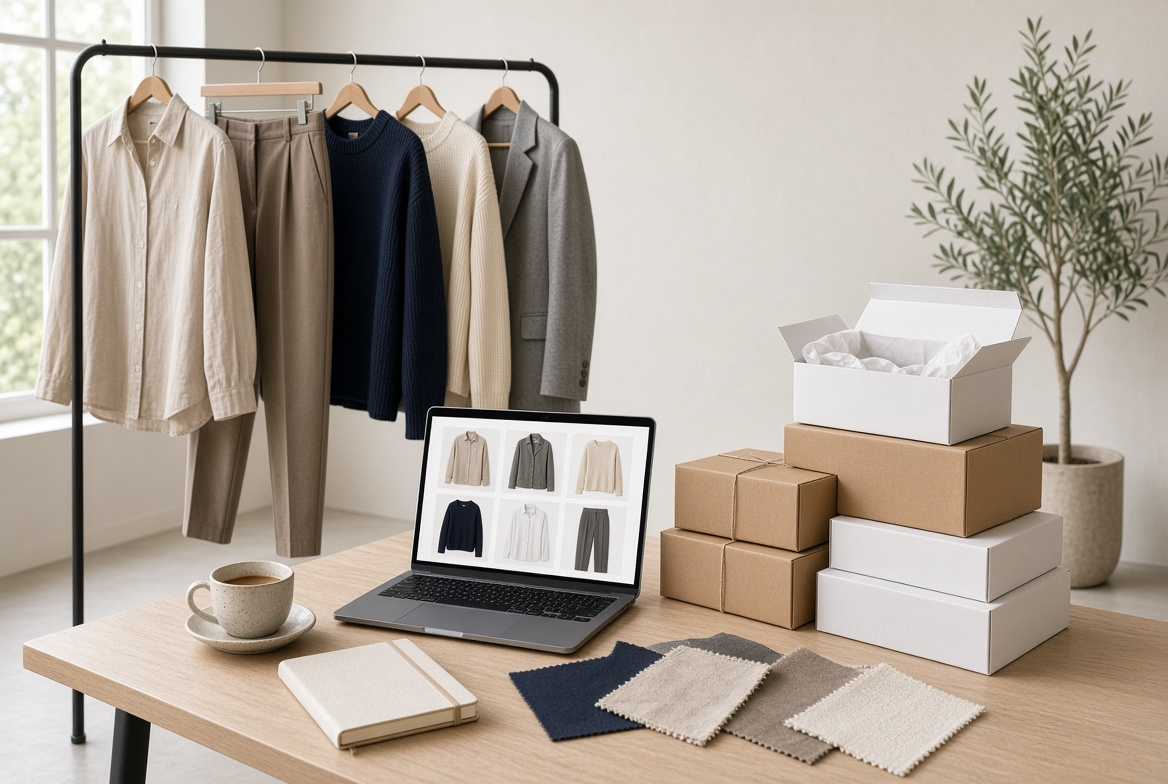
For U.S.-focused fashion sellers, the best Shein alternatives are not simply websites with cheap clothing. The stronger choice is a diversified sourcing system that balances trend speed, product differentiation, quality control, accurate inventory, and dependable delivery.
Fashion dropshipping can still be an attractive model because it reduces the need to purchase large quantities upfront. But low entry barriers also create crowded product catalogs, inconsistent sizing, delayed orders, and customer-service pressure. The sellers who last do not copy a single fast-fashion marketplace. They build a sourcing mix that helps them test quickly, protect margins, and give shoppers a better reason to buy from them.
Table of Contents
Why Fashion Sellers Need Alternatives to Shein
Shein has influenced how online shoppers expect fashion to look: frequent new arrivals, low prices, social-media-driven designs, and a seemingly endless product selection. That makes it useful as a trend reference point. However, building an entire store around a single retail-oriented source creates operational limitations.
A reseller may encounter out-of-stock items, rapidly changing listings, unclear wholesale availability, inconsistent item specifications, and delivery expectations that do not match what the store promised customers. Most importantly, when many stores sell the same products with the same images, it becomes difficult to build a memorable brand.
The U.S. e-commerce market remains substantial and competitive. U.S. retail e-commerce sales reached an adjusted $340.2 billion in the second quarter of 2026, up 3.8% from the previous quarter, according to the U.S. Census Bureau. That scale creates opportunity, but it also means buyers can compare products, delivery promises, and prices in seconds.
A more resilient approach is to use multiple supplier types:
– China-based product sourcing partners for variety, lower product costs, testing, consolidation, and customized handling.
– Domestic or regional suppliers for selected fast-delivery items.
– Manufacturer-direct suppliers for better unit economics and packaging flexibility.
– Curated or niche suppliers for vintage, plus-size, modest fashion, premium apparel, or other differentiated categories.
– Authorized brand distributors where authentic branded inventory and resale rights are verified.
For Looperbuy users, this model is especially relevant. Rather than tying a store to one marketplace catalog, merchants can source from Chinese suppliers, compare options, request product checks, consolidate orders, and arrange fulfillment without holding large amounts of inventory themselves.
Top Shein Alternatives for Dropshipping Fashion
The following platforms and sourcing channels can serve different store strategies. Before adding any item to your catalog, verify the supplier’s resale permissions, product availability, fulfillment capabilities, shipping method, and quality standards.
| Alternative | Best for | Core Advantage | Main Watch-Out |
| AliExpress | Product testing and broad category discovery | Flexible order quantities and a vast product range | Product quality and delivery performance vary by seller |
| Alibaba | Wholesale and manufacturer relationships | Factory-level pricing, customization, and private-label potential | Often better for scaling than one-off retail orders |
| FashionTIY | Affordable wholesale fashion | Fashion-oriented assortment and lower-cost sourcing | Confirm stock, sizes, materials, and order-handling terms |
| Tasha Apparel | U.S.-market women’s apparel | Domestic inventory can support faster delivery | Catalog and niche coverage may be narrower |
| ASOS Marketplace | Vintage and independent styles | Distinctive products and more editorial brand positioning | Not every seller or product supports a dropshipping workflow |
| BrandsGateway | Premium and luxury positioning | Higher average order value and designer-oriented catalog | Authorization, authenticity, and policy compliance are essential |
| Looperbuy | China sourcing and order fulfillment support | Supplier comparison, purchasing support, quality checks, consolidation, and shipping coordination | Sellers must still validate products before scaling |
AliExpress: Best for Testing Product Demand
AliExpress is often the first stop for newer fashion dropshippers because it offers a broad selection of clothing, accessories, shoes, bags, and seasonal products. It can be useful for validating whether a silhouette, colorway, or micro-trend receives clicks and conversions before a merchant commits more capital.
Its strength is flexibility. You can test a small group of products across categories such as Y2K-inspired accessories, resortwear, athleisure, modest dresses, or pet-and-owner matching apparel. The weakness is inconsistency: two listings that look similar can have very different fabric quality, production standards, packaging, and dispatch speed.
Use AliExpress as a testing channel, not as an automatic long-term sourcing strategy. Once a product gains traction, identify the original supplier or a better factory-level alternative, then establish clearer product specifications and fulfillment processes.
Alibaba: Best for Scaling and Customization
Alibaba is generally more appropriate when a seller has already identified a product category with consistent demand. It is designed around supplier discovery, manufacturer communication, wholesale orders, and product customization.
For example, a store that sees repeat demand for ribbed two-piece lounge sets may move from generic listings to a manufacturer that can provide:
– Custom size labels and care labels.
– Branded polybags or shipping inserts.
– Controlled color selections.
– Better pricing at higher order volumes.
– Fabric specifications and production samples.
– A stable replenishment plan for proven styles.
Alibaba does not remove risk. It shifts the merchant’s work from “finding a listing” to “managing a supplier relationship.” That can be a major advantage once a store has reliable sales data.
FashionTIY: Best for Budget Fashion Assortments
FashionTIY is positioned around affordable wholesale products, including fashion apparel, accessories, and other retail-friendly categories. It may appeal to stores targeting price-sensitive shoppers or sellers who want to create a wider catalog without initially ordering a large inventory commitment.
Its potential value is supplier access beyond a single retail marketplace. Yet lower-cost sourcing should never be treated as proof of profitability. A low item price can be erased by poor conversion rates, high return rates, size complaints, weak packaging, or expensive tracked shipping.
Before scaling, check:
1. Fabric composition and garment measurements.
2. Real product photos or a physical sample.
3. Current stock level and restock timing.
4. Packing method and package dimensions.
5. Shipping cost to your primary customer market.
6. Whether the supplier can support blind dropshipping or branded inserts.
Tasha Apparel: Best for Faster U.S. Delivery
Tasha Apparel is a Los Angeles-based fashion wholesaler that can be relevant for merchants focused on women’s apparel and speed-sensitive U.S. customers. A domestic supplier may help reduce delivery uncertainty, particularly for trend-driven pieces tied to holidays, festivals, or short seasonal windows.
A U.S.-warehouse strategy works well when delivery speed is central to your offer. For instance, a boutique-style store selling last-minute vacation outfits may gain more from a narrower, faster catalog than from thousands of overseas items with uncertain arrival windows.
However, domestic sourcing is not automatically better. Product cost can be higher, selection can be narrower, and inventory can still change quickly. Treat it as one layer of your supplier portfolio, especially for bestsellers and high-urgency campaigns.
ASOS Marketplace: Best for Distinctive Style Positioning
ASOS Marketplace is more relevant to sellers looking for independent labels, vintage fashion, and less mass-market inventory. Its value is differentiation. When every competitor sells identical viral products, a curated selection of vintage denim, independent accessories, or inclusive fashion can give customers a more distinctive reason to return.
This approach requires a different merchandising mindset. Instead of competing only on price, sellers compete on taste, styling, collection logic, and storytelling. Product pages should explain fit, fabric, styling options, and who the piece is for.
Be careful to confirm the seller’s policies before assuming a product can be used in a dropshipping workflow. Unique inventory can be limited, so stock synchronization and honest availability messaging are essential.
BrandsGateway: Best for Premium Fashion Stores
BrandsGateway is oriented toward designer and luxury fashion dropshipping. It may suit merchants building a premium storefront rather than a low-price fast-fashion catalog. The potential benefit is higher average order value, but the risks are also higher: customer expectations, authenticity requirements, return policies, and brand authorization all matter.
Never list branded goods unless you understand your sourcing rights and can substantiate authenticity. In premium fashion, a single fulfillment or authenticity dispute can seriously damage a store’s reputation and payment-processing stability.
The Better Model: Build a Multi-Supplier Fashion Catalog
A reliable fashion dropshipping business is not built by uploading hundreds of products. It is built by deliberately selecting a manageable set of products that meet commercial and operational standards.
A practical portfolio might look like this:
| Product Group | Sourcing Approach | Purpose |
| Trend-testing items | China-based suppliers or marketplace listings | Test interest with limited risk |
| Proven bestsellers | Direct supplier or sourcing agent | Improve cost, stock visibility, and consistency |
| Fast-delivery essentials | U.S. or regional warehouse supplier | Serve customers who prioritize speed |
| Differentiated niche products | Curated independent or specialist suppliers | Reduce direct price competition |
| Branded or premium inventory | Authorized distributor | Raise perceived value and order value |
This system is more durable than relying on one supplier because it distributes risk. If an item goes out of stock, a shipment route slows down, or a supplier changes a listing, your store still has other products and sourcing options.
How to Evaluate a Fashion Supplier Before You List
Product images and low prices are not enough. In fashion, the customer’s real experience depends on fabric feel, fit, sizing accuracy, construction, package condition, delivery reliability, and how your business handles problems.
1. Order Samples Before You Advertise
A sample is one of the lowest-cost forms of risk control. It allows you to check the product the way a customer would.
Assess the sample for:
– Fabric weight, stretch, opacity, and hand feel.
– Stitching, hems, zippers, buttons, and loose threads.
– Accuracy of color compared with listing images.
– Garment measurements compared with the size chart.
– Fit on an appropriate model or wearer.
– Odor, labeling, care instructions, and packaging.
– Actual dispatch and transit time to your market.
Shopify’s sourcing guidance similarly recommends requesting samples or prototypes before making a larger commitment and providing detailed specifications when doing so.
For clothing, one bad size chart can create more customer-service work than dozens of successful orders. Use your own sample results to improve product pages. If a dress runs small, say so clearly. If a fabric is sheer, show it. Transparency usually reduces avoidable returns.
2. Check Inventory and Variant Reliability
Fashion inventory is volatile. A best-selling color can disappear without warning, while a supplier may retain the listing but no longer have every size available.
Create a simple inventory rule:
– Do not advertise items with low or unverified stock.
– Pause variants that become unavailable.
– Review stock before launching paid campaigns.
– Maintain backup supplier options for top sellers.
– Avoid spending heavily on ads until the supplier has fulfilled initial orders reliably.
If Looperbuy is managing procurement and fulfillment support, provide the exact item link, color, size, quantity, and any packaging requirements. Clear specifications reduce errors during purchasing and warehouse handling.
3. Calculate Landed Cost, Not Product Cost
A $7 dress is not necessarily a $7 product. Your actual decision should be based on landed cost, which includes every cost needed to deliver the product to the customer.
Landed Cost=Product Cost+Domestic Supplier Fees+Inspection+Packaging+Shipping+Transaction Costs
Then account for advertising, refunds, chargebacks, and customer support. A basic contribution calculation is:
Contribution Margin=Selling Price−Landed Cost−Marketing Cost−Variable Service Costs
For example, a $12 blouse with $8 shipping may look affordable until you add payment fees, paid-ad costs, and likely returns. A higher-cost product with better perceived quality and fewer complaints may be more profitable.
Shipping Promises Are Part of Your Brand
Many fashion sellers focus on product discovery and neglect delivery communication. That is a mistake. Customers often forgive a reasonable delivery window if it is clearly stated, tracked, and met. They are far less forgiving when a store promises “fast shipping” without evidence.
In the United States, online sellers must have a reasonable basis for shipping representations. If no shipment time is stated, sellers generally must have a reasonable basis to believe they can ship within 30 days. When a seller cannot meet the applicable time, it must seek the buyer’s consent to a delay or promptly refund the unshipped merchandise.
This means your product pages should avoid vague or overly optimistic claims. Build a shipping policy around what you can consistently deliver.
A more credible delivery framework
– State a processing window separately from transit time.
– Explain whether tracking is available.
– Identify any regions with longer delivery times.
– Send proactive updates when an order is delayed.
– Use plain language for returns and exchanges.
– Do not claim domestic shipping if the product is shipped from overseas.
– Keep your customer-service team informed of supplier stock and logistics updates.
Product Niches That Can Differentiate a Store
Competing head-to-head with the largest fast-fashion sellers is rarely the best use of a smaller merchant’s budget. A clearer niche makes product selection, advertising, content creation, and customer targeting more focused.
Consider niches where shoppers value specialization:
– Extended-size and fit-focused fashion.
– Modest fashion and layering essentials.
– Resortwear, swimwear, and vacation collections.
– Festival, nightlife, or event-specific outfits.
– Comfortable workwear and elevated basics.
– Maternity and postpartum-friendly clothing.
– Adaptive clothing or easy-wear designs.
– Coordinated family, pet-owner, or couples’ apparel.
– Sustainable-material or lower-waste product lines, where claims can be substantiated.
– Accessories that complement a narrower apparel assortment.
Consumer value sensitivity remains important in fashion. McKinsey reported that 70% of surveyed consumers planned to spend less, while 80% exhibited value-seeking behaviors such as waiting for sales or comparing options. For sellers, “value” does not always mean the cheapest price. It can mean better fit information, useful bundles, faster delivery, clearer returns, or a product that feels less generic.
A 30-Day Launch Plan for Fashion Sellers
Week 1: Choose a narrow commercial angle
Pick one customer group and one primary occasion. “Women’s fashion” is too broad. “Vacation-ready co-ord sets for U.S. women aged 25–40” is more actionable.
Research competing stores, price ranges, customer complaints, delivery terms, and product gaps. Build a shortlist of 20 to 30 potential products, not 300.
Week 2: Source and sample the shortlist
Use a mix of China supplier discovery, sourcing assistance, and domestic supplier research. Request samples of the best candidates. If you use Looperbuy, submit clear purchasing links and ask for product confirmation, photos, or quality-check support where available.
Document each sample’s product cost, shipping cost, delivery time, fabric quality, and sizing accuracy in a comparison sheet.
Week 3: Build a curated collection
Launch only products that pass your sample and margin checks. Write original product descriptions. Add your own fit notes, garment measurements, care guidance, and realistic delivery expectations.
Create bundles such as “vacation set + beach bag” or “workwear capsule: blazer + trousers + top.” Bundles can improve perceived value without requiring a discount on every item.
Week 4: Test, measure, and improve
Run modest-budget campaigns and analyze:
– Product-page views.
– Add-to-cart rate.
– Checkout completion rate.
– Cost per purchase.
– Return and complaint reasons.
– On-time delivery rate.
– Repeat-purchase signals.
Do not scale simply because a product gets clicks. Scale when it combines demand, acceptable margins, dependable supply, and a customer experience you can confidently support.
FAQ
1. Is Shein suitable for fashion dropshipping?
Shein can be useful for monitoring fashion trends and understanding price expectations, but it is not always ideal as the sole source for a dropshipping business. Sellers need to confirm product availability, resale terms, delivery reliability, and the ability to provide accurate customer-service support before listing any item.
2. What is the best Shein alternative for beginners?
AliExpress can be useful for beginners who want to test small product selections across multiple fashion categories. However, beginners should order samples, check supplier reviews, calculate full landed costs, and avoid relying on listing images alone.
3. How can I reduce clothing returns in dropshipping?
Use real sample-based fit notes, accurate measurements, fabric details, multiple product photos, and clear washing guidance. Explain whether an item runs small, has stretch, is cropped, or is sheer. Better product information helps customers choose more confidently.
4. Can I source fashion products from China without holding inventory?
Yes. A sourcing and fulfillment partner can help merchants purchase products from China, inspect or consolidate orders, and arrange shipment after customer orders are placed. This model can reduce inventory exposure, but sellers still need to manage product quality, delivery expectations, returns, and customer communication.
5. How many suppliers should a fashion dropshipping store use?
There is no fixed number. A practical starting point is two to five dependable supplier relationships across different needs: testing, proven bestsellers, faster-delivery items, and differentiated products. The goal is not complexity; it is reducing dependence on one unstable source.
6. Should I sell luxury fashion through dropshipping?
Only if you can verify authenticity, sourcing rights, and the supplier’s fulfillment process. Premium customers expect accurate product information, secure packaging, responsive service, and reliable returns. Never make authenticity claims you cannot support.
7. How should I communicate shipping times to U.S. customers?
State a realistic processing time and transit range separately. Do not use “fast shipping” unless your data supports it. If an order is delayed, notify the customer quickly, provide the revised timeline, and give clear cancellation or refund options where required.
Build a More Reliable Fashion Store
The best Shein alternatives are the ones that support your store’s actual promise to customers: relevant products, dependable fulfillment, useful product information, and a reason to choose you over a marketplace listing.
Start with a focused niche. Test products before promoting them heavily. Build a supplier mix instead of depending on one catalog. Then use a sourcing and fulfillment partner such as Looperbuy to help streamline product purchasing, supplier coordination, order consolidation, quality checks, and cross-border shipping from China.
Ready to test fashion products without committing to large inventory? Start sourcing with Looperbuy, compare supplier options, and build a catalog based on products you can confidently deliver.
References
1. Doba. “[Top Shein Alternatives for Dropshipping Fashion in the U.S.].”
2. U.S. Census Bureau. “[Quarterly Retail E-Commerce Sales Report].”
3. Federal Trade Commission. “[Mail, Internet, or Telephone Order Merchandise Rule].”
4. Federal Trade Commission. “[Business Guide to the FTC’s Mail, Internet, or Telephone Order Merchandise Rule].”
5. Shopify. “[Product Sourcing Guide: How to Get Started].”
6. McKinsey & Company. “[What to Expect in the Global Fashion Industry in 2026].”