Table of Contents
Introduction
Asian braided plastic shopping bags, often characterized by their vibrant colors and distinctive patterns, have become iconic symbols in various Asian cultures. These bags, particularly popular in markets and urban settings, serve not only as practical items for carrying goods but also as cultural artifacts that reflect the values, traditions, and social dynamics of the communities that use them. This article delves into the cultural significance of these bags, exploring their history, symbolism, and the role they play in contemporary society. By examining their multifaceted nature, we can appreciate how these seemingly simple items encapsulate complex cultural narratives.
Historical Context
Origins of Braided Plastic Bags
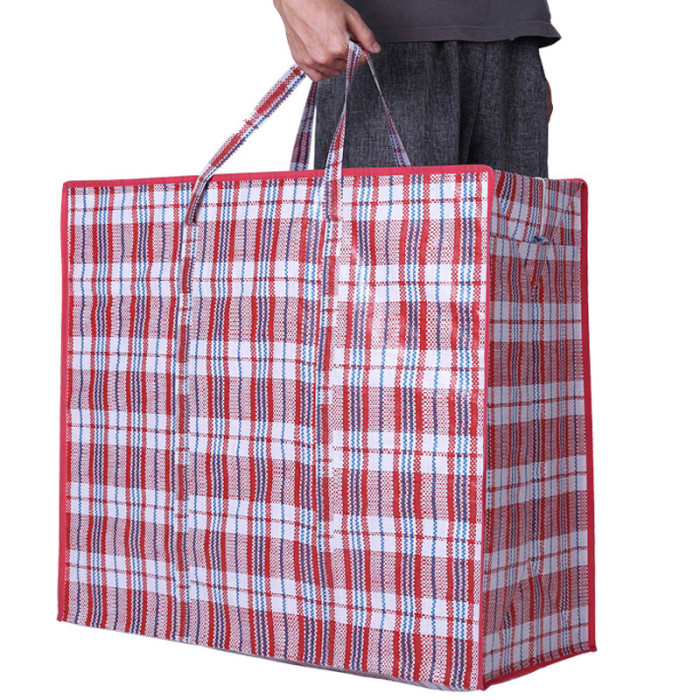
The braided plastic shopping bag, often referred to as the “red-white-blue bag,” originated in Hong Kong during the 1960s. Initially designed for practicality, these bags quickly became a staple in everyday life. Their lightweight yet durable nature made them ideal for carrying groceries, personal items, and even as luggage for travelers. Over the decades, these bags have evolved in design and usage, becoming a canvas for cultural expression. The initial purpose of these bags was to provide a cost-effective solution for shoppers, but they soon transformed into a cultural phenomenon, representing the ingenuity and adaptability of local artisans.
Evolution Over Time
As urbanization increased in Asia, so did the popularity of these bags. They became synonymous with the bustling markets of cities like Hong Kong, Taipei, and Bangkok. The bags’ designs often reflect local aesthetics, incorporating traditional motifs and colors that resonate with cultural significance. For instance, red is a color associated with good fortune in many Asian cultures, making these bags not just functional but also auspicious. The evolution of these bags mirrors the rapid changes in urban life, where traditional values meet modern consumerism, creating a unique blend of old and new.
Cultural Significance
Symbol of Thrift and Resourcefulness
In many Asian communities, the use of braided plastic bags is deeply intertwined with the values of thrift and resourcefulness. These bags are often reused multiple times, reflecting a cultural ethos that values sustainability and frugality. The act of reusing bags is not merely a practical choice but a cultural statement that emphasizes the importance of minimizing waste and maximizing utility. This practice is particularly relevant in a world increasingly concerned with environmental issues, where the reuse of plastic bags can be seen as a proactive step towards sustainability. The cultural significance of these bags extends beyond their physical form; they embody a lifestyle that prioritizes resourcefulness and respect for the environment.
Community and Identity
Braided plastic bags also serve as a means of community identity. In urban areas, these bags are often seen as a unifying symbol among residents. They are commonly used in markets, where vendors and customers alike carry their goods in these bags, fostering a sense of belonging and shared experience. The bags can also signify cultural pride, as individuals choose designs that reflect their heritage and identity. This communal aspect is particularly evident during festivals and local events, where the vibrant colors and patterns of the bags contribute to the festive atmosphere, reinforcing social bonds and cultural connections.
Fashion and Modern Trends
In recent years, the aesthetic appeal of braided plastic bags has caught the attention of fashion designers and influencers. These bags have transcended their utilitarian roots to become trendy fashion accessories. Designers have incorporated them into high-fashion collections, showcasing their versatility and cultural significance. This trend highlights a growing appreciation for traditional items in contemporary fashion, bridging the gap between past and present. The transformation of these bags into fashion statements not only elevates their status but also encourages a dialogue about cultural heritage and modernity, prompting consumers to consider the stories behind the items they choose to wear.
Environmental Considerations
Sustainability and Reusability
As the world grapples with the environmental impact of plastic waste, the reusability of braided plastic bags presents a sustainable alternative to single-use plastic bags. Many Asian communities have embraced this aspect, promoting the use of these bags as eco-friendly options. The cultural practice of reusing bags aligns with global movements towards sustainability, making these bags not only culturally significant but also environmentally relevant. This shift towards sustainability is crucial in addressing the growing concerns about plastic pollution, as communities seek to balance convenience with ecological responsibility.
Challenges and Criticism
Despite their positive attributes, braided plastic bags face criticism regarding their environmental impact. The production and disposal of plastic bags contribute to pollution and waste. As awareness of environmental issues grows, some communities are reevaluating their reliance on plastic bags, leading to discussions about alternatives and the future of these cultural symbols. This critical perspective encourages a broader conversation about consumer habits and the need for innovative solutions that honor cultural traditions while addressing environmental challenges. The ongoing dialogue surrounding these bags reflects a society in transition, grappling with the complexities of modern life and the legacies of the past.
Conclusion
Asian braided plastic shopping bags are more than just practical items; they are rich in cultural significance, reflecting the values, traditions, and identities of the communities that use them. From their historical origins to their modern-day relevance, these bags embody a unique blend of functionality and cultural expression. As society continues to evolve, the future of these bags will likely be shaped by ongoing discussions about sustainability, identity, and the role of tradition in contemporary life. By recognizing the cultural narratives embedded in these bags, we can appreciate their role as symbols of resilience, creativity, and community.
How to purchase:https://looperbuy.com/search?keywords=asian+briaded+plastic+shopping+bags
Questions and Answers
1. What is the historical origin of braided plastic shopping bags?
– Braided plastic shopping bags originated in Hong Kong during the 1960s, designed for practicality and quickly becoming a staple in everyday life.
2. What cultural values do these bags represent?
– These bags symbolize thrift, resourcefulness, and community identity, reflecting the cultural ethos of minimizing waste and maximizing utility.
3. How have braided plastic bags evolved in modern fashion?
– In recent years, these bags have gained popularity as fashion accessories, with designers incorporating them into high-fashion collections, showcasing their cultural significance.
4. What are the environmental implications of using these bags?
– While braided plastic bags are reusable and promote sustainability, they also face criticism for their environmental impact, leading to discussions about alternatives.
5. How do these bags foster a sense of community?
– Braided plastic bags are commonly used in markets, creating a shared experience among vendors and customers, thus fostering a sense of belonging and community identity.