Children’s plush toys have been cherished companions for generations, providing comfort, joy, and a sense of security to kids around the world. But what is it about these soft, cuddly creations that makes them so beloved? In this article, we will explore the various aspects of children’s plush toys, including their history, benefits, types, and tips for choosing the perfect one for your child.
Table of Contents
The History of Plush Toys
Origins of Plush Toys
The history of plush toys dates back to the late 19th century. The first stuffed animals were created in Germany, where artisans began crafting soft toys from fabric and stuffing them with materials like straw or sawdust. These early toys were often designed to resemble animals, and they quickly gained popularity among children and parents alike. The craftsmanship involved in creating these toys was meticulous, with attention to detail that made each piece unique. As industrialization progressed, mass production techniques allowed for a wider variety of plush toys to be made, making them accessible to a broader audience.
The Rise of Teddy Bears
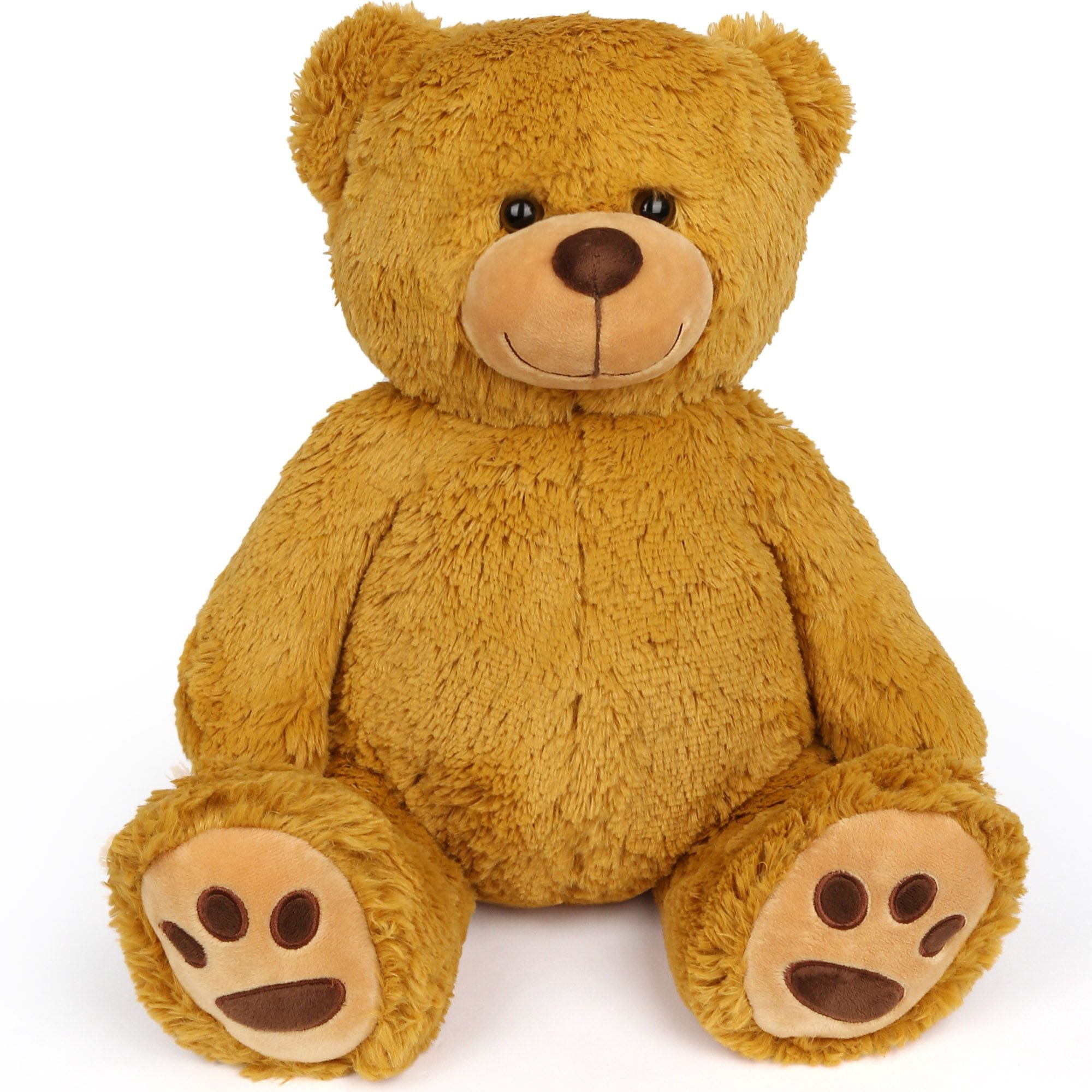
The teddy bear, one of the most iconic plush toys, was introduced in the early 20th century. Named after President Theodore Roosevelt, the teddy bear became a symbol of childhood innocence and comfort. Its popularity soared, leading to the creation of various styles and designs, making it a staple in children’s toy collections. The teddy bear’s design has evolved over the years, with different materials and styles reflecting changing tastes and trends. Today, teddy bears come in countless shapes, sizes, and colors, often adorned with clothing or accessories that reflect contemporary culture.
The Benefits of Plush Toys
Emotional Support
One of the primary reasons children are drawn to plush toys is the emotional support they provide. These toys often serve as a source of comfort during times of stress or anxiety. Children may hug their plush toys when feeling scared or lonely, finding solace in their soft, warm presence. This bond can be particularly important during transitional periods, such as starting school or moving to a new home, where familiar toys can help ease feelings of uncertainty and fear.
Encouraging Imagination
Plush toys also play a significant role in fostering creativity and imagination. Children often engage in imaginative play with their stuffed animals, creating stories and scenarios that enhance their cognitive development. This type of play encourages problem-solving skills and social interaction, as children often involve their toys in group play. Through role-playing, children can explore different perspectives and practice social skills, such as sharing and cooperation, which are essential for their development.
Teaching Responsibility
Caring for a plush toy can teach children valuable lessons about responsibility. When a child takes care of their stuffed animal, they learn about nurturing and empathy. This can be particularly beneficial for children who are preparing to become older siblings or who are learning to care for pets. By taking on the role of a caregiver, children can develop a sense of pride and accomplishment, which can boost their self-esteem and confidence.
Types of Children’s Plush Toys
Classic Stuffed Animals
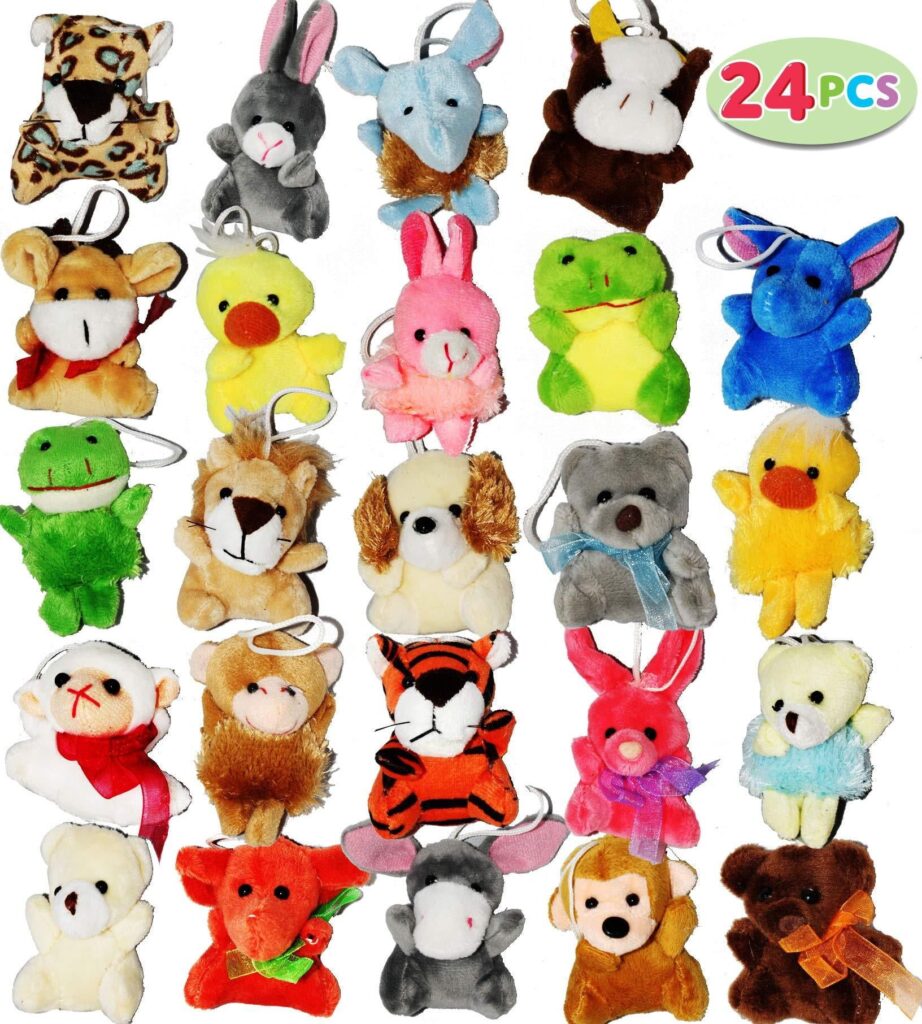
Classic stuffed animals, such as teddy bears, bunnies, and dogs, remain popular choices for children of all ages. These toys come in various sizes, colors, and styles, allowing children to choose their favorite companions. Classic plush toys often have a timeless appeal, making them perfect gifts for birthdays and holidays. Many families pass down these toys through generations, creating cherished memories and traditions that last a lifetime.
Character Plush Toys
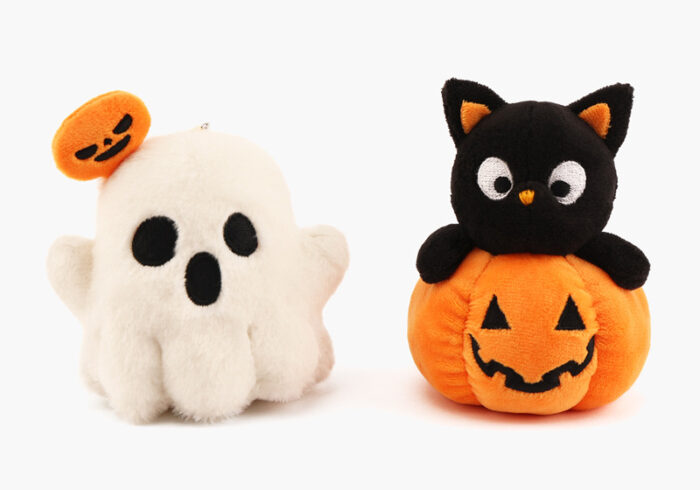
Character plush toys are based on popular children’s characters from movies, television shows, and books. These toys allow children to connect with their favorite characters in a tangible way. From Disney princesses to superheroes, character plush toys can enhance a child’s play experience by bringing their beloved stories to life. This connection can also encourage children to engage with the narratives of their favorite shows or books, fostering a love for storytelling and creativity.
Interactive Plush Toys
In recent years, interactive plush toys have gained popularity. These toys often feature sounds, movements, or even the ability to respond to a child’s voice. Interactive plush toys can provide an engaging play experience, encouraging children to interact and bond with their toys in new ways. This technology not only makes playtime more exciting but also helps children develop language skills as they engage in conversations with their toys.
Choosing the Right Plush Toy
Consider Age Appropriateness
When selecting a plush toy for a child, it’s essential to consider their age. Younger children may benefit from softer, simpler designs without small parts that could pose a choking hazard. As children grow, they may enjoy more complex toys with interactive features or character designs. Understanding the developmental stage of the child can help parents choose toys that are not only safe but also stimulating and appropriate for their growth.
Look for Quality Materials
Quality is crucial when it comes to children’s plush toys. Look for toys made from durable, non-toxic materials that can withstand rough play. High-quality plush toys are often machine washable, making them easier to clean and maintain. Investing in well-made toys can save money in the long run, as they are less likely to wear out or become damaged quickly, allowing children to enjoy them for years.
Personalization Options
Many parents choose to personalize plush toys to make them even more special. Some companies offer options to add a child’s name or a special message to the toy. Personalized plush toys can become cherished keepsakes that hold sentimental value for years to come. This unique touch can make a gift feel more meaningful, and children often develop a stronger attachment to toys that are personalized just for them.
Caring for Plush Toys
Regular Cleaning
To keep plush toys looking and smelling fresh, regular cleaning is essential. Most plush toys can be machine washed, but it’s important to check the care label for specific instructions. Washing plush toys can help remove dirt, allergens, and odors, ensuring they remain safe for children to cuddle. Establishing a cleaning routine can also teach children the importance of hygiene and taking care of their belongings.
Repairing Damaged Toys
Over time, plush toys may experience wear and tear. If a toy becomes damaged, consider repairing it rather than discarding it. Simple sewing can fix small tears, and replacing stuffing can restore a toy’s shape. Many parents find that repairing a beloved plush toy can be a rewarding experience for both them and their child. This process not only extends the life of the toy but also reinforces the emotional bond between the child and their cherished companion.
Conclusion
Children’s plush toys are more than just toys; they are companions that provide comfort, foster creativity, and teach valuable life lessons. With a rich history and a wide variety of options available, there is a perfect plush toy for every child. Whether it’s a classic teddy bear, a character from their favorite show, or an interactive friend, these toys hold a special place in the hearts of children and parents alike. As we continue to embrace the joy and comfort that plush toys bring, we can appreciate their role in nurturing the emotional and imaginative development of children.
Frequently Asked Questions
1. What age is appropriate for giving a child a plush toy?
Plush toys are suitable for children of all ages, but it’s essential to choose age-appropriate designs. For infants, opt for soft, simple toys without small parts that could pose a choking hazard.
2. How can I clean my child’s plush toy?
Most plush toys can be machine washed. Check the care label for specific instructions, and consider using a gentle detergent to maintain the toy’s quality.
3. Are there any safety concerns with plush toys?
Always check for safety certifications and ensure that the toy is made from non-toxic materials. Avoid toys with small parts for younger children to prevent choking hazards.
4. Can plush toys help with a child’s emotional development?
Yes, plush toys can provide emotional support and comfort, helping children cope with stress and anxiety. They also encourage imaginative play, which is vital for cognitive development.
5. What should I do if my child’s plush toy gets damaged?
If a plush toy is damaged, consider repairing it with simple sewing techniques. Many parents find that fixing a beloved toy can be a meaningful experience for both them and their child.
How To Purchase:https://looperbuy.com/search?keywords=Children%27s+Plush+Toys