Table of Contents
The Guyanese Market Landscape
Guyana, located on the northern coast of South America, presents a unique market with growing opportunities for global shipping. As one of the smaller Caribbean nations with a population of approximately 750,000, Guyana’s economy has been steadily expanding, driven by natural resource exports such as bauxite, gold, and sugar. However, the country’s import sector also plays a crucial role in meeting domestic consumer demands and supporting industrial development.
Guyana’s strategic location offers potential as a trade bridge between South America and the Caribbean. Its well – developed port infrastructure at Georgetown serves as the primary entry point for imported goods, handling both containerized and bulk cargo shipments. The Guyanese government’s efforts to modernize customs procedures and improve trade regulations have further enhanced the country’s appeal as a shipping destination.
Major Shipping Routes to Guyana
North Atlantic Route
The North Atlantic route is the most commonly used shipping corridor for goods traveling from North America and Europe to Guyana. Container ships depart from major East Coast ports such as New York, Norfolk, and Charleston, transiting through the Caribbean Sea to reach the port of Georgetown. This route is particularly advantageous for shipments originating in the United States and Canada, offering relatively short transit times of 10 – 14 days.
For European exporters, the North Atlantic route involves vessels departing from ports like Rotterdam or Antwerp, passing through the Caribbean via the Strait of Gibraltar and the Atlantic Ocean. Transit times from Europe typically range from 18 – 25 days, depending on weather conditions and shipping schedules. This route supports a diverse range of products, from consumer goods and electronics to industrial machinery and agricultural equipment.
South Atlantic Route
The South Atlantic route serves as an alternative pathway for shipments originating in South America and Africa. Cargo from Brazilian ports such as Santos or Paranaguá can reach Guyana within 5 – 7 days, making it a cost – effective option for regional trade. Similarly, shipments from West African ports like Lagos or Tema transit the South Atlantic, typically taking 15 – 20 days to reach Georgetown.
This route is especially relevant for Guyana’s energy sector, with shipments of petroleum products and related equipment frequently moving between West African oil – producing nations and Guyana. The proximity of Brazilian manufacturing hubs also facilitates the import of automotive parts and household goods, supporting Guyana’s growing consumer market.
Caribbean Shipping Network
Guyana is well – integrated into the regional Caribbean shipping network, which connects it to neighboring island nations and Central American countries. Frequent shipments via this network involve smaller vessels that distribute goods among Caribbean ports before consolidating at Georgetown. This network is vital for the movement of perishable goods such as fresh produce, seafood, and medical supplies that require rapid delivery.
The Caribbean shipping network often operates in conjunction with larger trans – Atlantic vessels. For example, a container ship might deliver goods to a regional hub like Trinidad and Tobago, from where smaller feeder vessels transport the cargo to Guyana. This multi – modal approach ensures flexibility and reliability, particularly for time – sensitive shipments.
Key Considerations for Shipping to Guyana
Customs Regulations and Documentation
Guyana’s customs procedures are governed by the Caribbean Community (CARICOM) regulations, as Guyana is a member state. Understanding CARICOM’s common external tariff and customs codes is essential for seamless import operations. The primary documents required for shipping to Guyana include a commercial invoice, packing list, bill of lading, certificate of origin, and a detailed customs declaration.
The certificate of origin plays a critical role in determining tariff rates and eligibility for preferential treatment under free trade agreements. For example, goods originating from CARICOM member states benefit from reduced or zero tariffs. Suppliers must provide accurate origin documentation to ensure shipments are classified correctly and avoid potential customs disputes.
Port Infrastructure and Logistics
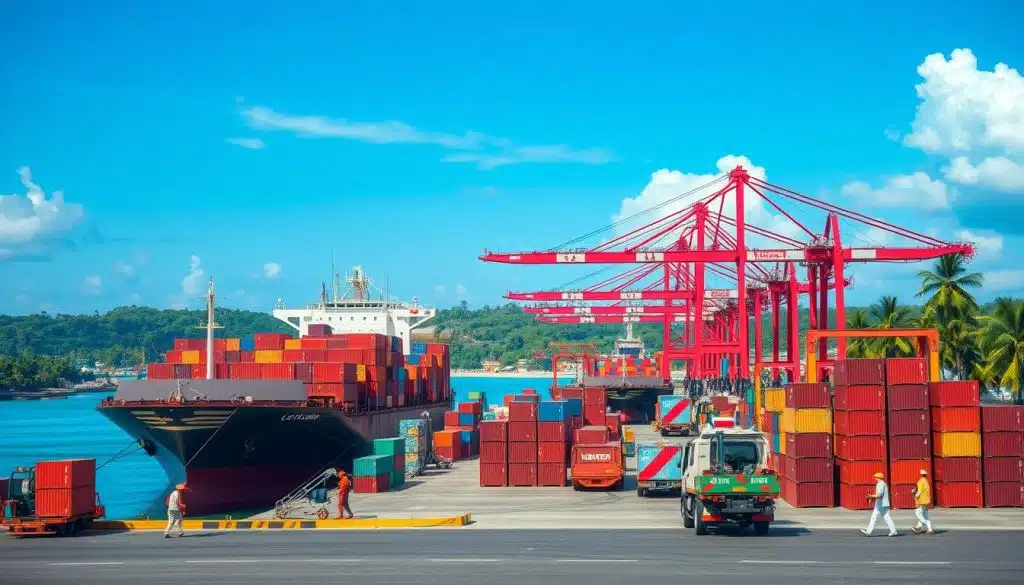
Guyana’s port infrastructure at Georgetown has undergone significant upgrades to accommodate increasing shipping volumes. The port features modern container handling facilities and storage areas for various cargo types. However, shippers should be aware of occasional congestion during peak seasons, particularly for agricultural exports.
The hinterland logistics connecting Georgetown port to Guyana’s interior regions are primarily based on road transportation. The country’s road network has improved in recent years, with major highways linking coastal ports to inland cities such as Linden and New Amsterdam. For shipments destined for remote interior locations, inland waterways via the Essequibo and Demerara rivers provide an alternative transportation method, particularly for bulk cargo and heavy machinery.
Trade Agreements and Incentives
Guyana’s membership in CARICOM provides opportunities for duty – free trade with other member states. Additionally, the country has trade agreements with the European Union (EU) and the United States under the Caribbean Basin Initiative (CBI), offering preferential access for certain goods. These agreements can significantly reduce shipping costs and open new market avenues for exporters.
The Guyanese government offers investment incentives for businesses involved in import – substitution industries and export – oriented manufacturing. These incentives include tax exemptions, duty – free importation of capital goods, and access to special economic zones with streamlined regulatory processes. Leveraging these incentives can enhance the profitability of shipping operations to Guyana.

Strategies for Successful Shipping to Guyana
Building Local Partnerships
Establishing relationships with local Guyanese businesses and logistics providers is crucial for successful shipping operations. Local partners offer insights into cultural nuances, market demands, and distribution channels. They can assist with customs clearance, warehousing, and last – mile delivery, ensuring smooth operations.
For example, a local logistics partner can help navigate Guyana’s unique regulatory requirements for specific product categories such as pharmaceuticals or agricultural inputs. They can also provide storage solutions tailored to Guyana’s tropical climate, protecting goods from humidity and temperature fluctuations.
Optimizing Shipping Logistics
Given Guyana’s location and trade patterns, optimizing shipping logistics involves selecting the most suitable routes and carriers based on cargo type and urgency. For high – value or time – sensitive goods, air freight via international hubs like Miami or Trinidad and Tobago offers speed and reliability. Major carriers such as FedEx and DHL provide regular air freight services to Cheddi Jagan International Airport in Guyana.
For larger shipments, ocean freight remains the most economical choice. Shippers can choose between direct vessels calling at Georgetown or transshipment routes via regional hubs. Working with a freight forwarder specializing in the Caribbean region ensures access to the latest shipping schedules and carrier negotiations, optimizing cost and delivery time trade – offs.
Market Expansion and Localization
Businesses aiming to establish a long – term presence in Guyana should consider localization strategies. Adapting product packaging to local languages (English is the official language) and cultural preferences enhances market acceptance. Local marketing campaigns highlighting product benefits relevant to Guyanese consumers, such as durability in tropical conditions or alignment with local lifestyle trends, can drive demand.
Establishing a local distribution center or forming a joint venture with a Guyanese business can further strengthen market penetration. This approach improves delivery times, reduces after – sales service complexities, and builds consumer trust through a visible local presence.
Conclusion
Shipping to Guyana presents businesses with opportunities within a growing market that serves as a gateway to South American and Caribbean trade networks. By understanding Guyana’s import landscape, leveraging optimal shipping routes, and adhering to customs and logistical requirements, businesses can effectively enter and succeed in this dynamic market. Building strong local partnerships, optimizing logistics through specialized freight solutions, and implementing localization strategies enhance competitiveness and market penetration. As Guyana continues to develop its infrastructure and strengthen global trade connections, it offers a promising destination for businesses looking to expand their international shipping operations.
If you want to enhance your global shipping efficiency and enjoy the full-process transfer logistics service and ensure that your goods are easily delivered to overseas addresses,you can use looperbuy, a one-stop purchasing-logistics solution:https://looperbuy.com/.
Related Questions & Answers
· What are the typical shipping times for goods from North America to Guyana?
Shipping times from North America to Guyana via the North Atlantic route typically range from 10 – 14 days. This includes ocean transit from East Coast ports such as New York or Norfolk to Georgetown. Air freight offers faster delivery within 3 – 5 days for urgent shipments, with cargo clearance usually completed within 1 – 3 days of arrival at Cheddi Jagan International Airport.
· How can businesses leverage Guyana’s membership in CARICOM for shipping benefits?
Businesses can benefit from duty – free trade with other CARICOM member states by ensuring their products qualify for preferential tariff treatment. This involves providing accurate certificates of origin and adhering to CARICOM’s common external tariff regulations. Engaging a customs broker familiar with CARICOM procedures helps maximize these benefits and avoid potential compliance issues.
· What are the most cost – effective shipping methods for agricultural equipment to Guyana?
For agricultural equipment shipments, ocean freight via the South Atlantic route from Brazilian ports or the North Atlantic route from the United States offers the best cost – effectiveness. Consolidated shipments (LCL) can reduce costs for smaller – to medium – sized orders. Seasonal variations in shipping rates and agricultural equipment demand should be considered when planning shipments to optimize costs.
· How does Guyana’s tropical climate impact shipping logistics?
Guyana’s tropical climate requires special consideration for cargo protection. Products susceptible to humidity and temperature fluctuations should be shipped in climate – controlled containers or packed with moisture – absorbing materials. Logistics partners familiar with tropical shipping challenges can provide specialized storage and handling solutions to prevent cargo damage.
· What role do local Guyanese businesses play in facilitating global shipping?
Local Guyanese businesses act as essential intermediaries by providing insights into cultural preferences and market demands. They offer logistics support, including customs clearance and warehousing, and help navigate local regulations. Their established networks and knowledge of Guyana’s business environment make them valuable partners for foreign businesses seeking to establish a presence in the market.
Hot Tags: Guyanese Import Regulations; Caribbean Shipping Routes; South American Trade Corridors; Georgetown Port Logistics; CARICOM Trade Agreements; Tropical Climate Shipping; Guyana Customs Procedures; Regional Caribbean Trade; Guyanese Consumer Market