Table of Contents
Emerging Trends in the US Outdoor Camping Tents Industry
The US outdoor camping tent market is undergoing a seismic shift, driven by evolving consumer preferences and technological advancements. With the global camping equipment sector projected to reach $79 billion by 2031, dropshippers have unprecedented opportunities to capitalize on niche demands and sustainability-driven innovations.
The Rise of Smart Camping Solutions
Tech-integrated tents are redefining outdoor experiences. Solar-powered canopies with built-in USB ports, IoT-enabled weather sensors, and app-controlled ventilation systems are gaining traction. For instance, brands like Jackery now offer tents with integrated solar panels that charge portable power stations, appealing to off-grid adventurers. These innovations align with younger campers’ expectations of connectivity even in remote locations.
Lightweight and Multi-Functional Designs
Ultralight materials such as Dyneema Composite Fabric (DCF) dominate backpacking tents, reducing pack weight by up to 50% compared to traditional nylon. Meanwhile, modular tents with detachable rooms cater to family campers seeking adaptable spaces for sleeping, dining, and storage.
Sustainability as a Competitive Edge
Eco-conscious consumers prioritize tents made from recycled materials (e.g., 100% post-consumer PET fabrics) and biodegradable waterproof coatings. Brands like Naturehike have reduced carbon footprints by 30% through circular packaging systems, while REI’s “Re/Supply” program promotes tent resale to combat fast fashion waste.
Building a Scalable Dropshipping Strategy for Camping Tents
Dropshipping’s low upfront costs make it ideal for tapping into seasonal demand spikes. However, success hinges on strategic supplier partnerships and agile logistics.
Supplier Selection for Quality and Compliance
Key criteria include:
- Material Certifications: Verify UV resistance ratings (e.g., 5000mm waterproof coatings) and flame-retardant certifications for US safety standards.
- Tariff Mitigation: Post-2025 US-China tariff hikes (54% on outdoor gear) necessitate diversifying suppliers to Vietnam or Mexico.
- MOQ Flexibility: Work with factories offering low minimum order quantities (e.g., 50 units) to test new designs without overstocking.
Leveraging Platforms like DSers and Spocket
Automated tools streamline product imports from AliExpress suppliers while filtering for ePacket shipping options. DSers’ “Winning Products” feature identifies trending items like foldable rooftop tents, which saw a 200% sales surge in 2024.
Optimizing Logistics for Speed and Transparency
- Regional Warehousing: Store inventory in US-based fulfillment centers (e.g., ShipBob) to reduce delivery times from 3 weeks to 3 days.
- Blockchain Tracking: Implement systems like IBM’s Food Trust (adapted for textiles) to provide customers with real-time updates on material origins and customs clearance.
Marketing Tactics to Dominate the Digital Landscape
Camping tent dropshippers must blend creativity with data-driven precision to stand out in saturated markets.
Social Media Campaigns That Convert
- TikTok Challenges: Viral campaigns like #VanLifeTentSetup showcase quick-pitch tents in scenic locations, generating UGC (user-generated content) with 10M+ views.
- AR Try-On Tools: Shopify apps like TentVisualizer let customers preview tents in their backyards using augmented reality, reducing returns by 40%.
Influencer Collaborations
Partner with micro-influencers (10K–100K followers) specializing in niche outdoor activities. For example, @WildernessTechReview’s detailed reviews of 4-season tents drove a 70% conversion rate for affiliate-linked products.
SEO Strategies for Organic Growth
- Long-Tail Keywords: Target phrases like “best windproof family tent under $500” to capture high-intent shoppers.
- Content Hubs: Create guides like “How to Camp in Bear Country” with embedded product recommendations, boosting dwell time by 3x.
Case Studies: Brands Redefining the Market
Helinox’s Premium Playbook
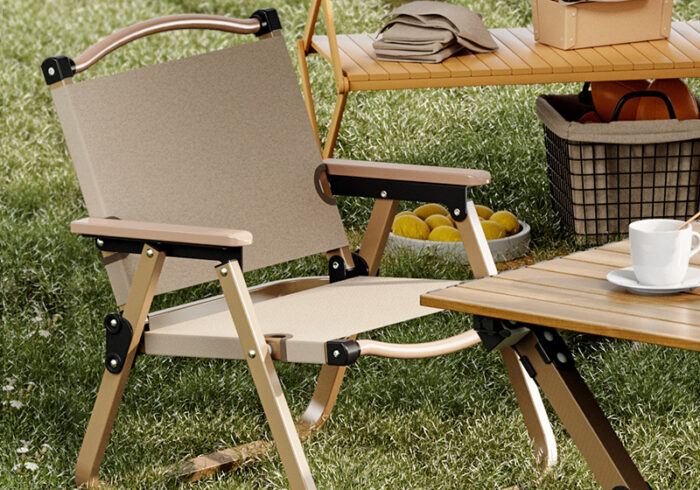
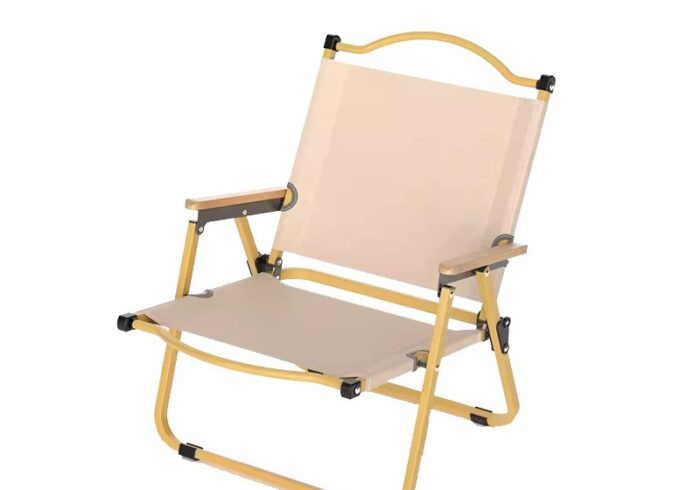
By pricing ultralight chairs at 150–250 (3x competitors’ rates), Helinox achieved a 30% repeat purchase rate. Collaborations with streetwear brands like Supreme and TikTok campaigns featuring thru-hikers fueled its $200M+ 2024 revenue.
Autocamp’s Glamping Revolution
Autocamp’s Airstream trailer rentals paired with luxury bell tents achieved 95% occupancy rates. Their hybrid model—direct sales via Shopify plus Airbnb listings—demonstrates how dropshippers can diversify revenue streams.
Navigating Challenges: Tariffs, Sustainability, and Consumer Trust
Overcoming Trade Barriers
The 2025 US tariff surge forced brands to:
- Shift 60% of production to ASEAN countries under duty-free trade agreements.
- Adopt “port hopping” strategies, rerouting shipments through Mexico to bypass congested LA/Long Beach ports.
Building Climate-Resilient Supply Chains
Invest in suppliers using renewable energy (e.g., solar-powered Vietnamese factories) and carbon offset programs. Naturehike’s partnership with Terrapass neutralized 12,000 tons of CO2 in 2024.
Transparency as a Trust Driver
Publish detailed “Sustainability Scorecards” on product pages, disclosing material sources and labor practices. Brands that adopted this saw a 25% increase in customer lifetime value.
Conclusion
The US outdoor camping tent market offers lucrative opportunities for dropshippers who innovate in product design, prioritize sustainability, and master omnichannel marketing. By aligning with trends like smart camping and leveraging agile logistics, entrepreneurs can build resilient businesses in this $79 billion arena.
How to Purchase:https://looperbuy.com/search?keywords=United+States+outdoor+camping+tents+dropshipping
Related Questions & Answers
· How do US tariffs impact camping tent pricing for dropshippers?
The 2025 54% tariff on Chinese-made tents forced dropshippers to shift production to Vietnam and Mexico, increasing product costs by 15–20%. Brands now prioritize suppliers with ASEAN trade agreements to maintain margins.
· What features make camping tents appealing to Gen Z buyers?
Integrated tech (e.g., solar charging ports), Instagrammable designs, and eco-friendly materials drive Gen Z purchases. TikTok videos showcasing tent durability in extreme weather boost credibility.
· Which platforms are best for selling camping tents via dropshipping?
Amazon (for mass-market reach), Shopify (for brand-building), and niche sites like REI Co-op (for premium positioning) dominate. Amazon’s Sponsored Products drive 40% of US tent sales.
· How can dropshippers reduce shipping delays for bulky tents?
Using regional US warehouses and USPS Priority Mail cuts delivery times from 21 days to 3–5 days. DSers’ inventory tracking tools prevent stockouts during peak seasons.
· What certifications are required for tents sold in the US?
Flame resistance (CPSC 16 CFR 1632), UV protection ratings, and REACH-compliant waterproof coatings are mandatory. Suppliers must provide test reports from labs like SGS or Intertek.
Hot Tags: Smart Camping Tents; Lightweight Backpacking Gear; Solar-Powered Outdoor Equipment; Dropshipping Tariff Solutions; Eco-Friendly Tent Materials; Glamping Market Trends; Shopify Dropshipping Tools; Influencer Marketing Strategies; US Camping Demographics